Table of Contents
The Papaya cannabis strain is a well-known indica-dominant hybrid, appreciated for its fruity aroma, relaxing effects, and potential medical applications. This strain is a cross between Citral #13 and Ice #2, developed by Nirvana Seeds. With a balance of 70% indica and 30% sativa, Papaya is revered for its calming and euphoric high, making it suitable for both medical and recreational users.
Genetic Background
Papaya is a product of careful genetic selection, resulting in a strain that exhibits vigorous growth, high resin production, and a terpene profile reminiscent of tropical fruit. The parent strains, Citral #13 and Ice #2, contribute to its potency and distinct aroma:
- Citral #13: Known for its citrusy scent and relaxing effects, this strain contributes to Papaya’s fruity notes and tranquilizing properties.
- Ice #2: A hybrid with a rich cannabinoid content, contributing to the heavy resin production and robust potency of Papaya.
Chemical Composition
Papaya boasts a unique chemical profile that enhances its effects and medical applications. Below is a detailed breakdown:
Cannabinoid Profile
- THC: 18% – 25% (Can vary based on cultivation methods)
- CBD: <1% (Minimal but present)
- CBG: ~1%
- Other Cannabinoids: Trace amounts of CBN, CBC, and THCV
Terpene Profile
Papaya’s terpene composition is responsible for its tropical aroma and therapeutic effects:
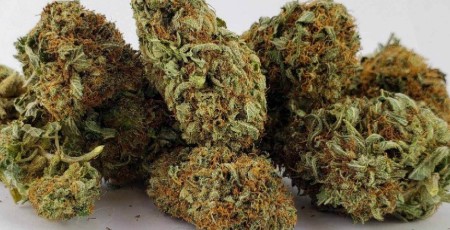
- Myrcene (Dominant) – Sedative, muscle relaxant, anti-inflammatory
- Limonene – Elevates mood, provides stress relief
- Caryophyllene – Anti-inflammatory, pain-relieving, interacts with CB2 receptors
- Pinene – Enhances alertness and memory retention
- Linalool – Offers anti-anxiety and anti-depressant benefits
Medical Uses
The Papaya cannabis strain is an indica-dominant hybrid known for its high THC content (18-25%) and diverse terpene profile. These biochemical characteristics make it a potent therapeutic strain for a variety of medical conditions. Below is a detailed scientific breakdown of its medical applications, mechanisms of action, and the research supporting its medicinal benefits.
1. Mechanisms of Action in the Human Body
A. Interaction with the Endocannabinoid System (ECS)
Papaya’s pharmacological effects are mediated by its interaction with the ECS, a complex network of receptors (CB1 and CB2) involved in homeostasis, pain modulation, immune response, and neurological function.
- THC (Tetrahydrocannabinol):
- Binds to CB1 receptors in the brain, inducing euphoria, relaxation, and pain relief.
- Modulates neurotransmitter release, including dopamine, serotonin, and GABA.
- Has anti-inflammatory and appetite-stimulating properties.
- CBD (Cannabidiol) – Trace Amounts (<1%):
- Indirectly influences CB1 and CB2 receptors.
- Reduces THC-induced anxiety via 5-HT1A serotonin receptor activation.
- Acts as a neuroprotectant and anti-inflammatory agent.
- CBG (Cannabigerol) – ~1% Presence:
- Acts on α2-adrenergic and serotonin receptors, reducing anxiety and inflammation.
- Caryophyllene (Beta-Caryophyllene):
- A terpene with cannabinoid properties that binds to CB2 receptors, modulating immune response and reducing inflammation.
2. Medical Uses of Papaya Cannabis Strain
A. Pain Management
Papaya is highly effective in chronic and acute pain relief, making it an alternative to opioids and NSAIDs.
- Neuropathic Pain (Nerve Damage-Related)
- THC and myrcene activate CB1 receptors to reduce pain perception.
- CBG has neuroprotective properties, aiding in nerve repair.
- Useful for conditions such as:
- Multiple sclerosis (MS)
- Diabetic neuropathy
- Post-herpetic neuralgia (Shingles)
- Inflammatory Pain
- Caryophyllene’s CB2 activation reduces inflammatory cytokines.
- THC blocks prostaglandin production, reducing pain from:
- Rheumatoid arthritis
- Osteoarthritis
- Fibromyalgia
- Post-Surgical & Cancer Pain
- THC and myrcene provide sedation and muscle relaxation.
- Inhibits glutamate, reducing post-surgical nerve hypersensitivity.
B. Anxiety, PTSD, and Depression
Papaya is often used to treat mental health disorders due to its anxiolytic (anti-anxiety) and mood-enhancing effects.
- Generalized Anxiety Disorder (GAD)
- Limonene and linalool interact with the GABA system, promoting relaxation.
- Myrcene enhances serotonin receptor (5-HT1A) activation, reducing stress.
- Post-Traumatic Stress Disorder (PTSD)
- THC lowers amygdala hyperactivity, reducing fear responses.
- Aids in memory extinction, reducing flashbacks.
- Depression
- THC and limonene elevate dopamine levels, counteracting anhedonia.
- Antioxidant properties protect against oxidative stress-related depression.
- Obsessive-Compulsive Disorder (OCD)
- THC modulates orbitofrontal cortex activity, reducing compulsive behaviors.
- Enhances neuroplasticity through BDNF (Brain-Derived Neurotrophic Factor) expression.
C. Sleep Disorders & Insomnia
Papaya is widely used for insomnia, acting as a natural alternative to benzodiazepines and sedatives.
- Mechanism of Action:
- THC and myrcene increase non-REM sleep duration.
- Linalool and limonene act on GABA-A receptors, promoting deep sleep.
- CBG has muscle-relaxant effects, aiding in sleep for restless leg syndrome (RLS).
- Best for:
- Chronic Insomnia
- Stress-Induced Sleep Disruptions
- Shift Work Sleep Disorder (SWSD)
- Circadian Rhythm Disorders
D. Appetite Stimulation & Gastrointestinal Relief
Papaya cannabis is beneficial for conditions affecting appetite, digestion, and gut motility.
- Appetite Stimulation
- THC activates CB1 receptors in the hypothalamus, increasing hunger.
- Effective for:
- Cancer-induced cachexia (wasting syndrome)
- HIV/AIDS-related appetite loss
- Anorexia and eating disorders
- Nausea & Vomiting Control
- THC inhibits serotonin receptors in the medulla, reducing nausea.
- Best for:
- Chemotherapy-induced nausea (CINV)
- Gastrointestinal disorders like gastroparesis
- Crohn’s Disease and Irritable Bowel Syndrome (IBS)
- Caryophyllene and limonene reduce intestinal inflammation.
- THC and CBD modulate gut motility, alleviating cramping and diarrhea.
E. Anti-Inflammatory and Autoimmune Conditions
Papaya’s strong anti-inflammatory effects make it useful for autoimmune diseases.
- Mechanism of Action:
- Caryophyllene (CB2 agonist) reduces cytokine release.
- THC blocks COX-2 enzyme, reducing inflammation.
- Effective for:
- Multiple Sclerosis (MS) – Reduces spasticity and neuropathic pain.
- Rheumatoid Arthritis (RA) – Blocks inflammatory interleukins.
- Lupus & Psoriasis – Suppresses autoimmune responses.
F. Neuroprotective Properties & Potential in Neurodegenerative Disorders
Papaya may slow neurodegeneration and promote cognitive function.
- Alzheimer’s Disease
- THC reduces amyloid-beta plaque formation.
- Myrcene and limonene act as antioxidants, protecting neurons.
- Parkinson’s Disease
- THC enhances dopamine levels, reducing tremors.
- CBG and beta-caryophyllene reduce neuroinflammation.
- Epilepsy & Seizure Disorders
- THC has anticonvulsant properties.
- CBD (even in low doses) enhances seizure control.
G. Cancer Therapy Support
Papaya has anti-tumor potential and provides symptomatic relief.
- Anti-Tumor Effects
- THC induces apoptosis (cancer cell death) in some cancer cell lines.
- CBD and CBG suppress tumor growth via TRPV1 receptor activation.
- Cancer Symptom Management
- Pain relief
- Appetite stimulation
- Reduction of chemotherapy-induced nausea
Recreational Uses
Papaya is widely popular in the recreational cannabis market due to its pleasurable effects.
Mood Enhancement and Euphoria
Papaya induces a sense of calm and happiness, making it ideal for social or solo relaxation. Its effects include:
- Mild cerebral stimulation leading to uplifting moods
- Relaxation without heavy sedation in moderate doses
- Potential to enhance creative thinking and artistic pursuits
Physical Relaxation and Body High
Papaya’s indica-dominant nature delivers full-body relaxation, making it perfect for:
- Evening use to unwind after a long day
- Watching movies, reading, or engaging in mellow activities
- Helping with post-workout muscle recovery
Enhancement of Sensory Perception
Papaya has been reported to heighten sensory experiences, leading to:
- Increased appreciation for music and visual art
- Enhanced taste and smell, making food more enjoyable
- Deeper relaxation during massages or spa treatments
Potential Downsides and Side Effects
Like any cannabis strain, Papaya has potential side effects that users should be aware of:
- Dry Mouth and Eyes: Common with THC-rich strains, hydration helps mitigate this.
- Dizziness and Lightheadedness: Occurs in some users, particularly beginners or those sensitive to THC.
- Paranoia and Anxiety: Rare but possible, especially in high doses.
- Sedation and Couch-lock: Beneficial for relaxation but may hinder productivity.
Cultivation Information
Papaya cannabis is a relatively easy-to-grow strain, but optimizing cultivation methods can significantly enhance its yield, potency, and terpene profile. Below is an in-depth scientific approach to cultivating the Papaya strain, covering everything from environmental conditions to advanced growing techniques.
1. Environmental Requirements for Papaya Cultivation
Papaya thrives in both indoor and outdoor setups, but precision in environmental controls is crucial for maximizing resin production and terpene expression.
A. Indoor Cultivation
Growing Papaya indoors allows precise control over temperature, humidity, and lighting, which directly impact its growth cycle.
- Temperature Range:
- Vegetative Stage: 72-78°F (22-26°C)
- Flowering Stage: 68-75°F (20-24°C)
- Nighttime Temperature: 5-10°F (3-5°C) lower than daytime to simulate natural conditions.
- Humidity Levels:
- Seedling Stage: 65-75% RH (Relative Humidity)
- Vegetative Stage: 50-60% RH
- Flowering Stage: 40-50% RH
- Late Flowering (Final 2 Weeks): 30-40% RH to prevent mold and enhance resin production.
- Light Cycle:
- Vegetative Stage: 18-24 hours of light
- Flowering Stage: Twelve bright and twelve dark hours
- Light Spectrum:
- Vegetative Growth: Blue spectrum (400-500nm)
- Flowering: Red spectrum (620-780nm)
- LED or HPS Grow Lights: LED lights with full-spectrum tuning are recommended for maximum trichome development.
- Airflow and Ventilation:
- Proper airflow is necessary to strengthen stems and prevent mold.
- To keep the air flowing, use exhaust systems and oscillating fans.
B. Outdoor Cultivation
Papaya cannabis is resilient and thrives in warm, Mediterranean climates with ample sunlight.
- Ideal Growing Regions:
- Southern California, Spain, Italy, South Africa, and Australia
- Warm, semi-humid regions with temperatures between 70-85°F (21-29°C)
- Planting Season:
- Germination: Early Spring
- Vegetative Growth: Spring to early Summer
- Flowering: Mid to Late Summer
- Harvest: Early Fall (Late September – Early October)
- Soil Requirements:
- pH Level: 6.0 – 6.5
- Nutrient-Rich Soil: Loamy, well-draining soil with organic matter enhances terpene expression.
- Soil Amendments: Mycorrhizal fungi, worm castings, bat guano, and compost tea can improve root health and nutrient uptake.
2. Growth Stages and Nutrient Requirements
Different growth stages require specific nutrient balances for optimal yield and potency.
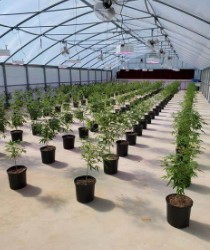
A. Seedling Stage (0-2 weeks)
- Lighting: 18-24 hours of weak LED light (PAR 200-400μmol/m²/s)
- Soil Moisture: Keep soil damp but not soaked.
- Nutrients: Minimal feeding, focus on root boosters (e.g., kelp extract, mycorrhizal fungi)
- Humidity: 70-75% RH
- Temperature: 72-78°F (22-26°C)
B. Vegetative Stage (2-6 weeks)
- Lighting: 18/6 light cycle, LED PAR 400-600μmol/m²/s
- Nutrient Ratio: High nitrogen (N), moderate phosphorus (P), moderate potassium (K)
- Example feeding schedule (ppm-based):
- Nitrogen (N): 200-250 ppm
- Phosphorus (P): 80-120 ppm
- Potassium (K): 150-200 ppm
- Example feeding schedule (ppm-based):
- Soil pH: 6.0 – 6.5
- Training Techniques:
- Low-Stress Training (LST): Increases bud sites
- Topping (FIM Method): Promotes bushier growth
- Screen of Green (ScrOG): Maximizes yield in indoor setups
- Defoliation: Removing excess fan leaves for better light penetration
C. Flowering Stage (7-9 weeks)
- Lighting: 12/12 light cycle, LED PAR 600-900μmol/m²/s
- Nutrient Ratio: Shift to high phosphorus (P) and potassium (K) for bud development
- Example feeding schedule:
- Nitrogen (N): 50-100 ppm
- Phosphorus (P): 150-200 ppm
- Potassium (K): 200-250 ppm
- Example feeding schedule:
- Terpene Enhancement:
- Increase sulfur (S) and magnesium (Mg) levels
- Add humic and fulvic acids to improve nutrient absorption
- Defoliation and Pruning:
- Remove lower leaves to focus energy on top colas
- Lollipop pruning helps direct resources to bud formation
D. Late Flowering & Flushing (Last 2 Weeks)
- Water Only: Stop nutrient feeding 10-14 days before harvest
- Flushing: Use pH-balanced water (6.0-6.5) to remove residual nutrients
- Lower Humidity to 30-40% RH to prevent mold
- Cold Temperature Stress:
- Lower temperature to 60-65°F (15-18°C) in the final week to boost anthocyanin production (color and aroma enhancement)
3. Harvesting and Post-Harvest Processing
A. When to Harvest
- Trichome Inspection (Using a Jeweler’s Loupe, 60x Zoom):
- Clear Trichomes: Too early
- Cloudy Trichomes: Maximum THC potency (best for energetic effects)
- Amber Trichomes: Higher CBN levels, stronger sedative effects
- Optimal Harvest Window:
- Week 8-9 of Flowering
- Trichomes at 70% cloudy, 20% amber, 10% clear
B. Drying and Curing
Drying (7-10 days)
- Temperature: 60-70°F (15-21°C)
- Humidity: 50-60% RH
- Airflow: Slow drying to preserve terpenes
- Method: Hang branches upside-down in a dark, ventilated space
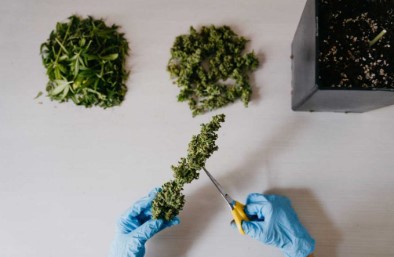
Curing (2-8 weeks)
- Storage Jars: Use glass mason jars
- Burping Method: Open jars daily for 10-15 minutes in the first two weeks
- Final RH Levels: 55-62% for long-term storage
4. Advanced Cultivation Techniques
A. Hydroponics vs. Soil
- Hydroponics (DWC, Aeroponics, Coco Coir):
- Faster growth, higher yields
- Requires precise nutrient control
- Organic Soil (Living Soil Method):
- Better terpene expression
- Rich in beneficial microbes
B. CO₂ Supplementation
- Benefits: Increases photosynthesis and yield by 20-30%
- Optimal CO₂ Levels: 1000-1500 ppm
- Implementation: CO₂ bags, tanks, or enrichment chambers
C. UV-B Light Exposure
- Boosts THC Production: UV-B (280-320nm) exposure in late flowering can increase cannabinoid levels.
- Controlled UV Stress: 1-2 hours per day in the final weeks
Scientific Research and Future Potential
Pharmacological Studies
Papaya’s cannabinoid and terpene profile have garnered interest in the scientific community. Studies suggest:
- THC and Myrcene Synergy: Enhances sedative and analgesic properties.
- CBD and CBG Potential: While present in low amounts, these cannabinoids contribute to anti-inflammatory and neuroprotective effects.
- Caryophyllene’s Role in CB2 Activation: Promotes anti-inflammatory benefits without psychoactive effects.
Potential for Pharmaceutical Applications
Given its medical properties, Papaya could be explored further for:
- Cannabis-derived sleep aids targeting insomnia without dependency risks.
- Pain management formulations as an alternative to opioids.
- Anti-anxiety medication development focusing on myrcene’s calming effects.
Conclusion
Papaya is a versatile strain that offers a balanced blend of relaxation, pain relief, and sensory enhancement. Its rich terpene profile and indica-dominant effects make it an ideal choice for medical patients seeking relief from pain, stress, and sleep disorders. At the same time, recreational users appreciate its euphoric yet calming high.
With its robust genetics, fast flowering time, and resilience against pests, Papaya remains a top-tier strain for both cultivation and consumption. Whether used for therapeutic or leisurely purposes, this tropical-flavored cannabis strain continues to be a favorite among cannabis enthusiasts.
For a complete directory of cultivars, visit our Cannabis Strain Reviews.
