Table of Contents
Genetic Lineage and Overview
Papa’s OG is a rare and potent indica-dominant hybrid, known for its deeply sedative and pain-relieving qualities. Bred by crossing Skywalker OG with OG Kush, it carries forward the Kush family’s signature traits: high THC content, dense resinous buds, and a strong body-centered high.
- Type: 80% indica and 20% sativa make up an indica-dominant hybrid.
- Genetic Lineage: Skywalker OG × OG Kush
- THC Content: 20–25% (some phenotypes >26%)
- CBD Content: <1%
- CBG/CBC: Trace to 0.5%
- Flowering Time: 8–9 weeks (indoor)
- Aromas: Earthy pine, pungent kush, sweet berries
- Flavor: Sweet grape, diesel, herbal undertones
This strain is known for producing fast-acting, full-body relaxation and is often used in nighttime or pain-management settings.
Cannabinoid and Terpene Profile
A. Primary Cannabinoids
| Cannabinoid | Typical % | Medical Role |
|---|---|---|
| THC | 20–25% | Analgesic, sedative, antiemetic |
| CBD | <1% | Modulates THC, anti-anxiety, anti-inflammatory |
| CBG | 0.3–0.8% | Anti-inflammatory, neuroprotective |
| CBC | 0.2–0.5% | Mood elevation, pain modulation |
| THCV | Trace | Modulates appetite, anxiety (dose-dependent) |
Papa’s OG is heavily THC-dominant, making it highly psychoactive and potent. Minor cannabinoids like CBG and CBC provide subtle support for inflammation and neurological health.
B. Terpene Composition
| Terpene | Aroma/Flavor | Therapeutic Effects |
|---|---|---|
| Myrcene | Earthy, musky | Sedative, analgesic |
| Limonene | Citrus, sweet | Mood uplift, anti-anxiety |
| Caryophyllene | Spicy, peppery | Anti-inflammatory, CB2 agonist |
| Linalool | Floral, lavender | Anxiolytic, sleep support |
| Humulene | Woody, herbal | Appetite suppressant, anti-inflammatory |
Myrcene, the most dominant terpene, works synergistically with THC to enhance sedative and muscle-relaxing properties, while caryophyllene and linalool add anti-inflammatory and anxiolytic depth.
Pharmacological Mechanisms of Action
A. Endocannabinoid System (ECS)
Papa’s OG primarily targets:
- CB1 Receptors (CNS): THC binds here, reducing pain transmission, promoting sedation, and elevating mood.
- CB2 Receptors (immune system): Caryophyllene binds directly to CB2, reducing inflammation and modulating immune responses.
- TRP Channels (e.g., TRPV1, TRPA1): Activated by CBG and CBC to decrease neurogenic inflammation and pain hypersensitivity.
- GABA-A Receptors: Terpenes like linalool and myrcene enhance GABAergic signaling, producing sedation and anxiolysis.
Medical Applications of Papa’s OG
Cannabinoid-Terpene Synergy: Pharmacological Framework
A. Primary Cannabinoids
| Cannabinoid | Mechanism of Action | Therapeutic Role |
|---|---|---|
| THC | CB1 receptor agonist in CNS; modulates neurotransmitter release (GABA, glutamate, dopamine) | Analgesia, sedation, mood elevation |
| CBD | Allosteric CB1/CB2 modulator; agonist at 5-HT1A and TRPV1 | Anti-anxiety, inflammation buffering |
| CBG | Partial CB1/CB2 agonist; TRP modulator | Anti-inflammatory, neuroprotective |
| CBC | TRPV1–4 activator, anti-inflammatory | Mood support, pain modulation |
B. Dominant Terpenes
| Terpene | Biological Targets | Medical Effects |
|---|---|---|
| Myrcene | GABA-A enhancement | Sedation, muscle relaxation |
| Linalool | GABA and 5-HT1A | Anti-anxiety, anticonvulsant |
| Caryophyllene | CB2 receptor agonist | Anti-inflammatory, analgesic |
| Limonene | Serotonin modulation | Mood uplift, anxiolytic |
| Humulene | COX inhibition, TNF-α reduction | Anti-inflammatory, appetite regulation |
Condition-Specific Medical Applications

1. Chronic and Neuropathic Pain
Mechanisms:
- THC acts on CB1 receptors in the brain and spinal cord, reducing nociceptive transmission and pain perception.
- Caryophyllene and CBG modulate CB2 receptors and TRP ion channels, decreasing peripheral inflammation.
- Linalool and myrcene activate GABAergic pathways, relaxing muscle tension and enhancing the analgesic effect.
Use Cases:
- Sciatic and lower back pain
- Neuropathies (e.g., diabetic, chemotherapy-induced)
- Fibromyalgia
- Chronic arthritis (osteo or rheumatoid)
Scientific Rationale: Papa’s OG addresses pain via central nervous system desensitization, peripheral inflammation control, and muscle tension reduction — making it ideal for complex pain syndromes with both somatic and neurological components.
2. Insomnia and Sleep Disorders
Mechanisms:
- THC reduces REM sleep latency and promotes slow-wave (deep) sleep.
- Myrcene induces sedation and reduces locomotor activity through GABA-A potentiation.
- Linalool and CBC enhance calming neurotransmission, reducing sleep latency and nighttime awakenings.
Therapeutic Targets:
- Sleep-onset and maintenance insomnia
- PTSD-related nightmares
- Anxiety-induced sleep disturbance
- Pain-related sleep fragmentation
Consideration: Due to its long-lasting sedative effects, Papa’s OG is best consumed 1–2 hours before sleep, especially for patients with comorbid pain or anxiety.
3. Anxiety and PTSD (Low to Moderate Doses)
Mechanisms:
- THC, in low doses, modulates amygdala activity, reducing fear-based hyperarousal.
- Linalool increases GABAergic tone, leading to mental quieting.
- CBD (minor) and limonene support serotonin receptor (5-HT1A) activation, which decreases anxiety.
Indicated For:
- Generalized Anxiety Disorder (GAD)
- Social anxiety (when not performance-dependent)
- PTSD (especially sleep and hyperarousal symptoms)
- Stress-related physiological tension
Caution: High doses of THC may provoke anxiety or paranoia — the therapeutic window for Papa’s OG is narrow, requiring dose awareness.
4. Appetite Stimulation and GI Support
Mechanisms:
- THC activates CB1 receptors in the lateral hypothalamus, triggering ghrelin secretion and hunger signaling.
- Limonene and CBG have gastroprotective and anti-nausea effects.
- Caryophyllene reduces GI inflammation, beneficial in IBD conditions.
Applications:
- Chemotherapy-induced nausea and vomiting (CINV)
- HIV/AIDS-related anorexia
- Cachexia from chronic illness
- Inflammatory bowel disease (IBD) appetite loss
Clinical Implication: Papa’s OG helps restore appetite without stimulating excessive gastrointestinal motility, making it suitable for patients with nausea, ulcers, or slow digestion.
5. Muscle Spasticity and Movement Disorders
Mechanisms:
- THC reduces excitatory neurotransmission in motor pathways via CB1.
- Linalool and myrcene enhance muscle relaxation and reduce tremors.
- CBG has potential neuroprotective and antispasmodic properties.
Use Cases:
- Multiple Sclerosis (spasms, rigidity)
- Parkinson’s disease (muscle tremor, sleep)
- ALS (muscle stiffness, cramping)
- Post-stroke spasticity
Effect Profile: The sedative and antispasmodic synergy makes Papa’s OG a strong candidate for managing neuromuscular tone, especially when spasms impair rest or daily activity.
6. Depression with Insomnia or Pain
Mechanisms:
- THC and limonene increase dopamine and serotonin, improving motivation and hedonic tone.
- CBD, CBC, and linalool reduce neuroinflammation, supporting hippocampal plasticity and mood regulation.
- THC-mediated euphoria helps reduce negative ruminations and pain-related depression.
Best For:
- Depression accompanied by insomnia
- Mood dysregulation due to chronic pain
- Situational depression from stress or trauma
Note: Due to its sedative nature, Papa’s OG is better suited for evening treatment of depressive symptoms, particularly those linked to restlessness, inflammation, or fatigue.
Mechanistic Summary Table
| Condition | Primary Mechanisms | Key Active Compounds |
|---|---|---|
| Chronic pain | CB1 activation, CB2/TRPV1 modulation | THC, CBG, myrcene, caryophyllene |
| Insomnia | GABAergic potentiation, REM regulation | Myrcene, linalool, THC |
| Anxiety (low dose) | 5-HT1A activation, GABAergic support | Limonene, CBD, linalool |
| Appetite stimulation | Hypothalamic CB1 activation, ghrelin | THC, limonene |
| Muscle spasticity | CB1 inhibition of motor circuits | THC, linalool, CBG |
| Depression | Dopamine/serotonin enhancement | THC, limonene, CBC |
Dosing Guidelines for Medical Use
| Condition | Delivery Method | Starting THC Dose | Titration Range | Notes |
|---|---|---|---|---|
| Pain | Inhalation or edible | 5 mg | Up to 15 mg | Inhaled preferred for fast relief |
| Insomnia | Edible or tincture | 10 mg | Up to 20 mg | Take 1–2 hrs before sleep |
| Anxiety | Vapor or tincture | 2.5 mg | Max ~7.5 mg | Avoid high doses |
| Appetite loss | Inhalation | 5 mg | 10–15 mg | Before meals, rapid onset |
| Spasticity | Inhalation or edible | 5–10 mg | 15 mg | Repeat dosing every 6–8 hrs if needed |
Start low and go slow. Always assess patient tolerance to THC before increasing dosage, especially with Papa’s OG, due to its potent sedative effect.
Safety and Contraindications
Common Side Effects
- Dry mouth and dry eyes
- Sedation and motor impairment
- Short-term memory disruption
- Anxiety or paranoia at excessive doses
Serious Risks (High Dose or Sensitive Populations)
- Cognitive dulling, especially in older adults
- Dependence or tolerance with chronic use
- Hypotension or tachycardia in vulnerable patients
- Psychosis in predisposed individuals (e.g., schizophrenia)
Drug Interactions
- THC and CBD inhibit CYP450 enzymes (e.g., CYP3A4, CYP2C19)
- Monitor if patient uses warfarin, SSRIs, opioids, or antiepileptics
- Synergistic sedation with benzodiazepines, opioids, or alcohol
Contraindications
- History of schizophrenia or psychotic disorders
- Uncontrolled cardiovascular disease
- Pregnancy and lactation
- Adolescents (due to impact on developing brain)
Clinical Summary and Therapeutic Profile
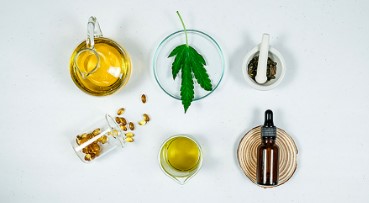
Papa’s OG is a robust medical cannabis strain with potent analgesic, sedative, anxiolytic, and appetite-enhancing effects. Its ideal use cases include:
- Pain syndromes involving central and inflammatory mechanisms
- Anxiety and insomnia, especially when comorbid
- Sleep disruption related to trauma, stress, or chronic illness
- Spasticity and neuromuscular stiffness
- Appetite restoration and nausea control
The pharmacological richness of Papa’s OG — led by THC, myrcene, caryophyllene, and linalool — enables multi-targeted symptom relief, making it well-suited for evening use or adjunct therapy in complex chronic care.
Recreational Effects and Subjective Profile
Papa’s OG is favored by recreational users seeking full-body relaxation, euphoria, and mental calm.
Subjective Effects
- Deep physical sedation
- Euphoric tranquility
- Heightened sensory perception (taste, touch)
- Couch-lock at higher doses
- Sleepiness (especially at night)
Best Used For
- Unwinding after stress
- Enhancing music, massage, or movies
- Sleep preparation
- Recreational pain relief (e.g., post-workout)
Onset and Duration
| Method | Onset | Peak | Duration |
|---|---|---|---|
| Inhalation | 5–10 min | 30–45 min | 2–3 hours |
| Edible | 60–90 min | 2–3 hours | 4–6 hours |
| Tincture | 15–30 min | 1–2 hours | 3–5 hours |
Cultivation Science
I. Morphology and Growth Behavior
Papa’s OG is a broad-leaf, indica-dominant hybrid known for:
- Compact growth structure
- Dense, trichome-rich buds
- Moderate lateral branching
- Moderate-to-high yield potential
- Heavy aroma during flowering (requires filtration)
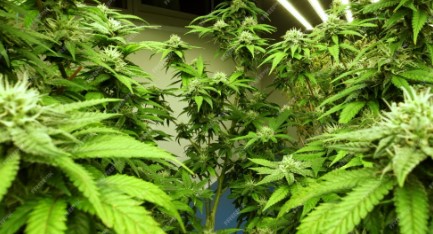
These morphological features make Papa’s OG well-suited for indoor cultivation, though it can be grown outdoors in warm, dry climates.
II. Environmental Requirements
A. Temperature and Humidity Control
Papa’s OG thrives in moderately warm, stable environments with relatively low humidity in the flowering stage to prevent bud rot.
| Growth Phase | Day Temp (°C) | Night Temp (°C) | RH (%) | VPD (kPa) |
|---|---|---|---|---|
| Vegetative | 24–28 | 20–22 | 60–70 | 0.8–1.1 |
| Flowering | 21–26 | 18–21 | 40–50 | 1.2–1.5 |
| Ripening | 20–24 | 16–18 | 35–45 | 1.3–1.6 |
Scientific insight: Proper control of Vapor Pressure Deficit (VPD) during flowering is crucial for stomatal function, nutrient uptake, and resin gland formation.
B. Lighting Conditions
Papa’s OG, as an indica hybrid, benefits from intense, well-balanced lighting to encourage dense bud formation and maximum trichome development.
| Stage | PPFD (µmol/m²/s) | Photoperiod | Light Spectrum Focus |
|---|---|---|---|
| Vegetative | 400–600 | 18/6 | Blue-heavy (~450 nm) |
| Flowering | 700–900 | 12/12 | Red-rich (~660 nm), UV-B (280–315 nm) |
| Late Flower | 800–1000 | 12/12 or 10/14 | Full + UV-B (for 2–3 hours/day) |
UV-B exposure during weeks 6–8 enhances trichome density and THC synthesis by mimicking high-altitude light stress.
III. Medium, Root Health, and Irrigation
A. Preferred Growing Media
| Medium Type | Characteristics |
|---|---|
| Soil (organic) | Terpene-rich, buffered nutrient release |
| Coco Coir + Perlite (70:30) | Fast growth, high oxygenation, but needs Ca/Mg supplementation |
| Hydroponics | Rapid growth and high control, but low terpene complexity if not managed carefully |
Soil and coco blends are most popular with Papa’s OG for preserving flavor, aroma, and secondary metabolite development.
B. Root Zone Parameters
| Medium | Target pH | Target EC (Veg) | Target EC (Flower) |
|---|---|---|---|
| Soil | 6.2–6.8 | 1.2–1.6 | 1.8–2.2 |
| Coco | 5.8–6.2 | 1.5–1.8 | 2.0–2.4 |
Use mycorrhizal fungi inoculants to boost nutrient uptake, especially phosphorus and micronutrients, which are critical in the flowering phase.
IV. Nutrient Management
Papa’s OG has moderate nutrient demands with a strong focus on potassium, phosphorus, and magnesium during flowering.
A. Macronutrient Strategy (NPK)
| Stage | Nitrogen (N) | Phosphorus (P) | Potassium (K) | Notes |
|---|---|---|---|---|
| Vegetative | High | Medium | High | Leaf, stem, and root expansion |
| Early Flower | Medium | High | High | Supports bud initiation |
| Late Flower | Low | High | Very High | Maximizes resin production |
Reduce nitrogen after week 4 of flower to prevent excess leaf growth and promote dense bud formation.
B. Micronutrient Focus
- Calcium: Required for cell wall integrity in developing colas.
- Magnesium: Central to chlorophyll synthesis and terpene biosynthesis.
- Sulfur: Crucial for thiol-based terpenes and enzyme function.
- Zinc, Iron, Manganese: Catalyze secondary metabolite pathways.
Use foliar feeds of Epsom salt (MgSO₄) and seaweed extracts during early flowering for micronutrient support.
V. Training Techniques and Canopy Control
Papa’s OG grows with a bushy, dense structure, making airflow and light penetration critical.
Recommended Techniques
| Method | Purpose | When to Apply |
|---|---|---|
| Topping | Encourages lateral growth | Week 3–4 veg |
| LST (low-stress) | Opens canopy, increases bud sites | Throughout veg |
| SCROG | Equalizes canopy height, prevents shade | Transition to flower |
| Defoliation | Reduces humidity, improves light flow | Early–mid flower |
Avoid over-defoliation in flower, which can stress the plant and reduce yield.
VI. Flowering and Ripening Dynamics
A. Flowering Timeline
| Week | Developmental Milestone |
|---|---|
| 1–2 | Flower set; stretch slows |
| 3–5 | Trichomes and bud mass increase rapidly |
| 6–8 | Peak resin production; aroma intensifies |
| 9+ | Optional extended ripening (for amber trichomes) |
B. Maturation Indicators
- Trichomes: 90% cloudy, 10–30% amber (for sedative effects)
- Pistils: 80–90% orange/brown
- Aroma: Pungent sweet fuel and earth tones at peak
VII. Harvest, Drying, and Curing
A. Drying Protocol
| Condition | Ideal Range |
|---|---|
| Temperature | 60–65°F (15–18°C) |
| Humidity | 50–60% RH |
| Duration | 10–14 days |
| Airflow | Gentle, indirect |
Slow drying preserves terpenes like myrcene, limonene, and linalool, which are volatile and degrade at high temps.
B. Curing Strategy
- Cure in glass jars at 62% RH using humidity packs.
- Open jars (burp) 1–2 times daily for first 2 weeks.
- Minimum cure time: 4 weeks (6–8 weeks ideal for flavor and smoothness).
Extended curing improves aroma complexity, combustion quality, and terpene stability.
VIII. Yield and Quality Optimization
Resin and Terpene Enhancement Techniques
- UV-B Exposure (2–3 hours/day during weeks 6–8)
- Sulfur and magnesium supplementation during mid-flower
- Low night temperatures (16–18°C) in final 2 weeks for anthocyanin expression and volatile retention
- Carbohydrate boosts (e.g., molasses, amino acid additives) for microbial and terpene activity
Avoid stress during late flowering (e.g., overwatering, pH swings), which can cause hermaphroditism or reduced oil production.
IX. Pest and Pathogen Prevention
Due to its dense buds, Papa’s OG is susceptible to mold and pests if air circulation is poor.
| Threat | Prevention Strategy |
|---|---|
| Bud Rot (Botrytis) | Maintain <50% RH, strong airflow |
| Powdery Mildew | Silica supplements, foliar K-bicarbonate |
| Spider Mites | Neem oil (veg only), predatory mites |
| Fungus Gnats | Dry topsoil, beneficial nematodes |
Implement a preventative IPM protocol, especially indoors, starting in the early vegetative stage.
X. Summary: Papa’s OG Cultivation Blueprint
| Factor | Scientific Best Practice |
|---|---|
| Temperature Range | 21–28°C (veg), 20–26°C (flower) |
| RH Control | 60–70% (veg), 40–50% (flower), 35–45% (ripening) |
| Lighting | High-intensity, red-heavy + UV-B in flower |
| Nutrients | Low N in flower; boost K, P, Mg, S |
| Training | LST + SCROG + selective defoliation |
| Harvest Timing | Trichomes cloudy/amber, pistils 85% orange |
| Curing | 4–6+ weeks, 62% RH in glass jars |
Safety, Contraindications, and Dosing
Side Effects
- Dry mouth and eyes
- Short-term memory impairment
- Sedation, lethargy
- Anxiety/paranoia (in THC-sensitive users)
Contraindications
- History of psychosis or schizophrenia
- Uncontrolled cardiovascular disease
- Pregnancy/lactation (due to high THC content)
Drug Interactions
- May enhance effects of CNS depressants (e.g., benzodiazepines)
- THC and CBD may inhibit CYP450 enzymes (e.g., warfarin, clobazam)
Medical Dosing Recommendations
| Condition | Method | THC Range | Frequency |
|---|---|---|---|
| Pain | Inhalation | 5–15 mg | 2–3× daily |
| Insomnia | Edible | 10–20 mg | 1–2 hrs before bed |
| Anxiety | Tincture | 2.5–7.5 mg | As needed |
| Appetite Loss | Inhalation | 5–10 mg | 30 min pre-meal |
Start low and titrate upward, especially for new users or patients with low THC tolerance.
Summary
Papa’s OG is a potent indica-dominant hybrid with high THC and a sedating terpene profile ideal for:
- Chronic pain
- Severe insomnia
- Appetite stimulation
- Anxiety (dose-dependent)
- Recreational deep relaxation
Its rich myrcene-limonene-caryophyllene terpene matrix, combined with robust THC levels, make it a strong candidate for evening use and multi-symptom relief. For cultivators, it offers dense yields with manageable training — and for patients or recreational users, deep tranquility and body-centered calm.
For a complete directory of cultivars, visit our Cannabis Strain Reviews.
