Table of Contents
Panama is a classic pure sativa cannabis strain, originating from Central America. It is typically a blend of three Panamanian landrace strains, selectively bred over generations for stability, potency, and psychoactive clarity. Known for its vibrant cerebral effects, energetic high, and sweet, herbal flavor, Panama is a mainstay among those seeking functional sativa stimulation.
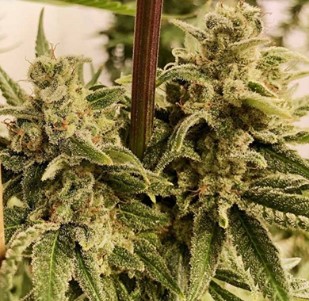
Lineage
- Genetics: Panama Red × Green Panama × Panama Gold (landrace sativas)
- Type: 100% Sativa
- THC Content: 15–21% (varies by phenotype)
- CBD Content: <1%
- CBG: ~0.5–1%
- Flowering Time: 10–13 weeks (outdoor late harvest)
- Aroma/Flavor: Incense, red fruit, anise, sweet citrus, floral earthiness
Panama’s high-energy lineage makes it ideal for daytime use, creative pursuits, and mental focus, while also providing a unique therapeutic profile rooted in its stimulating cannabinoids and uplifting terpenes.
Cannabinoid and Terpene Profile
A. Major Cannabinoids
| Cannabinoid | Average % | Primary Actions |
|---|---|---|
| THC | 15–21% | CB1 agonist, psychoactive, analgesic |
| CBD | <1% | Indirect ECS modulator, anxiolytic |
| CBG | ~0.5–1% | Neuroprotective, anti-inflammatory |
| CBC | ~0.2–0.5% | Mood-elevating, anti-inflammatory |
| THCV | Trace | CB1 modulator, appetite regulation |
Panama is THC-dominant with low but notable amounts of CBG and trace CBC, suggesting a cannabinoid synergy favorable for mood, focus, and pain relief without excessive sedation.
B. Dominant Terpenes
| Terpene | Aroma/Flavor | Therapeutic Role |
|---|---|---|
| Limonene | Citrus, lemon zest | Anti-anxiety, mood lift |
| Pinene (α, β) | Pine, herbaceous | Alertness, memory support |
| Myrcene | Earthy, musky | Sedative (low levels in Panama) |
| Terpinolene | Fruity, floral | Uplifting, antioxidant |
| Ocimene | Sweet, woody, herbal | Decongestant, antifungal |
This terpene profile supports clear-headed, focused effects and contributes to Panama’s invigorating and therapeutic action, particularly in neurological and mood-related contexts.
Mechanisms of Action: How Panama Works in the Body
A. Endocannabinoid System (ECS)
Panama’s THC content activates CB1 receptors, found mainly in the brain and spinal cord. This leads to:
- Reduced pain perception
- Elevated dopamine and serotonin
- Stimulation of the cerebral cortex (creativity, memory, executive function)
Minor cannabinoids and terpenes (e.g., CBG, limonene, pinene) interact with:
- CB2 receptors: Anti-inflammatory immune modulation
- TRP channels: Nociception and thermoregulation
- 5-HT1A receptors: Anxiolytic and antidepressant effects
- Acetylcholine pathways: Enhanced cognitive function (pinene)
The result is multi-layered physiological effects, supporting Panama’s medical use in mood, pain, inflammation, and cognitive health.
Medical Uses of Panama Strain
I. Chemical Composition Relevant to Therapeutic Use
A. Cannabinoids in Panama
Panama is a THC-dominant pure sativa, typically containing:
| Cannabinoid | Approximate Concentration | Medical Role |
|---|---|---|
| THC | 15–21% | CB1 agonist – pain relief, mood elevation, appetite stimulation |
| CBD | <1% | Modulates THC, anti-anxiety, anti-inflammatory |
| CBG | ~0.5–1% | Neuroprotective, anti-inflammatory, TRPV1 modulation |
| CBC | ~0.2–0.5% | Mood regulation, inflammation control |
| THCV | Trace | Appetite modulation, potential anti-anxiety effects |
B. Terpene Profile
Panama’s distinctive aroma and effects are heavily influenced by its terpene content, which also contributes to its medical properties:
| Terpene | Effect |
|---|---|
| Limonene | Antidepressant, anxiolytic, enhances serotonin |
| Pinene | Cognitive enhancement, bronchodilator, anti-inflammatory |
| Terpinolene | Uplifting, antioxidant, neuroprotective |
| Myrcene | Mild sedative, muscle relaxant (less dominant in Panama) |
| Ocimene | Antiviral, antifungal, respiratory support |
II. Mechanisms of Action: How Panama Exerts Medical Effects
A. Endocannabinoid System (ECS) Interaction
Panama’s THC content directly activates CB1 receptors in the brain and spinal cord, affecting:
- Pain modulation
- Mood and emotion regulation
- Memory and attention
CB2 receptor interactions (via minor cannabinoids like CBG and CBC) modulate:
- Immune response
- Inflammation regulation
- Peripheral nerve signaling
B. TRP Channels and Neurotransmitter Systems
- TRPV1 and TRPA1: Modulated by CBG and CBC to reduce pain and inflammation.
- 5-HT1A receptors: Targeted by CBD, limonene, and indirectly by THC — reduces anxiety and elevates mood.
- GABA-A and dopamine pathways: Influenced by terpenes like linalool and limonene, producing calming and uplifting effects.
III. Condition-Specific Therapeutic Potential
1. Chronic Pain and Neuropathic Conditions
Mechanism:
- THC activates CB1 receptors to reduce nociceptive signaling in the central nervous system.
- CBG and CBC activate TRP channels and inhibit inflammatory enzymes (COX-2), helping with neuropathic and inflammatory pain.
- Terpenes like pinene and ocimene contribute anti-inflammatory and bronchodilatory support.
Applications:
- Neuropathic pain (e.g., diabetic, MS-related)
- Chronic lower back pain
- Migraines and cluster headaches
- Inflammatory pain (mild to moderate)
Scientific Insight: Unlike sedating indica strains, Panama offers functional pain relief without impairing cognition — making it suited for daytime therapeutic use.
2. Depression and Mood Disorders
Mechanism:
- Limonene enhances serotonin and dopamine activity in key brain regions (e.g., prefrontal cortex, limbic system).
- THC increases dopaminergic tone in the mesolimbic reward system, contributing to mood elevation.
- Terpinolene and CBC may support neurogenesis and reduce neuroinflammation associated with depression.
Applications:
- Mild to moderate depression
- Seasonal Affective Disorder (SAD)
- Low motivation/apathy
Scientific Insight: Cannabis strains like Panama with high limonene and moderate THC content are often reported by patients to lift mood and reduce ruminative thinking, without causing mental fog or sedation.
3. Anxiety and Stress-Related Disorders
Mechanism:
- At low doses, THC calms hyperactive circuits in the amygdala (fear center) via CB1.
- Limonene and trace CBD enhance 5-HT1A receptor activity, promoting anxiolysis.
- Pinene supports alert calmness by preserving acetylcholine, improving cognitive control over anxiety.
Applications:
- Generalized anxiety disorder (GAD)
- Social anxiety (situational use)
- Stress-related insomnia
Note: Dosing must be carefully titrated, as high doses of THC may exacerbate anxiety.
4. Fatigue and Cognitive Fog
Mechanism:
- THC increases dopamine and norepinephrine release, promoting wakefulness and motivation.
- Pinene inhibits acetylcholinesterase, supporting short-term memory and executive function.
- Terpinolene has stimulatory and antioxidant properties.
Applications:
- Chronic Fatigue Syndrome (CFS)
- Cognitive fog in depression or autoimmune disorders
- Low energy due to stress or burnout
Scientific Context: Unlike sedative strains, Panama is suited for daytime use where mental clarity and energy are important therapeutic goals.
5. Appetite Loss and GI Distress
Mechanism:
- THC activates hypothalamic CB1 receptors, triggering ghrelin secretion and hunger.
- Limonene and ocimene may help with digestive motility and nausea relief.
- CBG has been shown to calm GI inflammation in IBD animal models.
Applications:
- Appetite stimulation in cancer/HIV patients
- Chemotherapy-induced nausea
- IBS/IBD-related appetite suppression
Clinical Insight: While not as munchie-inducing as heavy indicas, Panama still provides clean appetite stimulation with the added benefit of cognitive clarity.
6. Inflammation and Neuroprotection
Mechanism:
- Minor cannabinoids (CBG, CBC) act on CB2, PPARγ, and TRP channels to reduce inflammatory cytokines and oxidative stress.
- Terpenes like terpinolene and ocimene have anti-inflammatory, antifungal, and antioxidant properties.
Applications:
- Mild autoimmune inflammation
- Neurodegenerative protection (early-stage)
- Post-viral fatigue or inflammation (e.g., long COVID)
Scientific Note: Panama’s anti-inflammatory effects are subtle but broad, making it a good addition to multimodal treatment approaches.
IV. Pharmacokinetics and Medical Dosing
Delivery Methods and Onset
| Method | Onset | Duration | Use Case |
|---|---|---|---|
| Inhalation | 3–5 min | 2–4 hours | Fast relief, dose titration |
| Tincture | 15–30 min | 4–6 hours | Discreet, controllable dosing |
| Edible | 60–90 min | 6–8+ hours | Long-lasting symptom coverage |
Suggested Medical Dosing
| Condition | THC (mg) Range | Notes |
|---|---|---|
| Pain | 5–15 mg | Titrate; best with partial CBG/CBC presence |
| Anxiety | 2.5–7.5 mg | Use low dose; avoid overconsumption |
| Depression/Fatigue | 5–10 mg | Morning/midday dosing preferred |
| Appetite Support | 5–10 mg | 30–45 min before meals |
| Cognitive Fog/ADHD | 2.5–5 mg | Low dose preserves focus |
Start low, go slow — especially for new users or those with THC sensitivity. Panama’s cerebral stimulation may be overwhelming in high doses.
V. Safety, Side Effects, and Contraindications
Common Side Effects
- Dry mouth and eyes
- Increased heart rate (transient)
- Dizziness at high doses
- Anxiety/paranoia in THC-sensitive individuals
Cautions and Contraindications
- Psychosis/Bipolar I: THC may exacerbate symptoms
- Severe cardiovascular disease: Monitor for tachycardia
- Pregnancy/Lactation: Not recommended (due to limited data)
- Adolescents: Avoid due to risk of THC impact on neurodevelopment
Drug Interactions
Monitor patients on benzodiazepines, opioids, or antidepressantslammatory support via non-CB1 pathways.
THC and CBD may affect CYP450 enzymes (e.g., warfarin, SSRIs)
Recreational Effects and Subjective Experience
Onset and Duration
- Inhalation: Effects begin within 3–5 minutes; peak ~30–45 mins.
- Edible: Onset in 60–90 minutes; effects last 4–6 hours.
Reported Effects
- Euphoric and uplifted
- Energetic and talkative
- Clear-headed and mentally active
- Enhanced color, sound, and tactile perception
Creative and Social Enhancement
Ideal for:
- Music, painting, writing
- Social gatherings
- Outdoor adventures
- Daytime use with intention
Warning: In sensitive users or at high doses, THC may cause racing thoughts, dry mouth, or overstimulation.
Cultivation Science of Panama
I. Panama’s Morphology and Growth Behavior
Panama is a true tropical sativa, derived from Central American landrace genetics. It exhibits classic photoperiod sensitivity, vigorous vertical growth, and long inter-nodal spacing. These characteristics define its unique growing needs.
Key Morphological Traits:
| Trait | Description |
|---|---|
| Growth habit | Tall, branchy, columnar structure |
| Leaf morphology | Narrow-fingered, light green, sativa-type |
| Internodal spacing | Long (~5–10 cm) |
| Stretch (post flip) | 200–300% |
| Bud structure | Airy, foxtailed (prevents mold in humidity) |
| Trichome coverage | Moderate; high terpene density in late flower |
Botanical Insight: Panama’s phenotype is adapted to high-UV, equatorial climates, which contributes to its photoperiod sensitivity and resin production under specific stress conditions.
II. Environmental Parameters and Climate Control
A. Temperature and Humidity Needs
As a tropical sativa, Panama thrives in warm, semi-humid environments with consistent day/night temperatures.
| Growth Stage | Day Temp (°C) | Night Temp (°C) | RH (%) | VPD (kPa) |
|---|---|---|---|---|
| Vegetative | 24–30 | 20–24 | 60–75 | 0.8–1.2 |
| Flowering | 22–28 | 18–22 | 45–55 | 1.2–1.5 |
| Ripening | 20–26 | 16–20 | 40–50 | 1.3–1.6 |
Scientific Insight: Maintaining proper VPD ensures stomatal regulation, optimal transpiration, and resin development, particularly during late flowering.
B. Lighting and Photoperiod
Panama is a long-day photoperiod strain, requiring strict light control to induce flowering.
| Growth Stage | Light Schedule | PPFD (µmol/m²/s) | Spectrum |
|---|---|---|---|
| Vegetative | 18/6 | 400–600 | Blue-heavy (450–470 nm) |
| Flowering | 12/12 | 700–900 | Red-heavy (630–680 nm) + UV-B |
| Ripening | 11/13 or 10/14 | 800–1000 | Full + UV-A/B (stress boost) |
Adding UV-B during weeks 9–13 of flowering triggers glandular trichome proliferation and enhances terpene biosynthesis, mimicking high-UV native habitats.
III. Soil/Substrate and Root Zone Management
A. Recommended Media
| Substrate Type | Advantages |
|---|---|
| Living Soil | Supports secondary metabolite expression via microbe–root interaction |
| Coco Coir + Perlite (70/30) | Excellent for controlled feeding and faster growth |
| Aerated Soilless Mix | Works well for long flowering strains needing drainage |
Use mycorrhizal inoculants at transplant for sativa strains to boost root expansion and nutrient uptake efficiency during the long vegetative stage.
B. pH and EC Guidelines
| Medium | Ideal pH | EC (Veg) | EC (Flower) |
|---|---|---|---|
| Soil | 6.2–6.8 | 1.2–1.6 | 1.8–2.2 |
| Coco | 5.8–6.2 | 1.4–1.8 | 2.0–2.4 |
IV. Nutrient Regimen and Feeding Schedule
Panama requires moderate macronutrients, with a strong emphasis on micronutrients in late flower.
A. Macronutrients (NPK) Strategy
| Growth Stage | N | P | K | Key Notes |
|---|---|---|---|---|
| Vegetative | High | Medium | High | Promotes strong stem + leaf growth |
| Early Flower | Medium | High | High | Enhances bud initiation |
| Late Flower | Low | High | Very High | Encourages oil and trichome production |
Avoid nitrogen-heavy feeds in flowering. Excess N delays ripening and inhibits terpene production.
B. Micronutrient Focus
- Calcium & Magnesium (Cal-Mag): Essential for photosynthesis and bud structure.
- Sulfur: Crucial for terpene synthesis (e.g., thiol-rich volatiles).
- Manganese & Zinc: Support metabolic activity during flowering.
Apply magnesium sulfate (Epsom salt) as a foliar feed in early flower to support chlorophyll function and terpene synthesis.
V. Plant Training and Canopy Management
Panama grows tall and vigorously — control is key.
A. Training Techniques
| Method | Benefit | Timing |
|---|---|---|
| Topping | Controls vertical height, promotes side branching | Week 3–5 Veg |
| LST (Low-Stress Training) | Spreads canopy, improves light exposure | Continuous |
| SCROG | Ideal for tall sativas; horizontal canopy | Late Veg |
| Supercropping | Stress-induced terpene increase | Early Flower |
Use defoliation sparingly, as Panama’s internodal spacing already allows airflow. Remove only fan leaves blocking bud sites.
VI. Flowering and Ripening Dynamics
A. Flowering Timeline (Indoor)
| Week | Developmental Milestone |
|---|---|
| 1–2 | Stretch begins; pistils emerge |
| 3–5 | Bud stacking starts; trichome formation begins |
| 6–9 | Terpene profile intensifies |
| 10–13 | Resin production peaks; foxtailing may occur |
Panama is resinous but not dense, favoring aerated buds that resist mold — ideal for humid climates.
B. Trichome Maturity Monitoring
| Trichome Color | Cannabinoid Stage | Effect Profile |
|---|---|---|
| Clear | Immature, THCA forming | Mild, speedy |
| Cloudy (milky) | Peak THC | Energetic, alert |
| Amber | THC → CBN conversion | Sedative, body-heavy |
Ideal Harvest Point: 90–95% cloudy, <10% amber for stimulating effects.
VII. Drying, Curing, and Terpene Preservation
A. Drying Conditions
| Variable | Ideal Range |
|---|---|
| Temp | 60–65°F (15–18°C) |
| Humidity | 55–60% RH |
| Time | 10–14 days |
| Light | Total darkness |
Slow drying prevents terpene volatilization, especially for terpinolene and pinene, which are highly volatile.
B. Curing Protocol
- Use glass jars with 62% RH packs
- Burp daily for first 2 weeks
- Total cure time: minimum 4 weeks, optimal at 8+
Curing enhances flavor, smoothness, and aroma complexity, and stabilizes THCA for long-term storage.
VIII. Pests, Mold, and IPM (Integrated Pest Management)
Panama’s open bud structure helps prevent mold, but IPM is essential, especially in humid indoor or outdoor setups.
Common Threats and Management
| Threat | Prevention / Treatment |
|---|---|
| Powdery Mildew | Airflow, silica foliar sprays, potassium bicarbonate |
| Spider Mites | Neem (veg only), predatory mites |
| Bud Rot | Avoid dense canopies; maintain airflow |
| Fungus Gnats | Dry topsoil, yellow traps, BTI (mosquito bits) |
Avoid chemical pesticides after Week 3 of flower. Opt for biocontrols and organic IPM to protect terpene integrity.
IX. Yield Optimization and Resin Production
Resin-Boosting Techniques (Weeks 9–13)
- UV-B Lighting: Stimulates trichome growth through DNA stress pathways.
- Sulfur Supplementation: Boosts terpene sulfide production.
- Cold Nights (18°C): Enhances anthocyanin and flavonoid content.
- Flush (final 10–14 days): Removes excess salts and improves flavor.
Proper stress management during late flower promotes secondary metabolite expression, including limonene, pinene, and THCA.
X. Summary: Cultivating Panama with Scientific Precision
| Category | Best Practice |
|---|---|
| Morphology | Tall, stretch-prone sativa |
| Flowering Time | 10–13 weeks |
| Lighting | 700–1000 PPFD + UV-B |
| Climate | Warm, tropical; RH 45–60% in flower |
| Nutrients | Low N, high K/P in flower; Mg, S, Ca essential |
| Training | SCROG, LST, topping |
| Resin/Terpene Strategy | Cold nights, UV-B, sulfur boost, long cure |
Safety, Contraindications, and Side Effects
Side Effects
- Dry mouth and dry eyes
- Dizziness at high doses
- Short-term memory disruption
- Rare anxiety or paranoia (high doses)
Risk Factors
- Psychosis: Avoid in individuals with schizophrenia or bipolar I
- Heart conditions: THC may elevate HR
- Drug interactions: CYP450 inhibition (especially CBD-rich phenotypes)
Dependency and Tolerance
- Sativas like Panama may lead to tolerance if used daily
- Risk of cannabis use disorder exists with chronic overuse
- Tolerance breaks (3–7 days) restore responsiveness
Comparative Use and Suitability
Compared to Indica Strains
| Effect | Panama (Sativa) | Indica (e.g., Afghan Kush) |
|---|---|---|
| Energy | High | Low |
| Focus | Sharp | Sedated |
| Appetite | Moderate | High |
| Pain Relief | Neuropathic | Muscular/skeletal |
| Best Time | Day | Night |
Ideal Users
- Creatives, professionals, students (dose-aware)
- Patients needing functional relief (e.g., fatigue, mood)
- Those seeking stimulation without the jitteriness of stimulants
Summary: Panama as a Therapeutic and Functional Sativa
Panama offers a unique synthesis of clarity, stimulation, and mood support rooted in its rich THC-limonene-pinene synergy and supporting cannabinoids (CBG, CBC). Its effects reflect the classic cerebral sativa profile, but with less anxiety risk than many modern hybrids, making it ideal for:
- Chronic pain without sedation
- Mood disorders with fatigue or apathy
- Cognitive enhancement and focus
- Daytime therapeutic use
- Creative and recreational activities
When properly cultivated, dried, and dosed, Panama represents a scientifically and botanically balanced sativa that bridges legacy cannabis genetics with modern therapeutic expectations.
For a complete directory of cultivars, visit our Cannabis Strain Reviews.
