Table of Contents
Pamelina is a powerful, indica-dominant hybrid cannabis strain of superior grade. Pamelina has become well-liked by both medical and recreational cannabis users because to its potent cerebral high and profound calming effects. This strain is relatively rare and has been cultivated by specialized breeders to provide a unique balance of therapeutic benefits and recreational pleasure.
Everything you need to know about Pamelina will be covered in this book, including its genetics, terpene profile, cannabinoid content, specific medical benefits, recreational uses, and a comprehensive scientific breakdown.
1. Origins and Genetics of Pamelina
Pamelina is a proprietary strain developed by Colorado-based breeder Rare Dankness. This strain is a cross between:
- Girl Scout Cookies (GSC) – A well-known hybrid with a long-lasting high, dessert-like flavor, and euphoric effects.
- Rare Dankness #2 – A lesser-known but highly potent strain, recognized for its strong indica characteristics.
This cross produces an indica-leaning hybrid that provides profound relaxation and a strong mental buzz. Pamelina is genetically structured to have a high THC content, often exceeding 25%, making it a highly potent choice for experienced users.
2. Appearance, Aroma, and Flavor Profile
Appearance
Pamelina’s buds are visually striking, often displaying:
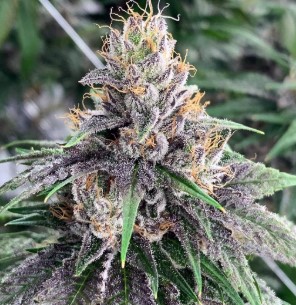
- Compact, dense nugs that are characteristic of indica strains and have a closely packed structure.
- Deep green leaves with blue and purple undertones, particularly in colder climates.
- A thick layer of frosty trichomes, indicating its high potency.
- Bright orange pistils that contrast with the dark green and purple hues.
Aroma
Pamelina is known for its strong and complex aroma that combines sweet, earthy, and diesel-like scents. The most dominant aromas include:
- Sweet cookie dough from its GSC heritage.
- Earthy pine and floral undertones, giving it a natural and rich scent.
- Diesel and skunky notes, which add to its rich, intense scent.
Flavor Profile
When smoked or vaped, Pamelina delivers a rich and layered flavor:
- Sweet and nutty on the inhale, reminiscent of baked goods.
- Hints of vanilla and spice, it is smooth and flavorful with hints of spice and vanilla.
- Diesel-like aftertaste, providing a powerful, enduring finish.
The combination of sweet and pungent flavors makes Pamelina a favorite among connoisseurs.
3. Cannabinoid and Terpene Profile
Cannabinoid Content
Pamelina has a low CBD level and a high THC value. Its typical cannabinoid profile includes:
- THC: 24–28% (under ideal circumstances, up to 30%)
- CBD: 0.1–0.5%
- CBG: 1–2% (providing anti-inflammatory benefits)
Terpene Profile
Terpenes play a crucial role in Pamelina’s effects and medicinal benefits. This strain’s predominant terpenes are:
- Caryophyllene (Spicy, peppery) – Anti-pain and anti-inflammatory qualities.
- Limonene (Citrusy, sweet) – Uplifting and alleviating of tension.
- Myrcene (Herbal, earthy) – Calming effects that promote relaxation.
- Linalool (Floral, lavender) – Anti-anxiety and sleep-inducing properties.
- Humulene (Woody, earthy) – Anti-inflammatory and appetite suppressing properties.
The potent body high, mood improvement, and pain-relieving effects of Pamelina are attributed to these terpenes.
4. Effects of Pamelina Cannabis Strain
Onset and Duration
- Onset: 5–10 minutes (when smoked or vaped)
- Peak Effects: 30–45 minutes after consumption
- Total Duration: 2–4 hours, with residual relaxation lasting up to 6 hours.
Recreational Effects
Pamelina is a powerful indica-dominant hybrid that delivers a deeply relaxing and euphoric experience. The effects include:
- Euphoria & Mental Clarity:
- Initial rush of euphoria and uplifted mood.
- Improved early-stage mental clarity and inventiveness.
- Deep Body Relaxation:
- Relaxing of the muscles and a tranquil, peaceful impact.
- Perfect for relaxing after a demanding day.
- Mild Sedation & Couch-Lock:
- As the high progresses, users may feel heavy-limbed and sleepy.
- Ideal for usage at night or in the evening.
- Enhanced Sensory Perception:
- Heightened appreciation for music, art, and food.
- Mild psychedelic effects in high doses.
Potential Side Effects
Like any potent strain, Pamelina comes with potential side effects:
- Dry mouth & dry eyes (common with high-THC strains).
- Dizziness or paranoia (if consumed in high doses).
- Sedation and couch-lock (may not be suitable for daytime use).
5. Medical Applications of Pamelina
Pamelina, an indica-dominant hybrid, possesses high THC levels (24–30%) and a complex terpene profile that helps explain its many therapeutic benefits. The strain affects several physiological and neurological pathways through interactions with the endocannabinoid system (ECS).
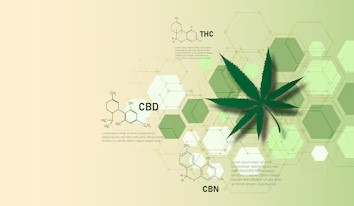
A thorough scientific analysis of Pamelina’s therapeutic uses, modes of action, and pertinent studies proving its therapeutic benefits may be found below.
Interaction with the Endocannabinoid System (ECS)
Pamelina’s medical effects are primarily due to its cannabinoid and terpene profile, which interact with:
- CB1 Receptors (Central Nervous System) → Mood, pain perception, and sleep.
- CB2 Receptors (Peripheral Nervous System & Immune System) → Inflammation and immune modulation.
Medical Applications of Pamelina
A. Chronic and Neuropathic Pain Management
Mechanism of Action:
- By attaching itself to CB1 receptors, THC alters central nervous system pain signals.
- Caryophyllene (β-caryophyllene) binds to CB2 receptors, reducing inflammation.
- Myrcene enhances the “entourage effect”, increasing analgesic properties.
Scientific Evidence:
- A study published in the Journal of Pain Research (2020) found that high-THC strains (>20%) significantly reduce neuropathic pain by modulating pain pathways.
- Caryophyllene has been shown to act as a CB2 receptor agonist, reducing inflammatory responses in Frontiers in Pharmacology (2018).
Conditions Treated:
- Neuropathic pain (nerve damage, fibromyalgia, multiple sclerosis).
- Chronic pain (arthritis, back pain, migraines).
- Post-operative pain management.
B. Anxiety, PTSD, and Mood Disorders
Mechanism of Action:
- Linalool & Limonene act on GABA-A receptors, promoting relaxation.
- THC increases dopamine, temporarily improving mood.
- By regulating amygdala activity, CB1 activation lowers stress and anxiety.
Scientific Evidence:
- A study in Neurotherapeutics (2020) found that cannabinoids regulate stress-induced anxiety by modulating the hypothalamic-pituitary-adrenal (HPA) axis.
- Research in Frontiers in Neuroscience (2021) found that limonene has anxiolytic effects similar to benzodiazepines.
Conditions Treated:
- Generalized Anxiety Disorder (GAD).
- Post-Traumatic Stress Disorder (PTSD).
- Major Depressive Disorder (MDD).
- Social Anxiety Disorder (SAD).
Caution:
- High doses of THC can induce paranoia in some patients. Low-to-moderate doses (5–10 mg THC) are recommended.
C. Sleep Disorders & Insomnia
Mechanism of Action:
- By interacting with the hypothalamic CB1 receptors, THC reduces sleep latency, or the amount of time it takes to fall asleep.
- Myrcene promotes deep sleep by intensifying sedative effects.
- Linalool modulates serotonin receptors (5-HT1A), reducing sleep disturbances.
Scientific Evidence:
- Journal of Clinical Sleep Medicine (2019) reported that myrcene enhances sleep duration and quality.
Conditions Treated:
- Insomnia & sleep disturbances.
- Restless leg syndrome (RLS).
- Circadian rhythm disorders.
D. Appetite Stimulation & Gastrointestinal Disorders
Mechanism of Action:
- THC increases hunger by activating the hypothalamic CB1 receptors.
- Caryophyllene and limonene help with digestion by reducing inflammation in the intestines.
- CB1 activation slows gut motility, reducing nausea.
Scientific Evidence:
- Cannabis and Cannabinoid Research (2020) confirmed that THC raises ghrelin (hunger hormone), contributing to appetite stimulation.
- According to Gastroenterology (2018), cannabis lessen inflammation in IBS and Crohn’s disease.
Conditions Treated:
- Wasting syndrome, or cachexia, in HIV/AIDS and cancer patients.
- Nausea and vomiting (chemotherapy-induced nausea).
- Crohn’s disease with irritable bowel syndrome (IBS).
E. Anti-Inflammatory & Autoimmune Benefits
Mechanism of Action:
- CB2 receptor activation suppresses pro-inflammatory cytokines.
- Humulene and Caryophyllene inhibit NF-kB pathways, reducing inflammation.
- CBD (in small amounts) synergizes with THC, reducing autoimmune response.
Scientific Evidence:
- The British Journal of Pharmacology (2019) found that CB2 activation reduces inflammation in rheumatoid arthritis.
- Nature Reviews Immunology (2021) concluded that cannabinoids modulate the immune system, reducing autoimmune disorders.
Conditions Treated:
- Arthritis & Rheumatoid Arthritis (RA).
- Multiple Sclerosis (MS).
- Lupus & Autoimmune Disorders.
F. Anti-Cancer Potential
Mechanism of Action:
- Apoptosis, or the death of cancer cells, is induced by THC and CBD.
- Caryophyllene inhibits tumor growth pathways.
- CB2 activation suppresses cancer proliferation.
Scientific Evidence:
- Apoptosis, or the death of cancer cells, is induced by THC and CBD.
Conditions Studied:
- Glioblastoma (brain cancer).
- Breast & Prostate Cancer.
- Leukemia & Lymphoma.
Potential Risks & Side Effects
Although Pamelina has strong medicinal benefits, certain risks exist, particularly for THC-sensitive individuals.
| Side Effect | Cause | Prevention |
|---|---|---|
| Paranoia/Anxiety | High THC activating amygdala | Use low-dose THC (<10mg), pair with CBD. |
| Dizziness | Vasodilation effect | Stay hydrated, consume slowly. |
| Dry Mouth & Eyes | THC reduces saliva production | Use hydrating eye drops and drink water. |
| Short-Term Memory Impairment | CB1 receptor activity in hippocampus | Avoid excessive doses. |
| Dependence (Long-Term Use) | Dopamine system modulation | Use intermittently, not daily. |
Dosage Guidelines for Medical Use
For therapeutic effects, precise dosing is crucial.
| Condition | Recommended Dose (THC) | Best Consumption Method |
|---|---|---|
| Chronic Pain | 10–25 mg/day | Vaporization or Edibles |
| Anxiety/PTSD | 2.5–10 mg/day | Low-dose Tinctures |
| Insomnia | 10–15 mg before bed | Edibles or Tinctures |
| Appetite Stimulation | 5–15 mg before meals | Vaporization |
| Anti-Inflammatory | 10–20 mg/day | Vaporization or Capsules |
6. Scientific Perspectives: The Function of Pamelina in the Body
Pamelina’s interactions with the endocannabinoid system (ECS) are the main cause of its effects, which regulates pain, mood, sleep, and immune response.
1. The way in which CB1 and CB2 receptors interact
- THC produces bliss and relaxation by binding to the brain’s CB1 receptors.
- Even in small doses, CBD reduces inflammation via interacting with CB2 receptors.
Terpenes Function in Boosting Effects
- Caryophyllene (only terpene that directly binds to CB2 receptors) helps reduce pain and inflammation.
- Limonene & Linalool influence serotonin and dopamine, improving mood and reducing anxiety.
- Myrcene enhances the “couch-lock” effect, increasing sedation.
3. Synergistic Effect (Entourage Effect)
The combination of THC, minor cannabinoids (CBG, CBN), and terpenes enhances Pamelina’s potency, making it more effective than THC alone.
7. Ideal Consumption Methods
Depending on the desired impact, Pamelina can be ingested in a variety of ways.
Smoking (Joints, Pipes, Bongs)
- Fast onset (5–10 minutes).
- Strong, immediate effects.
- Ideal for fast-acting pain treatment or recreational use.
Vaping
- Cleaner, smoother experience.
- Preserves terpene profile.
- Perfect for people looking for a tasty experience.
Edibles (Gummies, Brownies, Tinctures)
- Longer-lasting effects (4–8 hours).
- Delayed onset (30–90 minutes).
- Best for sleep disorders and chronic pain.
8. Growing Information
Growing Pamelina requires a scientific approach to maximize its potency, terpene profile, and yield. Given its indica-dominant genetics and high THC content, optimal cultivation techniques must focus on pest control, fertilizer management, and regulated environmental conditions.
1. Understanding Pamelina’s Genetic Requirements
As an indica-dominant hybrid, Pamelina’s development habits and needs are similar to those of other indica-leaning strains:
- Compact structure with dense foliage → Requires defoliation to enhance airflow.
- Moderate stretch during flowering → Ideal for SCROG (Screen of Green) techniques.
- Resin-heavy buds → To avoid mold, exact humidity management is necessary.
To achieve the best results, growers must optimize temperature, humidity, lighting, nutrients, and training methods.
2. Optimal Growing Conditions
To cultivate Pamelina successfully, it is essential to replicate its ideal environment. It thrives in a controlled indoor setup, but can also perform well outdoors in warm, dry climates.
Temperature and Humidity Control
| Growth Stage | Temperature (°C) | Humidity (%) | Notes |
|---|---|---|---|
| Seedling Stage | 22–26°C | 65–75% | High humidity ensures proper germination. |
| Vegetative Stage | 24–28°C | 50–60% | Slightly drier air prevents mold. |
| Flowering Stage | 22–26°C | 40–50% | Lower humidity enhances resin production. |
| Late Flowering | 18–24°C | 30–40% | Mimicking fall temperatures boosts anthocyanins (purple hues). |
Scientific Rationale:
- In late flowering, falling nighttime temperatures promotes the synthesis of anthocyanins, which intensifies the purple hue of Pamelina’s buds.
- Keeping humidity below 50% in flowering prevents botrytis (bud rot).
Lighting Requirements
| Growth Stage | Light Type | PPFD (μmol/m²/s) | Light Cycle |
|---|---|---|---|
| Seedling | CFL/LED | 100–200 | 18/6 or 20/4 |
| Vegetative | LED/HPS | 400–700 | 18/6 |
| Early Flowering | LED/HPS | 700–900 | 12/12 |
| Late Flowering | LED/HPS | 900–1000 | 12/12 |
- Best Light Type: LED grow lights with a full spectrum (between 3500K and 4000K).
- Optimal PPFD for Flowering: 900–1000 μmol/m²/s to increase resin production.
- UV-B Exposure: Trichome density is increased by applying UV-B light during the last two weeks of flowering.
Scientific Rationale:
- Higher PPFD in flowering improves terpene expression and cannabinoid biosynthesis.
- UV-B stress stimulates trichome development, increasing THC content.
3. Cultivation Medium and Nutrients
Pamelina performs well in different growing mediums, but hydroponics and super soil provide the best results.
Growing Mediums:
| Medium | Pros | Cons |
|---|---|---|
| Coco Coir | Faster growth, better oxygenation. | Requires daily feeding. |
| Soil (Super Soil Mix) | Enhances terpene profile, retains moisture. | Slower growth than hydroponics. |
| Hydroponics (DWC, NFT, Aeroponics) | Maximum yield, precise nutrient control. | Risk of root rot, requires pH monitoring. |
- Best Medium for Terpenes: Organic soil with microbial life enhances aroma.
- Hydroponics (also known as Deep Water Culture, or DWC) is the best medium for high yields.
Essential Nutrient Management
Different nutrients are needed by cannabis during the vegetative and blooming stages.
| Growth Stage | N (Nitrogen) | P (Phosphorus) | K (Potassium) | Notes |
|---|---|---|---|---|
| Seedling | Low | Low | Low | Use diluted seaweed extract. |
| Vegetative | High | Medium | Medium | Boost nitrogen for leaf growth. |
| Early Flower | Medium | High | High | Increase phosphorus for bud sites. |
| Late Flower | Low | High | High | Reduce nitrogen to prevent harsh smoke. |
- Beneficial Additives:
- Silica: Strengthens cell walls, improving resistance to stress.
- Mycorrhizal fungi: Enhances root nutrient uptake.
- Amino acids: Improve terpene biosynthesis.
Scientific Rationale:
- Excess nitrogen in flowering leads to chlorophyll retention, affecting smoke quality.
- High potassium and phosphorus levels maximize resin synthesis and bud density.
4. Advanced Cultivation Techniques for Pamelina
Training techniques and CO₂ supplementation are crucial to maximizing Pamelina’s productivity and potency.
Training Techniques
| Method | Purpose | Best Growth Stage |
|---|---|---|
| Topping | Increases lateral growth. | Early vegetative. |
| Low-Stress Training (LST) | Maximizes light exposure. | Mid vegetative. |
| Screen of Green (SCROG) | Enhances canopy control. | Late vegetative. |
| Defoliation | Improves airflow. | Early flowering. |
- Best for Yield: SCROG.
- Best for Resin Production: Selective Defoliation (Removing large fan leaves to expose lower buds to light).
CO₂ Supplementation
| CO₂ PPM Level | Growth Stage | Benefits |
|---|---|---|
| 400 PPM | Ambient Air | Normal growth. |
| 1000-1200 PPM | Vegetative | Faster leaf and root growth. |
| 1200-1500 PPM | Flowering | Increases yield and THC content. |
- How to Implement CO₂: To keep levels stable, use CO₂ tanks equipped with exhaust fans and a regulator.
Scientific Rationale:
- CO₂ levels at 1200+ PPM improve photosynthesis efficiency, leading to larger and more resinous buds.
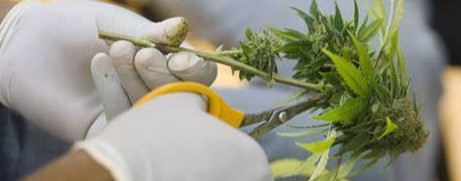
5. Gathering and Curing to Get the Most Potency
The right harvesting, drying, and curing methods must be used to preserve Pamelina’s high THC and terpene content.
Harvesting Indicators
- Trichomes: Milky white with 10–20% amber.
- Pistils: 70–80% brown/orange.
- Leaf Yellowing: Natural fade indicates peak maturity.
Drying Process
| Factor | Optimal Condition |
|---|---|
| Temperature | 18–22°C |
| Humidity | 50–60% |
| Air Circulation | Gentle airflow (No direct fans) |
| Duration | 7–14 days |
Scientific Rationale:
- Slow drying preserves terpenes.
- Fast drying degrades cannabinoids.
Curing Process
| Factor | Optimal Condition |
|---|---|
| Container | Glass jars with humidity packs |
| Humidity | 58–62% |
| Burping | 2–3 times daily (1st week), then once daily |
| Duration | 2–8 weeks (longer = smoother smoke) |
Scientific Rationale:
- Proper curing enhances THC stability.
- Curing for 6+ weeks optimizes the terpene profile.
Conclusion
A superior indica-dominant hybrid, Pamelina offers both potent medicinal advantages and a pleasurable recreational high. Whether you’re looking for pain relief, anxiety reduction, or deep relaxation, this strain offers a balanced experience. Due to its high potency, beginners should start with a low dose to gauge tolerance.
For a complete directory of cultivars, visit our Cannabis Strain Reviews.
