Table of Contents
Introduction to Pakistani Chitral Kush (PCK)
Pakistani Chitral Kush (PCK) is a landrace indica strain native to the Chitral region of northern Pakistan. It is widely known for its resinous, colorful buds, making it one of the most sought-after pure indica strains for breeding and medicinal use. PCK has been cultivated in its region for generations, primarily for hash production, due to its high resin content and resistance to harsh environmental conditions.
PCK is a unique landrace indica because of its vivid purple and red coloration, robust structure, and its ability to thrive in diverse climates. Its calming effects, high resistance to mold, and unique terpene profile make it a top choice among breeders and cannabis enthusiasts.
Genetic Lineage and Morphological Characteristics
Genetics
Pakistani Chitral Kush is a pure landrace indica with no hybridization. It has been naturally selected and stabilized over decades in the Hindu Kush mountain range, where it has adapted to extreme weather conditions.
- Type: 100% Indica
- Region of Origin: Chitral Valley, Pakistan
- Cultivation Purpose: Traditionally used for hash production
Morphology
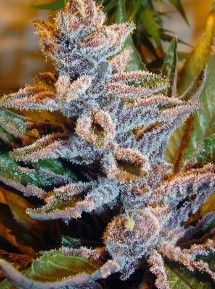
PCK displays classic indica traits:
- Plant Height: Short to medium (80-120 cm indoor, up to 150 cm outdoor)
- Leaf Structure: Broad, dark green to purple-tinged leaves
- Bud Structure: Dense, resin-coated, compact buds
- Colors: Bright green, deep purple, and red hues
- Aroma: Sweet, fruity, and earthy with hints of hash and berries
- Resin Production: Extremely high (ideal for hash production)
Terpene Profile and Flavor Characteristics
Primary Terpenes in PCK
Pakistani Chitral Kush features a rich terpene profile that contributes to its unique aroma and effects.
- Myrcene (Herbal, Earthy) – Sedative, muscle relaxant, anti-inflammatory
- Caryophyllene (Spicy, Peppery) – Anti-inflammatory, stress relief
- Limonene (Citrusy, Sweet) – Mood-enhancing, antidepressant
- Humulene (Woody, Herbal) – Appetite suppressant, anti-inflammatory
- Pinene (Piney, Fresh) – Alertness, bronchodilation
Flavor Profile
Pakistani Chitral Kush has a sweet, earthy, and fruity flavor, with undertones of berries, hash, and pine. When smoked or vaped, it delivers a smooth, hash-like taste, often with grape and berry overtones, making it a delight for connoisseurs.
Cannabinoid Content and Effects
Cannabinoid Breakdown
The cannabinoid profile of PCK varies slightly based on phenotype and cultivation methods, but it generally contains:
- THC: 14-21%
- CBD: 0.5-2%
- CBG: ~1%
- THCV: Trace amounts
Pakistani Chitral Kush is not an extremely high-THC strain but provides a potent, long-lasting body high, typical of strong landrace indicas.
Effects and Potency
PCK is a deeply relaxing and sedating strain with effects that are long-lasting and therapeutic. Due to its moderate THC levels, it is not overwhelmingly psychoactive but delivers a calming, body-focused high.
Primary Effects:
- Relaxation: Deep body relaxation, muscle relief
- Euphoria: Mild euphoria, mood elevation
- Sedation: Sleep-inducing, ideal for night use
- Pain Relief: Effective for chronic pain and inflammation
- Mild Mental Stimulation: Mild cerebral clarity with physical relaxation
Medical Applications
Pakistani Chitral Kush has numerous medicinal applications, primarily due to its indica dominance and balanced cannabinoid-terpene profile.
Primary Medical Uses
- Chronic Pain Relief
- Effective for conditions like arthritis, fibromyalgia, muscle spasms, and migraines due to its anti-inflammatory and analgesic properties.
- Sleep Disorders (Insomnia, Sleep Apnea)
- PCK’s sedative effects make it an excellent natural sleep aid, helping users fall and stay asleep.
- Anxiety and Stress Disorders
- High levels of myrcene and caryophyllene contribute to stress relief, making it useful for GAD (Generalized Anxiety Disorder), PTSD, and panic disorders.
- Appetite Stimulation
- Can benefit individuals with loss of appetite, chemotherapy-induced nausea, or eating disorders.
- Epilepsy and Seizure Disorders
- While Pakistani Chitral Kush is not CBD-rich, its cannabinoid synergy may help reduce seizure frequency when used with CBD-based therapies.
- Inflammatory Conditions
- Beneficial for Crohn’s disease, multiple sclerosis, and other autoimmune inflammatory conditions.
- Neuropathic Pain
- Pakistani Chitral Kush’s combination of THC and CBG is effective in reducing nerve pain associated with diabetes, MS, and spinal injuries.
Recreational Uses
Pakistani Chitral Kush is favored among indica lovers and hash enthusiasts for its distinct high.
Best Recreational Uses
- Relaxation & Stress Relief
- Ideal for evening or nighttime use, providing full-body relaxation and mental calmness.
- Meditation and Yoga
- The mild mental clarity combined with deep relaxation of Pakistani Chitral Kush makes it suitable for meditative and introspective activities.
- Hash and Concentrate Production
- Due to its high resin production, PCK is an excellent choice for making charas, rosin, and hash.
- Creative & Artistic Activities
- Some users report enhanced creativity and introspection, making it suitable for artistic endeavors.
- Social and Couch-Lock Sessions
- Pakistani Chitral Kush can be used in low doses for social relaxation or higher doses for deep couch-lock effects.
Cultivation Information
Environmental Requirements
A. Climate and Temperature
Pakistani Chitral Kush thrives in warm, semi-arid climates, similar to its native environment in Chitral, Pakistan.
- Optimal Temperature Range:
- Day: 22-28°C (72-82°F)
- Night: 15-20°C (59-68°F)
- Can withstand colder temperatures at night, increasing anthocyanin production (causing purple hues).
- Humidity Levels:
- Vegetative Stage: 50-60% RH (Relative Humidity)
- Flowering Stage: 40-50% RH
- Late Flowering: 30-40% RH (to prevent bud rot and enhance resin production)
B. Light Requirements
- Indoor Growing: Requires 600-1000 µmol/m²/s of PPFD (Photosynthetic Photon Flux Density)
- Light Cycle:
- Vegetative Stage: 18/6 or 20/4 (light/dark)
- Flowering Stage: 12/12 (light/dark)
- Outdoor Growing: Best grown in regions with long, dry summers and high UV index to maximize trichome production.
Soil and Nutrient Requirements
A. Soil Composition
Pakistani Chitral Kush thrives in well-draining, nutrient-rich soil with a slightly acidic pH.
- pH Range: 6.0 – 6.5
- Ideal Soil Mix:
- 40% Coco Coir or Peat Moss (for aeration and moisture retention)
- 30% Perlite (for drainage)
- 20% Organic Compost (for nutrients)
- 10% Worm Castings (boosts microbial activity)
B. Nutrient Needs
Pakistani Chitral Kush requires low to moderate feeding, as it is naturally adapted to poor soils.
- Vegetative Stage:
- Nitrogen (N): High
- Phosphorus (P): Moderate
- Potassium (K): Moderate
- Micronutrients: Calcium (Ca), Magnesium (Mg), Zinc (Zn), and Iron (Fe)
- Flowering Stage:
- Nitrogen (N): Low
- Phosphorus (P): High (for bud development)
- Potassium (K): High (for resin and terpene production)
Recommended Organic Nutrients:
- Vegetative Stage: Fish emulsion, bat guano, kelp meal
- Flowering Stage: Bone meal, rock phosphate, molasses (for microbial activity)
Growth Stages and Training Techniques
A. Germination Stage (0-10 days)
- Optimal Germination Temperature: 22-25°C (71-77°F)
- Germination Methods:
- Paper towel method
- Direct soil planting (1-2 cm deep)
B. Vegetative Stage (3-6 weeks)
- Growth is vigorous but compact, typical of indica plants.
- Best Training Techniques:
- Topping: Encourages Pakistani Chitral Kush lateral growth, preventing excessive stretching.
- Low-Stress Training (LST): Increases the amount of light that reaches lower nodes.
- Defoliation: Removing unnecessary fan leaves to improve airflow.
C. Flowering Stage (7-9 weeks)
- Pakistani Chitral Kush naturally produces dense, resinous buds.
- To enhance anthocyanin production (purple colors), lower the nighttime temperature by 5-10°C.
- Best Training Techniques:
- Screen of Green (ScrOG): Spreads out colas for even light distribution.
- Super Cropping: Increases stress response, boosting trichome production.
Resin and Trichome Enhancement Techniques
Pakistani Chitral Kush is legendary for its resin production, making it a top choice for hash and concentrate production. Several scientific methods can enhance trichome density.
A. UV-B Light Exposure
- Research suggests that exposing Pakistani Chitral Kush to UV-B light (280-315 nm) increases THC and terpene levels.
- Best Application:
- Introduce UV-B light during the last 3 weeks of flowering for 2-3 hours per day.
B. Drought Stress Technique
- Mild water stress in late flowering triggers resin production.
- Method:
- Reduce watering gradually in the last 10-14 days before harvest.
C. Ice Water Shock Before Harvest
- A 24-hour cold shock before harvest increases trichome production.
- Method:
- Use ice water flush or lower room temperature to 5-10°C (41-50°F) for the last 2 days before harvest.
Harvesting and Curing for Maximum Potency
A. Optimal Harvest Time
- Trichome Color Guide:
- Clear Trichomes: Immature
- Cloudy (Milky) Trichomes: Peak THC potency
- Amber Trichomes: More sedative, body-high effects
Best Harvest Window: 80% cloudy, 20% amber trichomes
B. Drying Process
- Temperature: 18-22°C (65-72°F)
- Humidity: 50-60% RH
- Time: 7-14 days
- Airflow: Maintain gentle air circulation to prevent mold.
C. Curing Process
- Store buds in glass jars at 60-65% humidity.
- Open jars once daily for 10-14 days to release excess moisture.
- Curing Time: Minimum 3 weeks, but 8+ weeks for premium quality.
Pest and Disease Resistance
Pakistani Chitral Kush is naturally resistant to mold, mildew, and pests due to its native adaptation.
Common Pests & Prevention
- Spider Mites & Aphids: Use neem oil, ladybugs, or insecticidal soap.
- Fungus Gnats: Use sticky traps, diatomaceous earth, or dry soil surface.
- Bud Rot & Powdery Mildew: Maintain proper airflow and low humidity.
Hydroponic vs. Soil Cultivation
A. Hydroponic Growing for Pakistani Chitral Kush
- Advantages:
- Faster vegetative growth
- Increased yield
- More precise nutrient control
- Best Hydroponic Systems for PCK:
- Deep Water Culture (DWC) – Maximizes oxygenation for root growth.
- Drip Irrigation System – Provides balanced nutrient uptake.
- Nutrient EC & pH Levels for Hydroponics:
- EC Range: 1.5-2.2 mS/cm
- pH: 5.8-6.2
B. Soil Cultivation (Preferred for Resin Production)
Best soil amendments: Biochar, Mycorrhizal Fungi, and Molasses.
Organic soil enhances terpene profiles and resin gland development.
Methods of Ingestion & Their Scientific Impact
Different delivery methods impact how cannabinoids and terpenes are absorbed, metabolized, and utilized by the body. Below is a breakdown of the most scientifically validated ingestion methods for Pakistani Chitral Kush.
A. Smoking (Combustion)
Common Forms:
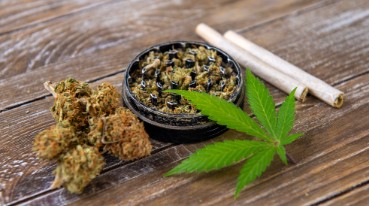
- Joints, blunts, pipes, and bongs
- Hash made from PCK can also be smoked
Mechanism of Action:
- Combustion (~800-900°C) converts Δ9-THC into active THC.
- Cannabinoids enter the lungs → alveoli → bloodstream → brain in seconds to minutes.
Onset: 30 seconds – 5 minutes
Peak Effects: 10 – 30 minutes
Duration: 2 – 4 hours
Bioavailability: ~15-30% THC absorption
Advantages:
- Fast onset, immediate effects
- Full-spectrum effects, including flavonoids, terpenes, and cannabinoids
- Easier dose control compared to edibles
Disadvantages:
- Loss of cannabinoids due to combustion (~50-60% degradation)
- Carcinogenic byproducts due to combustion (benzene, tar, etc.)
B. Vaporization (Vaping)
Common Forms:
- Dry herb vaporizers
- Concentrate vaporizers (rosin, live resin, hash oil from PCK)
Mechanism of Action:
- Uses low heat (180-220°C) to activate cannabinoids without combustion.
- Cannabinoids and terpenes vaporize and enter the lungs directly.
Onset: 30 seconds – 2 minutes
Peak Effects: 10 – 20 minutes
Duration: 2 – 4 hours
Bioavailability: 40-50% THC absorption
Advantages:
- Higher cannabinoid retention (less degradation than smoking)
- Less harmful than combustion (no tar, no carcinogens)
- More efficient THC delivery
Disadvantages:
- Requires specialized vaporizer devices
- Higher upfront cost compared to smoking
C. Edibles (Oral Ingestion)
Common Forms:
- PCK-infused brownies, gummies, chocolates, or teas
- Hash-infused butter, oils, and tinctures
Mechanism of Action:
- The liver converts THC into the more potent and persistent metabolite 11-hydroxy-THC.
- Absorption occurs through the digestive system, leading to a delayed onset but prolonged effects.
Onset: 30 – 120 minutes
Peak Effects: 2 – 4 hours
Duration: 6 – 12 hours (varies by metabolism and dose)
Bioavailability: 4-20% THC absorption (varies significantly due to first-pass metabolism)
Advantages:
- Long-lasting effects
- Stronger psychoactive impact due to 11-hydroxy-THC
- Discreet consumption
Disadvantages:
- Delayed onset, making dosing difficult
- First-pass metabolism reduces bioavailability
- Higher risk of overconsumption due to delayed effects
D. Sublingual Consumption (Tinctures and Oils)
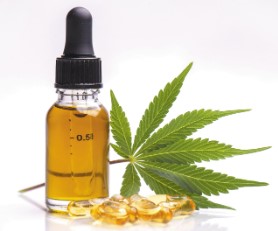
Common Forms:
- Cannabis tinctures and oils placed under the tongue
Mechanism of Action:
- Cannabinoids absorb directly into the mucous membranes under the tongue and enter the bloodstream.
- Bypasses the digestive system, avoiding first-pass metabolism.
Onset: 10 – 30 minutes
Peak Effects: 1 – 2 hours
Duration: 4 – 6 hours
Bioavailability: 20-35% THC absorption
Advantages:
- Faster onset than edibles
- More precise dosing compared to smoking
- No harmful combustion byproducts
Disadvantages:
- Not as fast as inhalation methods
- Requires holding under the tongue for absorption
E. Topical Application
Common Forms:
- Cannabis-infused creams, balms, and transdermal patches
Mechanism of Action:
- Cannabinoids interact with CB2 receptors in the skin and do not enter the bloodstream (except for transdermal patches).
Onset: 15 – 60 minutes
Peak Effects: 1 – 2 hours
Duration: 4 – 8 hours
Bioavailability: Varies depending on formulation
Advantages:
- Non-psychoactive (unless using transdermal THC patches)
- Effective for localized pain and inflammation
- No risk of overconsumption
Disadvantages:
- Restricted to localized impacts unless transdermal patches are used
- Slower onset compared to inhalation methods
2. Comparison of Onset and Duration for Different Methods
| Ingestion Method | Onset Time | Peak Effects | Total Duration | Bioavailability |
|---|---|---|---|---|
| Smoking | 30 sec – 5 min | 10 – 30 min | 2 – 4 hours | 15-30% |
| Vaporization | 30 sec – 2 min | 10 – 20 min | 2 – 4 hours | 40-50% |
| Edibles | 30 – 120 min | 2 – 4 hours | 6 – 12 hours | 4-20% |
| Sublingual | 10 – 30 min | 1 – 2 hours | 4 – 6 hours | 20-35% |
| Topical | 15 – 60 min | 1 – 2 hours | 4 – 8 hours | Variable |
3. Factors Influencing Onset and Duration
A. Individual Metabolism
- Faster metabolism: Quicker onset, shorter duration
- Slower metabolism: Delayed onset, longer-lasting effects
B. Tolerance and Dosage
- Higher tolerance results in a weaker psychoactive effect and shorter duration.
- Larger doses lead to a stronger and longer-lasting high.
C. Food Intake
- Edibles on an empty stomach: Faster onset, stronger effects.
- Edibles with fatty foods: Slower onset, enhanced absorption.
D. Cannabinoid & Terpene Profile
- High myrcene content (in PCK): Increases sedative effects and THC absorption.
- High caryophyllene content: Increases anti-inflammatory properties.
E. Delivery System
- Liposomal and nano-emulsified cannabis formulations increase bioavailability and shorten onset time.
- Water-soluble cannabis products have faster onset than traditional oils.
Scientific Insights and Research
1. Terpenes and Their Effects
Scientific research confirms that terpenes like myrcene and caryophyllene contribute to PCK’s sedative and anti-inflammatory effects. Studies suggest that myrcene increases GABAergic activity, promoting muscle relaxation and sleep.
2. THC and Pain Management
Studies have shown that moderate THC levels (14-21%), combined with CBG and beta-caryophyllene, effectively reduce chronic pain and inflammation.
3. Antioxidant Properties
The anthocyanin-rich phenotypes of PCK (purple varieties) have strong antioxidant properties, beneficial for reducing oxidative stress and cellular aging.
Conclusion
Pakistani Chitral Kush remains one of the most revered landrace indica strains, valued for its resin production, medicinal benefits, and recreational appeal. Its therapeutic effects, unique coloration, and rich terpene profile make it a top choice for both medical users and cannabis breeders.
This strain’s potent sedative effects, stress relief properties, and resilience make it a must-try for indica lovers and those looking for effective natural medicine.
For a complete directory of cultivars, visit our Cannabis Strain Reviews.
