Table of Contents
Pakistan Valley Kush is a legendary pure Indica cannabis strain originating from the Hindu Kush mountain range of Pakistan. This landrace strain is well-known for its intense potency, high resin production, and deeply sedative effects, making it a favorite among both recreational and medicinal users. With its high THC content, rich terpene profile, and historical significance, Pakistan Valley Kush continues to be a popular strain for breeders, cultivators, and consumers.
Genetics and Origin
Pakistan Valley Kush is a 100% pure Indica landrace strain that has been cultivated for centuries in the harsh mountainous regions of Pakistan. This strain has been selectively bred for resilience, potency, and medicinal properties, making it one of the strongest naturally occurring Indicas available.
Genetic Profile
- Strain Type: Pure Indica
- Genetics: Landrace strain from the Hindu Kush region of Pakistan
- THC Content: 18% – 24%
- CBD Content: 1% – 2%
- CBG Content: 0.5% – 1.5%
- Terpene Profile: Myrcene, Caryophyllene, Limonene, Humulene, Pinene
Appearance, Aroma, and Flavor
Appearance
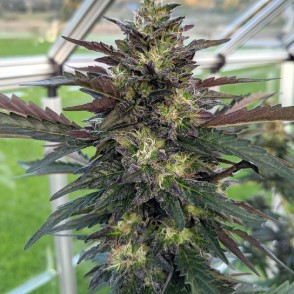
Pakistan Valley Kush is characterized by its dense, compact buds with dark green and purple hues. The buds are heavily coated with trichomes, giving them a frosty, crystalline appearance. Orange pistils weave throughout the bud, adding to its vibrant look.
Aroma
The scent of Pakistan Valley Kush is strong, earthy, and pungent, with distinct notes of pine, hash, and spice. When broken apart, the buds release a rich herbal and woody fragrance reminiscent of classic Indica strains.
Flavor Profile
- Inhalation: A sweet and spicy taste with hints of sandalwood and incense
- Exhalation: Earthy, piney, and hash-like flavors
- Aftertaste: A subtle floral and citrus note lingers on the tongue
Effects and Recreational Uses
Pakistan Valley Kush is one of the most sedating Indica strains available, making it ideal for nighttime or relaxation use. It provides a deep body high, along with mental calmness and physical relief.
Immediate Effects

- Euphoria: A brief wave of happiness and relaxation
- Heavy Body High: Intense physical relaxation, muscle melting effects
- Couch-Lock: A strong feeling of being glued to the couch, ideal for unwinding
- Sleep Induction: Highly effective at promoting deep, uninterrupted sleep
- Hunger Stimulation: Increases appetite significantly (commonly referred to as “munchies”)
Best Recreational Uses
- Evening and Nighttime Use: Best suited for late-night relaxation
- Movie Nights: Enhances sensory perception, making movies more immersive
- Meditation and Yoga: Helps in achieving deep relaxation and mindfulness
- Music and Creativity: Can induce a trance-like state beneficial for artists
- Deep Sleep Aid: A go-to strain for people struggling with insomnia
Medical Benefits
Pakistan Valley Kush is widely used for its therapeutic effects, particularly in pain management, stress relief, and sleep disorders. Its high THC and terpene content contribute to its medicinal potential.
Medical Applications
1. Pain Relief
- Effective against chronic pain, arthritis, fibromyalgia, and migraines
- Reduces nerve pain and inflammation
- Works well for post-surgical recovery
2. Sleep Disorders & Insomnia
- Induces deep, restful sleep
- Helps with REM sleep cycle restoration
- Reduces restlessness and night terrors
3. Anxiety & Stress Relief
- Provides mental tranquility without overwhelming cerebral effects
- Useful for PTSD, generalized anxiety disorder (GAD), and social anxiety
4. Appetite Stimulation
- Helps increase appetite in patients with cachexia, eating disorders, or chemotherapy-induced nausea
- Counteracts gastrointestinal disorders like Crohn’s disease and IBS
5. Muscle Spasms & Epilepsy
- Acts as a muscle relaxant, reducing spasms in conditions like MS (Multiple Sclerosis) and Parkinson’s Disease
- Shows potential as an anti-epileptic treatment due to its CBG and CBD content
Methods of Ingestion
Pakistan Valley Kush can be consumed using multiple methods, each with different absorption rates, bioavailability, and duration of effects.
| Ingestion Method | Onset Time | Duration | Bioavailability (%) | Peak Effects |
|---|---|---|---|---|
| Inhalation (Smoking/Vaping) | 1-5 minutes | 2-4 hours | 30-50% | 30-60 minutes |
| Edibles (Oral Consumption) | 30-90 minutes | 6-8 hours | 4-20% | 2-3 hours |
| Sublingual (Tinctures, Sprays) | 10-30 minutes | 4-6 hours | 20-35% | 45-90 minutes |
| Topical (Creams, Patches) | 30-60 minutes | 6-12 hours | 5-10% | Localized effects |
| Suppositories (Rectal/Vaginal) | 10-30 minutes | 4-8 hours | 50-70% | 1-2 hours |
Inhalation Methods (Smoking & Vaping)
Best for: Rapid onset, immediate relief for pain, stress, and insomnia.
A. Smoking (Combustion)
- Bioavailability: 30-50% THC absorption.
- Fastest onset (1-5 minutes).
- Peak effects within 30-60 minutes.
- Duration: 2-4 hours.
- Downside: Combustion produces toxins and carcinogens.
B. Vaporization (Vaping)
- Higher bioavailability: 40-50% THC absorption.
- Lower temperature preserves terpenes and cannabinoids.
- Onset: 1-3 minutes (almost immediate).
- Peak effects: 30-60 minutes.
- Duration: 2-4 hours.
- Preferred temperature range:160-220°C (320-428°F).
- Terpene activation:
- Myrcene (sedative): 167°C (332°F)
- Caryophyllene (anti-inflammatory): 119°C (246°F)
- Limonene (mood-boosting): 176°C (349°F)
- Terpene activation:
Oral Ingestion (Edibles & Capsules)
Best for: Long-lasting effects, deep body relaxation, sleep aid.
A. Edibles (Brownies, Gummies, Beverages)
- Onset: 30-90 minutes (delayed absorption due to digestion).
- Peak effects: 2-3 hours post-consumption.
- Duration: 6-8 hours (longest effect).
- Bioavailability: 4-20% due to first-pass metabolism in the liver.
- THC is converted into 11-hydroxy-THC (11-OH-THC), which is more potent than Delta-9-THC.
B. Capsules and Tablets
- Similar to edibles but with more controlled dosing.
- Encapsulation improves bioavailability up to 20%.
C. Metabolic Factors Affecting Edible Absorption
- Empty stomach: Faster absorption, stronger effects.
- Fat consumption: THC is fat-soluble; taking edibles with healthy fats (avocado, nuts, coconut oil) increases absorption.
- Enzyme variations: Some individuals metabolize THC into 11-OH-THC more efficiently, leading to stronger effects.
Sublingual (Tinctures, Sprays, Oral Strips)
Best for: Quick onset, medical patients needing precise dosing.
- Onset: 10-30 minutes (bypasses digestion, absorbed via oral mucosa).
- Peak effects: 45-90 minutes.
- Duration: 4-6 hours.
- Bioavailability: 20-35% (better than edibles).
- How to use: Place drops under the tongue, hold for 30-60 seconds before swallowing.
Topical Applications (Creams, Patches, Lotions)
Best for: Localized relief (pain, arthritis, muscle spasms).
- Onset: 30-60 minutes.
- Duration: 6-12 hours.
- Bioavailability: 5-10% (low absorption, no psychoactive effects).
- Transdermal Patches: Higher bioavailability (up to 50%) and sustained release over 12+ hours.
Rectal and Vaginal Suppositories
Best for: Rapid absorption, high bioavailability, pain relief.
- Onset: 10-30 minutes.
- Peak effects: 1-2 hours.
- Duration: 4-8 hours.
- Bioavailability: 50-70% (bypasses liver metabolism).
- Medical Uses: Chronic pain, menstrual cramps, gastrointestinal issues.
Factors Influencing Onset and Duration
A. Individual Physiology
- Metabolism Speed: Faster metabolism → shorter effects.
- Body Fat Percentage: Duration is impacted by THC’s storage in fat cells.
- Tolerance Levels: Frequent users experience shorter effects.
B. Dosage Strength
| THC Dose (mg) | Effects |
|---|---|
| 2.5-5 mg | Mild relaxation, anxiety relief |
| 10-20 mg | Moderate euphoria, body high |
| 30-50 mg | Strong sedation, couch-lock |
| 50+ mg | Intense effects, recommended for high tolerance |
C. Interaction with Other Substances
- Food intake: Edibles work better with fats.
- Alcohol: Enhances THC absorption, intensifies effects.
- CBD Ratio: Higher CBD reduces THC psychoactivity, creating a more balanced effect.
Comparison of Onset & Duration by Method
| Method | Onset Time | Peak Effects | Duration | Best For |
|---|---|---|---|---|
| Smoking/Vaping | 1-5 min | 30-60 min | 2-4 hours | Fast relief |
| Edibles | 30-90 min | 2-3 hours | 6-8 hours | Long-lasting effects |
| Sublingual | 10-30 min | 45-90 min | 4-6 hours | Fast, controlled dosing |
| Topical | 30-60 min | N/A | 6-12 hours | Localized pain relief |
| Suppositories | 10-30 min | 1-2 hours | 4-8 hours | High absorption |
Scientific Analysis
Cannabinoid Profile
Pakistan Valley Kush is rich in THC and minor cannabinoids like CBG and CBD, which contribute to its effects.
| Cannabinoid | Percentage |
|---|---|
| THC | 18-24% |
| CBD | 1-2% |
| CBG | 0.5-1.5% |
| CBC | 0.3-0.8% |
Terpene Profile
Terpenes are aromatic compounds responsible for the strain’s smell and therapeutic effects.
| Terpene | Effects |
| Myrcene | Sedative, anti-inflammatory |
| Caryophyllene | Pain relief, anti-anxiety |
| Limonene | Mood enhancer, stress relief |
| Humulene | Appetite suppressant |
| Pinene | Anti-inflammatory, bronchodilator |
Growing Information
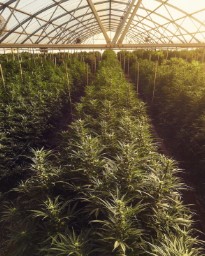
Pakistan Valley Kush is an easy-to-grow strain, highly resistant to pests and mold, making it a great choice for beginner growers.
Ideal Growing Conditions
Since Pakistan Valley Kush originates from the Hindu Kush mountain range, it thrives in cooler, drier climates with low humidity levels and adequate air circulation.
Environmental Parameters for Optimal Growth
| Factor | Optimal Range |
|---|---|
| Temperature (Day) | 22-28°C (72-82°F) |
| Temperature (Night) | 15-22°C (59-72°F) |
| Humidity (Vegetative Stage) | 50-60% |
| Humidity (Flowering Stage) | 40-50% |
| CO₂ Enrichment | 800-1200 ppm |
| Light Cycle (Indoor) | 18/6 (Veg), 12/12 (Flower) |
| Soil pH | 6.0-6.5 |
| Hydroponic pH | 5.5-6.0 |
| EC Level | 1.2-1.8 mS/cm |
Pakistan Valley Kush is highly mold-resistant but still requires controlled humidity levels to prevent bud rot.
Propagation Techniques
Pakistan Valley Kush can be propagated via seeds or clones.
A. Seed Germination
- Use moist paper towel method or plant directly into rockwool cubes.
- Maintain temperature at 22-26°C (72-78°F).
- pH-adjusted water at 5.8-6.2.
- Sprouts emerge within 2-5 days.
B. Cloning for Genetic Consistency
- Take cuttings from healthy mother plants with 5+ nodes.
- Dip in rooting hormone and place in aeroponic cloner or rockwool.
- Maintain humidity at 70-80% for the first 7-10 days.
- Roots develop within 7-14 days.
Growing Medium Selection
Pakistan Valley Kush can be cultivated in soil, hydroponics, or aeroponics. Each method has specific advantages.
A. Soil Cultivation (Organic)
- Best for flavor enhancement due to terpene development.
- Use a well-draining soil mix with perlite, coco coir, and compost.
- Mycorrhizal fungi and beneficial bacteria improve nutrient uptake.
- Organic amendments like bat guano, worm castings, and kelp meal boost growth.
B. Hydroponics (DWC, NFT, or Drip Irrigation)
- Increases nutrient absorption rate and growth speed.
- Requires precise pH control (5.5-6.0).
- Essential macronutrients: Nitrogen (N), Phosphorus (P), Potassium (K) in a 3:1:2 ratio during veg and 1:3:2 during flowering.
- Supplement with Calcium (Ca) and Magnesium (Mg) to prevent deficiencies.
C. Aeroponics (Advanced Growers)
- High oxygenation levels for explosive root growth.
- Water and nutrient misting system maintains optimal feeding.
- Risk: Roots dry out quickly if misting fails.
Light Requirements
Pakistan Valley Kush thrives under intense light exposure, especially in indoor setups.
Indoor LED vs. HID Lighting
| Lighting Type | PPFD Range | Benefits |
|---|---|---|
| HID (HPS/MH) | 600-900 µmol/m²/s | High yield, deep canopy penetration |
| LED (Full Spectrum) | 800-1000 µmol/m²/s | Energy-efficient, enhanced terpenes |
- Vegetative Stage: 18/6 cycle with 400-600 PPFD.
- Flowering Stage: 12/12 cycle with 700-1000 PPFD.
Nutrient Feeding Schedule
Pakistan Valley Kush requires a well-balanced nutrient plan based on its growth stage.
A. Vegetative Stage (Week 1-6)
- N-P-K Ratio: 3:1:2
- Macronutrients: High Nitrogen for leaf development
- Micronutrients: Calcium, Magnesium, Iron
- Best Supplements: Humic Acid, Kelp Extract
- pH Level: 6.0-6.5 (Soil), 5.5-6.0 (Hydroponics)
B. Flowering Stage (Week 7-12)
- N-P-K Ratio: 1:3:2
- Macronutrients: Higher Phosphorus & Potassium for bud production
- Micronutrients: Sulfur (S) for terpene enhancement
- Best Supplements: Molasses (for microbial activity), Mycorrhizae
- Reduce Nitrogen intake to avoid excess leaf growth.
- pH Level: 6.2-6.5 (Soil), 5.8-6.2 (Hydroponics)
C. Late Flowering & Flushing (Week 12-14)
- Stop nutrient feeding 10-14 days before harvest.
- Flush with pH-balanced water or enzymatic solutions.
- Helps remove excess salts and nutrients for a smoother smoke.
Advanced Cultivation Techniques
Pakistan Valley Kush responds well to high-stress and low-stress training methods.
A. Low-Stress Training (LST)
- Bend and tie branches to increase light penetration.
- Results in higher bud sites and bigger yields.
B. Screen of Green (ScrOG)
- Use trellis netting to spread the canopy evenly.
- Optimizes light exposure and maximizes cola development.
C. Defoliation & Pruning
- Remove lower leaves for better airflow and prevent mold.
- Increases nutrient allocation to top colas.
D. Temperature & Humidity Manipulation
- Lower temperature by 5°C during late flowering to enhance purple hues.
- Keep humidity below 45% in flowering to prevent bud rot.
Pest & Disease Management
Pakistan Valley Kush is naturally resistant to pests and fungi but still requires preventative care.
Common Threats & Solutions
| Issue | Symptoms | Prevention & Treatment |
|---|---|---|
| Spider Mites | Tiny webbing, yellow spots | Neem oil, predatory insects (ladybugs) |
| Powdery Mildew | White powder on leaves | Increase airflow, use sulfur sprays |
| Fungus Gnats | Wilting plants, larvae in soil | Diatomaceous earth, sticky traps |
| Root Rot | Brown, mushy roots | Oxygenate root zone, beneficial microbes |
Harvesting & Curing
Harvest Pakistan Valley Kush at 70-80% trichome cloudiness for peak potency.
Optimal Drying & Curing
- Drying: 7-10 days at 60-65°F (15-18°C), 50% RH.
- Curing: Store in glass jars at 58-62% RH for 2-4 weeks.
- Burp jars daily for the first week, then every few days.
Comparisons with Other Indica Strains
Pakistan Valley Kush is often compared to Afghan Kush, Hindu Kush, and Mazar due to its pure Indica lineage. However, it differs in potency, aroma, and terpene composition.
| Strain | THC % | Effects | Origin |
| Pakistan Valley Kush | 18-24% | Heavy sedation, sleep aid | Pakistan |
| Afghan Kush | 16-21% | Relaxation, appetite boost | Afghanistan |
| Hindu Kush | 18-22% | Body high, mild euphoria | Hindu Kush Mountains |
| Mazar | 19-25% | Sedative, narcotic-like | Afghanistan & Uzbekistan |
Potential Side Effects
As with any potent Indica strain, Pakistan Valley Kush can cause certain side effects, especially in high doses.
- Dry Mouth & Dry Eyes: Stay hydrated to mitigate discomfort.
- Dizziness & Lightheadedness: Common in beginners; dose cautiously.
- Paranoia & Anxiety: Can occur in THC-sensitive users.
- Couch-Lock & Fatigue: Best suited for nighttime use.
Conclusion
Pakistan Valley Kush is an iconic Indica strain known for its deep relaxation, medicinal benefits, and rich historical lineage. Whether for recreational relaxation or medical relief, this strain continues to be a powerful and effective choice for cannabis users worldwide.
For a complete directory of cultivars, visit our Cannabis Strain Reviews.
