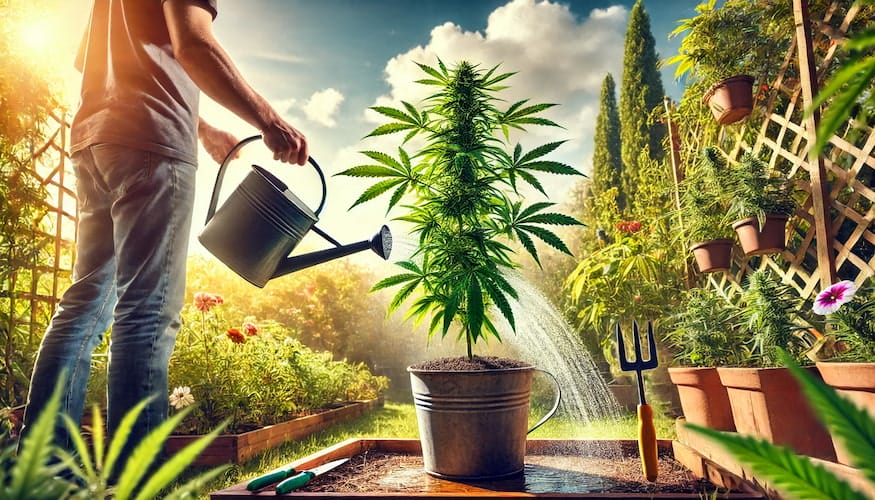
Overwatering vs. Underwatering Cannabis Plants: A Comprehensive Guide
The watering schedule for the plants is one of the most important aspects of the painstaking process that goes into growing cannabis. For cannabis plants to grow healthily, proper irrigation is necessary, and both overwatering and underwatering can cause serious problems. A successful harvest can be distinguished from a disappointing crop by being aware of the balance and the symptoms of each condition. This guide delves into the detailed aspects of overwatering and underwatering cannabis plants, providing insights into their symptoms, causes, preventive measures, and remedies.
Understanding Cannabis Plant Watering Needs

Watering cannabis plants correctly is crucial for their health and growth. Knowing the appropriate amount of water, how often to water, and recognizing the signs of overwatering and underwatering are essential skills for any cannabis cultivator. This guide will delve into the various factors that influence the watering needs of cannabis plants and provide practical tips to ensure your plants thrive.
Factors Affecting Watering Needs
1. Growth Stage
The water requirements of cannabis plants change as they progress through different growth stages:
- Seedling Stage: Seedlings require less water because they have small, delicate root systems. Overwatering at this stage can lead to damping-off, a condition where seedlings rot at the soil line and collapse.
- Vegetative Stage: During the vegetative stage, plants grow rapidly and develop extensive root systems. They require more water to support this growth, but it’s essential to allow the soil to dry out slightly between waterings to prevent root rot.
- Flowering Stage: Flowering plants need water to support bud development, but excessive moisture can lead to mold and mildew. Watering should be consistent but controlled, with careful attention to the moisture levels in the soil.
2. Growing Medium
Different growing media have varying water retention properties, which impact how often you need to water your cannabis plants:
- Soil: Soil retains water well but can become compacted and poorly aerated if overwatered. Using a soil mix that drains efficiently is essential, as is letting the top layer dry out in between waterings.
- Coco Coir: Coco coir holds water well while providing good aeration. It dries out faster than soil, requiring more frequent watering. Coco coir also has a neutral pH and requires specific nutrient management.
- Hydroponics: In hydroponic systems, plants grow in a water-based solution without soil. Watering frequency is controlled automatically, but maintaining the correct nutrient and oxygen levels in the solution is critical.
3. Environmental Conditions
Environmental factors significantly influence the water needs of cannabis plants:
- Temperature: Higher temperatures increase water evaporation and plant transpiration rates, leading to a greater need for water. Conversely, cooler temperatures reduce water requirements.
- Humidity: Low humidity levels cause plants to lose water quickly through transpiration, necessitating more frequent watering. High humidity reduces water loss but can lead to mold and mildew if not managed properly.
- Airflow: Good airflow around plants helps prevent excess moisture buildup and reduces the risk of mold. It also aids in water evaporation from the soil, influencing watering frequency.
4. Plant Strain
Different cannabis strains have unique water requirements based on their genetic makeup:
- Indica Strains: Indica strains typically have broad leaves and stocky growth patterns. They may transpire less and require less frequent watering compared to sativa strains.
- Sativa Strains: Sativa strains usually have narrow leaves and taller growth. They tend to transpire more and may need more frequent watering.
- Hybrid Strains: Hybrids can inherit traits from both indica and sativa parents, so their water needs can vary widely.
Signs of Proper Watering
Recognizing the signs of adequately watered cannabis plants is key to maintaining their health:
- Vibrant Green Leaves: Healthy plants have lush, green leaves without yellowing or browning.
- Steady Growth: Plants should show consistent growth with new leaves and branches appearing regularly.
- Firm Stems: Stems should be strong and upright, not weak or droopy.
- Adequate Moisture in Soil: The top inch of soil should be dry to the touch before watering again.
Overwatering Cannabis Plants
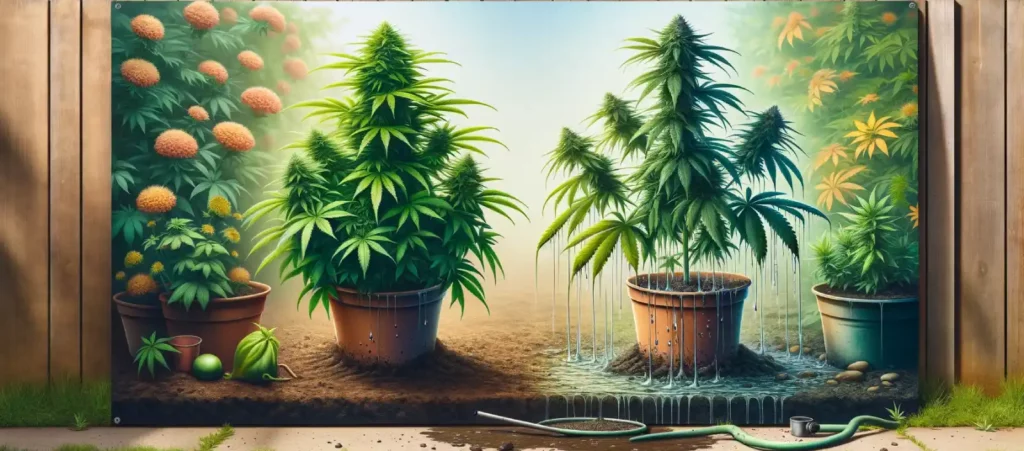
One of the most frequent errors made by inexperienced cannabis cultivators is overwatering. It occurs when the plant roots receive too much water, leading to a lack of oxygen and the potential for root rot. Understanding the symptoms, causes, preventive measures, and remedies for overwatering is crucial for maintaining healthy cannabis plants.
Symptoms of Overwatering
Recognizing the signs of overwatering early can help prevent severe damage to your cannabis plants. Here are the primary symptoms to watch for:
1. Wilting
One of the most misleading symptoms of overwatering is wilting. While it is often associated with underwatering, overwatered plants can also wilt. The difference lies in the texture of the leaves; overwatered leaves are usually soft and droopy, whereas underwatered leaves are dry and crispy.
2. Yellowing Leaves
Overwatered plants may exhibit yellowing leaves, particularly in the lower parts of the plant. This yellowing, known as chlorosis, occurs because the roots are suffocating and unable to absorb essential nutrients effectively.
3. Leaf Curling
Overwatered plants may show signs of leaf curling or clawing. The leaves might curl downwards or upwards as a stress response to the excessive water in the soil.
4. Root Rot
One serious effect of overwatering is root rot. It is characterized by brown, mushy roots with a foul odor. Root rot occurs due to prolonged waterlogging, which creates an anaerobic environment conducive to pathogenic fungi.
5. Slow Growth
Overwatered plants often exhibit stunted growth. Reduced growth rates result from the plant’s inability to adequately absorb nutrients and water when there is a lack of oxygen at the root level.
6. Algae Growth
The presence of algae on the soil surface or in the drainage system can indicate overwatering. Excessive moisture provides an ideal environment for algae growth.
Causes of Overwatering
Understanding the causes of overwatering can help prevent it from occurring in the first place. Here are the primary causes:
1. Frequent Watering
Watering too frequently without allowing the soil to dry out between waterings is the most common cause of overwatering. Cannabis plants need a balance between moisture and oxygen at the root level.
2. Poor Drainage
Using containers or growing mediums that do not drain well can lead to water accumulation around the roots. Poor drainage prevents excess water from escaping, increasing the risk of overwatering.
3. Large Containers
Growing cannabis plants in excessively large containers can result in waterlogged conditions. Large containers hold more water, which can take longer to evaporate, leading to prolonged periods of wet soil.
4. Lack of Aeration
Compacted soil or growing mediums with poor aeration can prevent water from draining properly, increasing the likelihood of overwatering. Soil that is too dense restricts airflow to the roots, exacerbating the problem.
5. Inappropriate Watering Techniques
Watering too quickly or using a heavy stream can cause water to pool on the surface without penetrating deeply. This may result in more vulnerable to overwatering shallow root systems.
Preventive Measures for Overwatering
Implementing preventive measures can help avoid the detrimental effects of overwatering. Here are some strategies to consider:
1. Proper Watering Schedule
Establish a watering schedule based on the plant’s needs and environmental conditions. Water only when the top inch of soil feels dry to the touch. Adjust the frequency of watering according to the plant’s growth stage and the humidity and temperature levels.
2. Adequate Drainage
Make sure the growing material in your pots enables extra water to drain away and that the pots have drainage holes. Using fabric pots or containers with multiple drainage holes can improve drainage and reduce the risk of overwatering.
3. Aerate the Soil
Regularly aerate the soil by gently loosening it around the base of the plant. This improves oxygen flow to the roots and helps water drain more effectively. Enhancing aeration and drainage in the soil mix can also be accomplished by adding perlite or vermiculite.
4. Use Appropriate Containers
Choose container sizes that match the plant’s growth stage. Smaller containers dry out faster and are less likely to retain excess water. As the plant grows, gradually move it to larger containers to accommodate its expanding root system.
5. Watering Techniques
Water slowly and evenly to ensure that the water penetrates deeply into the soil. Avoid using a heavy stream that can cause water to pool on the surface. Another useful technique for watering from the bottom is to set the pot in a tray of water and let the soil absorb moisture.
Remedies for Overwatered Plants
If your cannabis plants are already showing signs of overwatering, there are steps you can take to remedy the situation:
1. Allow Soil to Dry
The first step is to let the soil dry out completely before the next watering session. This helps the roots recover and prevents further damage. To encourage quicker drying, make sure the plant is in a well-ventilated environment.
2. Improve Drainage
Enhance the drainage of the growing medium by adding perlite, vermiculite, or coarse sand. These amendments improve soil structure and promote better water movement.
3. Repotting
If root rot is detected, consider repotting the plant into fresh, dry soil. Carefully take the plant out of its existing container, cut off any damaged roots, and transfer it to a fresh pot with soil that drains well. Take care throughout the process to avoid damaging the healthy roots.
4. Use Fans
Increase airflow around the plants using fans to help evaporate excess moisture from the soil. Good airflow also reduces the risk of mold and mildew growth.
5. Apply Fungicides
If root rot is severe, applying a fungicide can help control the spread of pathogenic fungi. Choose a fungicide that is safe for use on edible plants and follow the manufacturer’s instructions carefully.
6. Monitor and Adjust
Closely monitor the plants for signs of recovery or further distress. Adjust your watering practices based on the plant’s response and the environmental conditions. It may take some time for the plant to fully recover, so be patient and provide supportive care.
Underwatering Cannabis Plants
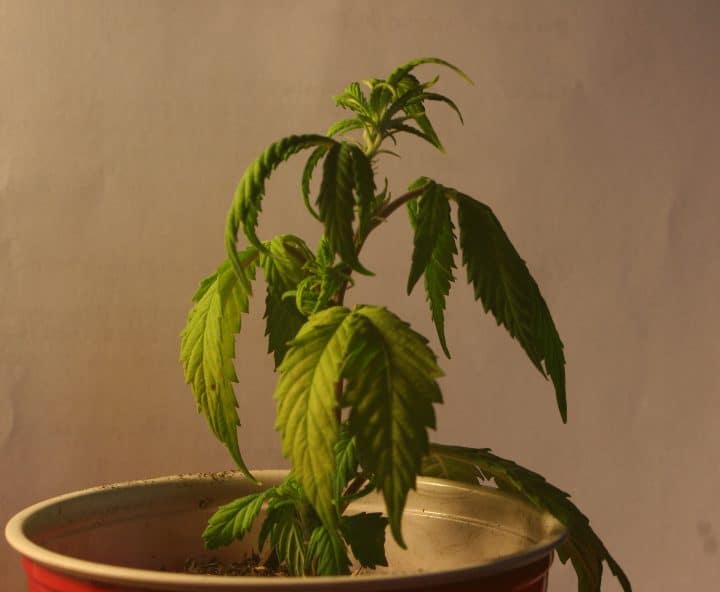
Underwatering is another common issue faced by cannabis growers, although it is generally less frequent than overwatering. Understanding the symptoms, causes, preventive measures, and remedies for underwatering is essential to ensure the healthy growth and development of cannabis plants.
Symptoms of Underwatering
Recognizing the signs of underwatering early can help prevent severe damage to your cannabis plants. Here are the primary symptoms to watch for:
1. Wilting
Wilting is a clear sign of underwatering. Leaves become dry, brittle, and curl at the edges. Unlike the soft and droopy leaves of overwatered plants, underwatered leaves are crisp to the touch.
2. Dry Soil
The soil around underwatered plants is often dry and may pull away from the sides of the container. A discernible space between the soil and the pot is a dead giveaway for inadequate irrigation.
3. Yellowing or Brown Leaves
Leaves may turn yellow or brown, starting from the tips and edges. This discoloration occurs because the plant is unable to transport nutrients effectively without adequate water.
4. Leaf Drop
Early leaf drop can occur from severe underwatering. The plant sheds non-essential parts to conserve water and maintain vital functions.
5. Slow Growth
Underwatered plants exhibit stunted growth due to reduced photosynthesis and nutrient uptake. The plant’s capacity to develop and produce energy is hampered by the absence of water.
6. Soil Cracking
In extreme cases, the soil surface may crack due to dryness. This is a serious indication that the plant is underwatering and that it is not getting enough moisture.
Causes of Underwatering
Understanding the causes of underwatering can help prevent it from occurring in the first place. Here are the primary causes:
1. Infrequent Watering
Not watering the plants often enough is the most common cause of underwatering. Cannabis plants require consistent moisture to thrive, especially during the vegetative and flowering stages.
2. Small Containers
Using small containers that dry out quickly can lead to underwatering, particularly in hot weather. Small pots hold less water and need more frequent watering.
3. High Temperatures
High temperatures increase water evaporation rates, leading to a greater risk of underwatering. Plants in hot environments lose water quickly through transpiration and need more frequent watering.
4. Poor Soil Moisture Retention
Growing mediums with low water retention capabilities, such as sandy soil, can dry out quickly. These types of soil require more frequent watering to maintain adequate moisture levels.
5. Inadequate Watering Techniques
Watering too lightly or using insufficient water can result in the soil not being adequately moistened. Shallow watering encourages shallow root growth, making plants more susceptible to drying out.
Preventive Measures for Underwatering
Implementing preventive measures can help avoid the detrimental effects of underwatering. Here are some strategies to consider:
1. Consistent Watering Schedule
Develop a consistent watering routine based on the plant’s stage and environmental conditions. When the top inch of soil feels dry, water it. Regularly check the moisture content of the soil.
2. Use Larger Containers
Use larger containers that can hold more water and reduce the frequency of watering. Greater room for root development and water retention is offered by larger pots.
3. Improve Soil Moisture Retention
Enhance the soil’s water retention capabilities by adding organic matter such as compost or peat moss. These amendments help retain moisture and improve soil structure.
4. Mulching
Mulch the area surrounding the plant’s base to assist prevent evaporation and help hold onto soil moisture. As organic mulches like wood chips or straw break down, they enrich the soil with nutrients.
5. Monitor Environmental Conditions
Maintain optimal temperature and humidity levels to reduce water stress on the plants. Use fans, air conditioners, or humidifiers as needed to control the environment.
6. Proper Watering Techniques
Water slowly and thoroughly to ensure that the water penetrates deeply into the soil. Avoid light, frequent watering that encourages shallow root growth. Deep watering promotes robust root systems that can access moisture more effectively.
Remedies for Underwatered Plants
If your cannabis plants are already showing signs of underwatering, there are steps you can take to remedy the situation:
1. Gradual Rehydration
Slowly rehydrate underwatered plants by giving small amounts of water at a time, allowing the soil to absorb moisture gradually. Rapid rehydration can shock the plant and cause additional stress.
2. Deep Watering
Watering gently and properly will ensure that the water reaches the roots by penetrating the soil deeply. This helps establish a healthy root system that can access moisture more effectively.
3. Shade and Humidity
Move plants to a shaded area and increase humidity temporarily to reduce stress and aid recovery. Misting the plants lightly can also help increase humidity and prevent further dehydration.
4. Regular Monitoring
Increase the frequency of monitoring soil moisture levels to prevent future instances of underwatering. Use a moisture meter to get accurate readings and ensure the soil remains adequately moist.
5. Adjust Watering Practices
Adjust your watering practices based on the plant’s response and the environmental conditions. Water more frequently if necessary, but always ensure that the soil has adequate time to absorb the moisture.
6. Soil Amendment
Consider adding soil amendments that improve moisture retention, such as vermiculite or hydrogel crystals. These materials help retain water and release it slowly to the plants.
Balancing Watering for Optimal Cannabis Growth
Achieving the right balance between overwatering and underwatering is crucial for the health and productivity of cannabis plants. Here are some tips to help maintain this balance:
- Understand Plant Needs: Familiarize yourself with the specific water requirements of the cannabis strain you are growing and adjust watering practices accordingly.
- Observe Plant Behavior: Regularly observe your plants for signs of overwatering or underwatering and adjust watering habits based on their appearance and growth patterns.
- Environmental Control: To reduce water stress on plants, maintain ideal environmental conditions in terms of temperature, humidity, and airflow.
- Use Technology: Consider using automated watering systems or soil moisture sensors to ensure consistent and precise watering.
Conclusion
Proper watering is a crucial aspect of successful cannabis cultivation, and understanding the differences between overwatering and underwatering can significantly impact the health and yield of your plants. Both conditions present unique challenges and require specific management practices to ensure optimal growth.
Overwatering
Overwatering is a common mistake, especially among novice growers who believe that more water equates to better growth. However, excessive water can suffocate the roots, leading to a lack of oxygen, root rot, and a host of other issues. Recognizing the symptoms of overwatering, such as wilting, yellowing leaves, root rot, and slow growth, is essential for timely intervention. Preventive measures like establishing a proper watering schedule, ensuring adequate drainage, aerating the soil, and using appropriate containers can help mitigate the risks of overwatering. Remedies for overwatered plants include allowing the soil to dry out, improving drainage, repotting if necessary, and increasing airflow around the plants.
Underwatering
Underwatering, though less frequent, can be equally detrimental. It occurs when plants do not receive sufficient water to support their physiological functions, leading to wilting, dry soil, yellowing or brown leaves, leaf drop, and slow growth. The causes of underwatering include infrequent watering, using small containers, high temperatures, poor soil moisture retention, and inadequate watering techniques. Preventive measures involve developing a consistent watering schedule, using larger containers, improving soil moisture retention, mulching, and monitoring environmental conditions. Remedies for underwatered plants include gradual rehydration, deep watering, providing shade and humidity, regular monitoring, adjusting watering practices, and using soil amendments to enhance moisture retention.
Achieving Balance
Achieving the right balance between overwatering and underwatering is crucial for the health and productivity of cannabis plants. This involves understanding the specific water requirements of the cannabis strain you are growing, observing plant behavior, maintaining optimal environmental conditions, and using technology like automated watering systems or soil moisture sensors for precise and consistent watering.
Practical Tips
- Understand Plant Needs: Familiarize yourself with the specific water requirements of the cannabis strain you are growing and adjust watering practices accordingly.
- Observe Plant Behavior: Regularly observe your plants for signs of overwatering or underwatering and adjust watering habits based on their appearance and growth patterns.
- Environmental Control: Maintain optimal environmental conditions such as temperature, humidity, and airflow to minimize water stress on the plants.
- Use Technology: Consider using automated watering systems or soil moisture sensors to ensure consistent and precise watering.
By understanding and managing the watering needs of cannabis plants, growers can prevent common issues related to overwatering and underwatering. Regular monitoring, proper watering techniques, and adjusting practices based on plant behavior are key to achieving optimal results. Cannabis plants can flourish if these conditions are carefully monitored, which will result in robust development and an abundant crop.
