Table of Contents
The Ortega cannabis strain is an Indica-dominant hybrid known for its potent sedative effects and high medicinal value. A product of selective breeding by the renowned breeder Nevil Schoenmakers at The Seed Bank in the 1980s, Ortega is a stabilized hybrid derived from Northern Lights #1. This strain has gained popularity among users seeking relief from insomnia, chronic pain, and stress-related conditions.
Genetics and Lineage
Ortega is a 100% Indica strain developed from two distinct Northern Lights #1 phenotypes. It has maintained its genetic purity over the years, making it a highly stable strain with predictable effects and consistent chemical composition. The strain typically expresses traits of a classic Indica, including short plant structure, broad leaves, and dense resinous buds.
Cannabinoid and Terpene Profile
Cannabinoids
Ortega has a moderate to high THC concentration, typically ranging between 17-22%, while its CBD content is relatively low, usually below 1%. However, some phenotypes may exhibit slightly higher CBD levels, contributing to its medicinal benefits.
- THC: 17-22%
- CBD: <1%
- CBG: 0.5-1.5%
- CBN: 0.3-0.8%
Terpenes
The dominant terpenes in Ortega contribute to its sedative and analgesic properties:
- Myrcene: Known for its sedative and muscle relaxant effects, myrcene is the dominant terpene in Ortega.
- Caryophyllene: A spicy, peppery terpene with potential anti-inflammatory properties that interact with the endocannabinoid system (CB2 receptors).
- Linalool: Found in lavender, linalool provides calming and anti-anxiety effects.
- Pinene: May help counteract THC-induced memory impairment and provide anti-inflammatory benefits.
Medical Benefits
Ortega’s strong Indica properties make it highly effective for treating several medical conditions. The strain is particularly beneficial for patients seeking relief from sleep disorders, chronic pain, and anxiety-related symptoms.
1. Insomnia and Sleep Disorders
- Ortega is widely recognized for its sedative properties, making it ideal for individuals suffering from insomnia and irregular sleep patterns.
- The high myrcene content promotes deep relaxation and sleep induction.
- Recommended dosage: 0.5-1g before bedtime.
2. Chronic Pain and Inflammation
- The high THC and caryophyllene levels provide analgesic and anti-inflammatory effects, making Ortega suitable for conditions like arthritis, fibromyalgia, and migraines.
- Works effectively for neuropathic pain and muscle spasms.
- Recommended dosage: Vaporizing or oral tinctures for sustained pain relief.
3. Anxiety, PTSD, and Stress Management
- The strain’s high linalool and myrcene content provides a calming effect, reducing stress and anxiety.
- Can be used in low doses to combat PTSD-related symptoms.
- Recommended dosage: 0.2-0.5g for anxiety relief, preferably in the evening.
4. Nausea and Appetite Stimulation
- Useful for patients undergoing chemotherapy or suffering from eating disorders.
- Helps stimulate appetite and reduce nausea.
- Recommended dosage: Small doses (0.1-0.3g) before meals.
5. Epilepsy and Seizure Disorders
- Though not high in CBD, Ortega may help with seizure control in some patients.
- Works best when combined with a CBD-rich strain for enhanced anticonvulsant effects.
Recreational Uses
1. Deep Relaxation and Stress Relief
- Ortega is an ideal strain for unwinding after a long day.
- Users report a full-body melt and heavy couch-lock, making it great for watching movies, meditating, or relaxing.
2. Euphoria and Mood Enhancement
- Provides a calming yet uplifting euphoria, beneficial for those dealing with stress or mood swings.
- Enhances sensory perception and is ideal for activities such as listening to music or enjoying nature.
3. Enhanced Sleep Quality
- One of the best nighttime strains due to its long-lasting sedative effects.
- Helps in achieving a full night’s rest without grogginess the next morning.
4. Low Social Interaction
- Unlike some hybrids, Ortega is not a social strain, as it tends to induce deep relaxation rather than sociability.
Potential Side Effects
- Dry Mouth and Dry Eyes: Common effects, easily managed with hydration.
- Dizziness and Lightheadedness: Higher doses may cause dizziness, especially in novice users.
- Paranoia or Anxiety: Although rare, excessive consumption may lead to mild anxiety in THC-sensitive individuals.
- Sedation and Lethargy: Overuse can lead to prolonged drowsiness.
Cultivation Information
Cultivation for Ortega Cannabis Strain
Cultivating Ortega cannabis successfully requires a combination of scientific techniques that optimize growth conditions, cannabinoid production, and overall plant health. Here’s a detailed breakdown of the most effective cultivation methods:
Optimizing Growth Medium
Ortega can thrive in both soil and hydroponic setups, each with its advantages.
A. Soil Cultivation (Organic & Living Soil)
- Organic Super Soil: Enriched with natural amendments like worm castings, bat guano, kelp meal, and mycorrhizal fungi for improved root health.
- Living Soil: A microbial-rich environment that sustains plant growth with minimal external nutrients, reducing the risk of nutrient burn.
B. Hydroponic Systems
For faster growth and higher yields, hydroponics is a viable option:
- Deep Water Culture (DWC): Roots are suspended in oxygenated nutrient-rich water, accelerating nutrient uptake.
- Nutrient Film Technique (NFT): A thin film of water flows continuously over the roots, ensuring a steady supply of nutrients.
C. Soilless Mediums (Coco Coir, Rockwool)
- Coco coir offers superior aeration while retaining moisture.
- Rockwool is ideal for hydroponic drip systems, promoting root expansion and oxygenation.
Precision in Nutrient Management
Ortega, as an Indica-dominant strain, has a moderate nutrient demand compared to more nutrient-hungry Sativa strains.
A. Macronutrient Requirements
| Growth Stage | N (Nitrogen) | P (Phosphorus) | K (Potassium) |
|---|---|---|---|
| Vegetative | High | Moderate | Moderate |
| Flowering | Low | High | High |
- Nitrogen (N) promotes lush vegetative growth, but should be reduced during flowering to avoid excess foliage.
- Phosphorus (P) is crucial for bud development and root expansion.
- Potassium (K) enhances disease resistance and terpene synthesis.
B. Micronutrients
- Magnesium (Mg): Essential for chlorophyll production and photosynthesis.
- Calcium (Ca): Strengthens cell walls and prevents deficiencies like “calcium lockout.”
- Sulfur (S): Enhances terpene production, improving aroma and medicinal effects.
C. pH Control
- Soil pH: Optimal range is 6.0 – 6.5.
- Hydroponic pH: Should be maintained between 5.5 – 6.0.
- EC (Electrical Conductivity): Should be 1.2 – 2.0 mS/cm, depending on the plant’s stage.
Environmental Control: Light, Temperature, and Humidity
To maximize Ortega’s resin production, precise environmental control is necessary.
A. Lighting for Indoor Cultivation
- Vegetative Stage: Requires 18-20 hours of light per day.
- Flowering Stage: Light cycle should switch to 12 hours of light / 12 hours of darkness.
- Recommended Light Spectrum:
- Vegetative: Blue spectrum (400-500nm) for bushy growth.
- Flowering: Red spectrum (620-700nm) for resinous buds.
B. Temperature Control
| Growth Stage | Optimal Temperature (°C) | Night Temp (°C) |
|---|---|---|
| Vegetative | 22-28°C | 18-22°C |
| Flowering | 20-26°C | 16-20°C |
- High temperatures (>30°C) reduce THC and terpene content.
- Lowering nighttime temperatures slightly during late flowering enhances anthocyanin production, improving bud coloration.
C. Humidity Control
| Growth Stage | Ideal Humidity (%) |
|---|---|
| Seedling | 65-75% |
| Vegetative | 55-65% |
| Flowering | 40-50% |
| Late Flowering | 30-40% |
- Low humidity (below 40%) prevents bud rot (Botrytis cinerea).
- High humidity (above 70%) increases the risk of powdery mildew.
Training and Canopy Management
To enhance light penetration and maximize yield, various training techniques can be applied:
A. Low-Stress Training (LST)
- Gently bending branches and tying them down to create an even canopy.
- Improves airflow and light distribution, leading to higher bud production.
B. High-Stress Training (HST)
- Topping: Cutting the main cola to encourage lateral branching.
- Supercropping: Gently squeezing and bending stems to increase resin production.
C. Screen of Green (ScrOG)
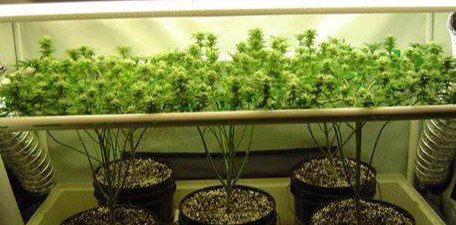
- A mesh screen is placed above the plants to train branches horizontally.
- Maximizes light exposure to all bud sites, boosting yield.
CO₂ Supplementation for Increased Yields
Controlled CO₂ enrichment can increase Ortega’s biomass and potency.
- Ideal CO₂ levels: 1,200-1,500 ppm.
- Best application: During the vegetative and early flowering stages.
- CO₂ sources: CO₂ burners, tanks, or natural fermentation.
Pest and Disease Prevention
Even though Ortega is naturally resistant to mold and pests, proactive pest control is crucial.
A. Common Pests
| Pest | Symptoms | Prevention |
|---|---|---|
| Spider Mites | Yellowing leaves, webbing | Neem oil, predatory mites |
| Aphids | Sticky residue, curled leaves | Beneficial insects, insecticidal soap |
| Fungus Gnats | Root rot, poor growth | Dry topsoil, use sand layer |
B. Fungal and Bacterial Infections
| Disease | Symptoms | Prevention |
|---|---|---|
| Powdery Mildew | White powder on leaves | Proper ventilation, silica supplements |
| Root Rot | Wilting, brown roots | Well-draining medium, beneficial microbes |
Harvesting, Drying, and Curing for Maximum Potency
A. Harvesting Timing
- Harvest when trichomes turn milky white (with some amber for a sedative effect).
- Pistil Method: 70-90% of pistils should be orange/brown.
B. Drying Process
- Ideal drying temperature: 18-22°C.
- Humidity: 50-60% to prevent mold.
- Drying time: 7-14 days.
C. Curing Process
- Store buds in glass jars at 62% RH.
- Open jars daily for the first 2 weeks to release excess moisture.
- Curing duration: 4-6 weeks for maximum terpene preservation.
Methods, Onset, and Duration
The method of ingestion of Ortega cannabis significantly affects its onset time, duration of effects, and overall bioavailability. Below is a detailed scientific analysis of different consumption methods, their pharmacokinetics, and how they interact with the body.
Inhalation Methods (Smoking & Vaporization)
A. Smoking (Combustion)
- Process: When smoked, Ortega’s cannabinoids are rapidly absorbed through the alveoli in the lungs, entering the bloodstream almost instantly.
- Onset: 1-5 minutes.
- Peak Effects: 15-30 minutes.
- Duration: 2-4 hours.
- Bioavailability: 15-30 percent, depending on inhalation depth and frequency.
- Metabolism: THC is metabolized into 11-OH-THC (active) and then converted into THC-COOH (inactive), which is excreted via urine and feces.
B. Vaporization (Dry Herb or Concentrates)
- Process: Vaporization heats cannabis at a lower temperature (160-220°C), preventing combustion and preserving more cannabinoids and terpenes.
- Onset: 1-3 minutes.
- Peak Effects: 15-30 minutes.
- Duration: 2-4 hours.
- Bioavailability: 40-60 percent, significantly higher than smoking.
- Metabolism: Similar to smoking but with fewer toxic byproducts.
Advantages of Vaporization Over Smoking
- Higher cannabinoid retention due to lower temperatures.
- Reduced exposure to carcinogens and tar.
- More controlled dosage.
Oral Ingestion (Edibles, Capsules, and Tinctures)
A. Edibles (Gummies, Baked Goods, Infused Oils)
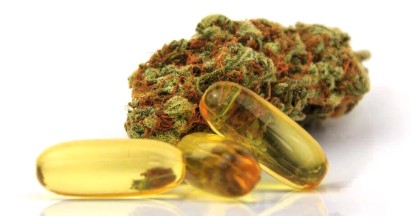
- Process: When ingested, THC is processed by the liver, where it is converted into 11-OH-THC, which is significantly more potent and longer-lasting than inhaled THC.
- Onset: 30-90 minutes, dependent on metabolism and whether consumed with fats.
- Peak Effects: 2-4 hours.
- Duration: 6-12 hours, sometimes up to 24 hours.
- Bioavailability: 4-12 percent due to first-pass metabolism in the liver.
- Metabolism: THC is converted into 11-OH-THC (active) and then THC-COOH (inactive).
- Factors Affecting Onset:
- Empty stomach results in faster onset, around 30 minutes.
- Full stomach delays onset, up to 90 minutes.
- Presence of fats increases THC absorption.
Advantages of Edibles
- Long-lasting effects.
- Discreet and odorless.
- Ideal for chronic pain and sleep disorders.
Disadvantages of Edibles
- Delayed onset can lead to overconsumption.
- Difficult to dose precisely.
B. Capsules & Softgels
- Process: Similar to edibles but with pre-measured doses, providing more consistency.
- Onset: 30-90 minutes.
- Peak Effects: 2-4 hours.
- Duration: 6-12 hours.
- Bioavailability: 5-15 percent.
- Metabolism: Same as edibles, with liver conversion to 11-OH-THC.
C. Sublingual Tinctures & Oils
- Process: When cannabis tinctures or oils are held under the tongue for 30-60 seconds, cannabinoids are absorbed directly into the bloodstream via mucous membranes, bypassing the digestive system.
- Onset: 15-45 minutes.
- Peak Effects: 1-2 hours.
- Duration: 4-6 hours.
- Bioavailability: 15-35 percent, higher than edibles due to reduced first-pass metabolism.
- Metabolism: Partial sublingual absorption allows for fast effects, while the remaining THC is metabolized by the liver.
Advantages of Sublingual Methods
- Faster onset than edibles.
- More predictable effects than smoking or vaping.
- Good for precise dosing.
Topical and Transdermal Application
A. Topicals (Creams, Balms, Lotions)
- Process: Topicals bind to cannabinoid receptors in the skin without entering the bloodstream.
- Onset: 5-30 minutes.
- Peak Effects: 1-2 hours.
- Duration: 3-6 hours.
- Bioavailability: Localized, not systemic.
- Metabolism: No liver metabolism since THC does not enter the bloodstream.
Best Uses
- Localized pain relief, such as arthritis or muscle soreness.
- Anti-inflammatory effects.
- It is non-psychoactive, which means it does not make you feel high.
B. Transdermal Patches
- Process: These patches deliver cannabinoids directly into the bloodstream through the skin, allowing for systemic absorption.
- Onset: 15-60 minutes.
- Peak Effects: 2-4 hours.
- Duration: 8-24 hours, providing slow and controlled release.
- Bioavailability: 50-70 percent, very high due to direct bloodstream absorption.
- Metabolism: Avoids first-pass liver metabolism.
Best Uses
- Sustained pain relief for chronic conditions.
- Long-lasting effects without the need for re-dosing.
- Ideal for patients needing continuous symptom management.
Comparison of Onset, Peak Effects, and Duration by Ingestion Method
| Method | Onset Time | Peak Effects | Duration | Bioavailability (%) |
|---|---|---|---|---|
| Smoking | 1-5 min | 15-30 min | 2-4 hrs | 15-30 |
| Vaporizing | 1-3 min | 15-30 min | 2-4 hrs | 40-60 |
| Edibles | 30-90 min | 2-4 hrs | 6-12 hrs | 4-12 |
| Capsules | 30-90 min | 2-4 hrs | 6-12 hrs | 5-15 |
| Sublingual | 15-45 min | 1-2 hrs | 4-6 hrs | 15-35 |
| Topicals | 5-30 min | 1-2 hrs | 3-6 hrs | Localized only |
| Transdermal | 15-60 min | 2-4 hrs | 8-24 hrs | 50-70 |
Scientific Insights and Research
Recent studies on Indica strains with similar genetic compositions suggest several potential medicinal applications:
- A 2018 study in the Journal of Pain Research highlighted the efficacy of THC and myrcene-rich strains for chronic pain relief.
- Research published in Frontiers in Pharmacology (2020) found that Caryophyllene interacts with CB2 receptors, offering anti-inflammatory benefits.
- A 2021 study on cannabis and sleep disorders confirmed that Indica-dominant strains significantly improve sleep latency and duration.
Conclusion
Ortega remains a top-tier Indica strain, especially for medicinal users seeking relief from pain, anxiety, and insomnia. Its strong sedative effects, balanced THC levels, and rich terpene profile make it a sought-after strain in the cannabis community. Whether used for therapeutic or recreational purposes, Ortega provides a relaxing and euphoric experience, ideal for eating in the evening or at night.
With continued scientific research and genetic stability, Ortega stands as a classic Indica strain with long-term therapeutic potential.
For a complete directory of cultivars, visit our Cannabis Strain Reviews.
