Table of Contents
The Original Lemon Pie Cannabis strain is a potent and flavorful hybrid that has gained popularity for its distinctive characteristics.It creates a pleasant and potent cannabis experience by combining the best qualities of its parent strains. A thorough guide to the strain’s medicinal and recreational applications is provided below, along with exhaustive scientific details regarding its genetics, effects, and culture.
1. Genetics and Origin of Original Lemon Pie Cannabis Strain
The hybrid cannabis strain Original Lemon Pie is well-known for its distinct flavor and scent, which combines citrus and sweet bakery elements. This strain’s genetic makeup normally consists of:
- Parent Strains: The strain is thought to be the result of crossing the famous Lemon Skunk and Cherry Pie strains.
- Lemon Skunk: Lemon Skunk is a Sativa-dominant hybrid that has a distinct lemon flavor and aroma due to its high limonene content.
- Cherry Pie: An Indica-dominant hybrid that provides a sweet, berry-like flavor with a relaxing effect.
A balanced hybrid that is usually 50% Indica and 50% Sativa is produced by crossing these two strains, providing a blend of calming and invigorating effects.
2. Appearance of Original Lemon Pie
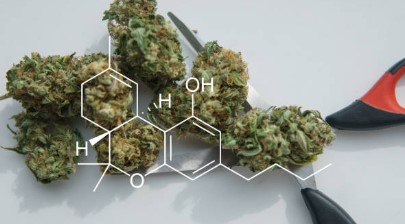
Medium to enormous in size, the Original Lemon Pie strain’s buds have the dense structure of indica-dominant plants. Usually brilliant green in color, they have bright orange pistils that weave among the buds. A thick layer of trichomes frequently covers the blooms, giving them a sticky, icy touch that increases the strain’s potency.
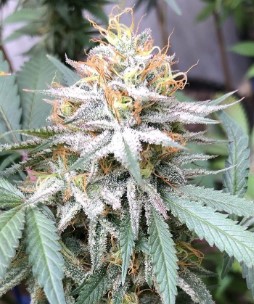
- Color: Green with orange hairs
- Trichomes: White, frosty appearance due to high THC content
- Shape: Dense, rounded, and compact buds
3. Aroma and Flavor Profile
The Original Lemon Pie cannabis strain delivers a powerful citrus and sweet bakery aroma, as the name would imply. With a hint of sweetness evocative of baked delicacies like pie or shortbread cookies, the aroma is dominated by zesty lemon. Those who like citrus-forward strains with a hint of sweetness will find the aroma quite enticing because it may have an earthy undertone.
When smoked or vaporized, the flavor profile follows the aroma closely. The palate is greeted by a crisp blast of lemon, then pie crust and vanilla, which are smooth and sweet. Cannabis aficionados love this strain because of its flavor, which is regarded as both refreshing and decadent.
4. Chemical Composition: Cannabinoids and Terpenes
The Original Lemon Pie strain has a balanced terpene and cannabinoid profile that helps to its distinctive effects and flavor. Here is a breakdown of the key components:
- THC Content: Original Lemon Pie typically contains between 18% and 22% THC, making it moderately potent, but not overwhelmingly strong. This makes it possible to have a relaxing experience without feeling overly drowsy or nervous.
- CBD Content: The strain typically has a low CBD content, usually around 0.1% to 0.5%, which means it’s not primarily used for medical applications requiring CBD.
- Terpenes: Terpenes are fragrant substances included in cannabis that enhance its flavor and the effects of the strain. Original Lemon Pie is rich in several key terpenes:
- Limonene: The zesty scent comes from this terpene, which also has anti-anxiety and mood-boosting qualities.
- Caryophyllene: Known for its spicy, peppery aroma, caryophyllene may have anti-inflammatory properties and can bind to CB2 receptors in the body.
- Myrcene: This terpene adds an earthy, musky aroma and may contribute to the strain’s relaxing effects.
- Linalool: The flowery lavender scent of linalool is well-known for its potential to alleviate stress and anxiety.
- Pinene: Pinene, which contributes to a pine-like scent, is believed to have anti-inflammatory and memory-boosting properties.
5. Methods of Cultivation
Environmental Conditions
Optimal Growing Conditions
Original Lemon Pie, like many cannabis strains, has specific environmental needs for optimal growth. These needs must be met to ensure the plant develops healthy, high-quality buds with the desired effects.
a. Temperature
The ideal temperature range for growing Original Lemon Pie cannabis is between 68°F to 80°F (20°C to 27°C). These temperatures ensure that the plants can photosynthesize efficiently, allowing for robust growth. Temperatures that are too high or too low can slow down a plant’s metabolic processes, which can result in stress or poor growth.
b. Humidity
Maintaining proper humidity levels is crucial for cannabis growth. During the vegetative stage, a humidity level of around 40-60% is ideal. As the plant transitions into the flowering stage, humidity should be reduced to 40-50% to prevent mold growth and bud rot. Excess moisture in the air can lead to fungal infections, particularly during the flowering stage when buds are dense and susceptible.
c. Light
The majority of growers choose to use a 12-hour light cycle during the flowering stage and an 18-hour light cycle during the vegetative stage because original Lemon Pie cannabis plants need a lot of light. LED grow lights or high-pressure sodium (HPS) lamps with a spectrum that supports both vegetative and flowering growth stages are commonly used.
- Vegetative Stage Light Spectrum: A blue-dominant spectrum (around 400-500 nm) encourages leaf and stem growth.
- Flowering Stage Light Spectrum: Bud development and resin production are encouraged by a red-dominant spectrum (around 600–700 nm).
For outdoor cultivation, these strains thrive in warm, sunny climates with plenty of sunlight and well-drained soil. If growing outdoors, the strain will benefit from a long, hot summer for optimal growth, but it’s important to harvest before the colder fall temperatures set in to avoid potential mold and mildew issues.
Soil and Growing Medium
The choice of soil is critical in determining the health of the plants. Original Lemon Pie cannabis plants can grow well in both soil and hydroponic systems, though soil cultivation is generally preferred for the flavor and aromatic profiles it tends to produce.
a. Soil Requirements
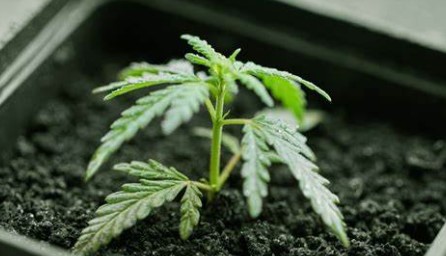
For optimal growth, Original Lemon Pie plants prefer loamy, well-draining soil with a slightly acidic pH range of 6.0-6.5. For the soil to supply the required nutrients, it should be rich in organic matter. Additionally, it is beneficial to amend the soil with compost or other organic fertilizers to ensure a consistent nutrient supply.
Cultivators frequently add perlite or vermiculite to soil to enhance drainage, guaranteeing the roots receive the proper amount of oxygen. Proper aeration helps prevent the root system from becoming waterlogged, which can lead to root rot and other issues.
b. Hydroponic Systems
In hydroponic systems, where soil is replaced by water and mineral solutions, growers can have more control over the nutrients the plant receives. Higher yields and quicker growth rates are possible outcomes of this technique. However, it requires close monitoring of the water’s pH, nutrient levels, and oxygen levels, and can be more challenging for inexperienced growers.
Nutrients and Fertilization
Cannabis plants, including Original Lemon Pie, require various macronutrients and micronutrients to thrive:
- Macronutrients:
- Nitrogen (N): Encourages the growth of leaves and stems, particularly in the vegetative stage.
- Phosphorus (P): Vital for the growth of roots and the creation of flowers.
- Potassium (K): Crucial for overall plant health, disease resistance, and flower development.
- Micronutrients:
- Calcium, Magnesium, Iron, and Sulfur are essential for enzymatic processes and photosynthesis.
Higher nitrogen content should be prioritized during the vegetative stage, whereas a balanced ratio of nutrients with lower nitrogen levels and higher phosphorus should be present during the flowering stage and potassium to support the development of large, dense buds.
a. Organic Fertilizers
Compost, bat guano, and fish meal are examples of organic fertilizers that some growers prefer to use since they release nutrients gradually and support a healthy soil environment. Organic fertilizers can also enhance the flavor profile of the buds, which is particularly important for strains like Original Lemon Pie.
b. Synthetic Fertilizers
Others opt for synthetic fertilizers, which provide more precision in nutrient delivery. While synthetic fertilizers offer faster absorption, they can sometimes lead to salt buildup in the soil, which can harm the plant over time. This problem can be avoided with regular root flushing.
Pruning and Training Techniques
To maximize the yield and quality of Original Lemon Pie cannabis, it is essential to engage in proper pruning and training techniques.
a. Topping
Cutting off the top of the main stem is known as “topping,” and it is done to promote lateral growth. This technique helps the plant become bushier, increasing the number of cola sites, and ultimately leading to higher yields.
b. Low Stress Training (LST)
LST involves gently bending the plant’s branches to encourage horizontal growth, allowing light to penetrate deeper into the canopy. By increasing the number of bud sites, this promotes more uniform growth and enhances yields.
c. Defoliation
Defoliation is the removal of excess leaves to ensure better air circulation and light penetration throughout the plant. This is often done in the late vegetative phase and during early flowering.
d. Screen of Green (ScrOG)
By supporting the plant’s branches with a screen or net, this technique forces the plant to grow horizontally and produces an even canopy. ScrOG can be particularly useful in indoor cultivation.
Flowering and Harvesting
Depending on the particular genotype and environmental factors, Original Lemon Pie’s flowering stage normally lasts 8–10 weeks. After transitioning from vegetative development, the plant will produce dense buds that are covered in trichomes that hold the vital terpenes and cannabinoids of the plant.
a. Flowering Conditions
The light cycle needs to be modified to 12 hours of light and 12 hours of darkness when the plant moves into the flowering stage. During this time, if there are any light disruptions, the plant may return to the vegetative stage, leading to stress and potential hermaphroditism.
b. Trichome Maturity
To choose the ideal time for harvest, growers usually use a microscope to observe the trichomes. For maximum efficacy, trichomes should be milky white with a hint of amber. Clear trichomes indicate the plant is not yet ready for harvest, while predominantly amber trichomes may indicate over-ripeness.
Common Pests and Diseases
Original Lemon Pie and other cannabis growing can draw a variety of pests and diseases, especially in outdoor environments.
a. Pests
- Spider Mites: Tiny, red or yellow pests that suck the sap from cannabis plants, weakening them and causing yellowing leaves.
- Aphids: Small, soft-bodied insects that feed on plant sap and excrete honeydew, leading to mold growth.
- Whiteflies: Tiny, avian pests that carry diseases and harm foliage.
b. Diseases
- Powdery Mildew: A fungal infection that causes a white, powdery coating on leaves and buds.
- Botrytis (Bud Rot): A fungal infection that thrives in high humidity, rotting buds from the inside out.
Preventive measures such as proper air circulation, avoiding overhead watering, and using organic pesticides like neem oil can help mitigate these issues.
6. Medical Uses of Original Lemon Pie Cannabis Strain
Original Lemon Pie offers several medicinal benefits due to its balanced cannabinoid and terpene profile. Its effects are often described as both uplifting and calming, making it useful for treating a range of conditions.

a. Pain Relief
The strain’s moderate THC content and the presence of anti-inflammatory terpenes like caryophyllene make it effective for treating mild to moderate pain. It can be used for conditions like headaches, muscle soreness, and chronic pain.
b. Mood Enhancement and Anxiety Relief
The high limonene content, which is associated with stress and mood relief, is one of the key reasons why Original Lemon Pie is used by those dealing with anxiety and depression. The uplifting effects of the strain are often reported to improve mood and provide a sense of euphoria.
c. Appetite Stimulation
Like many cannabis strains, Original Lemon Pie can also stimulate appetite, making it useful for patients undergoing treatments like chemotherapy or those suffering from conditions that reduce appetite, such as AIDS or chronic illness.
d. Sleep Disorders
Although it may not be the most sedating strain, Original Lemon Pie’s relaxing qualities can help users wind down and fall asleep. It is particularly useful for people dealing with mild insomnia or disrupted sleep patterns.
7. Recreational Uses of Original Lemon Pie
For recreational users, Original Lemon Pie provides a delightful experience that combines both uplifting effects and relaxation. Here are some reasons why it is popular among casual cannabis users:
- Euphoric High: The high is often described as clear-headed and euphoric, without the overwhelming sedation that some Indicas cause.
- Social Use: The mood-boosting effects make it ideal for social settings, as it can help users feel more relaxed, open, and chatty.
- Creativity and Focus: Some users report increased creativity and focus when using Original Lemon Pie, making it a good option for artistic or cerebral tasks.
8. Conclusion
The Original Lemon Pie cannabis strain offers a delightful mix of refreshing citrus flavors and powerful therapeutic benefits. It’s an ideal choice for both medicinal users and recreational consumers, offering relief from pain, stress, anxiety, and appetite loss, while also providing an enjoyable and uplifting experience. With proper cultivation techniques and care, Original Lemon Pie can be a rewarding strain for growers, offering good yields and a unique aroma and flavor profile.
For a complete directory of cultivars, visit our Cannabis Strain Reviews.
