Table of Contents
The renowned hybrid cannabis strain Original Glue, commonly known as GG4 (previously Gorilla Glue #4), is renowned for its strong effects, heady scent, and high resin production. It has earned multiple awards, including the High Times Cannabis Cup, due to its powerful psychoactive and therapeutic benefits. This strain is renowned for its balanced yet heavy-hitting effects, making it a favorite among recreational and medical users.
Genetic Background and Breeding
Three popular cannabis strains were crossed to generate Original Glue, a hybrid strain:
- Chem’s Sister
- Sour Dubb
- Chocolate Diesel
This unique genetic combination contributes to its high THC content, complex terpene profile, and sticky resinous buds, which gave it the nickname “Glue” since it might “glue” people to their sofa.
Chemical Composition and Cannabinoid Profile
THC Content:
- Typically ranges between 25-32%, making it one of the most potent strains available.
CBD Content:
- Generally below 1%, indicating minimal non-psychoactive effects.
Terpene Profile:
- Myrcene – Contributes to relaxation and sedation.
- Caryophyllene – Provides anti-inflammatory benefits and a peppery aroma.
- Limonene – Adds citrus notes and enhances mood.
- Pinene – Offers cognitive enhancement and bronchodilation.
- Humulene – Gives off an earthy scent and suppresses hunger.
Appearance and Aroma
Bud Structure:
- Dense, sticky buds coated in trichomes, giving them a frosty, silvery appearance.
- Light green leaves with orange pistils.
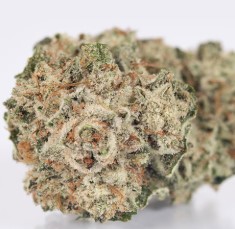
Aroma:
- A strong, earthy, diesel-like smell with faint notes of pine and sour citrus.
Flavor Profile:
- A combination of earthy pine, diesel, and cocoa with hints of citrus.
Recreational Uses and Effects
In the recreational cannabis world, Original Glue is highly praised for its euphoric, calming, and intensely sedative effects.
Primary Effects:
- Euphoria – Instantaneous cerebral boost improves mood and lowers stress levels for users.
- Relaxation – After a long day, it is perfect for winding down because it promotes full-body relaxation.
- Sedation – Strong couch-lock effect, especially at higher doses.
- Creativity Boost – Some users report enhanced creativity before the sedative effects fully set in.
- Happiness & Giggles – It can make people laugh and feel happy in social situations.
Best Time for Use:
- Evening or Nighttime Use: Due to its heavy sedative properties, it is best consumed when relaxation or sleep is desired.
Potential Side Effects:
- Dry Mouth & Dry Eyes – Common in high-THC strains.
- Dizziness & Anxiety – Occurs in certain users, particularly those who have a low threshold for THC.
- Couch-lock & Lethargy – High doses can make it difficult to stay active.
Medical Benefits
Original Glue (GG4) is a high-THC cannabis strain widely recognized for its analgesic, neuroprotective, anxiolytic, and sedative properties. Its complex cannabinoid-terpene profile interacts with the endocannabinoid system (ECS), influencing pain modulation, mood regulation, and sleep induction. Below is an in-depth examination of its medical applications, biochemical mechanisms, and clinical potential.

1. Pain Management (Analgesic Properties)
Neuropathic and Chronic Pain:
- Mechanism of Action:
- Occurs in certain users, particularly those who have a low threshold for THC, neural transmission in the spinal cord and brain.
- Caryophyllene has anti-inflammatory properties that lessen regional discomfort by interacting with CB2 receptors.
- Conditions Treated:
- Fibromyalgia (Reduction in pain hypersensitivity)
- Neuropathy (THC-induced modulation of nerve pain)
- Migraines (Serotonin receptor activation & vasodilation)
- Arthritis (Anti-inflammatory action via cytokine suppression)
- Scientific Support:
- Studies indicate that THC-rich strains significantly reduce chronic pain by inhibiting pro-inflammatory cytokines (TNF-α, IL-1β, IL-6).
- Caryophyllene and myrcene act as natural analgesics, reducing opioid dependence for pain relief.
2. Anxiety and Stress Reduction (Anxiolytic Properties)
Endocannabinoid System Regulation:
- THC modulates GABAergic and glutamatergic pathways, inducing anxiolytic effects similar to benzodiazepines but with fewer sedative side effects.
- Limonene enhances serotonin and dopamine activity, improving mood stability.
Clinical Applications:
- Generalized Anxiety Disorder (GAD)
- Post-Traumatic Stress Disorder (PTSD)
- Social Anxiety Disorder (SAD)
Caution in Anxiety Treatment:
- High THC doses can induce transient paranoia in some individuals with pre-existing anxiety disorders.
- CBD balances the anxiolytic effects of THC by blocking its overstimulation of CB1 receptors.
3. Insomnia and Sleep Disorders (Sedative Effects)
Neurochemical Influence:
- Myrcene acts as a muscle relaxant and sedative, promoting deeper sleep cycles.
- THC increases slow-wave sleep (SWS) and decreases sleep latency, or the amount of time it takes to fall asleep REM sleep, beneficial for PTSD-related nightmares.
Medical Applications:
- Chronic Insomnia (Induces prolonged sleep duration)
- RLS (restless legs syndrome) (reduces activity at night)
- Sleep apnea (prevents airway collapse by controlling serotonin levels)
Scientific Backing:
- Cannabis-based sleep studies show THC reduces nocturnal awakenings and increases total sleep time, making Original Glue ideal for insomnia treatment.
4. Mood disorders and depression (effects of antidepressants)
Role of Cannabinoids in Depression Treatment:
- THC increases dopamine release, alleviating anhedonia (lack of pleasure).
- Limonene and pinene enhance serotonin signaling, improving mood and cognition.
Medical Applications:
- Major Depressive Disorder (MDD)
- Bipolar Depression
- Chronic Stress-Induced Mood Dysregulation
Scientific Evidence:
- Research indicates that THC and terpenes in Original Glue modulate the hypothalamic-pituitary-adrenal (HPA) axis in Original Glue, reducing stress-induced cortisol spikes.
- Caryophyllene’s interaction with CB2 receptors decreases neuroinflammation, which plays a role in treatment-resistant depression.
5. Neuroprotection and Cognitive Disorders
THC’s Role in Neuroprotection:
- THC acts as a neuroprotective agent by reducing oxidative stress and mitochondrial dysfunction in neurons.
- Caryophyllene promotes neuronal survival by activating anti-inflammatory pathways in the brain.
Conditions Treated:
- Alzheimer’s Disease (THC reduces β-amyloid plaque accumulation)
- Parkinson’s illness (THC reduces tremors by increasing dopamine production.)
- Multiple Sclerosis (MS) (nerve demyelination is prevented by neuroprotective actions)
Scientific Findings:
- Preclinical studies show that Original Glue cannabinoids reduce neuroinflammation and improve cognitive function in degenerative disorders.
- Myrcene increases acetylcholine levels, potentially improving memory function in neurodegenerative diseases.
6. Appetite Stimulation and Gastrointestinal Disorders
THC and Gastrointestinal Regulation:
- THC binds to CB1 receptors in the gut, promoting appetite and reducing nausea.
- Caryophyllene and limonene help with digestion by regulating inflammation and intestinal motility.
Medical Uses:
- Cachexia and Wasting Syndromes (Cancer & HIV-related weight loss)
- Irritable Bowel Syndrome (IBS) (Reduces cramping and spasms)
- Crohn’s Disease & Ulcerative Colitis (Anti-inflammatory effects on gut lining)
Clinical Studies:
- Patients with severe appetite suppression have been demonstrated to consume more calories when using THC-dominant cannabis such as Original Glue.
- Caryophyllene’s effect on CB2 receptors reduces intestinal inflammation in Crohn’s disease models.
7. Anti-Inflammatory and Autoimmune Benefits
THC and Caryophyllene’s Role in Immunomodulation:
- Suppresses overactive immune responses in autoimmune conditions.
- Inhibits COX-2 and prostaglandin production, reducing inflammatory pain.
Conditions Treated:
- Rheumatoid Arthritis (RA) (Reduces joint swelling and pain)
- Lupus (SLE) (Decreases immune overactivity)
- Psoriasis & Eczema (Reduces inflammatory skin conditions)
Scientific Basis:
- Caryophyllene activates the CB2 receptor, which reduces cytokine production and autoimmune-driven inflammation.
- By enhancing anti-inflammatory responses through terpene synergy, Original Glue is a powerful natural substitute for corticosteroids and NSAIDs.
Scientific Insights & Research
The molecular profile of Original Glue explains its effects and medical uses:
- THC and the Endocannabinoid System: THC binds to CB1 receptors in the brain, leading to mood elevation and euphoria, while also reducing pain perception.
- Caryophyllene’s Role in Inflammation: It may have analgesic and anti-inflammatory properties since it is an agonist of the CB2 receptor.
- Limonene & Mood Enhancement: This terpene is known to modulate serotonin and dopamine levels, contributing to stress reduction and antidepressant properties.
- Myrcene & Sedation: By intensifying the sedative effects of THC, the strain’s high myrcene content adds to its relaxing and couch-locking qualities.
Cultivation Information
It takes a thorough understanding of plant biology, environmental controls, and fertilizer management to cultivate Original Glue (GG4) management to optimize yield, resin production, and cannabinoid profile. Below is a scientific breakdown of the best cultivation techniques, plant physiology considerations, and environmental factors necessary for growing this potent hybrid.
Optimal Growing Conditions for Original Glue (GG4)
1. Environmental Control and Climate Requirements
Original Glue thrives best in a controlled indoor environment or in warm, Mediterranean-like climates when grown outdoors. To avoid mold, the strain’s dense, resinous blooms need to be carefully controlled in terms of temperature and humidity and optimize trichome development.
Temperature Requirements:
- Vegetative Stage: 72-78°F (22-25°C)
- Flowering Stage: 68-75°F (20-24°C)
- Late Flowering (Terpene Optimization): 64-70°F (18-21°C)
Humidity Control:
- Seedling Stage: 60-70% RH (Relative Humidity)
- Vegetative Stage: 50-60% RH
- Flowering Stage: 40-50% RH
- Late Flowering (Trichome Protection): 30-40% RH
Maintaining low humidity during flowering prevents Botrytis (bud rot), a common issue with dense strains like Original Glue.
2. Photoperiod and Light Spectrum Optimization
Indoor Lighting Needs:
Original Glue requires a well-calibrated light spectrum to encourage vigorous vegetative growth and high terpene and cannabinoid production during flowering.
Vegetative Phase (18/6 Light Cycle)
- Best Light Spectrum: 400–500 nm blue-dominant, with LED or Metal Halide grow lights.
- Light Intensity: 200-400 µmol/m²/s
- DLI (Daily Light Integral): 30-40 mol/m²/day
Flowering Phase (12/12 Light Cycle)
- Best Light Spectrum: Red-dominant (600-700 nm), High-Pressure Sodium or full-spectrum LED.
- Light Intensity: 600-900 µmol/m²/s
- DLI: 40-60 mol/m²/day
Using far-red light (700-750 nm) during the last hour of the day can promote faster flowering initiation.
Outdoor Light Requirements:
For outdoor growers, Original Glue needs full sunlight with at least 10-12 hours of direct exposure daily. For optimal absorption of sunlight, the strain works best in latitudes between 30° and 45°.
3. Nutrient Requirements & Soil Composition
Macronutrient Needs:
Original Glue has high metabolic demands due to its dense flowering structure and high resin production.
- Nitrogen (N) – Vegetative Stage:
- Required for chlorophyll production and rapid leaf expansion.
- Excess nitrogen in flowering can inhibit bud development.
- Phosphorus (P) – Early Flowering:
- Enhances root development and initiates bud formation.
- To avoid nutritional lockout, the P-K ratio must be balanced.
- Potassium (K) – Flowering in the middle to late stages:
- Increases terpene and cannabinoid biosynthesis.
- Enhances cell wall integrity, reducing stress-related bud rot.
Micronutrient Needs:
- Calcium (Ca): Prevents leaf curling by fortifying plant cell walls.
- Magnesium (Mg): Critical for chlorophyll synthesis, enhancing photosynthesis.
- Sulfur (S): Increases the formation of terpenes, which improve flavor and aroma.
Soil Composition & pH Requirements:
Ideal Soil pH: 5.5 to 6.0 for hydroponic systems, and 6.0 to 6.5 for soil-based plants.
Best medium: Loamy, well-aerated soil with high organic matter.
Recommended Feeding Schedule:
- Vegetative Growth: High N-P-K ratio
- Early Flowering: Moderate nitrogen, higher phosphorus (2-6-4)
- Peak Flowering: High potassium (1-4-6) for maximum resin production.
- Flush (Final 2 Weeks): Water with a pH of 6.2 to eliminate surplus nutrients and improve bud flavor.
4. Watering and Irrigation Strategy
Overwatering stress can cause root rot and nutrient shortages in Original Glue.
- Ideal Watering Frequency:
- Soil-based grows: Taking humidity and temperature into account every two to three days.
- Hydroponics: Continuous drip or Deep Water Culture (DWC) with EC (electrical conductivity) at 1.2-1.8 mS/cm.
- Water Quality:
- pH: 6.0-6.5
- EC (Electrical Conductivity): 1.2-2.0 mS/cm
- PPM (Parts Per Million): 600-1000 PPM depending on growth stage.
Using silica-based supplements can enhance stem strength and resistance to fungal infections.
5. Pruning, Training, and Yield Optimization
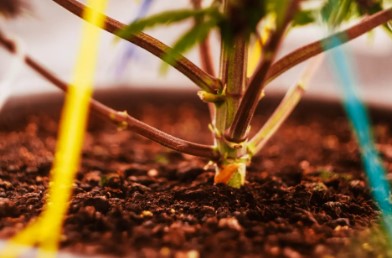
Low-Stress Training (LST):
- Bending and tying down branches to maximize light exposure and increase canopy efficiency.
- Leads to uniform bud growth and increased yields.
High-Stress Training (HST):
- Topping: To promote several colas, cut the primary stem.
- Supercropping: Putting branches under deliberate stress to boost resin production.
Defoliation:
- Lower fan leaves are removed to increase light penetration and airflow.
- Improves the growth of bud sites and inhibits powdery mildew.
6. Harvesting, Drying, and Curing
Harvest Timing:
Original Glue reaches peak potency at 8-9 weeks of flowering when 60-70% of trichomes are cloudy with some amber hues.
Drying Conditions:
- Temperature: 60-70°F (16-21°C)
- Humidity: 45-55% RH
- Air Circulation: Moderate with indirect airflow to prevent mold.
Curing Process:
- For the first two weeks, jars should be burped (briefly opened) every day to get rid of extra moisture.
- Ideal Curing Duration: For optimal terpene preservation and smooth smoking, let 4–8 weeks.
7. Pest and Disease Management
Common Pests:
- Spider Mites: Managed with predatory mites (Phytoseiulus persimilis) or neem oil.
- Fungus Gnats: Managed with diatomaceous earth or sticky traps.
- Thrips: Introduce ladybugs or biocontrol agents like Beauveria bassiana.
Common Diseases:
- Powdery Mildew: Prevented by proper airflow and sulfur-based sprays.
- Root Rot: Avoid overwatering and use mycorrhizal fungi to enhance root health.
Comparisons with Similar Strains
| Strain | THC Content | Effects | Best Uses |
|---|---|---|---|
| Original Glue (GG4) | 25-32% | Relaxing, Sedative, Euphoric | Pain, Insomnia, Stress |
| Gorilla Breath | 23-27% | Uplifting, Relaxing | Stress, Appetite Stimulation |
| Chemdawg | 20-25% | Euphoric, Cerebral | Mood Disorders, Chronic Pain |
| Chocolate Diesel | 19-23% | Energizing, Uplifting | Creativity, Fatigue |
Consumer Recommendations
- For Beginners: Start with small doses due to its high potency.
- For Medical Users: Best used in the evening to aid with pain relief, insomnia, and anxiety.
- For Recreational Users: Perfect for unwinding, watching films, or relieving stress after a demanding day.
Legal Status
As cannabis regulations change, Original Glue is now allowed in many states and nations where THC-rich cannabis is accepted for either medical or recreational purposes. However, legality varies by jurisdiction.
Conclusion
Original Glue (GG4) remains one of the most potent and sought-after strains in the cannabis world. Its potent sedative effects, award-winning genetics, and several medical uses make it appealing to a wide range of consumers. Whether used for stress relief, pain management, or deep relaxation, this strain continues to be a favorite among both medical and recreational users.
For a complete directory of cultivars, visit our Cannabis Strain Reviews.
