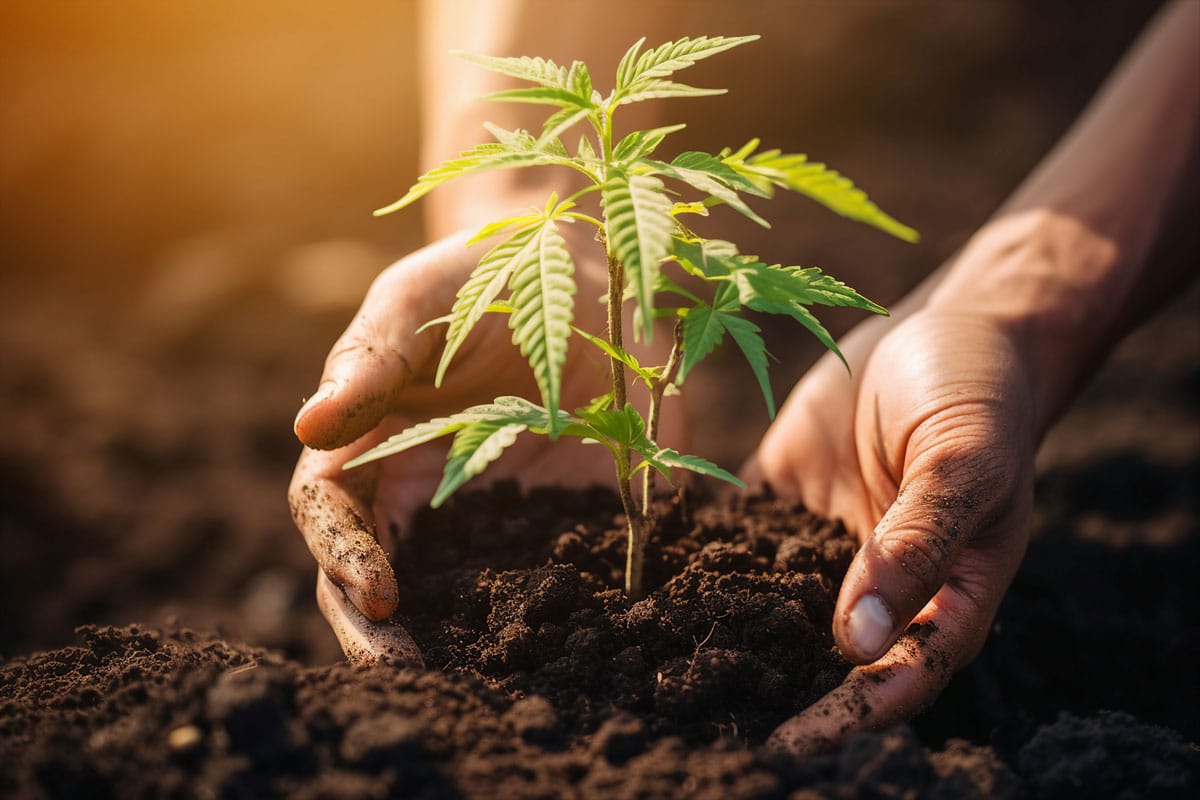
Organic Soil for Autoflowers: A Comprehensive Guide for Medical Cannabis Growing
Introduction
In the world of medical cannabis cultivation, growing autoflowers in organic soil is a practice that combines sustainability with efficiency. Organic soil provides a natural and eco-friendly medium that aligns with the principles of organic farming, while autoflowering cannabis strains offer a fast-growing, resilient option for medical cannabis patients. This guide delves into the benefits and intricacies of using organic soil for autoflower cannabis plants, with a focus on medical use, plant health, and sustainable growing practices.
Autoflowering strains, known for their fast life cycle and compact size, make them ideal for both indoor and outdoor medical cannabis cultivation. These strains can thrive without the need of artificial fertilizers or pesticides when planted in organic soil. In this detailed 5000-word guide, we will explore the benefits of organic soil, how to create it, the specific needs of autoflowering strains, and why it’s an optimal choice for medical cannabis cultivation.
1. Understanding Organic Soil and Its Benefits
What Is Organic Soil?
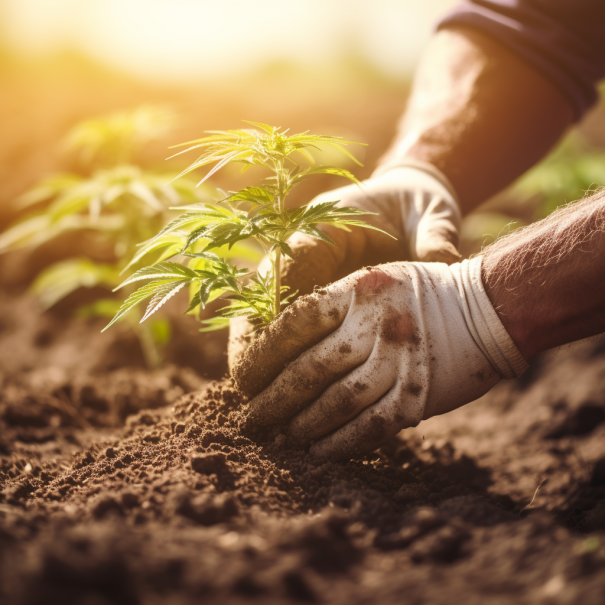
Organic soil is composed of natural, decomposed matter that is rich in nutrients and microorganisms. Unlike conventional soils, which often rely on chemical additives, organic soil is built from compost, earthworm castings, bone meal, bat guano, and other natural components. These elements work together to create a living ecosystem within the soil, supporting plant health through natural processes.
Why Choose Organic Soil for Medical Cannabis?
For medical cannabis growers, using organic soil offers several advantages:
- No Harmful Chemicals: Organic soil eliminates the need for synthetic fertilizers and pesticides, which can leave chemical residues on the plant. For patients relying on cannabis for medical purposes, ensuring a clean, chemical-free product is essential.
- Sustainability: Organic farming methods focus on sustainability, improving soil health over time, and reducing the environmental impact of cannabis cultivation. This is important for growers committed to producing medicine in an eco-friendly way.
- Improved Flavor and Aroma: Organic soil enhances the natural terpenes of cannabis plants, which are responsible for their aroma and flavor. While flavor may not seem like a key concern for medical users, certain terpenes have therapeutic effects, such as those aiding in pain relief or reducing anxiety.
- Higher Nutrient Availability: Organic soil provides a slow, steady release of nutrients as microorganisms break down organic matter. This helps medical cannabis plants grow stronger and more resilient without the risk of nutrient burn or deficiency.
Key Components of Organic Soil for Autoflowers
Organic soil for autoflowers must be well-balanced and provide the essential nutrients at each stage of growth. The key components of organic soil include:
- Compost: A mix of decomposed plant matter that provides essential nutrients like nitrogen, phosphorus, and potassium.
- Earthworm Castings: Earthworm castings, often called “black gold,” are a slow-releasing source of nutrients and help strengthen the structure of the soil.
- Bone Meal: A source of phosphorus, bone meal aids in root development and flowering.
- Bat Guano: Rich in nitrogen, phosphorus, and potassium, bat guano is an excellent all-round fertilizer for cannabis plants.
- Mycorrhizae: Beneficial fungi that improve nutrient uptake by forming a symbiotic relationship with plant roots.
By using these components, growers can create a rich, fertile environment that supports the health and vitality of medical cannabis plants throughout their life cycle.
2. Benefits of Growing Autoflowers in Organic Soil
Faster Growth and Harvest
Autoflowering cannabis strains are prized for their ability to grow quickly, typically completing their life cycle in 8-12 weeks. For patients who require a consistent supply of medication, this makes them a desirable choice. Organic soil complements this rapid growth by providing a balanced and consistent nutrient source that doesn’t overwhelm the plant.
Low Maintenance
Autoflowers are known for their resilience and low maintenance, and organic soil enhances these qualities. Since organic soil provides slow-releasing nutrients, growers don’t need to monitor and adjust nutrient levels as frequently as with synthetic fertilizers. This is particularly beneficial for medical cannabis patients who may not have the time or expertise to manage a complex nutrient regimen.
Healthier Plants and Higher Medicinal Value
The rich ecosystem within organic soil helps autoflowers resist pests, diseases, and environmental stress. This is crucial for medical cannabis, where plant health directly impacts the quality of the medicine. By growing autoflowers in organic soil, patients can ensure that their plants are healthy and potent, providing the highest possible medicinal value.
3. The Ideal Organic Soil Mix for Autoflowers
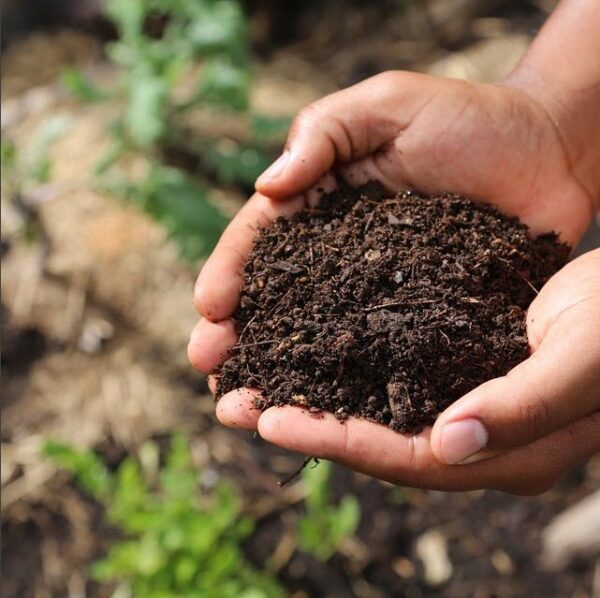
Basic Organic Soil Recipe for Autoflowers
Creating a balanced organic soil mix for autoflowers is key to achieving optimal growth and potency. Here’s a basic recipe that provides the right balance of nutrients, microorganisms, and drainage for autoflowers:
- Base Soil (40%): A good base soil should be light, airy, and well-draining. This can include coco coir, peat moss, or a mix of both.
- Compost (30%): High-quality compost provides essential nutrients and supports microbial life in the soil. Homemade compost or commercial organic compost can be used.
- Perlite (15%): Perlite improves soil aeration and prevents waterlogging, which can stunt the growth of autoflowers.
- Earthworm Castings (10%): A source of slow-release nutrients that improve soil structure and support plant health.
- Bone Meal (2%): A natural source of phosphorus for strong root development and flowering.
- Kelp Meal (1%): Rich in trace minerals and growth hormones, kelp meal promotes vigorous growth in autoflowers.
Adjusting the Mix for Different Growth Stages
Autoflowers have a short life cycle, so it’s important to provide them with the right nutrients at each stage of growth. Here’s how to adjust your organic soil mix to meet the changing needs of your plants:
- Seedling Stage: Autoflowers don’t need a lot of nutrients during the seedling stage. A light, airy soil mix with good drainage is essential to prevent root rot and allow for healthy root development. A basic mix of base soil, compost, and perlite is sufficient.
- Vegetative Stage: During the vegetative stage, autoflowers require more nitrogen to support leaf and stem growth. Earthworm castings and compost provide a steady source of nitrogen, while the addition of bat guano or blood meal can give a boost if needed.
- Flowering Stage: Autoflowers require more phosphate and potassium as they go through the flowering cycle in order to support the growth of buds. Bone meal and kelp meal are excellent organic sources of these nutrients.
The Importance of pH Levels
Maintaining the correct pH level is essential for nutrient uptake in cannabis plants. Autoflowers thrive in a slightly acidic soil environment with a pH between 6.0 and 6.5. Organic soil tends to buffer pH naturally, but it’s still important to test your soil regularly and adjust it if necessary.
4. Preparing and Amending Organic Soil for Autoflowers
Composting for Autoflowers
Creating your own compost is a cost-effective and sustainable way to ensure your autoflowers have access to high-quality organic nutrients. Composting is the process of converting organic materials into nutrient-rich humus, such as leftover food, leaves, and grass clippings.
To create compost for autoflowers:
- Balance Green and Brown Materials: Green materials (e.g., fruit and vegetable scraps) provide nitrogen, while brown materials (e.g., leaves, straw) provide carbon. A balanced compost pile should contain roughly 50% green and 50% brown materials.
- Turn the Pile Regularly: Turning the compost pile every few weeks ensures that it breaks down evenly and that oxygen reaches all parts of the pile.
- Allow Time for Maturation: Compost can take anywhere from 3 to 6 months to fully mature. Fully decomposed compost is dark, crumbly, and smells earthy.
Amending Soil with Organic Nutrients
Even the best organic soil will eventually need to be amended with additional nutrients. Over time, your autoflowers will deplete the nutrients in the soil, especially during the flowering stage. Amending the soil with organic fertilizers like bone meal, bat guano, or compost tea can ensure your plants continue to receive the nutrients they need.
- Compost Tea: Compost tea is a liquid fertilizer made by steeping compost in water. It can be applied as a foliar spray or poured directly into the soil to boost microbial activity and nutrient availability.
- Top Dressing: Top dressing involves adding a layer of organic matter, such as earthworm castings or bat guano, to the top of the soil. This slowly releases nutrients into the soil as it decomposes.
5. Managing Soil Health for Medical Cannabis Autoflowers
The Role of Microorganisms in Organic Soil
Numerous helpful microorganisms, including fungi, bacteria, and protozoa, are abundant in organic soil. These microorganisms collaborate to decompose organic matter and release nutrients for your autoflowers. By developing a symbiotic association with the plant roots, these microbes enhance nutrient intake and strengthen the plant’s defenses against disease.
- Mycorrhizal Fungi: Mycorrhizal fungi form a network of filaments that extend from the plant’s roots into the soil, increasing the surface area for nutrient absorption. These fungi are especially important for medical cannabis, as they help the plant absorb phosphorus, which is crucial for bud development.
- Nitrogen-Fixing Bacteria: The nitrogen in the atmosphere is changed by nitrogen-fixing bacteria into a form that plants can utilize. This is important for the vegetative stage, when autoflowers need a steady supply of nitrogen to support leaf and stem growth.
Preventing Pests and Diseases
One of the benefits of growing autoflowers in organic soil is that healthy soil helps prevent pests and diseases. A diverse population of microorganisms in the soil creates a balanced ecosystem where harmful pathogens are less likely to thrive.
- Beneficial Insects: Predatory mites and ladybugs are two examples of insects that can aid in natural pest control. By eating dangerous pests like spider mites and aphids, these insects maintain the health of your plants without requiring chemical pesticides.
- Companion Planting: Companion plants like marigolds, basil, and garlic can help repel pests and attract beneficial insects. These plants can be grown alongside your autoflowers to create a natural pest control system.
Rotating Crops and Soil Rejuvenation
If you’re growing autoflowers in the same soil over multiple cycles, it’s important to rotate crops and rejuvenate the soil between grows. Growing the same crop repeatedly can deplete the soil of specific nutrients and lead to a buildup of pathogens.
To rejuvenate organic soil:
- Add Fresh Compost: Incorporating fresh compost between grows replenishes the nutrients in the soil and supports microbial activity.
- Plant Cover Crops: Cover crops like clover or alfalfa can be grown in the off-season to fix nitrogen in the soil and prevent erosion. To enhance the soil’s fertility and structure, the cover crop can be tilled back into the ground once it has grown.
- Allow the Soil to Rest: Giving the soil time to rest between grows allows the microbial community to recover and re-establish a healthy balance.
6. Organic Soil and Autoflower Cannabis for Medical Use
The Therapeutic Benefits of Autoflower Medical Cannabis
Medical cannabis grown in organic soil is particularly beneficial for patients due to its purity, potency, and natural cultivation methods. For patients using cannabis for conditions such as chronic pain, anxiety, or epilepsy, the clean, chemical-free nature of organic cannabis is essential.
- Pain Relief: Autoflowering cannabis strains rich in cannabinoids like CBD and THC can offer significant pain relief for patients with conditions like arthritis, multiple sclerosis, or neuropathy. Organic soil ensures that these plants are free from contaminants that could compromise their medicinal quality.
- Anxiety and Depression: Strains rich in certain terpenes, such as limonene and linalool, are known to help reduce anxiety and depression. Organic growing methods enhance these terpenes, making the medicine more effective for patients suffering from mood disorders.
- Seizure Disorders: Autoflowering strains high in CBD have shown promise in reducing the frequency and severity of seizures in patients with epilepsy. The purity of organically grown cannabis is critical for these patients, as chemical residues can potentially trigger adverse reactions.
Why Organic Soil Matters for Medical Cannabis Patients
For medical cannabis patients, the quality and safety of their medicine are paramount. Synthetic fertilizers and pesticides used in conventional growing can leave harmful residues on the plant, which may be ingested or inhaled by patients. Organic soil eliminates this risk by providing a natural, chemical-free growing medium that supports the health and well-being of both the plant and the patient.
Additionally, organically grown cannabis often contains higher levels of terpenes and cannabinoids, which can enhance its medicinal properties. For patients using cannabis as a treatment for serious medical conditions, these compounds can make a significant difference in the effectiveness of the medicine.
Restrictions on Growing Cannabis and Using it in the Medical Field as a Last Resort

In many countries, the cultivation and use of cannabis for medical purposes are tightly regulated. Restrictions typically include:
- Licensing Requirements: Only licensed growers or medical institutions are allowed to cultivate cannabis for medical use. These licenses often involve strict oversight by government bodies to ensure compliance with legal standards.
- Medical Prescription: Cannabis is often treated as a last-resort treatment, meaning it can only be prescribed when other conventional treatments have failed. Doctors must provide detailed documentation showing that no other therapies were effective.
- Specific Medical Conditions: Only some authorized medical diseases, such as multiple sclerosis, epilepsy, or chronic pain, are permitted to utilize cannabis. Unauthorized use outside of these conditions can result in penalties.
- Dosage Control: There are restrictions on the dosage of cannabis prescribed to ensure that patients do not exceed the necessary amount for their medical condition. This is monitored closely by healthcare providers.
Monitoring THC Levels in Medical Cannabis to Prevent Psychoactive Effects
To prevent unwanted psychoactive effects in patients, medical cannabis products are strictly monitored for THC levels:
- Low-THC Strains: Medical cannabis often prioritizes strains with high CBD and low THC content to minimize psychoactivity. Strains with THC levels below 1% are commonly preferred for therapeutic purposes.
- Lab Testing: Medical cannabis products are subjected to rigorous lab testing to verify their cannabinoid profiles, including the exact concentration of THC and CBD. These tests ensure that THC levels remain within safe, non-psychoactive limits.
- Standardized Dosing: Medical cannabis is delivered in standardized doses, often in forms such as oils, capsules, or tinctures. This allows precise control over THC intake to avoid psychoactive effects.
- Ongoing Monitoring: Healthcare providers regularly monitor patient responses to cannabis treatments and adjust THC levels as necessary, ensuring that psychoactive effects are minimized while therapeutic benefits are maximized.
Conclusion
The use of cannabis in the medical field, particularly for patients who require it as a last resort, is governed by strict regulations to ensure patient safety and treatment efficacy. Restrictions on growing cannabis include licensing requirements, dosage control, and limitations to specific medical conditions. In the medical sphere, cannabis is only prescribed after other treatments have failed, highlighting its role as a carefully monitored, alternative therapy.
Monitoring THC levels in medical cannabis is crucial to prevent unwanted psychoactive effects, ensuring that patients receive the therapeutic benefits of cannabis without the cognitive impairment associated with higher THC concentrations. Through the use of low-THC strains, rigorous lab testing, and precise dosing, the medical cannabis industry ensures that treatments remain both effective and safe for patients.
This comprehensive approach, which balances strict oversight with the therapeutic potential of cannabis, enables medical practitioners to harness the plant’s benefits while safeguarding patients’ well-being. As the medical cannabis field continues to evolve, the emphasis on patient safety, efficacy, and responsible use will remain paramount.
