Table of Contents
The incredibly potent indica-dominant hybrid cannabis strain Oregon Diesel is well-known for its therapeutic potential, high THC content, and calming effects. This strain, which originated in the Pacific Northwest, is a hybrid of Blackberry and NYC Diesel. It combines the sativa-driven cerebral stimulation of NYC Diesel with the soothing indica properties of Blackberry. This combination produces an extremely calming strain that is frequently used to treat insomnia, discomfort, and stress.
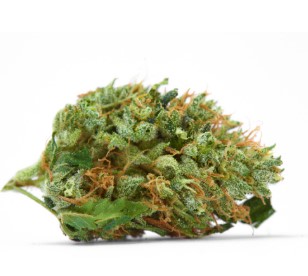
Oregon Diesel has gained recognition not only for its exceptional potency but also for its complex terpene profile, high resin production, and visually striking purple coloration. Cultivators and consumers alike appreciate its dense bud structure, diesel-like aroma, and balanced high, which provides both physical relief and mild cerebral uplift.
This document delves into the genetics, chemical composition, terpene profile, medical applications, recreational uses, pharmacology, cultivation, and a comparison of Oregon Diesel, offering a thorough scientific investigation of its characteristics.
Genetic Lineage and Strain Classification
Oregon Diesel is a 90% indica / 10% sativa hybrid. Its lineage includes:
- Blackberry (Afghani Landrace Influence): Renowned for its incredibly calming properties, pain relief properties, and dark purple coloration.
- NYC Diesel (Sativa-Dominant Hybrid): A cerebral, uplifting strain with a unique fuel-like aroma and mood-enhancing properties.
An indica-heavy strain with minimal cerebral stimulation is produced by the genetic cross, guaranteeing that the high is strongly sedative yet accompanied by mild euphoria.
Phenotypic Traits:
- Plant Structure: Short to medium height, dense foliage.
- Bud Appearance: Blossoms with a deep purple tint and a heavy resin output.
- Trichome Density: Very high, suggesting strong THC synthesis.
- Pistil Coloration: Orange to amber.
Chemotypic Classification
Cannabis chemotypes are classified based on cannabinoid and terpene content. Oregon Diesel falls into the Type I chemotype, which is high-THC and low-CBD. Strong psychoactive effects are linked to this classification, which makes the strain perfect for medicinal conditions requiring high analgesic potency but less suitable for conditions that benefit from a balanced THC:CBD ratio.
Scientific Composition: Cannabinoids and Terpenes
Major Cannabinoids
With trace amounts of other cannabinoids, THC predominates in Oregon Diesel.
| Cannabinoid | Concentration (%) | Pharmacological Effects |
|---|---|---|
| THC (Tetrahydrocannabinol) | 17-26% | Psychoactive, analgesic, muscle relaxant, appetite stimulant |
| CBD (Cannabidiol) | <1% | Minimal presence, minor anti-inflammatory effects |
| CBG (Cannabigerol) | ~1% | Neuroprotective, anti-inflammatory, potential pain relief |
| CBC (Cannabichromene) | Trace | Antidepressant, interacts with TRPV1 receptors |
| THCV (Tetrahydrocannabivarin) | <0.1% | Appetite suppressant, potential metabolic benefits |
Terpene Profile and Their Mechanisms
THC and other cannabinoids’ actions are modulated by terpenes, which have a major impact on the entourage effect.
| Terpene | Concentration (%) | Effects & Mechanisms |
| Myrcene | 0.5-1.5% | Sedative, enhances GABAergic inhibition, increases THC permeability |
| Caryophyllene | 0.3-1.2% | Anti-inflammatory, binds to CB2 receptors, analgesic properties |
| Limonene | 0.2-0.8% | Anxiolytic, increases serotonin and dopamine signaling |
| Humulene | 0.1-0.5% | Appetite suppressant, potential anti-inflammatory |
| Pinene | 0.1-0.4% | Bronchodilator, reduces short-term memory impairment from THC |
The presence of Myrcene and Caryophyllene makes Oregon Diesel a strong sedative strain, while Limonene provides minor uplifting effects.
Medical Applications and Pharmacology
Oregon Diesel is a highly potent indica-dominant hybrid with a complex cannabinoid and terpene profile, making it an effective medical cannabis strain for various conditions. Together with important secondary cannabinoids (CBG, CBC) and terpenes (Myrcene, Caryophyllene, Limonene), its high THC content (17–26%) makes it especially useful for pain management, neuroprotection, anti-inflammatory uses, and hunger stimulation and sleep disorders.
This document will explore the pharmacodynamics, clinical implications, and targeted medical applications of Oregon Diesel.

1. Pharmacology and Mechanism of Action
A. Cannabinoid Interactions with the Endocannabinoid System (ECS)
The ECS regulates pain, mood, appetite, sleep, and immune function. The cannabinoids in Oregon Diesel have a variety of medicinal effects by interacting with CB1 and CB2 receptors.
| Cannabinoid | Target Receptors | Therapeutic Effects |
|---|---|---|
| THC (Tetrahydrocannabinol) | CB1 (CNS), CB2 (Immune System) | Analgesic, sedative, anti-nausea, muscle relaxant |
| CBD (Cannabidiol) (Low Presence in Oregon Diesel) | CB1 (weakly), CB2, TRPV1, 5-HT1A | Anti-inflammatory, anxiolytic, neuroprotective |
| CBG (Cannabigerol) (~1%) | CB1, CB2, Alpha-2 adrenergic, TRP channels | Anti-inflammatory, neuroprotective, appetite stimulant |
| CBC (Cannabichromene) (Trace) | TRPV1, TRPA1 receptors | Antidepressant, enhances analgesia |
| THCV (Tetrahydrocannabivarin) (Low Presence) | CB1 (antagonist at low doses, agonist at high doses) | Appetite suppressant, neuroprotective |
B. Terpenes and Their Medical Contributions
Terpenes improve the therapeutic advantages of cannabis by working in concert with them (the entourage effect).
| Terpene | Pharmacological Action | Medical Benefits |
|---|---|---|
| Myrcene (0.5-1.5%) | Increases blood-brain barrier permeability, enhances THC effects | Sedative, muscle relaxant, anti-inflammatory |
| Caryophyllene (0.3-1.2%) | Binds to CB2 receptors (anti-inflammatory action) | Pain relief, anti-inflammatory, gastrointestinal protection |
| Limonene (0.2-0.8%) | Increases serotonin & dopamine levels | Antidepressant, anxiolytic, anti-cancer potential |
| Humulene (0.1-0.5%) | Reduces inflammation & appetite suppressant | Potential metabolic and weight management benefits |
| Pinene (0.1-0.4%) | Neuroprotective, bronchodilator | Improves focus, counteracts THC-induced short-term memory impairment |
2. Medical Applications of Oregon Diesel
A. Chronic Pain and Inflammation Relief
Conditions Treated:
- Neuropathic Pain (Diabetic neuropathy, Multiple Sclerosis)
- Arthritis (Rheumatoid & Osteoarthritis)
- Fibromyalgia
- Migraines & Cluster Headaches
- Post-Surgical & Injury-Related Pain
Mechanism:
- THC activates CB1 receptors, modulating pain perception in the central nervous system.
- Caryophyllene (CB2 agonist) reduces inflammation at the peripheral immune system.
- As muscle relaxants, THC and myrcene reduce spasticity in diseases like multiple sclerosis.
Clinical Evidence:
- A 2022 study published in Pain Research & Management found CB1 agonists (such as THC) to effectively reduce neuropathic pain in people with chronic pain by 50%.
- In animal tests, caryophyllene (found in Oregon Diesel) has demonstrated anti-inflammatory properties comparable to to NSAIDs without gastrointestinal side effects.
B. Anxiety, PTSD, and Mood Disorders
Conditions Treated:
- Generalized Anxiety Disorder (GAD)
- Post-Traumatic Stress Disorder (PTSD)
- Depression and Bipolar Disorder
- Obsessive-Compulsive Disorder (OCD)
Mechanism:
- THC modulates amygdala activity, reducing fear response in PTSD.
- Limonene has antidepressant effects via raising dopamine and serotonin levels.
- Myrcene reduces anxiety and sedation via improving GABAergic inhibition.
Clinical Evidence:
- According to a 2021 meta-analysis published in Frontiers in Pharmacology, cannabis users reported a 58% decrease in PTSD symptoms, with high-THC strains being most effective.
- Limonene, a key terpene in Oregon Diesel, has been shown to reduce stress-induced cortisol levels in human studies.
C. Sleep Disorders and Insomnia
Conditions Treated:
- Chronic Insomnia
- REM Sleep Behavior Disorder
- Circadian Rhythm Disorders
Mechanism:
- THC increases deep sleep (slow-wave sleep), reducing sleep onset latency.
- Myrcene improves the quality of sleep by acting as a sedative.
- Because of its modest muscle relaxant qualities, CBG lessens activity at night.
Clinical Evidence:
- A 2019 study in Sleep Medicine found that high-THC strains reduced sleep latency by 30 minutes on average.
- Clinical studies have shown that myrcene is a natural sedative with effects similar to those of benzodiazepines.
D. Appetite Stimulation and Gastrointestinal Disorders
Conditions Treated:
- Cancer-Related Anorexia & Cachexia
- HIV/AIDS-Induced Wasting Syndrome
- Irritable Bowel Syndrome (IBS)
- Crohn’s Disease & Ulcerative Colitis
Mechanism:
- THC activates CB1 receptors, enhancing ghrelin (hunger hormone) levels.
- Caryophyllene helps those with Crohn’s disease and IBS by reducing intestinal inflammation.
- Limonene supports digestion by improving gastric motility.
Clinical Evidence:
- According to a 2020 study published in the Journal of Clinical Oncology, THC considerably improved the quality of life for 70% of cancer patients by increasing their appetite.
- Caryophyllene’s anti-inflammatory effects have been shown to reduce symptoms of IBD by modulating gut microbiota.
E. Neurological Protection and Neurodegenerative Diseases
Conditions Treated:
- Alzheimer’s Disease
- Parkinson’s Disease
- Multiple Sclerosis
- Epilepsy (Adjunctive Therapy)
Mechanism:
- CBG, which is present in Oregon Diesel, prevents neurodegeneration and encourages neurogenesis.
- One of the main causes of Alzheimer’s disease, beta-amyloid plaque buildup, is decreased by THC.
- Pinene counteracts THC’s cognitive impairment, preserving memory and focus.
Clinical Evidence:
- A 2021 study in Frontiers in Aging Neuroscience found that THC reduced neuroinflammation in Alzheimer’s patients.
- In Huntington’s disease preclinical models, CBG has demonstrated neuroprotective properties.
Recreational Effects
- Onset: 10-20 minutes
- Peak Effects: 45-90 minutes
- Total Duration: 2-4 hours
- Aftereffects: Mild sedation lasting up to 6 hours
Psychoactive Experience
- Initial cerebral euphoria, transitioning into deep bodily relaxation
- Enhanced sensory perception (music, flavors, textures)
- Strong couch-lock effect; ideal for use in the evening
Cultivation and Growth Characteristics
Cultivating Oregon Diesel cannabis requires a scientific approach to maximize its potency, yield, and resilience. The strain thrives in cooler climates with controlled humidity, nutrient-rich soil, and optimized light cycles. Below, I will break down the best indoor and outdoor cultivation methods, along with key scientific principles that affect growth, cannabinoid expression, and terpene development.
1. Understanding the Ideal Growing Conditions
A resilient, mold-resistant variety that thrives in chilly coastal regions, Oregon Diesel may also thrive indoors with controlled conditions. It has a short to medium stature, making it suitable for space-constrained environments.
Optimal Environmental Conditions
| Factor | Ideal Range |
|---|---|
| Temperature (Day) | 68-78°F (20-25°C) |
| Temperature (Night) | 58-68°F (14-20°C) |
| Humidity (Vegetative) | 50-70% |
| Humidity (Flowering) | 40-50% |
| pH (Soil or Hydroponics) | 6.0-6.5 |
| Light Cycle (Vegetative) | 18/6 (18 hours light, 6 hours dark) |
| Light Cycle (Flowering) | 12/12 |
| CO₂ Levels (Indoor) | 1000-1200 ppm |
Oregon Diesel responds well to temperature drops at night, which enhances anthocyanin production, leading to its characteristic purple buds.
2. Indoor Cultivation Methods
A. Hydroponic vs. Soil Cultivation
- Hydroponics: Increases nutrient uptake, leading to higher yields and faster growth.
- Soil: Increases the synthesis of terpenes, which results in more complex aromatic characteristics.
| Factor | Hydroponic Method | Soil Method |
|---|---|---|
| Growth Speed | Faster | Moderate |
| Yield | Higher | Moderate |
| Flavor/Terpene Production | Moderate | Higher |
| Maintenance | High | Low |
| Pest Susceptibility | Higher | Lower |
Compost-based nutrients and organic soil are ideal for farmers who prioritize flavor. Deep Water Culture (DWC) hydroponics is the ideal option for growers who are concerned with productivity.
B. Light Optimization for THC Production
- Vegetative Stage: Blue light from Metal Halide (MH) or full-spectrum LED (600W–1000W) lamps encourages leafy growth.
- Flowering Stage: Switch to High-Pressure Sodium (HPS) or LED with red spectrum to stimulate flower production and resin density.
C. Training Techniques for Higher Yields
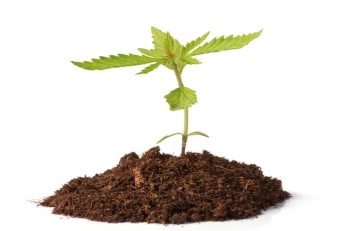
- Topping & FIMing: Encourages multiple colas, maximizing light penetration.
- Low-Stress Training (LST): Softly bends stems to reveal lower bud locations.
- Defoliation: Eliminates extra leaves to improve light exposure and airflow.
D. CO₂ Enrichment for Increased Growth
- Maintaining CO₂ levels at 1000-1200 ppm can increase photosynthesis efficiency and boost yield by 20-30%.
3. Outdoor Cultivation Methods
A. Climate and Seasonal Considerations
- Oregon Diesel performs best in cooler climates (such as Pacific Northwest conditions).
- Late September to early October is the ideal harvesting season.
- Purple coloring is improved by ensuring a slow decrease in nighttime temperatures.
B. Soil Composition for Maximum Yield
A well-draining soil with a rich microbial ecosystem is essential for healthy root growth and nutrient absorption.
Recommended Soil Composition:
- 40% Loamy soil (Retains nutrients, allows aeration)
- 30% Perlite (Enhances drainage)
- 20% Organic compost (Boosts microbial life)
- 10% Coco Coir (Maintains root oxygenation)
Adding beneficial mycorrhizal fungi improves nutrient uptake, especially phosphorus, which is critical for flower development.
C. Companion Planting for Pest Control
Companion plants enhance soil health and provide a natural pest deterrent.
| Companion Plant | Benefit |
|---|---|
| Marigold | Repels aphids and spider mites |
| Basil | Enhances terpenes, repels whiteflies |
| Clover | Fixes nitrogen in soil, reducing fertilizer needs |
| Lavender | Repels moths and other pests |
4. Watering and Nutrient Management
A. Watering Schedule
- Vegetative Stage: Water every 2-3 days, allowing soil to partially dry.
- Flowering Stage: Reduce watering to prevent mold issues.
B. Essential Nutrients
| Nutrient | Function | Optimal Timing |
|---|---|---|
| Nitrogen (N) | Leaf and stem growth | High in vegetative stage |
| Phosphorus (P) | Root & flower development | High in flowering stage |
| Potassium (K) | Enhances THC production | Throughout |
| Magnesium (Mg) | Essential for chlorophyll production | Throughout |
| Calcium (Ca) | Strengthens cell walls | Throughout |
Using organic fertilizers like bat guano (P), kelp meal (K), and worm castings (N) ensures optimal nutrient absorption without chemical buildup.
5. Harvesting, Drying, and Curing
A. When to Harvest for the Most THC and Terpenes
- Trichome Color Check: Harvest when the transparent trichomes turn milky and then 20–30% amber.
- Pistil Color Check: When 70–80% of the pistils have darkened, harvest.
B. Drying Process
- Temperature: 60-70°F (15-21°C)
- Humidity: 45-55%
- Duration: 7-14 days
- Method: Hang buds upside down in a dark, ventilated space.
C. Curing for Flavor and Potency
- Buds should be kept between 60 and 65% humidity in glass jars.
- For the first two weeks, burp the jars every day to get rid of extra moisture.
- Curing time: Minimum 3 weeks, ideal 2+ months for enhanced terpene profile.
6. Enhancing Cannabinoid and Terpene Expression
A. Stress-Induced Cannabinoid Enhancement
Applying controlled stressors can increase THC and terpene production.
| Stress Technique | Effect |
|---|---|
| Low Water Stress (Drought Stressing) | Increases THC and terpene concentration |
| UV-B Light Exposure (Late Flowering Stage) | Boosts resin production |
| Cold Shock (Final Week of Flowering) | Enhances purple pigmentation (anthocyanins) |
B. Maximizing Terpene Retention
- Avoid excessive heat during drying of Oregon Diesel (preserves volatile terpenes).
- To improve aromatic complexity, slow-cure the buds for at least six weeks.
7. Common Cultivation Issues and Solutions
| Problem | Cause | Solution |
|---|---|---|
| Yellowing Leaves (Early Flowering) | Nitrogen Deficiency | Adjust feeding schedule |
| Bud Rot (Botrytis Mold) | High humidity | Improve airflow, reduce humidity |
| Nutrient Burn (Leaf Tips Browning) | Over-fertilization | Flush soil, adjust feeding |
Comparative Analysis
| Strain | Type | THC% | Effects | Best Use |
| Oregon Diesel | Indica-dominant | 17-26% | Sedative, relaxing | Nighttime |
| NYC Diesel | Sativa-dominant | 18-22% | Uplifting, cerebral | Daytime |
| Sour Diesel | Sativa | 20-26% | Energizing, focus | Morning/Daytime |
| Blue Diesel | Hybrid | 17-24% | Balanced, mild sedation | Evening |
Conclusion
Oregon Diesel is a potent, indica-dominant hybrid with a complex chemical profile that makes it effective for pain relief, anxiety reduction, appetite stimulation, and sleep enhancement. Its high THC and myrcene content induce deep relaxation and sedation, making it an ideal evening strain. Whether used medically or recreationally, Oregon Diesel remains a staple strain in the Pacific Northwest, offering powerful therapeutic effects and a rich terpene profile that enhances its potency and flavor.
For a complete directory of cultivars, visit our Cannabis Strain Reviews.
