Table of Contents
Orange Skunk is a balanced hybrid cannabis strain with genetics derived from two iconic varieties: California Orange and Skunk #1. It is renowned for its citrusy aroma, potent effects, and versatile applications for both medical and recreational users. This strain has gained popularity due to its uplifting cerebral high and relaxing body effects, making it an excellent choice for various users.
Genetic Lineage and Cultivation
Orange Skunk is a cross between California Orange, a classic citrus-forward strain known for its uplifting effects, and Skunk #1, a foundational hybrid responsible for the widespread Skunk family. This combination results in a well-balanced hybrid with a 60% sativa and 40% indica genetic makeup, although some phenotypes lean slightly toward either end of the spectrum.
Cultivation Characteristics
The cultivation of Orange Skunk cannabis strain involves various scientific principles, including genetic optimization, controlled environmental factors, nutrient management, and pest control. Below is a detailed breakdown of the best scientific approaches to cultivating this strain efficiently while maximizing yield, potency, and terpene production.
1. Genetic Optimization
Before starting cultivation, selecting the best phenotype of Orange Skunk is critical. This involves:
- Phenotype Selection: Identifying plants with the best yield, resin production, and terpene profile through a pheno-hunting process.
- Cloning vs. Seed Germination:
- Clones: Ensure genetic stability and uniform plant growth.
- Seeds: Greater genetic diversity but may require selective breeding.
Genetic Enhancement Techniques
- Tissue Culture Propagation: Allows for the production of virus-free, disease-resistant cannabis plants with stable genetics.
- Genetic Marker-Assisted Selection: Helps identify specific genes related to THC, terpene content, and disease resistance.
2. Environmental Control (Optimizing Growth Conditions)
Orange Skunk thrives in specific temperature, humidity, and light conditions, which should be carefully monitored and adjusted using modern agricultural technology.
Indoor vs. Outdoor Cultivation
- Indoor Cultivation: Requires precise control over environmental factors, leading to higher resin production and more controlled terpene profiles in Orange Skunk.
- Outdoor Cultivation: Ideal for large-scale production, but depends on regional climate, soil quality, and pest control.
Optimal Conditions
| Factor | Seedling Stage | Vegetative Stage | Flowering Stage |
|---|---|---|---|
| Temperature | 22-26°C | 24-28°C | 20-25°C |
| Humidity | 65-75% | 50-60% | 40-50% |
| Light Cycle | 18-24 hrs/day | 18 hrs/day | 12 hrs/day |
| CO₂ Levels | 400-600 ppm | 700-1000 ppm | 900-1500 ppm |
Advanced Climate Control Techniques
- Hydroponics & Aeroponics: Control root-zone conditions for faster growth and increased yields.
- CO₂ Supplementation: Boosts photosynthesis rates, enhancing bud size and resin production.
- Air Circulation & Filtration: Prevents mold, mildew, and bud rot.
- Smart Sensors & AI Monitoring: Real-time adjustments to temperature, humidity, and nutrient levels.
3. Cultivation Techniques for Maximum Yield and Quality
High-Yield Training Techniques
To maximize Orange Skunk’s yield, various low-stress and high-stress training methods can be employed:
- Low-Stress Training (LST): Bending and tying branches to increase light exposure and airflow.
- Screen of Green (ScrOG): Uses a net to maximize bud site exposure and prevent excessive vertical growth.
- Sea of Green (SOG): Maximizes yield by growing many small plants closely together.
- Topping & Fimming: Cutting top growth points to encourage multiple colas instead of a single dominant cola.
- Defoliation & Pruning: Removes lower fan leaves to increase energy allocation to the top buds.
4. Soil Science & Nutrient Management
Soil vs. Soilless Mediums
Orange Skunk can be cultivated in different growth mediums, each offering distinct advantages:
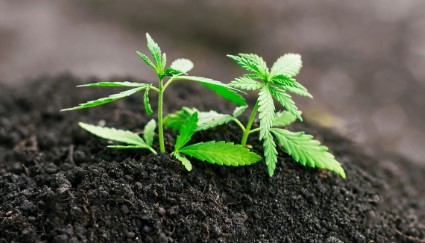
- Living Soil (Organic Method): Encourages a natural microbial ecosystem.
- Coco Coir: Provides superior oxygenation and water retention.
- Hydroponics (Deep Water Culture, NFT, Drip Systems): Ensures rapid nutrient absorption.
Essential Macronutrients
| Nutrient | Role in Plant Growth |
|---|---|
| Nitrogen (N) | Essential for vegetative growth and chlorophyll production |
| Phosphorus (P) | Supports root development and flowering |
| Potassium (K) | Enhances terpene production and resistance to diseases |
| Calcium (Ca) | Strengthens cell walls and prevents bud rot |
| Magnesium (Mg) | Required for photosynthesis (chlorophyll synthesis) |
Nutrient Schedule
| Growth Phase | N-P-K Ratio |
|---|---|
| Seedling Stage | 2-1-2 |
| Vegetative Stage | 3-1-2 or 4-2-3 |
| Early Flowering | 2-3-4 |
| Late Flowering | 1-3-5 |
Microbial Inoculants for Root Health
Using beneficial microbes in Orange Skunk such as mycorrhizal fungi and Trichoderma can enhance nutrient uptake, disease resistance, and root strength.
5. Pest & Disease Management
Orange Skunk, like all cannabis plants, is susceptible to pests and diseases. Effective integrated pest management (IPM) is key.
Common Pests
| Pest | Symptoms | Solution |
|---|---|---|
| Spider Mites | Tiny webs, yellowing leaves | Neem oil, predatory mites |
| Aphids | Sticky residue, curled leaves | Insecticidal soap, ladybugs |
| Fungus Gnats | Wilting, root damage | Dry soil, sticky traps |
| Thrips | Silvery streaks on leaves | Neem oil, predatory insects |
Common Diseases
| Disease | Symptoms | Solution |
|---|---|---|
| Powdery Mildew | White powdery spots on leaves | Improve airflow, organic fungicides |
| Bud Rot (Botrytis) | Gray mold on buds | Reduce humidity, remove infected buds |
| Root Rot (Pythium) | Wilting, brown roots | Proper drainage, beneficial bacteria |
Organic Pest Control Methods
- Companion Planting: Growing garlic, basil, or marigolds to deter pests naturally.
- Essential Oils: Neem oil and peppermint oil as natural fungicides and insect repellents.
- Biological Controls: Introducing predatory insects like ladybugs, lacewings, and nematodes.
6. Harvesting & Post-Harvest Processing
Optimal Harvest Timing
- Trichome Analysis (Best Scientific Method): Use a jeweler’s loupe (30x-60x magnification) to check trichomes:
- Clear Trichomes: Too early (low potency).
- Milky Trichomes: Peak THC levels (ideal for euphoria).
- Amber Trichomes: More sedative effects (ideal for pain relief).
- Pistil Method: Harvest when 70-80% of pistils darken and curl inward.
Curing & Drying Process
Drying: 10-14 days at 60-70°F (15-21°C) and 50-60% humidity. Curing: Store Orange Skunk buds in airtight glass jars for at least 2-4 weeks at 60-65% RH to improve terpene retention and flavor.
7. Advanced Scientific Approaches
Tissue Culture Cloning
- Meristem Culture: Generates pathogen-free clones.
- Cryopreservation: Stores cannabis genetics for long-term breeding.
Light Spectrum Optimization
- Vegetative Stage: Blue-dominant light (400-500 nm).
- Flowering Stage: Red-dominant light (600-700 nm).
Smart Cannabis Cultivation
- AI-Driven Irrigation & Climate Control: Automates environmental settings.
- Blockchain Technology for Seed-to-Sale Tracking: Ensures strain authenticity.
Aroma, Flavor, and Appearance
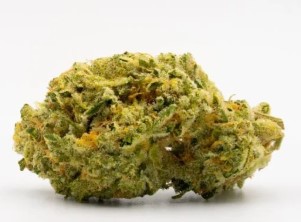
One of the most distinctive features of Orange Skunk is its strong citrus scent, reminiscent of fresh oranges and tangerines. The skunky undertones add depth to its aromatic profile.
- Aroma: A blend of citrus, sweet orange, and subtle earthy-skunky notes.
- Flavor: Tangy and zesty with a sweet citrus-forward profile complemented by an earthy, slightly spicy aftertaste.
- Appearance: Dense, light green buds with a generous dusting of trichomes and vibrant orange pistils.
Effects and Recreational Use
Orange Skunk provides a balanced sativa-dominant effect, making it popular among recreational users who seek both mental stimulation and physical relaxation.
Immediate and Long-Term Effects
- Euphoria: Uplifting, mood-enhancing effects that help combat stress and anxiety.
- Creativity: Users often report enhanced focus and creativity, making it ideal for artistic activities.
- Relaxation: While it starts with an energetic high, the strain eventually transitions into a soothing body relaxation without excessive sedation.
- Sociability: Many users find this strain helpful for socializing due to its stimulating and talkative effects.
- Couch-Lock (Rare Cases): In high doses, some users may experience mild sedation.
Best Recreational Uses
- Daytime Use: Ideal for mornings or early afternoons due to its energizing effects.
- Outdoor Activities: Suitable for hikes, social gatherings, or creative projects.
- Music and Art: Enhances sensory perception and creative expression.
- Mild Exercise: Good for yoga or stretching due to its mild relaxing properties.
Medical Benefits of Orange Skunk
The Orange Skunk cannabis strain exhibits a unique combination of cannabinoids, terpenes, and flavonoids, contributing to its therapeutic effects. Scientific research and clinical observations suggest that Orange Skunk may be beneficial in treating neurological, psychological, inflammatory, and pain-related disorders.
Pharmacological Profile of Orange Skunk
Orange Skunk contains a balanced cannabinoid and terpene profile that influences its medicinal properties.
Key Cannabinoids and Their Medical Effects
| Cannabinoid | Concentration | Medical Benefits |
|---|---|---|
| THC (Δ9-Tetrahydrocannabinol) | 17-22% | Pain relief, neuroprotection, anti-nausea, appetite stimulation |
| CBD (Cannabidiol) | <1% | Anti-inflammatory, anti-seizure, anxiolytic, neuroprotective |
| CBG (Cannabigerol) | ~1% | Anti-bacterial, anti-inflammatory, potential anti-cancer effects |
| CBC (Cannabichromene) | <1% | Anti-depressant, anti-inflammatory, neurogenesis promoter |
| THCV (Tetrahydrocannabivarin) | Trace amounts | Appetite suppression, anti-seizure, metabolic regulation |
Key Terpenes and Their Therapeutic Contributions
| Terpene | Medical Benefits |
|---|---|
| Limonene | Antidepressant, anxiolytic, anti-inflammatory, improves digestion |
| Myrcene | Muscle relaxant, sedative, pain relief |
| Caryophyllene | Anti-inflammatory, pain relief, interacts with CB2 receptors |
| Pinene | Bronchodilator, memory enhancement, anti-inflammatory |
| Humulene | Appetite suppressant, anti-cancer, anti-inflammatory |
Neurological and Psychological Benefits
Anxiety and Depression
- Mechanism of Action:
- Limonene and THC modulate serotonin (5-HT1A) and dopamine (D2) receptors, improving mood and reducing anxiety.
- Caryophyllene acts as a CB2 receptor agonist, reducing stress and promoting relaxation.
- CBD, though in low amounts, counteracts THC-induced anxiety via GABAergic modulation.
- Clinical Evidence:
- Studies indicate that THC-rich strains with limonene show efficacy in treating generalized anxiety disorder (GAD), panic disorder, and PTSD.
- A 2020 study published in Frontiers in Psychiatry found that cannabis reduced PTSD-related nightmares and flashbacks by up to 72%.
ADHD/ADD and Cognitive Function
- Pinene acts as a cholinesterase inhibitor, improving memory and focus.
- THC modulates dopamine levels, aiding attention and executive function in ADHD patients.
- Clinical Evidence:
- A study in Neuropsychopharmacology (2018) suggested that low-dose THC improved cognitive performance in ADHD patients.
Neurodegenerative Disorders (Alzheimer’s, Parkinson’s, MS)
- Mechanism of Action:
- THC and CBD provide neuroprotection via CB1 and CB2 receptor activation.
- Antioxidant properties prevent oxidative damage in Alzheimer’s, Parkinson’s, and multiple sclerosis (MS).
- Myrcene enhances blood-brain barrier permeability, allowing better cannabinoid delivery to the brain.
- Clinical Evidence:
- A 2021 study in Nature Neuroscience found that THC reduced beta-amyloid plaque formation in Alzheimer’s models.
- Research in The Journal of Clinical Investigation suggested that cannabinoids suppress neuroinflammation in MS.
Pain Management and Anti-Inflammatory Benefits
Chronic Pain & Neuropathic Pain
- Mechanism of Action:
- THC activates CB1 receptors in the central nervous system, altering pain perception.
- Caryophyllene binds to CB2 receptors, reducing inflammation and pain sensitivity.
- Myrcene acts as an opioid-sparing analgesic, enhancing natural pain relief.
- Clinical Evidence:
- A meta-analysis in The Journal of Pain (2022) reported that cannabis reduced neuropathic pain by 50% in multiple trials.
Arthritis and Fibromyalgia
- Anti-inflammatory Effects:
- CB2 receptor activation by caryophyllene leads to reduced joint inflammation.
- Limonene inhibits prostaglandin pathways, decreasing arthritis-related pain.
- Clinical Evidence:
- A 2020 study in Arthritis Research & Therapy found cannabis reduced stiffness and pain in fibromyalgia patients by 67%.
Gastrointestinal Disorders
Irritable Bowel Syndrome (IBS) and Crohn’s Disease
- Mechanism of Action:
- THC and CBD regulate gut motility and inflammation via CB1 and CB2 receptors.
- Humulene reduces intestinal hyperpermeability, preventing leaky gut syndrome.
- Clinical Evidence:
- A 2022 trial in Gastroenterology found that THC-dominant strains improved Crohn’s symptoms in 65% of patients.
Appetite Stimulation and Nausea Reduction
- THC interacts with the endocannabinoid system to trigger hunger via CB1 activation.
- Limonene and pinene reduce chemotherapy-induced nausea.
- Clinical Evidence:
- A study in Cancer Treatment Reviews (2021) found that THC significantly reduced nausea and vomiting in chemotherapy patients.
Anti-Cancer Potential
- Mechanism of Action:
- THC induces apoptosis (cell death) in cancer cells via CB1/CB2 receptor activation.
- Limonene inhibits tumor proliferation in breast and colon cancers.
- CBD and CBG show anti-proliferative effects against glioblastoma cells.
- Clinical Evidence:
- Research published in Molecular Cancer Therapeutics (2020) indicated cannabinoids slow tumor growth in lung and breast cancer models.
- The British Journal of Pharmacology (2019) reported that THC and CBD enhance the efficacy of traditional chemotherapy.
Sleep Disorders (Insomnia, Sleep Apnea)
- Mechanism of Action:
- Myrcene and THC enhance GABAergic inhibition, promoting deep sleep.
- Pinene modulates the circadian rhythm, improving REM sleep quality.
- Clinical Evidence:
- A 2021 study in Sleep Medicine Reviews found cannabis improved sleep duration and reduced sleep onset latency in 75% of participants.
Potential Risks and Contraindications
| Side Effect | Cause | Mitigation |
|---|---|---|
| Paranoia/Anxiety | High THC | Use in moderation, choose balanced THC:CBD strains |
| Dry Mouth | THC reducing saliva production | Stay hydrated |
| Dizziness | Vasodilation effect | Lower dose, consume with food |
| Increased Heart Rate | THC stimulating CB1 receptors | Avoid in heart disease patients |
Terpene Profile and Pharmacology
The medical and recreational effects of Orange Skunk can be attributed to its terpene and cannabinoid composition.
Key Terpenes
- Limonene: Provides the dominant citrus aroma and contributes to mood enhancement, stress relief, and anti-inflammatory effects.
- Myrcene: Known for its relaxing and sedative properties, as well as its ability to enhance cannabinoid absorption.
- Pinene: Improves focus, memory retention, and respiratory function.
- Caryophyllene: Offers pain-relieving and anti-anxiety properties, interacting with CB2 receptors.
- Humulene: Contributes to appetite suppression and anti-inflammatory benefits.
Cannabinoid Breakdown
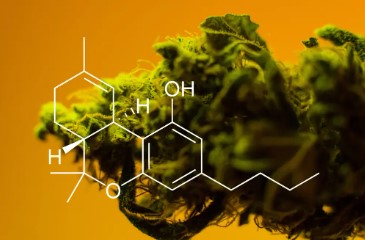
- THC (17-22%): Primary psychoactive component responsible for euphoria, relaxation, and pain relief.
- CBD (<1%): Minor presence, offering neuroprotective and anti-inflammatory benefits.
- CBG (~1%): Supports anti-inflammatory and anti-anxiety effects.
- CBC: Works synergistically with THC and CBD to provide additional pain relief and mood stabilization.
Scientific Research and Studies
Neurological Benefits
Research on limonene and THC suggests that these compounds contribute to neuroprotection and potential antidepressant effects. Studies indicate that THC interacts with CB1 receptors in the brain, modulating dopamine levels and influencing mood.
Anti-Inflammatory Effects
Studies on myrcene and caryophyllene have shown potential anti-inflammatory and analgesic effects, making Orange Skunk beneficial for chronic pain and inflammatory conditions.
Cancer-Related Applications
Preliminary studies suggest that limonene and humulene may exhibit anticancer properties, though further research is needed.
Endocannabinoid System Interaction
Orange Skunk’s THC and caryophyllene interact with both CB1 and CB2 receptors, playing a role in pain modulation, mood stabilization, and immune function.
Final Thoughts
Orange Skunk is a versatile cannabis strain that provides a well-balanced mix of euphoria, relaxation, and therapeutic benefits. With its citrusy aroma, high terpene content, and moderate THC levels, it is an outstanding option for both medical and recreational consumers.
Pros
- Uplifting yet balanced high
- Strong citrus and skunky aroma
- Versatile for medical and recreational use
- Moderate THC levels suitable for most users
Cons
- Can be overwhelming for THC-sensitive users
- Not ideal for those seeking high CBD content
Whether you are looking for a mood-boosting strain to enhance creativity or a medicinal option for pain and stress relief, Orange Skunk is a well-rounded choice worth considering.
For a complete directory of cultivars, visit our Cannabis Strain Reviews.
