Table of Contents
Orange Kush is a potent indica-dominant hybrid developed from the legendary OG Kush and Orange Bud strains. It combines the body-heavy, relaxing effects of Kush with the sweet citrus aroma and energetic euphoria of Orange genetics. This makes Orange Kush a versatile strain appreciated for both medical relief and recreational enjoyment.
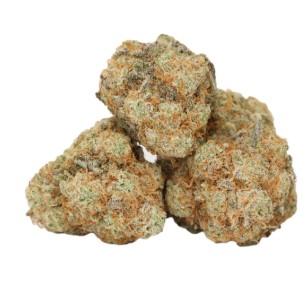
- Lineage: OG Kush × Orange Bud
- Type: Indica-dominant Hybrid (~80% Indica / 20% Sativa)
- THC Content: 16–22% (some phenotypes >23%)
- CBD Content: <1% (usually 0.1–0.5%)
- Flowering Time: ~8–9 weeks (indoor)
- Aromas: Sweet orange zest, earthy Kush, floral spice
- Flavors: Citrus, creamy, tangy pine
Cannabinoid Profile
Major Cannabinoids
| Cannabinoid | Concentration | Primary Effects |
|---|---|---|
| THC | 16–22% | Psychoactive, analgesic, sedative |
| CBD | <1% | Modulates THC effects, mild anti-anxiety |
| CBG | ~0.5–1% | Anti-inflammatory, neuroprotective |
| CBC | ~0.2–0.5% | Supports analgesia, mood elevation |
| THCV | Trace | May suppress appetite, modulate anxiety |
Pharmacological Summary
- THC binds to CB1 receptors in the central nervous system, reducing pain signaling, altering mood, and stimulating appetite.
- CBD, in low levels, plays a secondary role in Orange Kush, reducing THC’s side effects like anxiety or memory impairment.
- CBG and CBC, while minor, interact with TRP channels and CB2 receptors, enhancing anti-inflammatory and mood-regulating effects.
Terpene Profile
The signature citrus-Kush aroma of Orange Kush is produced by its abundant monoterpenes and sesquiterpenes, particularly:
| Terpene | Aroma/Flavor | Medical Role |
|---|---|---|
| Limonene | Citrus, sweet orange | Mood elevation, stress relief |
| Myrcene | Earthy, musky | Sedative, analgesic |
| Caryophyllene | Spicy, peppery | CB2 agonist, anti-inflammatory |
| Linalool | Floral, lavender | Anti-anxiety, muscle relaxant |
| Humulene | Woody, hops | Anti-inflammatory, appetite suppressant |
Entourage Effect
The synergy between THC, myrcene, caryophyllene, and limonene creates a therapeutic profile that targets both mental and physical symptoms — reducing anxiety, pain, inflammation, and insomnia.
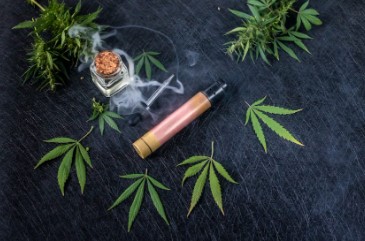
Mechanisms of Action
Endocannabinoid System (ECS)
Orange Kush primarily modulates the ECS:
- CB1 Activation (THC):
- Reduces neurotransmitter release (e.g., glutamate) in pain and anxiety pathways.
- Increases dopamine and serotonin in mesolimbic areas (mood elevation).
- CB2 Activation (caryophyllene, CBG):
- Downregulates immune responses and inflammatory cytokines.
- Beneficial in autoimmune and chronic inflammatory conditions.
- TRP Channel Modulation (CBD, CBG, CBC):
- Alters pain transmission and cellular inflammation.
- Relevant for neuropathy, migraines, and fibromyalgia.
Neurotransmitter Modulation
- Serotonin: Limonene and CBD enhance serotonin activity (5-HT1A), relieving anxiety and depression.
- GABA: Linalool and myrcene enhance GABAergic tone, contributing to sedation and anti-anxiety effects.
- Dopamine: THC increases dopamine in reward pathways, enhancing mood and motivation.
Medical Applications
I. Chemical Profile and Pharmacological Foundation
Key Cannabinoids in Orange Kush
- THC (~16–22%): Potent CB1 agonist (central analgesia, euphoria, appetite).
- CBD (<1%): Non-intoxicating, modulates CB1/CB2, serotonin (5-HT1A), TRPV1.
- CBG (~0.5–1%): CB1/CB2 partial agonist, α2-adrenergic modulator (focus, inflammation).
- CBC: TRP agonist (TRPA1, TRPV1–4), anti-inflammatory and mood-enhancing.
- THCV (trace): CB1 antagonist at low doses (appetite suppression, anxiety modulation).
Dominant Terpenes
- Limonene: Boosts serotonin/dopamine, mood elevation, anti-anxiety.
- Myrcene: Sedative, analgesic, muscle relaxant.
- β-Caryophyllene: CB2 agonist, anti-inflammatory, immunomodulator.
- Linalool: GABAergic calming, anti-depressant, anticonvulsant.
- Humulene: Anti-inflammatory, modulates immune signaling.
Together, these compounds activate and modulate CB1, CB2, TRP channels, serotonin (5-HT), dopamine, GABA, and adrenergic systems, enabling Orange Kush to affect multiple physiological and neurological pathways.
II. Medical Applications by Condition
1. Chronic Pain (Neuropathic and Inflammatory)
Mechanisms:
- THC activates CB1 receptors in spinal cord and brain, inhibiting ascending pain signals.
- Caryophyllene binds to CB2 receptors, suppressing peripheral inflammation and reducing cytokine release (e.g., TNF-α, IL-6).
- Myrcene and linalool enhance GABAergic inhibition, relaxing muscle tone and reducing peripheral tension.
- CBG and CBC modulate TRPV1 channels and reduce nociceptor sensitization.
Conditions Treated:
- Neuropathy (diabetic, chemo-induced)
- Fibromyalgia
- Arthritis (RA and OA)
- Migraines
- Chronic lower back pain
Scientific Insight: The multi-receptor targeting by cannabinoids and terpenes leads to both central analgesia (via CB1 and serotonin) and peripheral anti-inflammatory effects (CB2, TRP). This provides more comprehensive relief than single-target analgesics like NSAIDs or opioids.
2. Anxiety Disorders and Stress
Mechanisms:
- Limonene enhances serotonin and dopamine in limbic areas (e.g., hippocampus, prefrontal cortex).
- Linalool enhances GABA-A receptor activity, mimicking benzodiazepine-like calming.
- CBD and THCV (trace) modulate 5-HT1A receptors, promoting anxiolysis without sedation.
- CB1 activation by THC reduces excitatory neurotransmitter release, calming overactive amygdala circuits.
Conditions Treated:
- Generalized Anxiety Disorder (GAD)
- Social anxiety
- PTSD (hyperarousal, flashbacks)
- Panic attacks (with proper dose control)
Scientific Insight: Low to moderate doses of THC have biphasic effects — anxiolytic at low levels, anxiogenic at high doses. Orange Kush’s mild CBD, limonene, and linalool content help buffer THC’s anxiety risk, creating a more stable anxiolytic effect.
3. Insomnia and Sleep Disorders
Mechanisms:
- Myrcene reduces locomotor activity and promotes sleep via GABAergic mechanisms.
- THC shortens REM latency and increases deep sleep (slow-wave sleep).
- Linalool reduces sleep latency and increases total sleep time.
- CBD and CBG support circadian rhythm regulation and reduce anxiety-driven insomnia.
Conditions Treated:
- Sleep-onset insomnia
- Sleep maintenance issues
- PTSD-related nightmares
- Pain-induced sleep disruption
Scientific Insight: Studies show THC-rich strains reduce time to fall asleep but may reduce REM sleep if overused. Orange Kush is best used intermittently or at moderate doses to avoid tolerance and REM suppression.
4. Depression and Mood Imbalance
Mechanisms:
- THC and limonene increase dopamine and serotonin levels in mood-regulating brain regions.
- CBD, CBC, and CBG may promote hippocampal neurogenesis and reduce oxidative stress.
- Caryophyllene and humulene reduce neuroinflammation linked to mood disorders.
Conditions Treated:
- Mild to moderate depression
- Situational depression
- Bipolar disorder (depressive phases)
- Seasonal Affective Disorder (SAD)
Scientific Insight: Cannabis may support mood recovery by targeting inflammatory pathways, neurotransmitter balance, and neuroplasticity. The terpene-cannabinoid synergy in Orange Kush makes it appropriate for those needing natural mood elevation without overstimulation.
5. Appetite Loss and Gastrointestinal Conditions
Mechanisms:
- THC activates hypothalamic CB1 receptors, stimulating ghrelin release and promoting hunger.
- Limonene aids digestion and reduces gastric inflammation.
- CBG and CBD modulate intestinal motility and reduce gut hyperactivity (via TRPV1 and CB2).
- Caryophyllene suppresses GI inflammation and may aid gut-brain axis regulation.
Conditions Treated:
- Cachexia (cancer, HIV/AIDS)
- Chemotherapy-induced nausea (CINV)
- IBS and IBD (Crohn’s, ulcerative colitis)
- GERD and stress-induced digestive dysfunction
Scientific Insight: Cannabis, particularly THC-dominant strains like Orange Kush, is one of the few natural agents with orexigenic (appetite-enhancing) and anti-nausea properties. Its use is well documented in oncology and palliative care for maintaining nutritional intake.
6. Inflammatory and Autoimmune Conditions
Mechanisms:
- CB2 activation (caryophyllene, CBG) reduces T-cell activation and pro-inflammatory cytokines.
- CBC and humulene downregulate nitric oxide and prostaglandin production.
- CBD and CBG engage PPARγ nuclear receptors, reducing oxidative stress and inflammation gene expression.
Conditions Treated:
- Rheumatoid arthritis
- Lupus
- Psoriasis
- Chronic fatigue syndrome
- Neuroinflammatory disorders (e.g., MS)
Scientific Insight: Orange Kush’s CB2-active components may reduce autoimmune flares and chronic systemic inflammation, particularly when combined with other non-steroidal treatments. Its terpene-driven inflammation modulation gives it a broad anti-inflammatory profile.
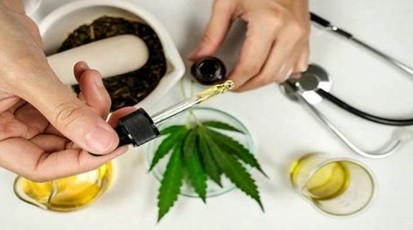
7. Neurological and Neurodegenerative Disorders
Mechanisms:
- CBD, CBG, and CBC reduce neuroinflammation and oxidative stress.
- CB2 activation in glial cells slows neuronal damage.
- TRP modulation (TRPV1–4) helps in neuropathic pain and seizure regulation.
- Linalool and limonene show neuroprotective effects in animal models of stroke and epilepsy.
Conditions Treated:
- Multiple sclerosis (pain, spasticity)
- Epilepsy (supportive, not primary)
- Parkinson’s (tremor, rigidity, anxiety)
- Alzheimer’s (mood, agitation, inflammation)
Scientific Insight: While not first-line for seizure control (due to low CBD), Orange Kush offers neuro-symptom support, especially for pain, muscle spasms, and anxiety in MS or Parkinson’s. CBG may also support neurogenesis and focus via α2-adrenergic pathways.
III. Pharmacokinetics and Dosing Considerations
| Condition | THC Range (mg) | Best Method | Notes |
|---|---|---|---|
| Pain | 5–15 mg | Vape, edible | Titrate slowly; peak effect in 1–2 hrs |
| Anxiety | 2.5–7.5 mg | Sublingual, vape | Avoid high-dose THC |
| Insomnia | 10–20 mg | Edible, tincture | Take 1–2 hrs before sleep |
| Appetite loss | 5–10 mg | Inhalation | Rapid effect ~15 min post-use |
| Depression | 2.5–10 mg | Vape, tincture | Morning or afternoon dosing |
Note: Start low and adjust based on tolerance, condition severity, and route of administration.
IV. Safety Considerations
Benefits
- Multifunctional for pain, inflammation, mood, and appetite.
- Generally well-tolerated in moderate doses.
- Synergistic terpene content enhances tolerability and effect spectrum.
Risks
- High THC levels may increase risk of:
- Short-term anxiety or paranoia
- Sedation or cognitive impairment
- Dependence in vulnerable individuals
Contraindications
- History of psychosis or schizophrenia
- Severe cardiac conditions (due to THC-induced tachycardia)
- Pregnancy/lactation (insufficient safety data)
Drug Interactions
- CBD (even at low levels) may inhibit CYP3A4 and CYP2C19, affecting drugs like warfarin or antiepileptics.
- THC may potentiate CNS depressants (e.g., opioids, benzos).
Recreational Uses and Psychotropic Effects
Orange Kush offers a dual-phase high:
- Initial Euphoria (10–30 minutes post-inhalation):
- Euphoric uplift
- Heightened sensory perception
- Creativity, sociability
- Giggles or talkativeness
- Body Relaxation Phase (30–120 minutes):
- Deep physical calm
- Mild sedation
- Muscle release
- Appetite enhancement
- Sleepiness at high doses
Best Recreational Settings:
- Evening social events
- Comedy or music appreciation
- Creative tasks (painting, journaling)
- Wind-down routines (e.g., meditation, hot bath)
Caution:
- Overconsumption may lead to couch-lock or mild paranoia (particularly in THC-sensitive users).
Cultivation Science and Growing Guidelines
I. Strain Morphology and Growth Behavior
Orange Kush is an indica-dominant hybrid, typically exhibiting traits such as:
- Compact stature with strong lateral branching.
- Broad fan leaves and short internodal spacing.
- Dense, heavy buds with high trichome coverage.
- Vigorous early vegetative growth, then moderate stretching in early flowering.
- Moderate to high yield potential with proper training and nutrition.
Ideal Cultivation Environment
| Parameter | Value/Range |
|---|---|
| Cultivation Type | Indoor, greenhouse, or outdoor (dry climates preferred) |
| Difficulty | Moderate |
| Flowering Time | ~8–9 weeks indoors |
| Outdoor Harvest | Early to mid-October |
| Plant Height | 80–120 cm (indoor); up to 180 cm (outdoor) |
II. Environmental Control and Climate Optimization
A. Temperature and Humidity
| Growth Stage | Day Temp (°C) | Night Temp (°C) | Relative Humidity (%) | VPD (kPa) |
|---|---|---|---|---|
| Vegetative | 24–28 | 20–22 | 60–70 | 0.8–1.1 |
| Flowering | 20–26 | 18–20 | 40–50 | 1.2–1.5 |
| Late Flower | 18–24 | 16–18 | 35–45 | 1.3–1.6 |
Scientific note: Controlling Orange Kush’s Vapor Pressure Deficit (VPD) is critical to maximize photosynthetic rate, calcium transport, and trichome formation. VPD in the 1.2–1.5 range during flowering optimizes resin gland development while reducing mold risk.
B. Light Requirements and Spectral Control
Orange Kush is light-hungry, especially during flowering, where high light intensity boosts trichome and terpene synthesis.
| Growth Phase | PPFD (µmol/m²/s) | Recommended Light Spectrum |
|---|---|---|
| Vegetative | 400–600 | Blue-dominant (~450 nm) |
| Flowering | 700–1000 | Red-rich (~660 nm) + UV-B (280–315 nm) |
| Ripening | 800–1100 | Full spectrum + UV-B |
Scientific insight: Exposure to UV-B radiation in late flower has been shown to upregulate THCA synthase and trichome density due to plant stress signaling via flavoprotein photoreceptors.
III. Substrate and Root Zone Management
A. Recommended Media
- Living Soil (organic): Enhances terpene complexity through microbial symbiosis.
- Coco Coir + Perlite (70:30): Excellent oxygenation and root growth rate; must supplement Ca/Mg.
- Hydroponics (DWC, NFT): Precise nutrient control and faster growth; requires careful pH/EC monitoring.
| Medium Type | Target pH | Target EC Range (dS/m) |
|---|---|---|
| Soil | 6.2–6.8 | 1.2–2.0 |
| Coco Coir | 5.8–6.2 | 1.5–2.2 |
| Hydroponics | 5.5–6.0 | 1.8–2.4 |
Use mycorrhizal fungi inoculants in soil-based grows to improve nutrient uptake and root health, especially during transplanting.
IV. Nutrient Management and Feeding Strategy
Orange Kush has moderate nutrient demands but requires careful macro- and micronutrient balance to avoid tip burn or deficiencies.
A. Macronutrients (NPK)
| Growth Stage | N | P | K | Notes |
|---|---|---|---|---|
| Vegetative | High | Medium | High | Supports rapid foliage and root expansion |
| Early Flower | Medium | High | High | Encourages bud set and stretch control |
| Late Flower | Low | High | Very High | Enhances resin production and bud density |
Avoid excess nitrogen in late flower; too much delays maturation and reduces terpene output.
B. Micronutrients
Key elements: Calcium, Magnesium, Sulfur, Boron, Zinc, Manganese
- Calcium: Critical for Orange Kush’s cell wall integrity, especially in rapidly expanding buds.
- Magnesium: Central atom in chlorophyll; deficiency affects photosynthesis and terpene biosynthesis.
- Sulfur: Boosts amino acid and secondary metabolite synthesis (e.g., terpenes, thiols).
V. Canopy Management and Training Techniques
A. Training Methods
Orange Kush responds well to low- and high-stress training (LST/HST):
- Topping: Early veg (3rd–5th node) to create multiple colas.
- LST: Gentle bending to expose lower bud sites.
- SCROG (Screen of Green): Maximizes light penetration and horizontal canopy spread.
- Defoliation: Selectively remove large fan leaves in weeks 3–5 of flower to improve air circulation and light penetration.
B. Plant Spacing
| Grow Type | Spacing Recommendation |
|---|---|
| Indoor SCROG | 1 plant / 2–3 ft² |
| Outdoor | 1–2 m apart |
VI. Flowering Dynamics and Maturation
A. Flowering Timeline
| Week | Morphological Changes |
|---|---|
| 1–2 | Stretch phase, preflower pistils emerge |
| 3–5 | Bud sites multiply; trichome production begins |
| 6–7 | Rapid resin development, aroma intensifies |
| 8–9 | Pistil browning, trichome maturation |
Pistil color alone is not reliable — use trichome inspection for harvest timing.
B. Harvest Timing (Microscopic Analysis)
- Clear trichomes: Underdeveloped
- Cloudy/milky: Peak THC, energetic high
- Amber: THC converting to CBN, more sedative
Ideal window: 85–90% cloudy, 10–20% amber
VII. Post-Harvest Handling and Terpene Preservation
A. Drying Conditions
| Parameter | Optimal Range |
|---|---|
| Temperature | 18–21°C (65–70°F) |
| Humidity | 50–60% RH |
| Airflow | Gentle, indirect |
| Duration | 10–14 days |
Avoid rapid drying — it degrades limonene and linalool, reducing Orange Kush’s citrus profile.
B. Curing Process
- Container: Glass mason jars with 62% humidity packs.
- Burping: Open jars 10–15 min daily for first 2 weeks.
- Total Cure Time: Minimum 3 weeks, ideally 6–8 weeks.
Curing improves:
- Terpene depth and complexity
- Smoothness and flavor
- Cannabinoid stability
Pest and Pathogen Management
Orange Kush’s dense buds are susceptible to mold — proactive integrated pest management (IPM) is essential.
Common Threats:
| Threat | Prevention Strategies |
|---|---|
| Powdery mildew | Maintain <50% RH in flower; good airflow |
| Bud rot (Botrytis) | Avoid high humidity; defoliate inner canopy |
| Spider mites | Neem oil (veg only), predatory mites (Phytoseiulus) |
| Fungus gnats | Dry topsoil, add beneficial nematodes |
Use biological pest controls and avoid chemical pesticides in late flower to preserve resin quality.
IX. Yield Optimization and Resin Enhancement
Key Factors to Maximize Resin & Terpenes:
- Stable temperature/humidity during late flower
- Minimal plant stress
- Add UV-B for 2–3 hrs/day in final 2–3 weeks
- Supplement with sulfur and magnesium (MgSO₄)
- Avoid late-stage nitrogen
- Use molasses teas (in organic soil) to feed microbes that enhance secondary metabolites
X. Summary: Scientific Cultivation Strategy for Orange Kush
| Cultivation Factor | Scientific Best Practice |
|---|---|
| Light Intensity | 700–1000 PPFD in flower; add UV-B |
| Temperature & VPD | Flower at 20–26°C, 40–50% RH, ~1.3 VPD |
| Nutrients (Late Flower) | High P & K, low N; supplement S, Mg, Ca |
| Training Techniques | Topping, LST, SCROG, selective defoliation |
| Harvest Timing | Trichomes 90% cloudy, 10–20% amber |
| Curing | Glass jars, 62% RH, 4–6 weeks minimum |
Medical Use Guidelines
Dosing Suggestions:
| Condition | Method | THC Dose Range | Timing |
|---|---|---|---|
| Chronic Pain | Vape / Edible | 5–15 mg | 1–3× daily |
| Anxiety | Tincture / Vape | 2.5–7.5 mg | As needed, low dose |
| Insomnia | Edible | 10–20 mg | 1–2 hrs before bed |
| Appetite Loss | Inhalation | 5–10 mg | 30 min before meals |
| Depression | Vape | 2.5–7.5 mg | Morning/afternoon |
Start Low, Go Slow: Particularly important due to Orange Kush’s variable THC content.
Benefits, Limitations, and Safety Profile
Advantages:
- Multifunctional relief (pain, anxiety, appetite, sleep).
- Pleasant taste/aroma increases user compliance.
- Less paranoia risk compared to high-THC sativa strains.
- Broad terpene diversity supports medical synergy.
Limitations:
- Not ideal for high-functioning daytime use at large doses.
- May cause dry mouth, eye redness, and dizziness.
- Can impair short-term memory and motor coordination.
- Not suited for individuals with THC sensitivity or psychotic disorders.
Potential Drug Interactions:
- May potentiate CNS depressants (e.g., opioids, benzodiazepines).
- CBD content (if present) may inhibit CYP enzymes (e.g., affecting warfarin or antiepileptics).
Contraindications:
- History of psychosis or schizophrenia
- Uncontrolled cardiovascular disease
- Pregnancy/lactation (due to insufficient safety data)
Summary and Clinical Outlook
Orange Kush is a well-balanced, therapeutically versatile strain that integrates potent analgesic, anxiolytic, anti-inflammatory, and appetite-stimulating properties with a relaxing, euphoric high. Its combination of THC potency and supportive terpene complexity makes it valuable for treating multi-symptom conditions, particularly where pain, anxiety, and insomnia overlap.
From a scientific perspective, it is an excellent example of the entourage effect, where cannabinoids and terpenes interact to amplify therapeutic outcomes. While caution is advised regarding dose and timing, Orange Kush remains a strong candidate for both clinical and personal wellness use when integrated responsibly.
For a complete directory of cultivars, visit our Cannabis Strain Reviews.
