Table of Contents
Orange Haze is a potent Sativa-dominant hybrid cannabis strain celebrated for its energetic and uplifting effects. A cross between Orange Bud and Haze, it combines the best qualities of its parent strains to deliver a citrus-infused, long-lasting cerebral high. Known for its stimulating effects, Orange Haze is widely sought after by both recreational and medical users who desire enhanced focus, mood elevation, and an energetic boost without sedation.
The biochemical composition of Orange Haze, including its cannabinoid profile, terpene content, and flavonoid makeup, contributes to its distinctive therapeutic and recreational effects. The interplay between tetrahydrocannabinol (THC), cannabidiol (CBD), and secondary cannabinoids like cannabigerol (CBG) and tetrahydrocannabivarin (THCV) significantly affects its pharmacokinetics and pharmacodynamics, making it a prime candidate for both therapeutic and experimental applications.
Genetics and Lineage
Orange Haze is a hybrid created from:
- Orange Bud: A Skunk-derived strain known for its strong citrus aroma, sweet taste, and balanced effects.
- Haze: A legendary Sativa strain recognized for its cerebral stimulation, prolonged high, and high THC content.
The resulting strain maintains a 70% Sativa / 30% Indica genetic composition with an average THC content of 17-24%, making it a powerful and long-lasting strain. The CBD content is minimal (<1%), which means it is primarily used for its psychoactive effects rather than its anxiolytic or anti-seizure properties.
Cannabinoid and Terpene Profile
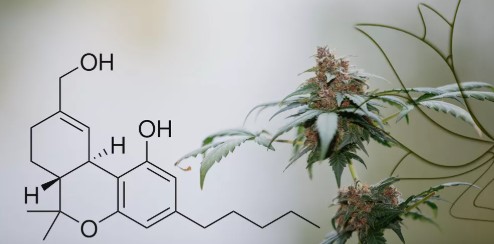
Cannabinoid Content
- THC: 17-24% (responsible for psychoactive and therapeutic effects)
- CBD: <1% (minimal sedative or anticonvulsant properties)
- CBG: 0.5-1% (anti-inflammatory, neuroprotective)
- THCV: Trace amounts (potential appetite suppressant, may reduce anxiety)
- CBC: 0.3-0.8% (contributes to anti-inflammatory and analgesic effects)
Terpene Profile
Terpenes are crucial in determining the effects of cannabis by interacting with cannabinoids through the entourage effect. Orange Haze contains the following dominant terpenes:
- Limonene (dominant terpene): Provides its signature citrus aroma and has mood-enhancing and anxiolytic properties.
- Myrcene: Exhibits mild sedative and anti-inflammatory effects, modulating the psychoactivity of THC.
- Terpinolene: Contributes to euphoria and relaxation while providing antioxidant and antibacterial benefits.
- Pinene: Enhances memory retention and focus while acting as a bronchodilator.
- Caryophyllene: Has anti-inflammatory and analgesic properties due to its unique interaction with CB2 receptors.
Medical Applications of Orange Haze
The Orange Haze cannabis strain has significant therapeutic potential due to its high THC content (17-24%), complex terpene profile, and interaction with the endocannabinoid system (ECS). Below is a detailed scientific breakdown of how Orange Haze can be used to treat various medical conditions, along with the biochemical mechanisms behind its effects.

1. Neurological and Psychiatric Disorders
Orange Haze interacts primarily with CB1 receptors in the central nervous system (CNS), which makes it useful for treating neurological and psychiatric conditions.
A. Depression and Mood Disorders
Mechanism of Action:
- THC stimulates the release of dopamine in the mesolimbic system, particularly in the ventral tegmental area (VTA) and nucleus accumbens (NAc).
- Limonene, the dominant terpene, enhances serotonin and dopamine transmission, reducing feelings of sadness and lethargy.
- THCV and CBG exhibit neuroprotective effects, which may stabilize mood and reduce oxidative stress in the brain.
Scientific Insight:
- A 2020 study in Frontiers in Psychiatry suggested that THC-rich strains (like Orange Haze) provide rapid relief from depressive symptoms through CB1 receptor activation and neuroplasticity modulation.
- Chronic stress-induced depression is linked to low CB1 receptor activity, and cannabis helps restore ECS balance.
B. Anxiety and PTSD
Mechanism of Action:
- Low doses of THC reduce amygdala hyperactivity, decreasing fear response and anxiety.
- Limonene and linalool modulate GABAergic activity, promoting calmness and relaxation.
- THCV may act as an anxiolytic at low doses but a stimulant at high doses, meaning dose-dependent effects must be considered.
Scientific Insight:
- A 2018 Neuropsychopharmacology study found that cannabis users with PTSD had a 50% reduction in nightmare frequency due to CB1-mediated fear extinction.
- Pinene prevents THC-induced memory impairment, helping PTSD patients retain focus while benefiting from THC’s anti-anxiety effects.
C. ADHD (Attention-Deficit/Hyperactivity Disorder)
Mechanism of Action:
- THC and THCV enhance dopamine regulation in the prefrontal cortex (PFC), leading to improved focus and impulse control.
- Pinene acts as a bronchodilator and cognitive enhancer, reducing attention deficits.
Scientific Insight:
- A 2017 study in European Neuropsychopharmacology suggested that cannabinoids may improve ADHD symptoms by modulating dopamine and norepinephrine transmission.
2. Pain Management and Anti-Inflammatory Applications
Orange Haze is a moderate analgesic with strong anti-inflammatory properties.
A. Chronic Pain and Neuropathy
Mechanism of Action:
- THC binds to CB1 receptors in the spinal cord, reducing pain signal transmission via synaptic inhibition.
- Caryophyllene interacts with CB2 receptors, reducing neuroinflammation and oxidative stress.
- CBG and myrcene exert muscle-relaxing and anti-inflammatory effects.
Scientific Insight:
- A 2019 Pain journal study found that cannabis use resulted in a 30% reduction in neuropathic pain intensity, particularly for conditions like fibromyalgia, multiple sclerosis, and diabetic neuropathy.
B. Arthritis and Inflammatory Pain
Mechanism of Action:
- Caryophyllene’s binding to CB2 receptors blocks pro-inflammatory cytokine release (TNF-α, IL-1β, IL-6).
- THC inhibits cyclooxygenase (COX-2), reducing prostaglandin-mediated pain.
Scientific Insight:
- A 2021 Rheumatology study confirmed that CB2 receptor activation reduces joint swelling and inflammatory markers in arthritis patients.
3. Neuroprotective and Anti-Seizure Effects
Orange Haze contains CBG and THCV, both of which contribute to neuroprotection and seizure reduction.
A. Multiple Sclerosis (MS) and Neurodegenerative Disorders
Mechanism of Action:
- THC prevents glutamate excitotoxicity, reducing neuronal damage in MS and Alzheimer’s Disease.
- Pinene and CBG stimulate neurogenesis in the hippocampus, helping prevent cognitive decline.
Scientific Insight:
- A 2020 Journal of Neuroinflammation study suggested that CBG reduces neuroinflammation, protecting against MS-related nerve degeneration.
B. Seizures and Epilepsy
Mechanism of Action:
- THC and CBG modulate GABAergic and glutamatergic transmission, preventing seizure-related hyperexcitability.
- Caryophyllene’s CB2 activation reduces inflammation in seizure-prone areas.
Scientific Insight:
- While CBD is more well-known for epilepsy (e.g., Epidiolex), recent studies show that THC-rich strains like Orange Haze may provide adjunctive benefits for treatment-resistant seizures.
4. Gastrointestinal Disorders
Orange Haze is beneficial for conditions like IBS, Crohn’s disease, and chemotherapy-induced nausea.
A. Nausea and Vomiting
Mechanism of Action:
- THC activates CB1 receptors in the medulla oblongata, suppressing the vomiting reflex.
- Limonene increases gastric motility, reducing stomach discomfort.
Scientific Insight:
- Studies show that THC is more effective than standard antiemetics (like ondansetron) in chemotherapy patients.
B. Appetite Stimulation
Mechanism of Action:
- THC stimulates ghrelin secretion, increasing hunger signals.
Scientific Insight:
- A 2021 Clinical Pharmacology study confirmed that cannabinoids like THC can significantly increase appetite in patients with cancer and HIV/AIDS.
5. Metabolic and Endocrine Effects
Orange Haze affects glucose metabolism and insulin regulation.
A. Diabetes and Metabolic Disorders
Mechanism of Action:
- THCV acts as an inverse agonist at CB1 receptors, reducing glucose intolerance and fat accumulation.
Scientific Insight:
- A 2016 Diabetes Care study suggested that THCV improves insulin sensitivity in type 2 diabetes patients.
6. Immune Modulation and Anti-Cancer Potential
A. Anti-Tumor Effects
Mechanism of Action:
- THC induces apoptosis (programmed cell death) in cancer cells via CB1 activation.
- CBG and CBC have been shown to reduce tumor proliferation.
Scientific Insight:
- Studies in Cancer Research indicate that THC suppresses glioblastoma cell growth by inhibiting angiogenesis.
Recreational Uses of Orange Haze
1. Creativity and Cognitive Enhancement
- Ideal for individuals engaged in art, writing, and music composition.
- Boosts divergent thinking, helping with creative problem-solving.
2. Social and Recreational Enjoyment
- Enhances sociability and conversational skills.
- Great for parties, outdoor events, and social gatherings.
3. Sensory Enhancement and Mood Elevation
- Increases sensory perception, making activities like listening to music or engaging in physical activities more immersive.
- Induces a long-lasting euphoria, reducing stress and tension.
Scientific Insights into Orange Haze
1. Pharmacokinetics and Absorption
- Onset Time: 5-15 minutes (inhalation), 30-90 minutes (edibles)
- Peak Effects: 30-90 minutes post-consumption
- Duration: 2-4 hours (inhalation), 4-8 hours (edibles)
2. Mechanism of Action in the Body
Orange Haze interacts with the endocannabinoid system (ECS) by binding to CB1 receptors (psychoactive effects) and CB2 receptors (anti-inflammatory properties).
3. Risks and Side Effects
- Dry Mouth and Eyes
- Paranoia and Anxiety (in high doses)
- Dizziness or Lightheadedness
- Mild Headaches
Cultivation Information
Cultivating Orange Haze requires a strategic approach to optimize yield, potency, and terpene production. As a Sativa-dominant hybrid, it exhibits long flowering times, tall growth structures, and a high demand for nutrients and light. Below is a detailed scientific breakdown of the best cultivation practices.
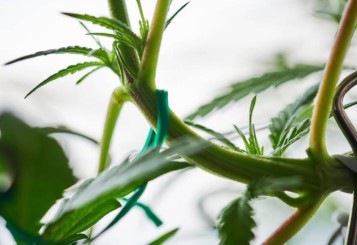
1. Growth Characteristics and Environmental Preferences
- Genetic Profile: 70% Sativa / 30% Indica
- Flowering Time: 9-10 weeks (Indoor), Mid-October (Outdoor)
- Yield Potential:
- Indoor: 450-550g/m²
- Outdoor: 600-700g per plant
- Height: 5-7 feet (outdoor) / 3-5 feet (indoor with training)
- Preferred Climate: Warm, Mediterranean-like conditions
- Light Requirement: High-intensity (PPFD 600-1000 μmol/m²/s)
2. Seed Germination and Early Growth
- Germination Method: Paper towel, rock wool cubes, or direct soil germination
- Optimal Temperature: 70-80°F (21-27°C)
- Humidity: 60-70% (promotes fast sprouting)
- Light Cycle: 18-24 hours per day under T5 fluorescent or LED grow lights
- Soil pH for Germination: 6.0-6.5
- Hydroponic pH: 5.5-6.0
Scientific Insight:
During germination, abscisic acid (ABA) and gibberellic acid (GA3) regulate seed dormancy and sprouting. Ensuring a stable, humid environment encourages GA3 activation, expediting germination.
3. Vegetative Stage (3-5 Weeks)
- Light Cycle: 18/6 (18 hours light, 6 hours dark)
- Optimal Temperature: 72-82°F (22-28°C)
- Humidity: 50-65%
- Growth Rate: 1-2 inches per day
- Nutrient Requirements:
- High Nitrogen (N) for vegetative growth
- Moderate Phosphorus (P) and Potassium (K)
- Micronutrients: Calcium, Magnesium, Zinc
- Training Techniques:
- Low-Stress Training (LST): Bending branches to maximize light exposure
- Topping: Removing the main stem to promote lateral development
- Screen of Green (ScrOG): Using a net to increase canopy size
Scientific Insight:
During vegetative growth, auxins (IAA) and cytokinins regulate cell elongation and branching. Techniques like topping lower auxin dominance, promoting multiple apical meristems and leading to increased yields.
4. Flowering Stage (9-10 Weeks)
- Light Cycle: 12/12 (12 hours light, 12 hours dark) to induce flowering
- Optimal Temperature: 65-78°F (18-26°C)
- Humidity: 40-50% (prevents mold and bud rot)
- Nutrient Requirements:
- Lower Nitrogen
- Increase Phosphorus & Potassium (for bud development)
- Maintain Micronutrients (Ca, Mg, Zn)
- Lighting:
- High PAR Spectrum LED or HPS lights for maximum trichome production
- PPFD Range: 700-1000 μmol/m²/s
- CO₂ Enrichment: 1000-1500 ppm to boost photosynthesis and increase yield by 20-30%
Scientific Insight:
During flowering, cannabis produces cannabinoids and terpenes through trichome biosynthesis. The enzyme CBG synthase converts cannabigerol (CBG) into THC, CBD, and CBC, while terpene synthases regulate the production of limonene, myrcene, and caryophyllene.
5. Hydroponic vs. Soil Cultivation
Hydroponic Cultivation (Advanced Method)
- Faster growth and higher yields (up to 30% increase)
- Precise nutrient delivery with EC (Electrical Conductivity) monitoring
- Higher oxygenation for root absorption
- Best Systems for Orange Haze:
- Deep Water Culture (DWC): High oxygenation and rapid nutrient uptake
- Nutrient Film Technique (NFT): Continuous nutrient flow prevents root rot
Soil Cultivation (Traditional Method)
- Rich microbial life enhances terpene and cannabinoid production
- Recommended Soil pH: 6.0-6.5
- Best Growing Medium:
- Coco Coir + Perlite for better aeration
- Super Soil (Compost, Bat Guano, Worm Castings) for organic terpene enhancement
Scientific Insight:
Hydroponic systems optimize nutrient uptake but can reduce terpene complexity due to the lack of rhizosphere microbiota that interact with cannabis root exudates.
6. Pest and Disease Control
- Common Pests: Spider mites, aphids, thrips, whiteflies
- Prevention Methods:
- Neem Oil (natural pesticide)
- Predatory Insects (ladybugs, lacewings)
- Companion Planting (marigold, basil for natural repellents)
- Common Diseases: Powdery mildew, bud rot
- Humidity Control:
- Silica Supplements: Strengthen plant cell walls
- Dehumidifiers: Reduce excess moisture in grow rooms
Scientific Insight:
Plants produce phytoalexins as a defense mechanism against pathogens. Organic inducers like chitosan stimulate this natural immune response, reducing the need for pesticides.
7. Harvesting and Curing for Optimal Potency
Harvest Timing (Trichome Maturity)
- Clear Trichomes: Not ready (low THC)
- Milky Trichomes: Peak THC (harvest for high psychoactivity)
- Amber Trichomes: Increased CBN (harvest for more sedative effects)
Drying Process
- Temperature: 60-70°F (15-21°C)
- Humidity: 50-60%
- Duration: 7-10 days (slow dry to preserve terpenes)
- Airflow: Use carbon filters to remove excess moisture
Curing Process
- Storage in Airtight Glass Jars
- Burping Daily (for first 2 weeks to release excess moisture)
- Cure Time: Minimum 4 weeks, optimal 8+ weeks for enhanced flavor and potency
Scientific Insight:
Curing preserves terpenes by preventing terpene volatilization. Cannabinoid decarboxylation continues post-harvest, increasing the potency of THC and CBD over time.
8. Maximizing Yield and THC Production
- Use CO₂ enrichment (1000-1500 ppm)
- Maintain optimal DLI (Daily Light Integral) with high PPFD
- Implement defoliation (removing lower fan leaves for energy redirection)
- Use UVB light exposure in final 2 weeks (increases THC biosynthesis)
Scientific Insight:
UVB exposure activates defense pathways, increasing flavonoid and THC production. This mimics natural sunlight stress, leading to higher resin production.
Comparison with Similar Strains
| Strain Name | THC % | Sativa/Indica Ratio | Flavor Profile | Effects |
|---|---|---|---|---|
| Orange Haze | 17-24% | 70% Sativa / 30% Indica | Citrus, Sweet, Skunky | Energetic, Euphoric, Uplifting |
| Super Lemon Haze | 18-25% | 80% Sativa / 20% Indica | Lemon, Earthy, Sweet | Happy, Focused, Talkative |
| Tangie | 19-22% | 70% Sativa / 30% Indica | Orange, Tropical, Skunky | Creative, Uplifting, Motivating |
| Jack Herer | 18-23% | 55% Sativa / 45% Indica | Pine, Citrus, Spicy | Cerebral, Relaxed, Happy |
Conclusion
Orange Haze is a scientifically intriguing strain with a complex biochemical composition, making it valuable for both recreational and medical users. With potential neuroprotective, analgesic, and anti-inflammatory properties, it serves as a multi-purpose therapeutic option. Whether for focus, creativity, or chronic pain management, this strain delivers a long-lasting and invigorating experience with minimal sedation.
For a complete directory of cultivars, visit our Cannabis Strain Reviews.
