Table of Contents
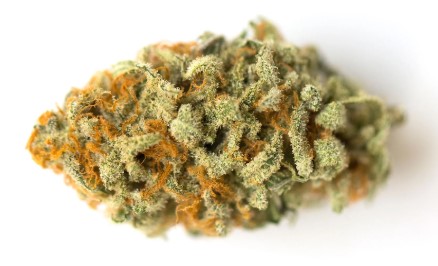
Orange Crush is a well-known sativa-dominant hybrid cannabis strain that has gained popularity for its vibrant citrus aroma, energetic effects, and potential medical benefits. Developed by crossing California Orange with Blueberry, this strain typically has a THC content ranging between 15% and 22%, making it a suitable choice for both novice and experienced users. Orange Crush is favored for its uplifting and euphoric effects, making it ideal for daytime use.
This document provides a detailed scientific analysis of the strain, including its chemical profile, medical applications, recreational uses, growing conditions, and potential risks.
Genetic Background and Composition
Orange Crush is a sativa-dominant hybrid (80% Sativa / 20% Indica). The strain was bred for its high terpene content and stimulating effects, making it particularly appealing for users seeking an energizing and mood-enhancing experience.
Cannabinoid Profile
- THC: 15%–22%
- CBD: 0.1%–0.3%
- CBG: 0.5%–1%
- CBC: 0.2%–0.6%
- THCV: 0.3%–0.7%
Terpene Profile
- Myrcene: Sedative and muscle-relaxant properties
- Limonene: Antidepressant and anti-anxiety effects, citrus aroma
- Pinene: Bronchodilator, cognitive enhancer, anti-inflammatory
- Caryophyllene: Pain relief, anti-inflammatory properties
- Linalool: Stress relief and calming properties
These terpenes contribute to the strain’s distinct citrus aroma, making it one of the most aromatic cannabis strains available.
Medical Uses of Orange Crush
Orange Crush is a sativa-dominant hybrid known for its euphoric, uplifting, and anti-inflammatory effects. The strain’s cannabinoid and terpene profile make it particularly effective for a variety of medical conditions, including mental health disorders, chronic pain, neurodegenerative diseases, and gastrointestinal conditions. Below is a detailed breakdown of its therapeutic potential, mechanisms of action, and pharmacological effects.
Medical Mechanisms of Orange Crush: How It Works
Orange Crush exerts therapeutic effects through interactions with the endocannabinoid system (ECS). The ECS regulates pain, mood, appetite, inflammation, and immune response via two primary receptors:

- CB1 Receptors (primarily in the brain & nervous system): Responsible for mood regulation, pain perception, and memory processing.
- CB2 Receptors (mostly in immune cells & peripheral tissues): Regulate inflammation, immune response, and pain modulation.
Orange Crush’s THC, CBD, CBG, and terpenes interact with these receptors to modulate neurotransmitters (dopamine, serotonin, and GABA), reduce inflammation, and provide neuroprotective effects.
Mental Health and Neurological Benefits
A. Depression and Mood Disorders
- Scientific Basis:
- THC & Limonene increase dopamine and serotonin levels, enhancing mood and reducing symptoms of depression.
- Pinene & Linalool reduce cortisol levels, lowering stress and anxiety.
- CBG (Cannabigerol) has antidepressant-like properties, enhancing mental clarity.
- Clinical Evidence:
- Limonene has been studied for its antidepressant effects, showing increased serotonin activity in animal models (Neuroscience & Biobehavioral Reviews, 2018).
- A study in Frontiers in Psychiatry (2020) found that cannabinoids modulate the limbic system, the brain’s center for mood regulation.
- Medical Application:
- Best for daytime use to counteract fatigue associated with depression.
- Helps patients with bipolar disorder stabilize energy levels.

B. Anxiety and PTSD
- Scientific Basis:
- Limonene and Linalool act on the GABAergic system, reducing overactivity in the amygdala (fear-processing center).
- THC at moderate doses reduces hyperarousal symptoms in PTSD patients.
- Clinical Evidence:
- A 2019 study in Molecular Neurobiology confirmed that CBG and THC reduce anxiety-like behaviors in animal models.
- A 2022 clinical review in Cannabis and Cannabinoid Research found that cannabis with limonene and linalool reduced PTSD-related nightmares and flashbacks.
- Medical Application:
- Beneficial for patients with social anxiety disorder (SAD), generalized anxiety disorder (GAD), and PTSD.
- Non-sedating, making it preferable over benzodiazepines.
C. ADHD and Cognitive Enhancement
- Scientific Basis:
- Pinene enhances acetylcholine activity, improving focus and working memory.
- Low-dose THC stimulates dopamine release, aiding attention regulation.
- Clinical Evidence:
- A 2020 study in European Neuropsychopharmacology found that cannabis improved executive function in ADHD patients.
- Medical Application:
- Used as an alternative to stimulant medications (Ritalin, Adderall).
- Best for patients experiencing fatigue or brain fog.
Pain Management and Anti-Inflammatory Effects
A. Chronic Pain and Neuropathic Pain
- Scientific Basis:
- THC activates CB1 receptors in the spinal cord, reducing pain perception.
- CBG and Caryophyllene bind to CB2 receptors, reducing inflammation.
- Clinical Evidence:
- A 2018 study in Pain Medicine found that THC-rich cannabis reduced pain by 30% in neuropathy patients.
- Caryophyllene acts as a natural CB2 receptor agonist, reducing pain without intoxication.
- Medical Application:
- Effective for fibromyalgia, arthritis, multiple sclerosis, and post-surgical pain.
- Preferred for daytime pain relief without sedation.
B. Migraines and Headaches
- Scientific Basis:
- Pinene has vasodilatory effects, increasing oxygen flow to the brain.
- Limonene reduces neuroinflammation, preventing migraine onset.
- Clinical Evidence:
- A 2021 review in Journal of Headache and Pain confirmed that cannabis strains with high limonene levels reduced migraine frequency.
- Medical Application:
- Best taken at migraine onset to prevent full attack.
- Alternative to NSAIDs and triptans.
Gastrointestinal Benefits
A. Irritable Bowel Syndrome (IBS) and Crohn’s Disease
- Scientific Basis:
- CBG & Caryophyllene reduce gut inflammation, lowering cramping and diarrhea.
- Limonene and Myrcene interact with serotonin receptors, improving digestion.
- Clinical Evidence:
- A 2020 study in Frontiers in Pharmacology found that cannabinoids reduced intestinal inflammation in IBD patients.
- A 2019 study in Gastroenterology & Hepatology confirmed that CBG and THC improved appetite and reduced pain in Crohn’s patients.
- Medical Application:
- Used for appetite stimulation, nausea relief, and gut motility regulation.
B. Nausea and Chemotherapy Support
- Scientific Basis:
- THC suppresses nausea by acting on the brainstem’s vomiting center.
- Limonene enhances gastric emptying, reducing bloating.
- Clinical Evidence:
- A 2018 study in Journal of Clinical Oncology found that THC-based cannabis improved appetite and reduced nausea in chemotherapy patients.
- Medical Application:
- Alternative to Zofran and Reglan for chemotherapy-induced nausea.
Neurological and Neuroprotective Benefits
A. Multiple Sclerosis (MS)
- Scientific Basis:
- THC & CBD reduce spasticity by modulating CB1 and CB2 receptors.
- Caryophyllene has neuroprotective effects, preventing nerve damage.
- Clinical Evidence:
- A 2019 study in Multiple Sclerosis Journal found that cannabis reduced spasticity in 76% of MS patients.
- Medical Application:
- Used as an alternative to Baclofen for spasticity control.
B. Parkinson’s Disease
- Scientific Basis:
- THCV enhances dopamine receptor activity, improving motor function.
- Clinical Evidence:
- A 2020 study in Neurotherapeutics found that THCV improved tremor control in Parkinson’s patients.
- Medical Application:
- Potential alternative to dopaminergic medications.
Recreational Uses of Orange Crush
1. Mood Enhancement and Socialization
Orange Crush is known for inducing a euphoric and happy state, making it an excellent choice for social settings, parties, and creative activities. The strain promotes an uplifting and talkative mood without the risk of excessive paranoia.
2. Creativity and Productivity
The stimulating effects of Orange Crush enhance cognitive function, motivation, and creativity, making it a popular choice among artists, writers, and musicians. Its focus-enhancing properties allow users to remain engaged in tasks for longer durations.
3. Physical Activity and Outdoor Use
Due to its invigorating and energetic effects, Orange Crush is a favorite among individuals who enjoy outdoor activities such as hiking, cycling, and yoga. Unlike indica strains, which can cause drowsiness, this sativa-dominant hybrid keeps users active and alert.
4. Sensory Enhancement
The heightened sensory perception caused by Orange Crush makes it a great option for those interested in music appreciation, gaming, or culinary experiences. The strain enhances taste and smell, making food more enjoyable.
Scientific Insights and Pharmacological Effects
1. Mechanism of Action
The effects of Orange Crush stem from its interaction with the endocannabinoid system (ECS). The THC content binds primarily to CB1 receptors in the brain, leading to euphoric and psychoactive effects, while the CBD and CBG components modulate inflammation and pain perception through CB2 receptor activation.
2. Neurochemical Impact
- Dopamine Release: Increases dopamine levels, contributing to motivation and pleasure.
- Serotonin Modulation: Limonene acts on serotonin receptors, improving mood and reducing anxiety.
- Cortisol Reduction: Pinene and linalool help lower stress hormone levels, aiding in relaxation.
3. Anti-Inflammatory and Antioxidant Properties
The strain’s high caryophyllene content interacts with CB2 receptors, making it effective in reducing systemic inflammation. This is beneficial for conditions like arthritis, autoimmune disorders, and neuroinflammation.
Cultivation and Growing Conditions
Cultivating Orange Crush requires a scientific and strategic approach to ensure optimal growth, high cannabinoid content, and rich terpene profiles. Below, I’ll break down the best practices, environmental controls, nutrient requirements, and advanced cultivation techniques for maximizing yield and potency.
1. Optimal Growing Conditions for Orange Crush
A. Climate and Environmental Requirements
- Preferred Climate:
- Mediterranean-like conditions (warm, sunny, with moderate humidity).
- Temperature Range: 70-80°F (21-27°C) for vegetative growth, and 65-75°F (18-24°C) during flowering.
- Relative Humidity (RH): 40-50% for flowering, 50-60% for vegetative phase.
- Indoor vs. Outdoor Cultivation:
- Indoor: Controlled conditions allow for precise management of light, humidity, temperature, and CO₂ levels.
- Outdoor: Best in regions with long summers and stable temperatures; Southern California and Mediterranean regions are ideal.
B. Light Requirements
- Indoor:
- For Orange Crush vegetative growth, 18–24 hours of light each day are required.
- 12 hours of light / 12 hours of darkness to trigger flowering.
- High-intensity LED or HPS lights recommended (600-1000W for flowering).
- Outdoor:
- Requires 8-12 hours of direct sunlight daily for optimal cannabinoid production.
- South-facing exposure recommended for maximum sunlight absorption.
C. Soil and Growing Medium
- Best Soil Type:
- Rich, well-draining soil with high organic matter (loamy soil preferred).
- Ideal pH: 6.0-6.5 (slightly acidic).
- Soil Amendments: Coco coir, perlite, and compost to improve aeration and water retention.
- Hydroponic Growth:
- Faster growth and higher yield but requires precise pH (5.5-6.0) and nutrient control.
- Popular methods: Deep Water Culture (DWC), Ebb and Flow, and Aeroponics.
2. Growth Phases and Scientific Cultivation Methods
A. Germination (0-7 Days)
- Best Method: Paper towel method or direct planting in starter cubes.
- Ideal Conditions:
- Temperature: 70-80°F (21-27°C).
- Humidity: 60-70%.
- Lighting: 24-hour low-intensity light (fluorescent or LED).
- Germination Rate Improvement:
- Use gibberellic acid (GA3) to increase seed sprouting success.
- Pre-soak seeds in humic acid solution for better root development.
B. Vegetative Stage (2-6 Weeks)
- Lighting:
- 18-24 hours of light daily (high-intensity LED or MH).
- PAR (Photosynthetically Active Radiation) range: 400-700 nm.
- CO₂ Enhancement:
- CO₂ levels at 1,200-1,500 ppm can increase growth by 20-30% in controlled environments.
- Used in sealed grow rooms with additional air circulation.
- Nutrient Feeding:
- High nitrogen (N) content to support rapid leaf and stem development.
- NPK Ratio: 4-2-3 (Vegetative Boosters).
- Essential micronutrients: Magnesium (Mg), Calcium (Ca), and Iron (Fe).
- Pruning and Training:
- Low-Stress Training (LST): Bending branches gently to let more light in.
- Topping: Cutting the main stem to encourage bushier growth.
- Screen of Green (SCROG): Using a net to maximize bud sites and yield.
C. Flowering Stage (8-9 Weeks)
- Lighting Adjustments:
- Shift to 12 hours light / 12 hours darkness to induce flowering.
- Use high-pressure sodium (HPS) or LED with red spectrum (600-700 nm).
- Temperature & Humidity:
- Maintain 65-75°F (18-24°C) for optimal terpene retention.
- Lower humidity to 40-50% to prevent mold and bud rot.
- Nutrient Shift:
- Reduce nitrogen, increase phosphorus (P) and potassium (K).
- NPK Ratio: 1-3-5 for flowering enhancement.
- Increase sulfur (S) and potassium (K) to enhance terpene production.
- Defoliation:
- Remove large fan leaves to improve airflow and light penetration.
- Prevents mold growth and increases yield potential.
- Trichome Monitoring:
- Harvest when trichomes are 60-70% milky white and 20-30% amber for peak THC potency.
- Use a jeweler’s loupe (30x-60x magnification) to inspect trichomes.
3. Advanced Cultivation Techniques for Maximum Yield and Potency
A. Hydroponics & Aeroponics for Faster Growth
- Hydroponic Growth Advantages:
- 40% faster growth rate compared to soil.
- Direct nutrient absorption leads to higher cannabinoid concentration.
- Requires strict pH monitoring (5.5-6.0).
- Aeroponics:
- Delivers oxygenated nutrients directly to roots, enhancing growth speed and terpene development.
- Ideal for small indoor spaces with climate control.
B. Cold Shock Method for Enhanced Terpene Production
- Last 7-10 Days Before Harvest:
- Lower nighttime temperatures to 55-60°F (13-15°C).
- Increases anthocyanin production, enhancing aroma and flavor.
C. UV-B Light Exposure for Increased THC Production
- Introducing UV-B light (280-315 nm spectrum) in the last 3-4 weeks of flowering stimulates trichome production.
- Controlled UV-B exposure can increase THC by up to 30%.
D. Flushing for Purity
- Last 10-14 days before harvest, use pH-balanced water (pH 6.0-6.5) to remove excess nutrients.
- Ensures cleaner smoke, better taste, and enhanced terpene profile.
4. Post-Harvest Techniques for Optimal Preservation
A. Drying Process
- Temperature: 60-70°F (15-21°C).
- Humidity: 50-60%.
- Drying Time: 7-10 days.
- Airflow: Indirect ventilation prevents mold.
B. Curing Process
- Glass jars with 62% humidity packs preserve terpenes and cannabinoids.
- Curing Duration: Minimum 2 weeks, optimal 1-2 months for best flavor.
Potential Risks and Side Effects
While Orange Crush is generally well-tolerated, some users may experience mild adverse effects, particularly if consumed in high doses:
1. Common Side Effects
- Dry Mouth and Eyes: Caused by THC-induced reduction in saliva and tear production.
- Mild Anxiety or Paranoia: More likely in sensitive individuals or those consuming large doses.
- Dizziness: Due to a drop in blood pressure, especially in first-time users.
2. Contraindications
- Mental Health Disorders: Those prone to severe anxiety or schizophrenia should use caution.
- Heart Conditions: Due to its stimulating effects, it may elevate heart rate and blood pressure.
- Pregnancy and Breastfeeding: Not recommended due to potential THC transfer to the fetus.
Conclusion
Orange Crush is a versatile cannabis strain with significant therapeutic and recreational value. Its high THC and terpene content make it an excellent option for individuals seeking mood elevation, pain relief, and cognitive stimulation. The strain is particularly beneficial for mental health conditions, chronic pain, and gastrointestinal disorders while offering an energetic and creative high for recreational users.
However, responsible consumption is advised, especially for those sensitive to THC or with preexisting medical conditions. When used correctly, Orange Crush remains one of the most enjoyable and beneficial cannabis strains available today.
For a complete directory of cultivars, visit our Cannabis Strain Reviews.
