Optimal Soil Composition for Medical Cannabis Growth
Growing medical cannabis requires a careful balance of nutrients, water retention, and pH levels to ensure that the plant can reach its full potential. Soil composition is one of the most critical factors in this process. For medical cannabis, which requires precision and consistent quality to meet therapeutic standards, soil plays a vital role in determining the chemical profile and potency of cannabinoids, such as THC and CBD, as well as terpenes that may contribute to the plant’s medical efficacy.
In this comprehensive guide, we will explore the key elements of optimal soil composition, how different factors influence medical cannabis growth, and how to adjust and maintain the ideal growing conditions to ensure the best yield. This guide excludes any recreational use of cannabis and focuses solely on medical cannabis production.
1. The Importance of Soil in Medical Cannabis Growth
Soil is more than just a medium to hold the roots; it is the plant’s primary source of nutrients, water, and oxygen. For medical cannabis, a stable and high-quality soil composition is essential to produce plants with consistent therapeutic properties. Since medical cannabis needs to adhere to strict guidelines for cannabinoid content and purity, the soil must be free of harmful contaminants while providing all the nutrients needed for optimal growth.
Key Roles of Soil in Medical Cannabis Growth:
- Nutrient Reservoir: Soil holds essential macro- and micronutrients that cannabis absorbs through its roots, including nitrogen (N), phosphorus (P), potassium (K), calcium (Ca), magnesium (Mg), and trace elements like iron (Fe) and zinc (Zn). The availability of these nutrients affects plant health and cannabinoid production.
- Water Retention and Drainage: Soil needs to hold enough water to keep the roots hydrated while allowing excess water to drain, preventing root rot and other diseases.
- Aeration and Oxygen Availability: Oxygen is crucial for root health. Well-aerated soil allows roots to breathe and supports the breakdown of organic matter by beneficial microbes.
- pH Regulation: The pH of the soil affects nutrient availability. Cannabis prefers a slightly acidic soil with a pH range between 6.0 and 7.0. Out-of-range pH levels can lead to nutrient lockout, where plants cannot absorb essential nutrients even when they are present in the soil.
- Microbial Life: A healthy soil biome with beneficial microorganisms, such as mycorrhizal fungi and bacteria, is essential for breaking down organic matter, improving nutrient availability, and enhancing plant resilience.
2. Essential Components of Soil for Medical Cannabis
To achieve the optimal conditions for medical cannabis growth, it is crucial to understand the different components that make up high-quality soil. These components include organic matter, aeration materials, water retention elements, and mineral nutrients.
a. Organic Matter
In addition to strengthening soil structure and offering a slow-release source of nutrients, organic matter also fosters microbial life, which benefits plant health. The most common sources of organic matter for medical cannabis include:
- Compost: Rich in decomposed organic material, compost adds nutrients to the soil and improves its structure. It is especially beneficial for water retention and enhancing microbial life.
- Worm Castings: Known as vermicompost, worm castings are an excellent source of beneficial bacteria, enzymes, and nutrients. They also help improve water retention and aeration.
- Peat Moss: Peat is often used to enhance water retention and maintain an acidic pH level in the soil. It is particularly helpful in sustaining soil moisture during dry periods.
- Coco Coir: Made from coconut husk fibers, coco coir is a sustainable alternative to peat moss and improves both water retention and aeration.
b. Aeration Materials
Good aeration is crucial for medical cannabis as it allows roots to access oxygen and prevents soil compaction, which can suffocate the roots. Materials commonly used to improve aeration include:
- Perlite: A volcanic glass that expands when heated, perlite is one of the most common additives for aeration. It helps prevent soil compaction and improves drainage while still retaining some water.
- Pumice: Like perlite, pumice is a volcanic rock that enhances soil aeration and drainage.
- Vermiculite: While it improves aeration, vermiculite also retains water and nutrients, making it useful for creating a balance between drainage and moisture retention.
- Rice Hulls: Rice hulls are an organic and sustainable alternative for improving aeration. They decompose gradually and add organic stuff to the soil.
c. Water Retention Elements
Medical cannabis plants require a balance between water retention and drainage. Maintaining proper hydration is critical to ensuring healthy growth, particularly in soil-based systems. To optimize water retention:
- Vermiculite: As mentioned, vermiculite improves water retention while also aiding in aeration.
- Peat Moss and Coco Coir: Both of these organic components are excellent at retaining moisture, which is vital in dry climates or periods of drought.
- Hydrogel Crystals: These artificial polymers have the ability to absorb water and release it gradually when the plant requires it. Though not commonly used in organic soils, they can be helpful in certain growing environments.
d. Mineral Nutrients
Mineral content is another vital part of the soil composition for medical cannabis. The right balance of macronutrients (N-P-K) and secondary nutrients (Ca, Mg, and S) ensures that the plants can thrive.
- Nitrogen (N): Nitrogen is very crucial for the growth of leaves and stems during the vegetative stage of cannabis cultivation. Growth retardation and yellowing of the leaves might result from a nitrogen deficiency.
- Phosphorus (P): Phosphorus is critical for root development and flowering. It plays a significant role in energy transfer within the plant and in the development of flowers, which are the source of cannabinoids.
- Potassium (K): Potassium regulates water uptake and overall plant metabolism. It supports healthy flowering and improves the plant’s resilience to disease and stress.
- Calcium (Ca): Calcium strengthens plant cell walls and supports root development. A deficiency in calcium can result in weak stems and leaf curl.
- Magnesium (Mg): Magnesium is crucial for photosynthesis as it is the central atom in the chlorophyll molecule. Deficiency in magnesium leads to interveinal chlorosis (yellowing between the veins of leaves).
- Sulfur (S): Sulfur is vital for the production of certain amino acids and enzymes. It is also involved in the formation of terpenes, which contribute to the plant’s medicinal aroma and therapeutic properties.
3. Soil pH for Medical Cannabis
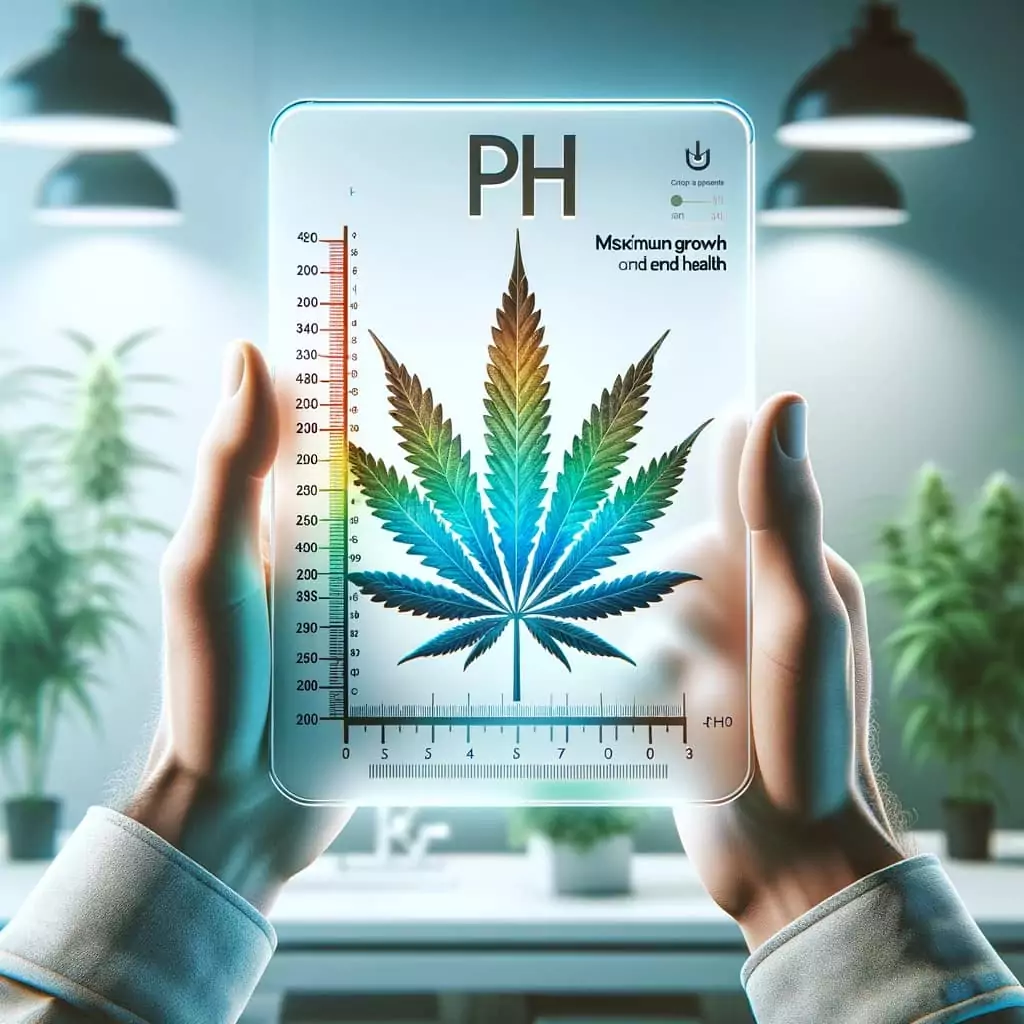
The pH level of the soil is one of the most crucial aspects of soil management for medical cannabis. The ideal pH range for cannabis is between 6.0 and 7.0, with a slight preference for a slightly acidic environment. This pH range ensures that nutrients remain available to the plant.
- Acidic Soil (pH below 6.0): When the soil is too acidic, cannabis plants may experience nutrient lockout, particularly with nutrients like calcium and magnesium. In extreme cases, root damage and stunted growth can occur.
- Alkaline Soil (pH above 7.0): High pH levels can result in nutrient deficiencies, especially for phosphorus and iron. As a result, the plant grows and develops poorly.
Regular monitoring and adjustment of soil pH is necessary to prevent imbalances. Testing kits or pH meters are commonly used to check soil pH. If the pH needs adjustment:
- To lower pH (make more acidic), gardeners can add sulfur, peat moss, or certain organic composts.
- To raise pH (make more alkaline), dolomite lime or wood ash can be added.
4. Soil Amendments for Medical Cannabis
Soil amendments improve the nutrient content, structure, and fertility of the soil. For medical cannabis, the following amendments are commonly used to enhance soil composition:
a. Organic Fertilizers
Compost, dung, and guano are examples of organic fertilizers that release nutrients gradually over time to benefit plants. These fertilizers improve soil structure and support microbial life.
- Fish Emulsion: Fish emulsion, which is high in nitrogen, is a widely used amendment to promote vegetative growth.
- Bone Meal: Bone meal, rich in phosphorus, promotes root growth and flowering.
- Blood Meal: Blood meal is an excellent source of nitrogen and is useful in the vegetative stage to promote leafy growth.
b. Mineral Amendments
Mineral amendments, like rock dust or powdered minerals, add trace elements and secondary nutrients to the soil.
- Dolomite Lime: Used to buffer pH levels and add calcium and magnesium.
- Azomite: A natural mineral product that adds trace minerals to the soil, including iron, zinc, and manganese.
- Epsom Salt: Adds magnesium and sulfur to the soil, both of which are essential for healthy growth and terpene production.
5. Beneficial Microorganisms and Mycorrhizae
Healthy soil for medical cannabis contains a rich ecosystem of microorganisms that promote nutrient availability, prevent disease, and enhance root growth. The most beneficial microorganisms include:
a. Mycorrhizae
Mycorrhizal fungi form symbiotic relationships with cannabis roots, extending the root network and increasing nutrient uptake, particularly phosphorus. By introducing mycorrhizae to the soil, growers can improve plant health, increase yield, and reduce the need for chemical fertilizers.
b. Trichoderma
Trichoderma species are beneficial fungi that protect cannabis roots from harmful pathogens while enhancing nutrient absorption. These fungi colonize the root zone and create a protective barrier, reducing the likelihood of root rot and other soil-borne diseases.
c. Nitrogen-Fixing Bacteria
Certain bacteria, such as Rhizobium and Azospirillum, can fix atmospheric nitrogen, making it available to the cannabis plant. These bacteria live in the soil or within plant roots and help reduce the need for additional nitrogen fertilizers.
6. Sustainable and Organic Soil Practices for Medical Cannabis

Sustainability is critical in the cultivation of medical cannabis, where purity and consistency are paramount. Organic growing practices, including soil regeneration and minimizing the use of synthetic chemicals, are increasingly becoming the standard in medical cannabis production. Here are some sustainable soil practices:
- Composting: Creating your compost from organic waste materials (such as food scraps, plant clippings, and manure) is a sustainable way to provide nutrients to the soil.
- Cover Crops: Soil structure can be enhanced, erosion can be decreased, and nitrogen fixation can be achieved through planting cover crops such as rye, alfalfa, or clover.
- No-Till Farming: By avoiding tilling, growers preserve the soil structure, promote microbial life, and reduce erosion. This method also helps to maintain long-term soil fertility.
- Mulching: When organic mulch, such wood chips or straw, decomposes, it helps hold onto soil moisture, inhibits the growth of weeds, and enhances soil structure.
Restrictions on Growing and Using Cannabis in the Medical Field as a Last Resort
There are strict international restrictions governing the cultivation and usage of cannabis for medical purposes. These restrictions are in place to ensure that cannabis is used responsibly and safely, particularly in medical settings where patient well-being is paramount. Medical cannabis, often prescribed as a last resort, is reserved for cases where traditional treatments have proven ineffective or are unsuitable. Alongside these regulations, strict monitoring of THC (tetrahydrocannabinol) levels is critical to prevent the psychoactive effects associated with this cannabinoid from impacting patients.
Restrictions on Growing Medical Cannabis
Growing cannabis for medical purposes is highly regulated, with specific legal frameworks differing from country to country and even state to state. Key restrictions include:
- Licensing Requirements: In most regions, individuals or organizations must obtain specific licenses or permits to cultivate medical cannabis. These licenses are often issued by government health or agriculture departments, and the application process can be rigorous, involving background checks and facility inspections to ensure compliance with safety and security measures.
- Regulated Strain Selection: Growers are usually restricted to growing cannabis strains that have been authorized for medicinal purposes. These strains are selected based on their therapeutic profiles, with a focus on strains that have balanced levels of cannabinoids such as CBD (cannabidiol) and THC to meet medical standards.
- Controlled Growing Conditions: Regulations often dictate the conditions under which medical cannabis must be grown. These conditions include secure growing environments, such as indoor facilities with restricted access, and adherence to agricultural standards to prevent contamination from pesticides or heavy metals.
- Monitoring and Reporting: Licensed growers are usually required to maintain detailed records of their operations, including the quantity of cannabis grown, the strains cultivated, and the conditions under which they were produced. To guarantee adherence to rules, these records are routinely audited.
Using Cannabis as a Last Resort
Medical cannabis is often prescribed as a last resort, meaning it is used only when conventional medications and treatments have failed. This approach ensures that cannabis is utilized in a controlled and justified manner, minimizing risks associated with its psychoactive properties, particularly THC.
- Clinical Justification: Physicians are generally required to demonstrate that other treatment options have been exhausted before prescribing medical cannabis. This involves a thorough review of the patient’s medical history and a documented failure of standard treatments to alleviate symptoms.
- Patient Suitability: Not all patients are suitable candidates for medical cannabis. Physicians must assess whether the benefits of cannabis outweigh potential risks, especially in vulnerable populations such as children, the elderly, or those with a history of mental health disorders, who may be more sensitive to THC’s psychoactive effects.
- Regulation of Conditions Treated: Many jurisdictions limit the use of medical cannabis to a specific list of medical conditions, such as chronic pain, multiple sclerosis, epilepsy, and cancer-related symptoms. This ensures that cannabis is only used for conditions where there is substantial evidence of its efficacy.
Monitoring THC Levels to Prevent Psychoactive Effects
THC is the psychoactive compound in cannabis that can lead to euphoria, altered perceptions, and in some cases, anxiety or paranoia. In medical contexts, preventing these psychoactive effects is crucial, particularly for patients seeking therapeutic relief without the associated high.
- Low-THC Strains: One of the key methods for preventing psychoactive effects is the use of low-THC, high-CBD strains. CBD can counteract some of the psychoactive properties of THC, making it more suitable for medical use. Regulations often dictate that strains with low THC and higher CBD levels are preferred, especially in treating conditions like epilepsy or anxiety.
- Dose Control: Strict guidelines are in place to control the dosage of THC in medical cannabis products. Physicians and pharmacists must carefully calculate and prescribe doses that deliver therapeutic benefits without causing psychoactive effects. This may entail lowering the dosage initially and progressively raising it as necessary while being closely monitored by a physician.
- Lab Testing: All medical cannabis products must undergo rigorous testing to ensure accurate THC and CBD levels. Licensed laboratories are required to test the potency of cannabis products before they reach patients. This testing ensures that the THC levels remain within the legal limits set by regulatory bodies and that patients receive consistent, reliable medication.
- Monitoring Patient Response: After a prescription is written, doctors keep a careful eye on their patients to see how the medication is working. If patients experience unwanted psychoactive effects, adjustments to the THC content or a switch to a different strain may be necessary.
Conclusion
The use and cultivation of cannabis in the medical field require rigorous regulation and oversight to ensure both efficacy and safety for patients. Medical cannabis is often considered a treatment of last resort, meaning that it is prescribed when conventional therapies have proven ineffective or unsuitable. This ensures that cannabis is used with clinical justification and tailored to the individual patient’s needs.
Restrictions on growing medical cannabis emphasize licensed cultivation, regulated strain selection, controlled growing conditions, and meticulous monitoring to maintain a high standard of safety and compliance. These regulations ensure that medical cannabis is free from contaminants and consistently meets therapeutic standards. The cultivation process also prioritizes strains that provide medical benefits without excessive psychoactive effects.
The concept of using cannabis as a last resort ensures that the treatment is implemented judiciously, under close medical supervision, and only when traditional treatments have failed. Physicians must assess patient suitability and the potential benefits versus risks before considering medical cannabis as a treatment option. This approach reduces the likelihood of misuse and ensures that the focus remains on improving patient outcomes.
Additionally, the careful monitoring of THC levels in medical cannabis products is crucial for preventing unwanted psychoactive effects. Low-THC strains, accurate dosing, and strict lab testing are essential measures that guarantee patients receive therapeutic benefits without experiencing the “high” commonly associated with cannabis. By focusing on proper strain selection, precise dosage control, and ongoing patient monitoring, medical cannabis can be used effectively in treatment while minimizing any adverse psychoactive effects.
In conclusion, the cultivation and use of medical cannabis are subject to comprehensive restrictions and monitoring to protect patient safety and ensure therapeutic efficacy. These measures underscore the importance of using medical cannabis as a controlled, scientifically validated treatment, with an emphasis on managing THC levels to prevent psychoactive effects while delivering the desired medical benefits.
