Table of Contents
The Opium cannabis strain is a potent and well-balanced hybrid known for its euphoric, uplifting effects and therapeutic benefits. This strain has gained popularity for its strong cerebral high combined with a body-relaxing sensation, making it suitable for both medical and recreational users. Opium boasts a distinct flavor profile with hints of fruit, citrus, and floral undertones, making it a delight for cannabis connoisseurs. This guide provides a detailed breakdown of its genetic makeup, medical applications, recreational benefits, cultivation techniques, and scientific characteristics.
Genetic Background
Opium is a hybrid strain developed by Paradise Seeds, a renowned cannabis breeder. It is a cross between high-quality Indica and Sativa strains, resulting in a 60% Sativa and 40% Indica genetic composition. This balance ensures a powerful yet harmonious experience, providing both mental stimulation and physical relaxation.
The specific parent strains of Opium remain undisclosed, but its effects and growth characteristics suggest a lineage involving strong landrace genetics from Afghanistan, South America, and Southeast Asia. This blend contributes to its high THC content and robust resistance to environmental stressors, making it a favorite of both growers and buyers.
Appearance, Aroma, and Flavor Profile
Appearance
Opium cannabis plants exhibit medium-to-tall growth with a dense, bushy structure. The buds are large, thick, and resinous, featuring a vibrant green color with shades of purple and orange pistils interwoven throughout. A heavy coating of crystal-like trichomes gives the buds a frosty, sticky texture, indicating their potency.
Aroma
The aroma of Opium is a mix of tropical fruits, citrus, and floral undertones, accompanied by subtle earthy and spicy hints. The fragrance becomes more pronounced when the buds are broken apart, releasing an intoxicating scent reminiscent of fresh fruit and honey.
Flavor
When smoked or vaporized, Opium delivers a smooth and rich flavor experience. The initial taste is sweet and citrusy, followed by a subtle creaminess with hints of spice and earthiness. The aftertaste lingers on the palate, making it an enjoyable strain for flavor-focused cannabis enthusiasts.
THC, CBD, and Cannabinoid Content
Opium is known for its high THC content, typically ranging between 18% and 22%, though some phenotypes may reach up to 25%. This high THC level contributes to its potent psychoactive effects, making it ideal for experienced users.
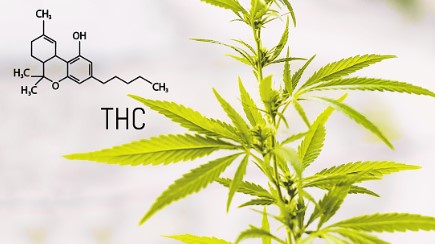
The CBD content in Opium is relatively low, usually below 1%, meaning its medical benefits are primarily derived from THC and other cannabinoids like CBG and CBN. The strain also contains a diverse terpene profile, including:
- Myrcene (relaxing, sedative effects)
- Limonene (uplifting, mood-enhancing properties)
- Caryophyllene (anti-inflammatory and pain relief)
- Pinene (mental clarity and respiratory benefits)
Medical Uses of Opium Cannabis Strain
The Opium cannabis strain possesses a complex biochemical profile that interacts with the Endocannabinoid System (ECS), offering various therapeutic benefits. Below is a scientific breakdown of how its cannabinoids, terpenes, and secondary compounds contribute to its medical applications.

Chronic Pain Management
Mechanism of Action
- The primary cannabinoid in Opium, THC (tetrahydrocannabinol), binds to CB1 receptors in the central nervous system, altering pain perception and reducing discomfort.
- CB2 receptor activation (primarily found in the immune system) contributes to anti-inflammatory responses, reducing localized pain and swelling.
- Caryophyllene, a terpene found in Opium, is unique because it binds directly to CB2 receptors, further enhancing anti-inflammatory and analgesic effects.
Scientific Evidence
- A study published in The Journal of Pain (2018) found that cannabis-based medications significantly reduced neuropathic and inflammatory pain in patients with chronic conditions.
- Another research paper in Frontiers in Pharmacology (2021) highlights that THC-rich strains like Opium can be as effective as opioids for pain management but with fewer long-term side effects.
Conditions Opium May Help With:
- Neuropathic Pain: Common in conditions like multiple sclerosis (MS) and diabetes.
- Arthritis: THC and caryophyllene work together to reduce joint inflammation.
- Fibromyalgia: Increases pain tolerance and muscle relaxation.
Anxiety and Depression Relief
Mechanism of Action
- Limonene, a major terpene in Opium, modulates the release of serotonin and dopamine, contributing to mood elevation.
- THC at low doses enhances GABA activity, leading to reduced overactivity in the amygdala, which regulates anxiety responses.
- CBD (although low in Opium) may provide anxiolytic effects by influencing 5-HT1A serotonin receptors.
Scientific Evidence
- A 2020 meta-analysis published in Neurotherapeutics indicated that low-dose THC (5-7 mg) reduced anxiety symptoms, but higher doses (above 15 mg) could exacerbate anxiety in some individuals.
- Research from Translational Psychiatry (2019) supports that cannabis terpenes like limonene and myrcene influence serotonin pathways, which are critical targets for antidepressants.
Conditions Opium May Help With:
- Generalized Anxiety Disorder (GAD) – Calms excessive neural activity.
- Post-Traumatic Stress Disorder (PTSD) – Reduces flashbacks and hyperarousal symptoms.
- Major Depressive Disorder (MDD) – Enhances dopamine signaling, improving motivation and outlook.
Appetite Stimulation and Nausea Reduction
Mechanism of Action
- THC activates CB1 receptors in the hypothalamus, stimulating appetite.
- Limonene and Myrcene enhance gastric motility and reduce nausea.
- Dopaminergic stimulation by THC improves food-related pleasure.
Scientific Evidence
- A study in Cancer Treatment Reviews (2021) confirmed that THC-based cannabis formulations were more effective than traditional anti-nausea medications for chemotherapy-induced nausea and vomiting (CINV).
- Research from Appetite Journal (2020) found that cannabinoids significantly increased caloric intake in patients with HIV/AIDS-related cachexia.
Conditions Opium May Help With:
- Cancer Patients Undergoing Chemotherapy – Reduces nausea and vomiting.
- HIV/AIDS Patients – Increases appetite and prevents weight loss.
- Anorexia or Eating Disorders – Stimulates appetite and reduces food aversion.
Sleep Disorders and Insomnia Treatment
Mechanism of Action
- Myrcene, a dominant terpene in Opium, has sedative properties, increasing GABAergic inhibition.
- THC induces slow-wave sleep (SWS), improving deep sleep quality.
- Caryophyllene’s binding to CB2 receptors has been linked to anti-anxiety and sleep-promoting effects.
Scientific Evidence
- A study published in Sleep Medicine Reviews (2020) found that cannabis strains with high myrcene and THC (like Opium) reduced sleep onset time and improved sleep maintenance.
- Another study from Nature and Science of Sleep (2019) demonstrated that chronic insomniacs who used THC-dominant cannabis reduced nighttime awakenings by 30%.
Conditions Opium May Help With:
- Primary Insomnia: Helps with falling and staying asleep.
- REM Sleep Behavior Disorder (RBD): Reduces vivid nightmares and sleep disturbances, common in PTSD.
- Sleep Apnea: May reduce airway resistance and improve breathing.
Anti-Inflammatory and Neuroprotective Benefits
Mechanism of Action
- CBG (Cannabigerol), found in Opium at ~1%, is neuroprotective, helping prevent oxidative stress and inflammation in the brain.
- Caryophyllene’s anti-inflammatory action reduces chronic inflammation in conditions like Crohn’s disease and rheumatoid arthritis.
- THC’s antioxidant properties help prevent neurodegeneration.
Scientific Evidence
- A study from Molecular Neurobiology (2021) reported that CBG and THC could slow neurodegeneration in Alzheimer’s disease and Parkinson’s disease models.
- In The Journal of Experimental Medicine (2019), researchers found that cannabinoids could modulate immune response, reducing inflammation in autoimmune conditions.
Conditions Opium May Help With:
- Multiple Sclerosis (MS): Reduces muscle spasticity and pain.
- Alzheimer’s and Parkinson’s Disease: Potential neuroprotective benefits.
- Irritable Bowel Syndrome (IBS) & Crohn’s Disease: Reduces intestinal inflammation.
Muscle Spasms and Spasticity Relief
Mechanism of Action
- THC’s interaction with CB1 receptors in the spinal cord reduces involuntary muscle contractions.
- Caryophyllene and Myrcene contribute to muscle relaxation and anti-inflammatory effects.
- CBG has been studied for its role in reducing muscle hyperactivity.
Scientific Evidence
- A 2021 clinical trial published in The Journal of Neurology reported that cannabis extracts improved muscle stiffness in MS patients by 40%.
- In a 2020 study in Frontiers in Neuroscience, cannabinoids significantly reduced dystonia and muscle spasticity in laboratory models.
Conditions Opium May Help With:
Spinal Cord Injuries: Helps with pain and muscle stiffness.
Multiple Sclerosis (MS): Reduces spasms and motor dysfunction.
Cerebral Palsy: May alleviate muscle rigidity.
Recreational Uses of Opium Cannabis Strain
Beyond its medicinal benefits, Opium is a highly sought-after strain for recreational users due to its well-rounded high. Below are the primary recreational effects and uses of this strain:
Euphoria and Mood Elevation
Opium is known for its uplifting cerebral effects, inducing feelings of happiness, creativity, and sociability. It’s an excellent strain for social gatherings, music festivals, and artistic endeavors.
Relaxation and Stress Relief
After the initial euphoric rush, Opium transitions into a deeply relaxing body high. This makes it ideal for unwinding after a long day, watching movies, or engaging in low-energy activities like reading or meditating.
Creativity and Focus
Due to its Sativa-dominant properties, Opium can enhance creativity and focus, making it a great choice for artists, writers, and musicians seeking inspiration.
Enhanced Sensory Perception
Users often report enhanced sensory perception, making music sound richer, food taste better, and colors appear more vivid. This effect makes Opium a favorite for experiential and immersive activities.
Growing Opium Cannabis Strain
Cultivating the Opium cannabis strain requires a deep understanding of genetics, environmental conditions, nutrient management, and plant training techniques to maximize yield and potency. Below is a detailed scientific guide to cultivating Opium cannabis, covering all aspects from germination to harvesting and curing.

Genetic Background and Growth Characteristics
Opium is a hybrid strain with a balanced Sativa-Indica ratio, making it moderately tall with vigorous growth. The strain is known for:
- Dense, resinous buds with a thick trichome coating.
- High THC content (~20-23%) and moderate CBD levels.
- Robust stems and lateral branching, making it resilient to stress.
With a flowering time of both indoors and outdoors, this variety is ideal for around 9 weeks indoors and a late October harvest outdoors.
Ideal Environmental Conditions for Opium Cannabis Cultivation
The climate and environmental controls play a crucial role in the growth and potency of Opium cannabis.
Temperature and Humidity Control
Maintaining optimal temperature and humidity levels throughout the growth cycle is critical:
| Growth Stage | Temperature (Day) | Temperature (Night) | Humidity Level |
|---|---|---|---|
| Germination | 72-78°F (22-26°C) | 68-72°F (20-22°C) | 70-80% |
| Vegetative Stage | 70-80°F (21-27°C) | 65-70°F (18-21°C) | 50-60% |
| Flowering Stage | 68-78°F (20-26°C) | 60-68°F (16-20°C) | 40-50% |
| Late Flowering | 65-75°F (18-24°C) | 58-65°F (14-18°C) | 30-40% |
- High humidity in early growth encourages strong root development.
- Lower humidity during flowering prevents bud rot and mold.
- Stable temperature promotes optimal terpene and cannabinoid production.
Lighting Requirements
Opium thrives under full-spectrum lighting indoors.
- Vegetative stage: 18-24 hours of light per day.
- Flowering stage: 12 hours of light and 12 hours of darkness.
Best Lighting Choices
- LED Grow Lights (Full Spectrum): Energy-efficient, low heat, ideal for small-scale indoor grows.
- HPS (High-Pressure Sodium) Lights: Excellent for high-yield growth in larger operations.
- Metal Halide (MH) Lights: Good for vegetative growth but requires switching to HPS during flowering.
Airflow and Ventilation
Proper airflow ensures healthy plant development and prevents mold, mildew, and pests.
- Use oscillating fans for air circulation.
- Install carbon filters to control odors.
- Maintain CO₂ levels at 1200-1500 PPM for increased yield.
Growing Medium and Nutrient Management
Opium can be grown in soil, hydroponics, or aeroponics, each with unique benefits.
Soil Cultivation
For soil growers, use loamy, well-aerated soil with a slightly acidic pH (6.0-6.5).
- Organic nutrients (compost, worm castings, bat guano) enhance flavor and aroma.
- Perlite and coco coir improve drainage and root oxygenation.
Hydroponic and Aeroponic Cultivation
Hydroponic and aeroponic setups offer faster growth and higher yields but require careful nutrient and pH monitoring.
- Hydroponics: Uses nutrient-rich water instead of soil.
- Aeroponics: Mist-sprays nutrients directly onto roots, promoting rapid absorption.
Ideal pH Levels:
- Hydroponics/Aeroponics: Maintain pH at 5.5-6.0 for nutrient uptake.
Nutrient Requirements
Opium cannabis requires specific macronutrients and micronutrients at different stages.
| Growth Stage | N (Nitrogen) | P (Phosphorus) | K (Potassium) | Additional Nutrients |
|---|---|---|---|---|
| Seedling Stage | Medium | Low | Low | Calcium (Ca), Magnesium (Mg) |
| Vegetative Stage | High | Medium | Medium | Iron (Fe), Zinc (Zn), Copper (Cu) |
| Flowering Stage | Low | High | High | Sulfur (S), Boron (B) |
- Deficiency Symptoms:
- Nitrogen deficiency: Yellowing leaves, slow growth.
- Phosphorus deficiency: Dark green leaves with purple stems.
- Potassium deficiency: Leaf edges turning brown.
- Overfeeding Risks:
- Nutrient burn (yellowing tips of leaves).
- Salt buildup (requires flushing with clean water).
Growth Management Techniques
To maximize Opium’s yield and potency, advanced plant training techniques can be applied.
Topping and FIMing
- Topping: Cutting the top of the main stem to encourage lateral growth.
- FIMing: A variation of topping that promotes multiple new colas.
Low-Stress Training (LST)
- Gently bending and tying branches to increase light exposure.
- Enhances bud production and prevents excessive vertical growth.
High-Stress Training (HST)
- Techniques like supercropping (bending stems to stress the plant slightly) improve resin production and THC levels.
Sea of Green (SOG) vs. Screen of Green (ScrOG)
- SOG: Growing multiple small plants close together for quick flowering.
- ScrOG: Using a screen to train plants horizontally, maximizing light distribution.
Flowering, Harvesting, and Curing
Opium cannabis requires precise flowering, harvesting, and curing for peak potency.
Flowering Stage (Weeks 6-9)
- Increase phosphorus and potassium for dense bud development.
- Monitor trichome color to determine harvest timing.
Harvesting Indicators
- Trichome Development:
- Clear trichomes = Not ready.
- Milky trichomes = Peak THC content.
- Amber trichomes = More sedative effects.
- Pistil Color:
- White pistils = Premature.
- 70-90% orange/brown pistils = Ready for harvest.
Harvesting Method
- Trim plants near the stem’s base.
- Remove excess fan leaves to reduce drying time.
Drying and Curing
Drying Process
- Temperature: 60-70°F (15-21°C)
- Humidity: 50-60%
- Duration: 7-14 days
- In a well-ventilated, dark room, hang branches upside down.
- Avoid direct light exposure to preserve terpenes.
Curing Process
- Store dried buds in glass jars.
- Open jars daily for the first 2 weeks to release excess moisture.
- Cure for 2-6 weeks for optimal flavor and smoothness.
Common Challenges and Solutions
Despite being a robust strain, Opium cannabis can face pest, mold, and nutrient issues.
Pest Control
- Common Pests: Spider mites, aphids, whiteflies.
- Prevention: Neem oil, predatory insects (ladybugs).
Disease and Mold Prevention
- Bud Rot Prevention: Maintain low humidity during flowering.
- Powdery Mildew: Use organic fungicides like potassium bicarbonate.
Nutrient Imbalances
Solution: Flush plants with pH-balanced water if over-fertilized.
Potential Side Effects
Despite its benefits, Opium can cause mild to moderate side effects, including:
- Dry mouth and dry eyes
- Dizziness and lightheadedness (in high doses)
- Mild paranoia or anxiety (especially in sensitive users)
- Couch-lock effect (when consumed in excess)
Conclusion
The Opium cannabis strain stands out as a powerful, well-balanced hybrid with potent psychoactive effects and significant medicinal benefits. Its high THC content, euphoric cerebral rush, and soothing body high make it an excellent choice for both recreational and medical users. Whether used for pain relief, stress reduction, creative stimulation, or relaxation, Opium remains a top-tier strain for cannabis enthusiasts. Its rich flavor, high yield, and resilience make it a rewarding strain for cultivators, solidifying its reputation in the cannabis community.
For a complete directory of cultivars, visit our Cannabis Strain Reviews.
