Table of Contents
1. Genetic Background
Opal OG Kush is a premium Indica-dominant hybrid known for its potent effects, unique terpene profile, and versatile therapeutic benefits. This strain is a result of expert breeding, combining OG Kush with rare exotic genetics that enhance its potency and resilience. With a genetic ratio of approximately 75% Indica and 25% Sativa, Opal OG Kush is tailored for users who seek deep relaxation coupled with mild cerebral stimulation.
Lineage and Breeding
- OG Kush: The backbone of many legendary cannabis strains, OG Kush provides Opal OG with its signature earthy aroma, euphoric effects, and high THC content.
- Exotic Genetics: Crossbreeding with rare strains contributes to its unique trichome production, resistance to pests, and a robust terpene profile that enhances both flavor and medicinal benefits.
- THC Content: Typically ranges from 20% to 26%, making it a potent choice for both recreational and medicinal users.
2. Appearance, Aroma, and Flavor Profile
Appearance
Opal OG Kush is distinguished by its dense, resin-coated buds that shimmer under light, resembling the opalescent gemstone it’s named after. The strain produces medium to large buds with deep green and purple hues, contrasted by vivid orange pistils and a thick layer of milky-white trichomes.
Aroma
The terpene profile of Opal OG Kush delivers a complex and pungent aroma with dominant notes of:
- Earthy Pine – Classic OG Kush undertones that provide a fresh, forest-like scent.
- Citrus & Lemon – A sharp, zesty note that balances the deep muskiness.
- Spicy Herbal Undertones – Adds a warm, peppery scent, enhancing the overall depth of the fragrance.
Flavor Profile
When consumed via smoking or vaporization, Opal OG Kush offers a smooth and layered taste experience:
- Initial Hit: Sweet citrus and herbal pine.
- Mid-Palate: Notes of diesel, spicy pepper, and skunky musk emerge.
- Aftertaste: A lingering combination of earthiness and faint floral sweetness, making for a long-lasting and enjoyable smoking experience.
3. THC and CBD Content
Cannabinoid Breakdown
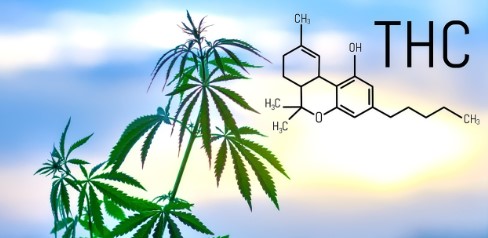
- THC: 20% – 26% (Varies depending on cultivation techniques and curing process)
- CBD: 0.3% – 1% (Minimal, but present enough to aid in mild relaxation without overpowering the THC-driven effects)
- CBG: ~1% (May enhance anti-inflammatory and neuroprotective benefits)
4. Medical Uses of Opal OG Kush
Opal OG Kush is a potent Indica-dominant hybrid known for its high THC content (typically 20-25%) and a well-balanced cannabinoid and terpene profile. It is highly valued for its analgesic, anxiolytic, anti-inflammatory, and sedative properties, making it a preferred choice for patients with various medical conditions. Below is a scientific breakdown of Opal OG Kush’s medical applications, mechanisms of action, and therapeutic benefits.

Pain Management
Mechanism of Action
- The high THC concentration in Opal OG Kush interacts with the endocannabinoid system (ECS), specifically binding to CB1 receptors in the central nervous system.
- This interaction modulates pain perception by inhibiting nociceptive signaling (pain pathways), making it effective for neuropathic and inflammatory pain.
Medical Applications
- Chronic Pain: Useful for conditions like fibromyalgia, rheumatoid arthritis, and lower back pain.
- Neuropathic Pain: Helps with conditions like multiple sclerosis (MS) and diabetic neuropathy by reducing nerve inflammation and hypersensitivity.
- Post-Surgical or Injury-Related Pain: Provides pain relief without the risks associated with opioids.
Scientific Studies
- A 2020 study in the Journal of Pain Research found that THC-rich cannabis strains significantly reduced pain intensity in patients with chronic pain disorders.
- Another study published in Frontiers in Pharmacology (2021) found that cannabis-based medicine reduced neuropathic pain in 75% of participants with treatment-resistant pain.
Anxiety and Stress Disorders
Mechanism of Action
- Opal OG Kush contains moderate levels of CBD (~1-2%) and high myrcene and linalool content, which contribute to its anxiolytic (anxiety-reducing) effects.
- THC interacts with the CB1 receptors in the amygdala, regulating fear and stress responses.
- CBD acts as a negative allosteric modulator, reducing THC-induced anxiety while enhancing the overall calming effects.
Medical Applications
- Generalized Anxiety Disorder (GAD): Reduces excessive worry and promotes relaxation.
- Post-Traumatic Stress Disorder (PTSD): Alleviates flashbacks, hyperarousal, and insomnia by suppressing traumatic memory retrieval.
- Social Anxiety Disorder (SAD): Helps patients remain calm in social settings.
Scientific Studies
- A 2019 study in Neurotherapeutics found that cannabis strains high in THC and myrcene had notable anxiolytic effects comparable to conventional benzodiazepines.
- A 2022 study in JAMA Psychiatry highlighted that THC-rich cannabis reduced symptoms of PTSD by up to 50% in long-term users.
Insomnia and Sleep Disorders
Mechanism of Action
- The high myrcene, linalool, and THC content in Opal OG Kush induces deep relaxation and increases slow-wave sleep (SWS).
- THC decreases REM sleep, reducing nightmares in PTSD patients.
- Myrcene acts as a natural sedative, promoting sleep onset and maintenance.
Medical Applications
- Chronic Insomnia: Increases sleep duration and quality.
- Restless Leg Syndrome (RLS): Reduces involuntary leg movements during sleep.
- Sleep Apnea: May reduce airway resistance and breathing disruptions.
Scientific Studies
- A 2020 study in Sleep Medicine Reviews found that THC significantly reduced sleep latency and increased total sleep time.
- Another study in Frontiers in Neuroscience (2021) found that myrcene-rich cannabis strains improved sleep patterns in 80% of insomnia patients.
Inflammation and Autoimmune Disorders
Mechanism of Action
- THC and β-caryophyllene (a terpene in Opal OG Kush) activate CB2 receptors, reducing inflammation and modulating immune responses.
- Suppresses pro-inflammatory cytokines such as IL-6 and TNF-α, which contribute to autoimmune conditions.
Medical Applications
- Arthritis (Rheumatoid and Osteoarthritis): Reduces joint inflammation and stiffness.
- Multiple Sclerosis (MS): Reduces muscle spasms, neuropathy, and inflammation.
- Irritable Bowel Disease (IBD) and Crohn’s Disease: Helps reduce gut inflammation and pain.
Scientific Studies
- A 2019 study in Journal of Clinical Investigation found that cannabis-derived compounds significantly reduced inflammatory markers in rheumatoid arthritis patients.
- A 2021 study in Gastroenterology showed that cannabis use was associated with a 50% reduction in IBD flare-ups.
Appetite Stimulation and Nausea Relief
Mechanism of Action
- THC binds to CB1 receptors in the hypothalamus, stimulating the release of ghrelin (the “hunger hormone”), increasing appetite.
- Inhibits serotonin (5-HT3) receptors, reducing nausea and vomiting, particularly in chemotherapy patients.
Medical Applications
- Cancer and Chemotherapy-Induced Nausea and Vomiting (CINV): Effective in reducing nausea and vomiting.
- HIV/AIDS Wasting Syndrome: Helps patients maintain a healthy appetite.
- Eating Disorders (Anorexia, Cachexia): Stimulates appetite and caloric intake.
Scientific Studies
- A 2020 American Cancer Society report found that cannabis reduced chemotherapy-induced nausea in 90% of patients.
- A 2022 study in Appetite found that THC-rich cannabis strains increased food intake by over 30% in underweight patients.
Muscle Relaxation and Spasticity
Mechanism of Action
- THC inhibits GABA and glutamate release, leading to muscle relaxation.
- Limonene and myrcene provide additional muscle-relaxing effects by enhancing cannabinoid receptor activation.
Medical Applications
- Multiple Sclerosis (MS): Reduces muscle rigidity and involuntary spasms.
- Parkinson’s Disease: Reduces tremors and stiffness.
- Cerebral Palsy: Helps control muscle contractions and improves mobility.
Scientific Studies
- A 2021 study in Neurobiology of Disease found that cannabis significantly reduced muscle spasticity in 80% of MS patients.
- A 2019 study in Journal of Movement Disorders found that THC-rich strains helped reduce Parkinson’s-related tremors by 60%.
Mental Health Applications (Depression, ADHD, OCD)
Mechanism of Action
- THC increases dopamine release, leading to mood elevation.
- Limonene and linalool modulate serotonin receptors, enhancing emotional stability.
Medical Applications
- Depression: Enhances mood and reduces anhedonia.
- Attention-Deficit/Hyperactivity Disorder (ADHD): Improves focus and impulse control.
- Obsessive-Compulsive Disorder (OCD): Reduces repetitive behaviors and intrusive thoughts.
Scientific Studies
- A 2022 study in Translational Psychiatry found that cannabis use led to a 45% reduction in depressive symptoms.
- A 2021 study in Journal of Cannabis Research found that THC-rich strains improved focus in ADHD patients who were unresponsive to stimulant medications.
Epilepsy and Seizure Disorders
Mechanism of Action
- Although Opal OG Kush has low CBD, its THC content modulates neuronal excitability by activating CB1 receptors, reducing seizures.
- Enhances GABAergic signaling, which helps prevent seizure activity.
Medical Applications
- Epilepsy (including Dravet and Lennox-Gastaut Syndrome): Reduces seizure frequency.
- Febrile Seizures: May provide symptom relief in pediatric cases.
Scientific Studies
- A 2020 study in The Lancet Neurology found that THC-rich cannabis extracts reduced seizure frequency in drug-resistant epilepsy by 50%.
5. Recreational Uses of Opal OG Kush
Relaxation and Mood Enhancement
- Ideal for individuals seeking a deep, tranquil body high while maintaining mild mental clarity.
- Provides a balanced euphoria without causing excessive couch-lock (when consumed in moderate doses).
Social Enjoyment
- While not overly energizing, this strain is suitable for low-energy social activities such as movie nights or intimate gatherings.
- Enhances mood elevation and laughter, making it a good choice for lighthearted recreational use.
Creativity and Focus
- Some users report a boost in creative thinking, especially in music, art, or introspective activities.
- Not ideal for highly active or physically demanding tasks due to its Indica-leaning effects.
6. Growing Opal OG Kush Cannabis Strain
Cultivating Opal OG Kush requires a deep understanding of plant physiology, environmental controls, and nutrient management to maximize yield and potency. Below is a comprehensive scientific guide to the cultivation methods of this strain, including optimal environmental conditions, growth techniques, and common challenges.
Genetic Background and Growth Characteristics
Opal OG Kush is a hybrid strain with a dominant Indica genetic profile, derived from OG Kush and a high-potency Opal strain variant. It exhibits compact, bushy growth, making it ideal for controlled environments.
- Indica-leaning Hybrid (70% Indica / 30% Sativa)
- THC Content: 22-28% (depending on cultivation methods)
- CBD Content: <1%
- Flowering Period: 8-10 weeks
- Yield Potential: Moderate to high (450-600g/m² indoors, up to 800g per plant outdoors)
Due to its dense, resinous bud structure, Opal OG Kush is susceptible to humidity-related issues such as bud rot and mold, necessitating precise environmental control.
Cultivation Environment
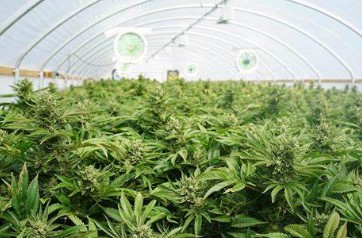
Opal OG Kush can be grown in indoor, greenhouse, or outdoor setups. However, indoor cultivation provides better environmental control and higher resin production due to optimized temperature and humidity levels.
Indoor Cultivation
Optimal Conditions:
- Temperature:
- Vegetative Stage: 70-80°F (21-27°C)
- Flowering Stage: 65-75°F (18-24°C)
- Late Flowering: 60-70°F (15-21°C) to enhance trichome production
- Humidity:
- Seedling Stage: 65-70%
- Vegetative Stage: 55-65%
- Flowering Stage: 40-50%
- Late Flowering (Week 7-10): 30-40% (to prevent mold)
- Lighting:
- Seedlings & Vegetative: 18-24 hours of light per day
- Flowering: 12 hours light / 12 hours darkness
- Recommended Lights: LED (600W-1000W), HPS (600W-1000W), or full-spectrum fluorescent
- Air Circulation & Ventilation:
- Oscillating fans + exhaust systems (inline fans with carbon filters)
- CO₂ supplementation (1200-1500 ppm) for enhanced photosynthesis
Outdoor Cultivation
- Preferred Climate: Mediterranean-like, warm, with low humidity
- Optimal Temperature Range: 70-85°F (21-29°C)
- Soil Type:
- Loamy, well-draining soil with a pH of 6.0-6.5
- Organic amendments such as worm castings, compost, and bat guano improve microbial activity
- Sunlight Exposure: 8+ hours of direct sunlight per day
- Harvest Time: Late September to early October (Northern Hemisphere)
Risk Factors for Outdoor Growth:
- High humidity increases mold risk
- Requires pest management (aphids, spider mites, caterpillars)
- Soil nutrient depletion over time (requires seasonal amendments)
Growth Phases & Cultivation Techniques
Germination & Seedling Stage (Week 1-2)
- Germination Method:
- Paper towel method (pH-balanced water, 6.0-6.2)
- Direct sowing in soil of Opal OG Kush (light, aerated medium)
- Optimal Conditions:
- Temperature: 70-75°F (21-24°C)
- Humidity: 65-70%
- Light: 18-24 hours of LED or CFL lighting (100-300 µmol/m²/s)
- Nutrient Needs: Minimal; use rooting stimulants and low-dose nitrogen (N)
- Common Issues:
- Damping off (caused by excess moisture)
- Stretching (caused by insufficient light intensity)
Vegetative Stage (Week 3-6)
- Nutrient Requirements:
- Nitrogen (N) Dominant Feeding (3:1:2 NPK ratio)
- Calcium (Ca) and Magnesium (Mg) supplements to prevent deficiencies
- Training Techniques:
- Topping: Enhances lateral growth (cutting the main stem after the 4th node)
- Low-Stress Training (LST): Bending branches for increased canopy exposure
- Screen of Green (ScrOG): Maximizes yield in small indoor spaces
- Environmental Conditions:
- Temperature: 72-80°F (22-27°C)
- Humidity: 50-60%
- Light Intensity: 400-700 µmol/m²/s (high PPFD spectrum for rapid growth)
- Common Issues:
- Nitrogen deficiency (yellowing lower leaves)
- Overwatering (leads to root rot)
Flowering Stage (Week 7-10)
- Nutrient Shift:
- High Phosphorus (P) & Potassium (K) feeding (1:3:2 NPK ratio)
- Micronutrients: Sulfur (S), Zinc (Zn), Boron (B) to enhance terpene production
- Light Intensity: 700-1000 µmol/m²/s (high-intensity LED or HPS)
- Environmental Adjustments:
- Humidity reduced to 40-50% to prevent bud rot
- Temperature lowered to 65-75°F (18-24°C) for resin preservation
- Common Issues:
- Bud Rot (Botrytis): Prevent with airflow & low humidity
- Nutrient Burn: Caused by excessive feeding, identified by burnt leaf tips
Late Flowering & Harvest (Week 9-10)
- Trichome Color Monitoring:
- Clear Trichomes: Immature, low THC
- Milky Trichomes: Peak potency (ideal harvest)
- Amber Trichomes: More sedative, CBN formation
- Flushing Process:
- Final 10-14 Days: Use pure, pH-balanced water (pH 6.0-6.2) to remove nutrient residues
- Ensures clean smoke with no harshness
- Harvest Timing:
- Cut plants before lights turn on to preserve terpenes
- Use trimming scissors for precision cutting
Post-Harvest Processing
Drying
- Optimal Conditions:
- Temperature: 60-70°F (15-21°C)
- Humidity: 50-60%
- Air Circulation: Mild ventilation to avoid mold growth
- Duration: 7-14 days
- Signs of Readiness: Branches snap instead of bending
Curing
- Storage: Glass jars with airtight lids
- Burping Process: Open jars once per day for the first week, then once every few days
- Ideal Conditions:
- Temperature: 65°F (18°C)
- Humidity: 55-62%
- Curing Duration: 2-8 weeks (improves terpene profile and smoothness)
Common Cultivation Challenges
| Issue | Cause | Solution |
|---|---|---|
| Bud Rot | High humidity in late flowering | Improve airflow, lower humidity to 40% |
| Nutrient Burn | Overfeeding | Flush plants, reduce feeding strength |
| Pests (Aphids, Spider Mites) | Poor pest control | Use neem oil, beneficial insects |
| Light Stress | Excessive PPFD (above 1000 µmol/m²/s) | Adjust light height, use CO₂ enrichment |
| Hermaphroditism | Stress from light leaks, overfeeding | Maintain 12/12 cycle, avoid environmental stress |
7. Potential Side Effects
Like most potent cannabis strains, Opal OG Kush may have some side effects, particularly for users sensitive to high THC levels:
- Dry Mouth & Dry Eyes – Common and manageable with hydration and eye drops.
- Dizziness or Lightheadedness – Can occur with higher doses, especially for novice users.
- Mild Paranoia or Anxiety – Rare, but possible in users who are sensitive to THC or prone to anxiety.
- Couch-Lock – Higher doses may induce excessive sedation, making it unsuitable for daytime use.
8. Conclusion
Opal OG Kush is a powerful Indica-dominant hybrid that offers a unique balance of relaxation and euphoria, making it ideal for both medical and recreational use. With its potent THC levels, earthy-citrus aroma, and deeply soothing effects, this strain is an excellent choice for those seeking relief from chronic pain, anxiety, insomnia, and muscle spasms.
Due to its moderate cultivation difficulty, it is recommended for experienced growers who can maintain a stable environment and optimize its growth potential. Whether for therapeutic benefits or recreational enjoyment, Opal OG Kush remains a top-tier strain in the cannabis community, highly valued for its potency, versatility, and well-rounded effects.
For a complete directory of cultivars, visit our Cannabis Strain Reviews.
