Table of Contents
Old School OG, also known as Old School Kush, is a legendary indica-dominant cannabis strain known for its powerful effects, distinct flavor profile, and potent medicinal benefits. It is a phenotype of OG Kush, one of the most celebrated cannabis strains in history.
This strain is highly regarded among connoisseurs and medical users alike due to its high THC content, relaxing effects, and rich terpene profile. It is particularly favored for its strong sedative properties, making it ideal for evening or nighttime use.
Origins and Genetic Background
Old School OG is believed to be a phenotype of OG Kush, a legendary strain that has influenced countless hybrids and is a staple in cannabis genetics. The origins of OG Kush remain somewhat mysterious, but it is thought to have originated in Florida in the early 1990s before being propagated on the West Coast.
Genetic Lineage:
- OG Kush (Parent Strain)
- Possible lineage traces to Chemdawg x Hindu Kush x Lemon Thai
OG Kush itself is known for its powerful euphoria, deep relaxation, and pungent, earthy aroma. Old School OG retains many of these qualities but offers a more sedative-heavy experience.
Appearance, Aroma, and Flavor Profile
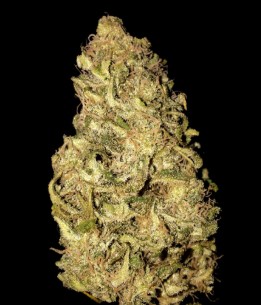
Appearance:
- Dense, tightly packed buds with deep green coloration.
- Thick trichome coverage, giving it a frosty appearance.
- Rusty orange pistils weaving through the structure.
Aroma:
Old School OG has a strong, earthy, piney scent with hints of:
- Diesel and skunk (from its OG Kush heritage)
- Citrus and spice undertones
- Woody and hash-like notes upon exhaling
Flavor Profile:
When smoked or vaporized, Old School OG delivers a rich and pungent flavor, with notes of:
- Earthy pine
- Lemon and citrus zest
- Spicy herbal overtones
- Diesel-like aftertaste
Cannabinoid and Terpene Profile
Cannabinoid Content:
- THC: Typically ranges from 20-24%, with some phenotypes reaching 26%.
- CBD: Minimal (<1%)
- CBG: Around 1%, providing anti-inflammatory and neuroprotective properties.
- Other cannabinoids: Trace amounts of CBN and CBC, which contribute to the strain’s sedative effects.
Terpene Profile:
Old School OG boasts a diverse terpene composition that contributes to its distinctive aroma and effects.
- Myrcene (dominant) – Provides sedative effects, enhances relaxation, and helps with pain relief.
- Limonene – Offers a citrus aroma, aids in stress reduction and mood elevation.
- Caryophyllene – Delivers a peppery spice, has anti-inflammatory and pain-relief properties.
- Linalool – Adds a floral touch and contributes to anxiolytic (anxiety-reducing) effects.
- Pinene – Gives a piney aroma and can enhance focus and respiratory function.
Effects and Recreational Uses
Old School OG is known for its strong body high, which makes it perfect for relaxation, stress relief, and sleep induction. Due to its high THC levels and indica-dominant effects, it is best suited for nighttime use.
Recreational Effects:
- Euphoria – A blissful, happy sensation washes over the user within the first few minutes.
- Deep Relaxation – Muscular and mental relaxation sets in, ideal for unwinding after a long day.
- Sedation – High doses can lead to couch-lock, making it an excellent choice for sleep disorders.
- Mild Creativity Boost – Some users report an initial burst of creative thinking before full sedation kicks in.
- Time Distortion – The high can alter perception of time, making it feel either slowed down or stretched.
- Hunger Stimulation – Often leads to a strong case of the “munchies.”
Best Recreational Uses:
- Evening relaxation
- Watching movies or listening to music
- Meditation and mindfulness practices
- Enhancing sensory experiences (food, music, art)
- Pain relief after physical activity
Medical Benefits and Uses
Old School OG is widely used in medical cannabis due to its powerful analgesic, anti-anxiety, and sleep-inducing effects. Patients suffering from a range of conditions may find relief with this strain.
Primary Medical Benefits:
- Chronic Pain Relief:
- Ideal for arthritis, fibromyalgia, migraines, and muscle spasms.
- Helps with post-surgical pain and nerve damage.
- Anxiety and Stress Reduction:
- Induces calmness, making it effective for generalized anxiety disorder (GAD) and social anxiety.
- Insomnia Treatment:
- Due to its sedative effects, it is commonly prescribed for sleep disorders.
- Appetite Stimulation:
- Helps patients with loss of appetite, such as those undergoing chemotherapy or dealing with eating disorders.
- Anti-Inflammatory Properties:
- Beneficial for patients with conditions like multiple sclerosis (MS) and Crohn’s disease.
- PTSD and Mood Disorders:
- Aids in emotional regulation, helping those suffering from PTSD, depression, and bipolar disorder.
Methods of Ingestion and Their Scientific Differences
A. Inhalation Methods (Smoking & Vaping)
1. Smoking (Combustion)
- Absorption Mechanism: Old School OG THC is rapidly absorbed through the alveoli in the lungs, entering the bloodstream within seconds.
- Onset Time: 1-5 minutes
- Peak Effects: 15-30 minutes
- Duration: 2-4 hours
- Bioavailability: ~30%
- Pros: Fast onset, strong effects, full spectrum of cannabinoids and terpenes.
- Cons: Can be harsh on the lungs, produces combustion byproducts.
2. Vaping (Convection & Conduction)
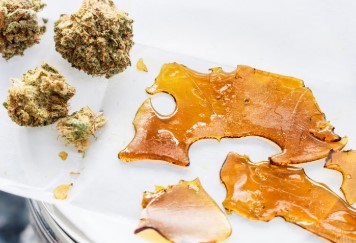
- Absorption Mechanism: THC enters the bloodstream via pulmonary absorption, but at lower temperatures, preserving terpenes and cannabinoids.
- Onset Time: 1-5 minutes
- Peak Effects: 15-30 minutes
- Duration: 2-4 hours
- Bioavailability: ~50-80% (higher than smoking)
- Pros: Reduced lung irritation, higher cannabinoid efficiency, improved flavor.
- Cons: Requires a vaporizer, effects may be slightly milder compared to combustion.
Scientific Note: Vaping Old School OG at lower temperatures (160-180°C) maximizes terpene retention, enhancing flavor and entourage effects, while higher temperatures (200-220°C) increase THC vaporization.
B. Oral Methods (Edibles, Tinctures, Capsules)
3. Edibles (Gummies, Brownies, Beverages)
- Absorption Mechanism: THC is metabolized by the liver (hepatic metabolism), converted to 11-hydroxy-THC, which is more potent and long-lasting.
- Onset Time: 30-90 minutes
- Peak Effects: 2-3 hours
- Duration: 6-12 hours
- Bioavailability: 4-12% (lower due to first-pass metabolism)
- Pros: Long-lasting effects, no lung irritation.
- Cons: Delayed onset, unpredictable effects if dosing is imprecise.
Scientific Note: Fat-soluble cannabinoids (like THC) are better absorbed when consumed with dietary fats, increasing bioavailability.
4. Sublingual (Tinctures, Oils)
- Absorption Mechanism: Old School OG THC is absorbed through the sublingual mucosa (under the tongue), bypassing the digestive system and liver metabolism.
- Onset Time: 15-45 minutes
- Peak Effects: 1-2 hours
- Duration: 4-6 hours
- Bioavailability: ~20-35%
- Pros: Faster onset than edibles, avoids lung irritation, easier dosing.
- Cons: Effects may be milder than smoking or vaping.
Scientific Note: Holding the tincture under the tongue for at least 60 seconds before swallowing increases absorption efficiency.
5. Capsules / Pills
- Absorption Mechanism: Similar to edibles, requiring hepatic metabolism to convert THC to 11-hydroxy-THC.
- Onset Time: 30-90 minutes
- Peak Effects: 2-3 hours
- Duration: 6-12 hours
- Bioavailability: 4-12%
- Pros: Precise dosing, discreet ingestion, no lung irritation.
- Cons: Delayed onset, lower bioavailability.
Scientific Note: Time-release capsules offer a more gradual release of cannabinoids, reducing spikes in THC levels.
C. Topical & Transdermal Methods
6. Topicals (Creams, Balms, Lotions)
- Absorption Mechanism: Old School OG THC binds to cannabinoid receptors (CB2) in the skin but does not enter the bloodstream.
- Onset Time: 15-30 minutes
- Duration: 2-6 hours
- Bioavailability: Minimal systemic absorption
- Pros: Great for localized pain relief, anti-inflammatory properties.
- Cons: No psychoactive effects since THC does not enter the bloodstream.
Scientific Note: CBD-infused topicals of Old School OG are often used for anti-inflammatory benefits, reducing joint pain, muscle soreness, and skin conditions.
7. Transdermal Patches
- Absorption Mechanism: THC enters the bloodstream directly through the skin, providing sustained release over time.
- Onset Time: 30-60 minutes
- Duration: Up to 12 hours
- Bioavailability: 50-70%
- Pros: Long-lasting, steady cannabinoid levels, avoids lung and digestive system.
- Cons: Slow onset, may not be as potent as inhalation methods.
Scientific Note: Transdermal patches of Old School OG are beneficial for chronic pain patients seeking consistent relief without intoxication.
Onset Time, Peak Effects, and Duration by Method
| Method | Onset Time | Peak Effects | Duration | Bioavailability |
|---|---|---|---|---|
| Smoking | 1-5 min | 15-30 min | 2-4 hrs | ~30% |
| Vaping | 1-5 min | 15-30 min | 2-4 hrs | 50-80% |
| Edibles | 30-90 min | 2-3 hrs | 6-12 hrs | 4-12% |
| Sublingual | 15-45 min | 1-2 hrs | 4-6 hrs | 20-35% |
| Capsules | 30-90 min | 2-3 hrs | 6-12 hrs | 4-12% |
| Topicals | 15-30 min | N/A | 2-6 hrs | Minimal |
| Transdermal | 30-60 min | 1-2 hrs | Up to 12 hrs | 50-70% |
Potential Side Effects:
While Old School OG provides numerous benefits, it may cause some adverse effects, especially in higher doses:
- Dry mouth and dry eyes
- Dizziness
- Paranoia (in THC-sensitive users)
- Couch-lock and lethargy (in high doses)
- Increased appetite (which may be beneficial for some)
Growing Information
Cultivation for Old School OG
Cultivating Old School OG requires careful genetic selection, environmental control, and optimized feeding schedules to maximize yield, potency, and terpene production. Below is a detailed scientific breakdown of the best methods for cultivating this strain.
Genetic Stability and Selection
A. Cloning vs. Seed Cultivation
- Cloning: Ensures Old School OG genetic consistency, preserving the strong indica-dominant traits.
- Seed Cultivation: May introduce phenotypic variations, which can lead to differences in cannabinoid and terpene production.
B. Feminized vs. Regular Seeds
- Feminized Seeds: Guarantee nearly 100% female plants, eliminating the need for sexing.
- Regular Seeds: Useful for breeding but require early detection of male plants to prevent pollination.
Optimizing Environmental Conditions
A. Temperature and Humidity Control
| Growth Stage | Temperature (°C) | Humidity (%) |
|---|---|---|
| Seedling Stage | 22-26°C | 65-75% |
| Vegetative Stage | 24-28°C | 50-70% |
| Flowering Stage | 20-26°C | 40-50% |
| Late Flowering | 18-24°C | 30-40% |
Key Considerations:
- Use climate-controlled grow rooms to maintain optimal conditions.
- Install dehumidifiers in flowering stages to prevent botrytis (bud rot).
- Lower night temperatures slightly (by ~5°C) to encourage Old School OG terpene and anthocyanin development.
Light Spectrum and Photoperiod Management
A. Light Intensity and Spectrum
| Growth Stage | Light Spectrum | PPFD (μmol/m²/s) |
|---|---|---|
| Seedling Stage | 4000K (cool white) | 200-300 |
| Vegetative Stage | 6500K (blue-dominant) | 400-600 |
| Flowering Stage | 2700K (red-dominant) | 600-1000 |
- LED vs. HPS: Full-spectrum LED lights are preferred due to better efficiency, less heat, and higher cannabinoid production.
- Photoperiod: Old School OG is photoperiod-dependent, requiring 18/6 (veg) and 12/12 (flowering) schedules.
- Light Penetration: Use SCROG (Screen of Green) or LST (Low-Stress Training) techniques to optimize light exposure.
Substrate and Medium Selection
A. Hydroponic vs. Soil Cultivation
- Soil: Enhances terpene complexity due to the presence of microbial life.
- Coco Coir: Increases oxygenation to roots, leading to faster vegetative growth.
- Hydroponics (DWC, NFT, Aeroponics): Maximizes nutrient uptake and can increase THC production by 10-15%.
B. pH and EC (Electrical Conductivity) Levels
| Growth Stage | pH Range (Soil) | pH Range (Hydro) | EC (mS/cm) |
|---|---|---|---|
| Seedling Stage | 6.0 – 6.5 | 5.5 – 6.0 | 0.4 – 0.6 |
| Vegetative Stage | 6.0 – 6.5 | 5.8 – 6.2 | 1.0 – 1.8 |
| Flowering Stage | 6.2 – 6.7 | 5.8 – 6.3 | 1.8 – 2.2 |
Nutrient Management
A. Macronutrient and Micronutrient Ratios
| Growth Stage | N-P-K Ratio | Essential Micronutrients |
|---|---|---|
| Vegetative Stage | 3-1-2 | Ca, Mg, Fe, Zn |
| Early Flowering | 1-3-2 | S, B, Mn |
| Late Flowering | 0-2-3 | Cu, Mo, Co |
B. Organic vs. Synthetic Fertilizers
- Organic Fertilizers: Improve terpene complexity and soil health (e.g., compost tea, bat guano, worm castings).
- Synthetic Nutrients: Allow for precise control of N-P-K levels but may require flushing before harvest.
Training and Yield Optimization
A. Low-Stress Training (LST)
- Bending Old School OG’s branches to increase light exposure without causing plant shock.
- Encourages more bud sites, improving yield.
B. High-Stress Training (HST)
- Topping (FIMing): Removing apical growth to promote multiple colas.
- Supercropping: Gently breaking branch fibers to increase stress resilience.
C. Sea of Green (SOG) vs. Screen of Green (SCROG)
| Method | Best For | Description |
|---|---|---|
| SOG | Small Spaces | Many small plants, rapid turnaround. |
| SCROG | Larger Plants | Fewer plants, higher yield per plant, better light use. |
Pest and Disease Prevention
A. Common Pests
| Pest | Symptoms | Treatment |
|---|---|---|
| Spider Mites | Yellowing leaves, webbing | Neem oil, predatory mites |
| Aphids | Sticky residue, curled leaves | Insecticidal soap, ladybugs |
| Fungus Gnats | Wilting, root rot | Drying topsoil, BTi bacteria |
B. Common Diseases
| Disease | Symptoms | Prevention |
|---|---|---|
| Powdery Mildew | White powder spots | Lower humidity, increase airflow |
| Botrytis (Bud Rot) | Brown, mushy buds | Prune dense areas, use silica |
Harvesting and Post-Harvest Techniques
A. Harvesting Indicators
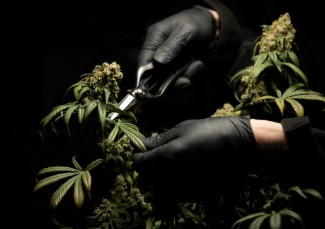
- Trichome Color: Use a jeweler’s loupe (40x) or microscope to inspect Old School OG trichomes:
- Clear: Too early
- Cloudy: Peak THC levels
- Amber: More sedative effects
- Pistil Color: 70-80% of pistils should be orange/brown.
B. Drying and Curing
- Drying Conditions: 18-22°C, 50-60% RH, 7-10 days in darkness.
- Curing Process:
- Store in glass jars at 60-65% RH for at least 3-6 weeks.
- Open jars daily for the first 2 weeks to release excess moisture.
- Proper curing preserves terpenes and enhances flavor.
Scientific Analysis of Cannabinoid Optimization
A. CO₂ Enrichment
- Increasing CO₂ levels to 1000-1500 ppm can boost photosynthesis efficiency and increase yields by 20-30%.
B. UVB Light Exposure
- Exposure to UVB (280-315nm) for 2-3 hours per day in the final 3 weeks of flowering can increase THC levels by 10-15%.
Conclusion
Old School OG is a timeless strain that continues to captivate cannabis enthusiasts and medical users alike. With its potent THC levels, deeply relaxing effects, and diverse terpene profile, it serves as an excellent choice for those seeking relief from pain, stress, anxiety, and insomnia.
For recreational users, its sedative euphoria and sensory-enhancing effects make it perfect for relaxation and unwinding. For medical patients, its strong analgesic and anti-inflammatory properties provide relief from chronic conditions.
With proper cultivation, this strain rewards growers with high yields, dense buds, and rich flavors, making it a favorite of seasoned growers.
Whether you are looking for a classic OG experience, a strain to help with sleep and pain relief, or simply a potent and flavorful cannabis option, Old School OG stands as a reliable and well-loved choice in the cannabis world.
For a complete directory of cultivars, visit our Cannabis Strain Reviews.
