Table of Contents
Origins and Genetic Background of OG’s Pearl
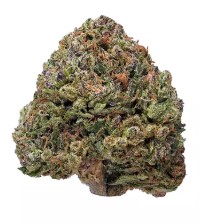
OG’s Pearl is a hybrid strain with a slight indica dominance. Its exact genetic lineage is debated, but it is believed to be a cross between OG Kush and Silver Pearl.
- OG Kush: A legendary strain known for its potency and relaxing effects. It has a high THC content and an earthy-pine aroma.
- Silver Pearl: A hybrid of Early Pearl, Skunk #1, and Northern Lights. It is known for its uplifting effects, citrusy aroma, and balanced high that provides both cerebral stimulation and physical relaxation.
When these two strains are combined, OG’s Pearl inherits a mix of their best traits, resulting in a hybrid that offers deep relaxation, mood elevation, and a rich terpene profile.
Cannabinoid Profile of OG’s Pearl
Primary Cannabinoids
- THC (Tetrahydrocannabinol): 22-28 percent
- CBD (Cannabidiol): 0.2-1 percent
- CBG (Cannabigerol): ~1 percent
- CBC (Cannabichromene): ~0.5 percent
OG’s Pearl is a high-THC strain, making it a potent option for users looking for strong psychoactive effects. Its relatively low CBD content means it is more suited for THC-dominant treatments rather than balanced cannabinoid therapies.
Terpene Profile of OG’s Pearl
The flavor, aroma, and effects of cannabis are all dependent on terpenes.
OG’s Pearl has a robust and complex terpene profile, contributing to its distinctive citrus-pine scent and therapeutic effects.
Dominant Terpenes
- Myrcene (0.8-1.2 percent)
- Sedative, anti-inflammatory, muscle relaxant
- Found in mangoes, thyme, hops
- Enhances the sedative properties, making OG’s Pearl ideal for evening use or pain relief
- Limonene (0.5-0.8 percent)
- Mood enhancer, stress relief, anti-anxiety
- Found in citrus fruits, juniper
- Provides a citrusy aroma and uplifting effects that counteract excessive sedation
- Pinene (0.4-0.7 percent)
- Bronchodilator, memory aid, anti-inflammatory
- Found in pine needles, rosemary, basil
- Helps improve focus and counteract THC-induced cognitive fog
- Caryophyllene (0.3-0.6 percent)
- Anti-inflammatory, pain relief, stress relief
- Found in black pepper, cloves, cinnamon
- Interacts with CB2 receptors, contributing to the strain’s pain-relieving and anti-inflammatory properties
Medical Applications of OG’s Pearl
Due to its high THC content, balanced indica-sativa effects, and rich terpene profile, OG’s Pearl offers various therapeutic benefits.
Chronic Pain Management
- High THC content activates CB1 receptors in the brain and nervous system, reducing pain perception.
- Caryophyllene interacts with CB2 receptors, further aiding in anti-inflammatory effects.
- Myrcene enhances muscle relaxation, making it effective for fibromyalgia, arthritis, and neuropathic pain.
Stress and Anxiety Reduction
- Limonene provides anxiolytic properties, helping reduce symptoms of stress, generalized anxiety disorder, and PTSD.
- THC’s euphoric effects help users shift focus away from negative thought patterns, though high doses may cause paranoia in sensitive individuals.
Depression and Mood Disorders
- OG’s Pearl’s uplifting cerebral effects make it effective for depression.
- THC interacts with serotonin receptors, promoting a positive mood shift and increased motivation.
- Limonene and pinene contribute to mental clarity and energy, preventing excessive sedation.
Insomnia and Sleep Disorders
- Due to its myrcene dominance and indica properties, OG’s Pearl is an excellent sleep aid.
- The combination of THC, myrcene, and caryophyllene relaxes the muscles and induces deep sleep cycles.
Appetite Stimulation
- THC activates CB1 receptors, increasing hunger and making it beneficial for those experiencing loss of appetite due to chemotherapy, eating disorders, or chronic illness.
Inflammatory Conditions
- Caryophyllene’s CB2 receptor activation reduces inflammation, helping with conditions like Crohn’s disease, ulcerative colitis, and arthritis.
PTSD and Emotional Regulation
- THC in controlled doses helps process traumatic memories and reduces hyperarousal symptoms.
- Limonene and pinene enhance cognitive function, preventing memory fog often associated with PTSD.
Recreational Uses of OG’s Pearl
Euphoria and Relaxation
OG’s Pearl is known for its initial euphoric rush, followed by deep body relaxation. This makes it an ideal strain for social settings, creative activities, or unwinding after a long day.
Creativity Boost
The presence of pinene and limonene provides a mental uplift, enhancing creativity. Artists, writers, and musicians may find inspiration with this strain.
Sensory Enhancement
- Heightened taste, touch, and auditory sensitivity make OG’s Pearl excellent for enjoying music, movies, and food.
- Popular among those who enjoy cannabis for recreational pleasure and enhanced perception.
Physical Relaxation and Body High
- Myrcene-induced relaxation leads to a soothing body high.
- Ideal for meditation, yoga, or simply lounging.
Sociability and Mood Elevation
- Balanced cerebral and body effects make OG’s Pearl a good choice for social gatherings without excessive sedation.
Potential Drawbacks and Side Effects
THC-Induced Paranoia or Anxiety
- High THC levels may cause anxiety, paranoia, or racing thoughts, particularly in users with low tolerance.
- Start with a low dose and increase gradually.
Dry Mouth and Dry Eyes
- Cannabinoids reduce saliva production, leading to cottonmouth.
- Drink plenty of water, and if needed, apply eye drops.
Sedation and Couch-Lock
- Higher doses may cause intense relaxation, making it difficult to stay active.
- Best for evening or nighttime use.
Dizziness and Lightheadedness
- Some users report lightheadedness due to OG’s Pearl’s potent effects.
- Stay seated when consuming high doses and hydrate properly.
Methods of Ingestion
Smoking (Combustion)
Process: Burning cannabis flower at high temperatures (~600-900°F) and inhaling the resulting smoke.
Onset Time: 1-5 minutes (Rapid absorption via alveoli in the lungs)
Duration: 1.5-3 hours
Bioavailability: 25-30 percent THC absorption
Mechanism of Action:
- Upon inhalation, THC passes through the alveolar membrane in the lungs and enters the bloodstream within seconds.
- Peak effects occur within 15-30 minutes as THC reaches the brain and binds to CB1 receptors in the central nervous system.
- Smoking results in faster but shorter-lasting effects compared to ingestion.
Advantages:
- Rapid onset makes it ideal for immediate relief (e.g., pain, anxiety).
- High bioavailability compared to edibles.
Disadvantages:
- Combustion releases toxins and carcinogens.
- Harsh on the respiratory system (potential irritation).
Vaporization (Vaping)
Process: Heating cannabis flower or concentrate at lower temperatures (~315-450°F) to produce vapor without combustion.
Onset Time: 1-5 minutes
Duration: 2-4 hours
Bioavailability: 40-60 percent THC absorption
Mechanism of Action:
- Similar to smoking but at a lower temperature, preventing combustion byproducts like benzene or tar.
- Vaporized cannabinoids enter the bloodstream through the alveolar membrane, but with fewer respiratory irritants.
Advantages:
- Higher cannabinoid preservation (more efficient THC and terpene delivery).
- Less respiratory irritation compared to smoking.
Disadvantages:
- Requires a vaporizer or vape pen.
- Higher upfront cost for devices.
Edibles (Oral Ingestion)
Process: Consuming cannabis-infused foods, beverages, or capsules. THC is metabolized in the liver.
Onset Time: 30-120 minutes (Delayed absorption due to digestion)
Duration: 4-8 hours (sometimes up to 12 hours depending on dose and metabolism)
Bioavailability: 4-12 percent THC absorption
Mechanism of Action:
- Unlike inhalation, THC passes through the digestive tract and liver (first-pass metabolism).
- In the liver, delta-9-THC is converted into 11-hydroxy-THC, which is more potent and longer-lasting.
- Peak effects occur 2-3 hours post-consumption, making edibles ideal for sustained symptom relief.
Advantages:
- Longest duration of effects (ideal for chronic pain, sleep disorders).
- More discreet than smoking or vaping.
Disadvantages:
- Delayed onset can lead to overconsumption.
- Difficult to control dosage due to variability in metabolism.
Sublingual (Tinctures and Sprays)
Process: Applying cannabis extract under the tongue, where cannabinoids are absorbed through the oral mucosa.
Onset Time: 15-45 minutes
Duration: 3-6 hours
Bioavailability: 20-35 percent THC absorption
Mechanism of Action:
- Cannabinoids are absorbed directly into the bloodstream through capillaries under the tongue, bypassing the digestive system.
- Effects peak within 60 minutes and are longer-lasting than inhalation but shorter than edibles.
Advantages:
- Faster onset than edibles but with longer duration than smoking.
- Accurate dosing compared to edibles.
Disadvantages:
- Slightly bitter taste in some formulations.
- Slower onset compared to inhalation methods.
Topical Application
Process: Applying cannabis-infused creams, balms, or transdermal patches to the skin.
Onset Time: 20-60 minutes (transdermal patches can have a delayed onset of 1-2 hours)
Duration: 4-12 hours
Bioavailability: Varies (depends on formulation and skin permeability)
Mechanism of Action:
- Topicals (creams, balms): Cannabinoids interact with CB2 receptors in the skin, providing localized relief without entering the bloodstream.
- Transdermal patches: Some cannabinoids (especially THC and CBD) penetrate the bloodstream, leading to systemic effects.
Advantages:
- Non-psychoactive option (when used locally).
- Long-lasting relief for inflammation and muscle pain.
Disadvantages:
- Does not produce a high unless using transdermal patches.
- Limited absorption for high THC content.
Onset and Duration of Effects by Ingestion Method
| Ingestion Method | Onset Time | Peak Effects | Total Duration | Bioavailability |
|---|---|---|---|---|
| Smoking | 1-5 minutes | 15-30 minutes | 1.5-3 hours | 25-30% |
| Vaping | 1-5 minutes | 15-30 minutes | 2-4 hours | 40-60% |
| Edibles | 30-120 minutes | 2-3 hours | 4-8 hours | 4-12% |
| Sublingual | 15-45 minutes | 30-60 minutes | 3-6 hours | 20-35% |
| Topicals | 20-60 minutes | 1-2 hours | 4-12 hours | Varies |
Factors Affecting Absorption and Duration
Metabolism and Body Composition
- Individuals with faster metabolisms experience shorter durations, while those with slower metabolisms have longer-lasting effects.
- THC is fat-soluble, meaning body fat percentage influences duration (higher fat stores can retain THC longer).
Food Intake and Diet
- Edibles last longer when consumed with fats (THC binds to lipids, enhancing absorption).
- Fasting before ingestion increases intensity but shortens duration.
Tolerance and Dosage
- Frequent cannabis users develop THC tolerance, requiring higher doses for the same effect.
- Higher doses lead to stronger, longer-lasting effects, but also increase the risk of THC-induced anxiety or paranoia.
Cannabinoid and Terpene Interaction (Entourage Effect)
- Myrcene (dominant in OG’s Pearl) enhances THC absorption, leading to stronger sedation.
- Limonene boosts mood and counteracts THC-induced anxiety.
- Caryophyllene activates CB2 receptors, enhancing anti-inflammatory benefits.
Final Considerations
The choice of ingestion method for OG’s Pearl depends on the desired effects, duration, and medical or recreational intent.
- For immediate relief: Smoking or vaping is the best option.
- For long-lasting effects: Edibles or tinctures are preferred.
- For localized pain relief: Topicals work well without psychoactive effects.
- For controlled dosing: Sublingual tinctures offer a middle ground between inhalation and ingestion.
Optimal Growing Conditions
OG’s Pearl is a hybrid but leans slightly indica-dominant, meaning it prefers a warm, semi-humid climate similar to its parent strains. Whether grown indoors or outdoors, certain conditions must be met for optimal growth.
Temperature and Humidity Requirements
- Seedling Stage:
- Temperature: 22-26°C (72-79°F)
- Relative Humidity (RH): 65-70%
- Light Cycle: 18-24 hours per day (if indoors)
- Vegetative Stage:
- Temperature: 23-28°C (73-82°F)
- RH: 50-60%
- Light Cycle: 18-20 hours per day
- Flowering Stage:
- Temperature: 20-25°C (68-77°F)
- RH: 40-50% (to prevent mold and bud rot)
- Light Cycle: 12 hours on, 12 hours off
- Late Flowering and Harvest:
- Temperature: 18-22°C (64-72°F)
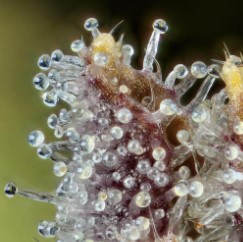
- RH: 30-40% (to enhance resin production)
Indoor vs. Outdoor Cultivation
Indoor Cultivation
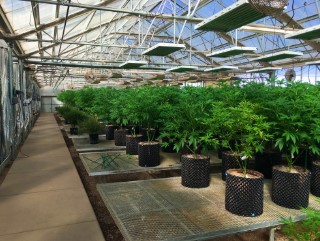
OG’s Pearl thrives in controlled indoor environments, allowing precise adjustments to temperature, humidity, and lighting.
Advantages of Indoor Cultivation:
- Stronger cannabinoid and terpene expression due to controlled environmental factors
- Protection from pests, mold, and extreme weather
- Ability to grow year-round
Recommended Indoor Setup:
- Grow Medium: Hydroponic, aeroponic, or organic soil
- Lighting: High-pressure sodium (HPS) or full-spectrum LED lights
- Ventilation: Carbon filters, oscillating fans, and exhaust fans for airflow
- Grow Space: OG’s Pearl is medium height (100-150 cm) and may require training techniques like Low-Stress Training (LST)
Outdoor Cultivation
OG’s Pearl can also thrive outdoors in Mediterranean-like climates with warm temperatures and consistent sunlight.
Advantages of Outdoor Cultivation:
- Larger plants with higher yields
- Natural sunlight enhances terpene production
- Lower cost compared to indoor cultivation
Challenges in Outdoor Cultivation:
- Susceptible to pests, mold, and environmental fluctuations
- Requires regular pruning and plant training to optimize growth
Growing Mediums and Nutrient Requirements
Soil-Based Growing
- Best Soil Type: Well-aerated loamy soil with high organic matter
- pH Level: 6.0-6.5 for optimal nutrient uptake
- Soil Amendments: Compost, perlite, worm castings, and bat guano enhance microbial activity and plant health
Hydroponics and Aeroponics
- Hydroponic cultivation allows rapid nutrient absorption, leading to faster growth and higher cannabinoid levels
- Nutrient Solution: Must be carefully managed with pH between 5.5-6.2
- Common Hydroponic Systems for OG’s Pearl:
- Deep Water Culture (DWC): Accelerates growth
- Nutrient Film Technique (NFT): Efficient nutrient delivery
- Ebb and Flow: Prevents root drowning
Nutrient and Feeding Schedule
OG’s Pearl, being a high-yielding hybrid, requires precise nutrient management at different growth stages.
Primary Nutrients
- Nitrogen (N): Essential during vegetative growth for lush foliage
- Phosphorus (P): Vital for the growth of roots and flowers
- Potassium (K): Enhances disease resistance and bud production
Feeding Schedule by Growth Stage
- Seedling Stage:
- Light nitrogen-rich nutrients (e.g., diluted compost tea or seedling formula)
- Vegetative Stage:
- N-P-K Ratio: 3-1-2 or 4-2-3
- Supplement with calcium and magnesium (Cal-Mag) to prevent deficiencies
- Flowering Stage:
- N-P-K Ratio: 1-3-4 (higher phosphorus and potassium)
- Additional bloom boosters like potassium silicate can enhance trichome production
- Flush Before Harvest:
- Two weeks before harvest, flush plants with pH-balanced water to remove nutrient buildup and improve flavor
Training Techniques for Higher Yields
OG’s Pearl benefits from various training methods to improve light exposure, airflow, and bud development.
Low-Stress Training (LST)
- Creating an even canopy by bending and tying branches
- Improves light penetration, leading to larger colas
High-Stress Training (HST)
- Topping (Cutting the main cola) to promote multiple colas
- Super cropping (gentle branch crushing) to strengthen plant structure
Screen of Green (ScrOG)
- Using a mesh screen to train branches horizontally
- Increases bud sites and prevents stretching
Flowering Time and Yield
OG’s Pearl has a flowering period of 8-10 weeks indoors. When grown outdoors, it is usually ready for harvest by the end of September or the beginning of October.
Yield Estimates:
- Indoor Yield: 450-550 grams per square meter
- Outdoor Yield: 600-800 grams per plant (in optimal conditions)
Common Cultivation Challenges
Pests and Disease Prevention
OG’s Pearl is moderately resistant to mold, mildew, and pests, but proactive measures must be taken.
Common Pests:
- Spider mites: Use neem oil or predatory insects (ladybugs)
- Aphids: Spray with insecticidal soap
- Fungus gnats: Avoid overwatering and use sticky traps
Fungal Issues:
- Powdery Mildew: Maintain humidity below 50 percent and ensure good airflow
- Bud Rot: Avoid excessive moisture and prune lower leaves
Nutrient Deficiencies and Toxicities
- Nitrogen Deficiency: Yellowing leaves (correct with organic nitrogen supplements)
- Calcium/Magnesium Deficiency: Brown spots on leaves (use Cal-Mag supplements)
- Nutrient Burn: Yellowing tips due to excessive feeding (flush with clean water)
Harvesting, Drying, and Curing
When to Harvest
- Trichomes should appear milky white with some amber coloration
- Pistils should turn orange or brown
- Leaves may start fading to yellow due to nutrient depletion
Drying Process
- In a well-ventilated, dark area, hang the buds upside down.
- Maintain 50 percent humidity and 18-22°C (65-72°F)
- Drying time: 7-14 days
Curing for Maximum Potency
- Place the dried buds in sealed glass jars.
- Store in a cool, dark place with 58-62 percent humidity
- For the first two weeks, open the jars every day to let out extra moisture.
- Proper curing improves flavor, potency, and smoothness
Final Thoughts on OG’s Pearl
OG’s Pearl is a versatile hybrid offering a potent blend of mental stimulation and deep physical relaxation. Its high THC content, balanced terpene profile, and diverse therapeutic applications make it an outstanding option for both medical and recreational consumers.
Best Used For:
- Chronic pain
- Stress and anxiety
- Depression
- Insomnia
- Appetite stimulation
Best Consumption Time:
- Evening or nighttime due to sedative properties
Caution:
- High doses can cause paranoia or couch-lock
- Start with a low dose if sensitive to THC
OG’s Pearl is a top-tier hybrid strain for those seeking potency, relaxation, and therapeutic benefits.
For a complete directory of cultivars, visit our Cannabis Strain Reviews.
