Table of Contents
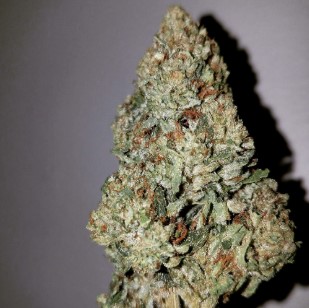
Ogre is a potent indica-dominant hybrid cannabis strain, widely recognized for its fast-flowering genetics, dense trichome-rich buds, and deeply sedative effects. Though sometimes confused with other phenotypes or similar-named cultivars (e.g., Ogre OG, Ogre Kush), the original Ogre is often traced back to Sensi Star genetics or a hybrid cross involving Master Kush, Bubba Kush, and Afghani lineage strains. Ogre is well-regarded among medical and recreational consumers for its high THC levels, soothing body high, and efficacy in pain and stress relief.
Genetic Lineage and Origin
Primary Genetic Line
- Sensi Star Cut (Paradise Seeds): Some reports cite Ogre as a phenotype of Sensi Star, known for its heavy indica traits.
- Alternative Crosses:
- Master Kush × Bubba Kush × Afghani
- Ogre OG (OG Kush phenotype) crossed with SFV OG or Sour Diesel hybrids (in variant strains)
Because multiple cultivars have used the “Ogre” moniker, it’s essential to distinguish between:
- Ogre (indica-dominant)
- Ogre OG (more hybrid or sativa-leaning in certain expressions)
Morphology and Cultivation Characteristics
I. Genetic Traits Influencing Cultivation
Genotype Expression:
- Ogre exhibits indica-dominant morphology (broad leaves, squat structure) but often shows hybrid vigor, especially in environments with ample light and optimized nutrients.
- It’s photoperiod-dependent, meaning light cycle manipulation is crucial for flowering induction.
Phenotypic Traits:
- Fast flowering (42–56 days)
- High trichome production
- Resistance to mold and mildew (linked to Afghani ancestry)
- Responds well to stress training due to stem thickness and internodal spacing
Germination and Vegetative Phase
1. Germination
- Ideal temp: 22–25°C (72–77°F)
- pH: 6.0–6.5 for rockwool or peat pellets
- Germination rate is high with feminized seeds, but regular seeds can be used for phenohunting.
2. Vegetative Growth Parameters
- Light Cycle: 18/6 (hours light/dark)
- Light Intensity: 400–600 PPFD (Photosynthetic Photon Flux Density)
- Temperature: 24–28°C (75–82°F)
- Humidity: 55–70% RH
- Soil pH: 6.2–6.5 (in soil), 5.8–6.2 (in hydro)
Nutrient Focus:
- High nitrogen (N) for foliage development
- Moderate phosphorus (P) and potassium (K)
- Calcium and magnesium (especially in coco or hydro systems)
Training Techniques:
- Low-Stress Training (LST): Enhances lateral branching and light penetration
- Topping: Effective for bushier growth
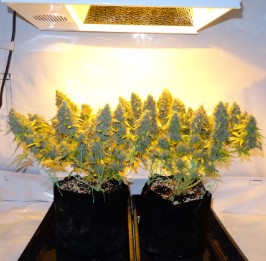
- Screen of Green (ScrOG): Ideal due to Ogre’s lateral growth tendency
Flowering Phase
1. Photoperiod Manipulation
- Light Cycle: 12/12
- Transition to flowering typically begins within 7–10 days of light cycle change.
2. Environmental Control
- Temperature: 20–26°C (day), 18–22°C (night)
- Humidity: 40–50% RH to avoid bud rot
- CO₂ Enrichment: Up to 1200–1500 ppm can boost flower mass
3. Nutrient Schedule
- Week 1–3 (Early Flowering):
- Moderate nitrogen
- High phosphorus to initiate bud sites
- Week 4–6 (Mid-Flowering):
- High potassium for bud density
- Sulfur and magnesium to aid in the production of terpenes
- Week 6–8 (Ripening):
- Reduce nitrogen
- Focus on potassium, micronutrients, and flushing
Note: Ogre responds well to organic compost teas, molasses feeding, and microbial inoculants (like mycorrhizae or Trichoderma) to improve terpene profiles.
Terpene and Cannabinoid Optimization
1. Light Quality
- Full-spectrum LED or CMH (ceramic metal halide) lighting encourages trichome and terpene synthesis.
- UVB exposure in final weeks increases resin and THC production (scientific support: THC acts as a UV protectant).
2. Stress Conditioning
- Mild water stress during late flowering (by gradually decreasing watering frequency) stimulates cannabinoid production.
- Temperature variation (cooler nights) helps preserve terpenes like limonene and linalool.
3. Harvest Timing
- Trichome color monitoring (via loupe or microscope):
- Cloudy → peak THC
- Amber → more CBN, sedative effect (ideal for Ogre)
Scientific Strategy: Harvest at 10–20% amber trichomes to maximize Ogre’s heavy indica sedation effect.
Medium Selection: Pros and Cons for Ogre
| Medium | Pros | Cons |
|---|---|---|
| Soil | Rich terpene profiles; easier buffering | Slower growth; less precise control |
| Coco Coir | Fast growth; good aeration | Requires more frequent feeding; pH sensitive |
| Hydroponics (DWC, NFT) | Explosive growth and yield | Requires tight control over EC/pH; risk of root issues |
Ogre does particularly well in coco blends with 30–40% perlite due to strong root oxygenation and fast nutrient uptake.
Integrated Pest and Mold Management
Natural Resistance
- Ogre is relatively mold-resistant due to tight internodal structure and dense foliage, but:
- Needs defoliation during mid-flower to ensure airflow
- Buds must be spaced for drying to avoid moisture entrapment
IPM Strategy
- Neem oil (veg stage only) for aphids, mites
- Bacillus subtilis or lactobacillus foliar sprays for PM (powdery mildew)
- Beneficial insects: Hypoaspis miles (soil pests), Phytoseiulus persimilis (spider mites)
Post-Harvest: Curing for Maximum Effect
1. Drying Conditions
- Temperature: 18–20°C (64–68°F)
- Humidity: 50–60% RH
- Duration: 7–10 days, slow-dried in dark space
2. Curing Method
- Glass jars, burped daily for first 2 weeks
- After 30–45 days, terpene concentration stabilizes
- Proper curing significantly increases flavor, smoothness, and psychoactive clarity
Yield Estimates (Optimized Conditions)
| Grow Method | Yield (per plant) |
|---|---|
| Indoor (soil) | 400–500g/m² |
| Indoor (hydro) | 500–600g/m² |
| Outdoor (full sun, organic) | 600–900g per plant |
Cultivation Challenges & Solutions
| Challenge | Solution |
|---|---|
| Overwatering | Allow near-dryback before next watering |
| Dense canopy → mold risk | Lollipop technique + defoliation |
| Nutrient burn | Start with 50% strength and monitor EC |
| Temperature swings | Use thermostat-controlled intake/exhaust fans |
Cannabinoid Profile
| Compound | Typical Range |
|---|---|
| THC | 18–24% |
| CBD | <0.5% |
| CBG | 0.3–1% |
| THCV | Trace |
| CBC | Trace–0.2% |
The high THC content combined with minor cannabinoids like CBG contributes to Ogre’s strong psychoactive and therapeutic profile.
Terpene Profile and Aromatics
Dominant Terpenes
- Myrcene: Sedative, analgesic, muscle relaxant
- Caryophyllene: Anti-inflammatory, interacts with CB2 receptors
- Limonene: Mood enhancement, anti-anxiety
- Linalool: Calming, anti-epileptic
- Humulene (lesser presence): Appetite suppressant
Aroma and Flavor Profile
- Aromatics: Earthy, pungent, spicy with herbal notes
- Flavor: Diesel undertones, sweet citrusy finish with kushy earth
The terpene mix gives Ogre its heavy aroma, reminiscent of dank kush crossed with subtle floral-citrus notes.
Recreational Effects
1. Onset and Duration
- Time to onset: ~5–10 minutes (inhalation)
- Peak effects: 30–60 minutes
- Duration: 2–3 hours (inhalation), longer for edibles
2. Psychoactive Effects
- Relaxation: Immediate and full-body
- Euphoria: Mild to moderate cerebral uplift, not overly intoxicating
- Sedation: Strong, especially at higher doses
- Couch-lock: Common, especially for novice users
3. Ideal Recreational Contexts
- Evening use
- Watching movies or relaxing
- Social smoking in low-energy settings
- Deep sleep preparation
4. Potential Side Effects
- Dry eyes and mouth (common)
- Dizziness in low-tolerance users
- Heavy sedation—may impair productivity
Medical Applications
Ogre is an indica-dominant strain with high THC levels (18–24%) and a terpene profile led by myrcene, caryophyllene, limonene, and linalool. Its medical efficacy is driven by:
- THC: Analgesic, anti-nausea, appetite stimulant
- Myrcene: Sedative, muscle relaxant, synergist with THC
- Caryophyllene: Anti-inflammatory, acts on CB2 receptors
- Linalool: Anxiolytic, anticonvulsant
- Limonene: Mood stabilizer, antidepressant
This combination offers multi-modal relief across neurological, musculoskeletal, gastrointestinal, and psychiatric conditions.
Pain Management
Clinical Indications
- Neuropathic pain (e.g., diabetic neuropathy, MS)
- Inflammatory pain (arthritis, lupus)
- Chronic back/neck pain
- Post-surgical pain
Mechanisms
- THC activates CB1 receptors in the spinal cord and brain, dampening pain signal transmission.
- Caryophyllene activates CB2 receptors in immune tissues, reducing inflammatory cytokine production.
- Myrcene modulates TRPV1 (pain and temperature channel), providing local analgesia.
Scientific Evidence
- Animal models show CB1 receptor agonists reduce nociceptive thresholds.
- Human trials with high-THC strains demonstrate significant improvement in pain scores in chronic pain and cancer patients.
- Myrcene enhances blood-brain barrier permeability, increasing THC’s central effects.
Insomnia and Sleep Disorders
Clinical Indications
- Sleep onset insomnia
- Maintenance insomnia
- Sleep disturbance secondary to pain or PTSD
Mechanisms
- Myrcene promotes sedation via GABAergic transmission enhancement.
- THC reduces REM sleep (helpful in PTSD nightmares), increases slow-wave sleep.
- Linalool increases adenosine signaling, inducing sleepiness.
Scientific Insight
- A 2013 study in Frontiers in Psychiatry showed THC decreased sleep latency and increased total sleep time.
- Myrcene alone (at high concentrations) has a similar sedative effect as benzodiazepines in rodent studies.
Anxiety and PTSD
Clinical Indications
- Generalized anxiety disorder (GAD)
- Social anxiety
- PTSD-related hyperarousal
- Acute stress response
Mechanisms
- Linalool reduces activity in the amygdala and hypothalamus (key fear/anxiety centers).
- Limonene upregulates dopamine and serotonin signaling in the hippocampus.
- THC in low doses can reduce cortisol and induce calm, though high doses may trigger anxiety in some individuals.
Dosing Consideration
- Low-THC doses (<5mg inhaled) show anxiolytic effect; higher doses may reverse it.
- Ideal for evening or nighttime anxiety, especially when insomnia is also present.
Depression and Mood Disorders
Clinical Indications
- Mild-to-moderate depression
- Anhedonia and low motivation
- Bipolar depression (cautious use)
Mechanisms
- Limonene increases neurotrophic signaling (BDNF, NGF) in animal models, supporting mood and neuroplasticity.
- THC temporarily boosts dopamine release in the striatum, elevating mood and motivation.
- CB1 activation in limbic regions mediates reward and pleasure pathways.
Considerations
- Chronic or high-dose THC use can cause dysphoria in some patients—must be personalized.
- Ideal for situational depression or depressive states related to pain/fatigue.
Muscle Spasms and Spasticity
Clinical Indications
- Multiple sclerosis (MS)
- Spinal cord injury
- Cerebral palsy
- Parkinsonian tremors
Mechanisms
- THC reduces motor neuron excitability via CB1 interaction in the spinal cord.
- Myrcene and linalool possess antispasmodic and muscle relaxant properties.
- CB2 modulation via caryophyllene lowers inflammatory processes around motor neurons.
Scientific Support
- Nabiximols (a 1:1 THC:CBD oral spray) is approved in parts of Europe for MS-related spasticity.
- Ogre may mimic these effects due to its potent THC and terpene synergy, even in the absence of high CBD.
Appetite Stimulation
Clinical Indications
- Cancer cachexia
- HIV/AIDS-related wasting
- Anorexia
- Chronic illness with weight loss
Mechanisms
- THC binds to CB1 receptors in the hypothalamus, stimulating hunger signals.
- Dopaminergic and endorphin-related reward circuits are activated, enhancing food enjoyment.
Evidence
- Dronabinol (synthetic THC) is FDA-approved for AIDS wasting and chemo-induced anorexia.
- Whole-plant cannabis (like Ogre) often performs better than isolates due to entourage effect.
Gastrointestinal Disorders
Clinical Indications
- Irritable bowel syndrome (IBS)
- Crohn’s disease
- Ulcerative colitis
- Functional abdominal pain
Mechanisms
- CB1/CB2 receptors in the enteric nervous system regulate gut motility, inflammation, and nausea.
- Caryophyllene has documented anti-inflammatory action in the GI tract.
- Linalool and limonene modulate visceral pain and smooth muscle spasm.
Evidence
- Clinical trials show cannabinoids reduce inflammatory markers and symptom severity in Crohn’s and IBS.
- Ogre’s high THC and caryophyllene content make it suitable for symptom control, especially in flare-ups.
Nausea and Chemotherapy-Induced Vomiting
Clinical Indications
- Chemotherapy
- Radiation therapy
- Chronic nausea (gastroparesis, migraine, liver disease)
Mechanisms
- THC inhibits emetic reflex via CB1 activation in the dorsal vagal complex of the brainstem.
- Rapid onset via inhalation → quick symptom relief
- Limonene and myrcene support anti-nausea effect
Comparison
- Similar or superior to pharmaceutical agents (e.g., ondansetron) in resistant cases
- Works best as inhaled formulation for breakthrough nausea
Inflammation and Autoimmune Disorders
Clinical Indications
- Rheumatoid arthritis
- Lupus
- IBD (Crohn’s/UC)
- Psoriasis
Mechanisms
- Caryophyllene is one of the few terpenes shown to selectively bind to CB2, a key anti-inflammatory receptor.
- THC also inhibits COX-2 and TNF-α, both inflammatory mediators.
- Myrcene and limonene reduce oxidative stress and inflammatory cytokines.
Scientific Backing
- Animal models show significant edema and cytokine suppression via CB2 agonism with caryophyllene.
- Ogre’s anti-inflammatory profile is ideal for symptom management in flare-up stages.
Neurological Conditions and Seizures
Though Ogre lacks significant CBD, some components still offer adjunctive neurological benefit.
Potential Benefits
- Mild seizure resistance due to linalool’s modulation of glutamate and GABA.
- THC may stabilize neuronal overexcitation in certain forms of epilepsy (not first-line).
- Neuroprotective antioxidant activity from limonene and caryophyllene.
Note: High-THC strains should be used cautiously in epilepsy and only under clinical supervision.
Summary Table of Medical Uses
| Condition | Mechanisms | Key Compounds |
|---|---|---|
| Chronic pain | CB1/CB2 activation, TRPV1 modulation | THC, caryophyllene, myrcene |
| Insomnia | GABAergic modulation, adenosine enhancement | Myrcene, THC, linalool |
| Anxiety | Amygdala inhibition, serotonin modulation | Linalool, limonene |
| Appetite loss | CB1 activation in hypothalamus | THC |
| GI disorders | Enteric CB1/CB2 modulation, spasm control | Caryophyllene, myrcene |
| Muscle spasms | Motor neuron stabilization | THC, linalool, myrcene |
| Inflammation | CB2 activation, cytokine inhibition | Caryophyllene, THC |
| Depression | Dopamine & serotonin stimulation | Limonene, THC |
Scientific Insights and Mechanisms of Action
1. Endocannabinoid System Interactions
- THC binds to CB1 receptors (central nervous system) → psychoactivity, analgesia, sedation
- Caryophyllene selectively targets CB2 (immune system) → anti-inflammatory effects without psychotropic effects
- Myrcene and linalool act on TRPV1 channels and GABAergic receptors → muscle relaxation and sleep enhancement
2. Entourage Effect
Ogre’s multi-terpene synergy exemplifies the entourage effect, where terpenes and cannabinoids work in concert to amplify therapeutic outcomes. Myrcene and limonene boost THC’s bioavailability across the blood-brain barrier, while linalool and caryophyllene offset excitotoxicity and inflammation.
3. Pharmacokinetics
- Onset: Rapid via inhalation (5–10 min)
- Metabolism: First-pass hepatic metabolism (for edibles) increases 11-hydroxy-THC, intensifying sedation
- Half-life: THC’s active effects diminish after 2–3 hours; metabolites may linger in chronic users
4. Safety Profile
- No known lethal dose
- Risk of dependency is low to moderate, especially in users prone to sedative substance use
- Avoid combining with other CNS depressants
Comparison with Similar Strains
| Strain | Type | THC Range | Similarities | Differences |
|---|---|---|---|---|
| Sensi Star | Indica-dominant | 16–20% | Sedation, fast flowering | Less euphoric uplift than Ogre |
| Master Kush | Indica-dominant | 18–22% | Body relaxation, stress relief | Earthier, less citrus notes |
| Bubba Kush | Pure Indica | 15–22% | Deep sedation, insomnia relief | Slower to flower |
| SFV OG | Hybrid (OG Kush) | 20–25% | Pungent, earthy-diesel aroma | More cerebral effects, less sedative |
User Demographics and Popularity
Preferred by:
- Medical patients seeking sleep, pain, and anxiety relief
- Recreational users preferring relaxing, evening strains
- Cultivators due to short flowering time and yield
Market Trends
- Popular in:
- California
- Oregon
- Colorado
- Select Canadian provinces
- Often available in pre-rolls, concentrates, and edibles due to rich resin content
Concentrate and Edible Use
Ogre’s dense trichomes make it ideal for:
- Live resin
- Shatter
- Rick Simpson Oil (RSO)
- Tinctures and edibles
The terpene retention in live resin forms enhances its sedative and euphoric effects when vaporized.
Breeding and Hybridization
Breeding Use
- Commonly used in breeding short-flowering indica strains with diesel or kush aromatics.
- Hybrids involving Ogre include:
- Ogre Berry (Ogre × Island Strawberry Afghani)
- Madman OG (Ogre OG × LA Confidential)
These crosses often retain Ogre’s heavy sedative effect with novel flavor/aroma profiles.
Conclusion
The Ogre cannabis strain stands out for its potent sedative properties, fast growth cycle, and robust cannabinoid-terpene synergy. With medical applications ranging from chronic pain and insomnia to stress and appetite disorders, Ogre is a cornerstone indica strain that offers high therapeutic value without overwhelming cognitive effects.
Its unique biochemical makeup—highlighted by high THC, myrcene, and caryophyllene—creates a powerful body high with a touch of euphoria, making it suitable for both medical patients and recreational users seeking relaxation and relief.
For a complete directory of cultivars, visit our Cannabis Strain Reviews.
