Table of Contents
OG Diesel Kush is a potent and highly sought-after cannabis strain known for its strong effects, pungent aroma, and therapeutic potential. A hybrid with dominant indica or balanced hybrid characteristics, OG Diesel Kush combines the best traits of its parent strains—OG Kush and Sour Diesel. This strain is appreciated for its potent cerebral effects, full-body relaxation, and long-lasting high, making it popular among both medical and recreational users.
Genetic Lineage and Cultivation
Parent Strains:
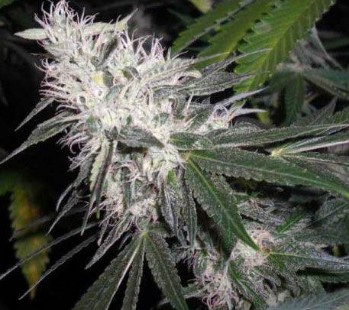
- OG Kush: A legendary indica-dominant hybrid known for its euphoric and sedative effects, rich terpene profile, and piney-citrus aroma.
- Sour Diesel: A sativa-dominant strain famous for its uplifting and energetic high, as well as its pungent, fuel-like aroma.
Growth Characteristics:
- Climate Preference: Thrives in warm, Mediterranean-like climates.
- Indoor vs. Outdoor Cultivation: Can be grown indoors or outdoors, but controlled indoor environments allow growers to maximize yield and terpene production.
- Flowering Time: Typically 8-10 weeks.
- Yield: Moderate to high, depending on cultivation techniques.
- Resistance: Highly resistant to mold and pests but may require pruning due to dense foliage.
Environmental Conditions for OG Diesel Kush Cultivation
OG Diesel Kush thrives in controlled environments, whether indoors, in greenhouses, or outdoors in specific climates.
Indoor Cultivation: Controlled Environment Agriculture (CEA)
- Temperature: 70-80°F (21-27°C) during the day, with a slight drop at night.
- Humidity: 40-50% during vegetative stage, reduced to 30-40% during flowering.
- Lighting: High-intensity discharge (HID) lights (HPS/MH) or full-spectrum LED grow lights.
- Air Circulation & CO₂ Supplementation: CO₂ enrichment (1000-1500 ppm) can enhance photosynthesis and increase yield.
- Photoperiod: 18/6 light cycle during the vegetative stage; 12/12 for flowering.
Outdoor Cultivation: Best Climate & Conditions
- Climate: Prefers Mediterranean climates with temperatures between 70-85°F (21-29°C).
- Soil pH: Ideal range of 6.0-6.5.
- Sunlight Exposure: At least 8-10 hours of direct sunlight.
- Wind Protection: Required to prevent stress on branches from heavy buds.
2. Cultivation Techniques for High Yield & Potency
A. Germination & Seedling Stage
- Germination Methods:
- Paper towel method (moisture-controlled environment)
- Direct soil or Rockwool cube germination for hydroponic systems
- Optimal Conditions: Keep at 70-75°F (21-24°C) with high humidity (~70%).
B. Vegetative Growth Optimization
- Nutrient Requirements:
- High nitrogen (N) for leaf and root development.
- Phosphorus (P) and potassium (K) in moderate levels.
- Calcium and magnesium for cell wall integrity.
- Training Methods for Maximum Yield:
- Low-Stress Training (LST): Bending branches for better light penetration.
- Topping & FIMing: Enhancing lateral growth and multiple colas.
- Screen of Green (ScrOG): Increasing canopy exposure to light.
- Defoliation: Removing lower leaves to improve airflow.
C. Flowering Stage
- Nutrient Shift: Lower nitrogen, increase phosphorus and potassium.
- Bloom Boosters: Amino acids and enzymes improve bud density.
- Flushing: Last 10-14 days with pure water to remove excess nutrients.
- Optimal Flowering Time: 8-10 weeks.
3. Advanced Cultivation Techniques
Hydroponics vs. Soil Cultivation
- Hydroponics:
- Increases growth rate and yields by delivering precise nutrients.
- Requires strict pH (5.5-6.0) and EC (electrical conductivity) control.
- Common systems: Deep Water Culture (DWC), Nutrient Film Technique (NFT).
- Soil Cultivation:
- Organic super soils enhance terpene profiles.
- Compost teas, mycorrhizal fungi, and biochar improve root health.
Tissue Culture Propagation
- Micropropagation (tissue culture) can produce genetically stable clones.
- Helps preserve superior phenotypes with high THC/CBD levels.
Pest & Disease Management
- Common Pests: Spider mites, aphids, fungus gnats.
- Biological Controls: Beneficial insects like ladybugs, predatory mites.
- Disease Prevention: Proper ventilation prevents powdery mildew and root rot.
4. Harvesting, Curing & Storage
- Harvest Timing: When trichomes are milky with ~20% amber.
- Drying: Hang in 60-65°F (15-18°C) with 50-60% RH for 7-14 days.
- Curing: Stored in airtight jars with 58-62% humidity packs for 2-4 weeks.
- Storage: Kept in dark, cool places to prevent terpene degradation.
Chemical Composition and Terpene Profile
OG Diesel Kush is rich in cannabinoids and terpenes, giving it powerful psychoactive and therapeutic effects.
Cannabinoid Content:
- THC: 18-26% (high potency)
- CBD: 0.1-1.5% (low to moderate)
- CBG: 0.5-1%
- Other Cannabinoids: CBN, CBC, THCV (in trace amounts)
Terpene Profile:
- Myrcene (dominant) – Provides sedative, muscle-relaxing, and anti-inflammatory properties.
- Limonene – Contributes to mood elevation and stress relief with citrus-like aromas.
- Caryophyllene – Acts as a natural pain reliever and anti-inflammatory compound.
- Pinene – Enhances alertness and memory retention.
- Humulene – Known for its appetite-suppressing and anti-inflammatory properties.
Effects and User Experience
Onset and Duration:
- Fast-acting, effects typically felt within minutes.
- Peak effects last 1-2 hours.
- Total duration: 3-6 hours, depending on consumption method.
Cognitive and Physical Effects:
- Euphoria and Mood Elevation: Users report an uplifted mood, creative boost, and mental clarity.
- Relaxation and Stress Reduction: The indica influence provides a calming and sedative effect.
- Body High and Pain Relief: Muscle relaxation, tension relief, and mild couch-lock at higher doses.
- Sociability: Some users experience an increase in talkativeness and enjoyment in social settings.
- Psychoactive Effects: High doses may cause mild psychedelic experiences, heightened sensory perception, and introspection.
Potential Side Effects:
- Common: Dry mouth, dry eyes.
- Moderate: Dizziness, slight paranoia (especially in new users).
- Rare: Anxiety or increased heart rate in sensitive individuals.
Medical Uses and Benefits
OG Diesel Kush is widely used for its therapeutic benefits, particularly in pain management, mental health disorders, and neurological conditions.
Pain Management:
- Effective for chronic pain, arthritis, muscle spasms, and migraines.
- High THC and caryophyllene content of OG Diesel Kush helps modulate pain perception.
Mental Health Disorders:
- Anxiety and Depression: The limonene content of OG Diesel Kush helps reduce stress and improve mood.
- PTSD: Offers calming effects without heavy sedation, making it ideal for relieving intrusive thoughts and anxiety.
- Insomnia: At higher doses, OG Diesel Kush induces deep sleep.
Neurological Conditions:
- Epilepsy: Low CBD content may limit its anticonvulsant properties, but it can still reduce seizure activity in some cases.
- Multiple Sclerosis: Relieves muscle stiffness, pain, and tremors.
Gastrointestinal Disorders:
- Nausea and Appetite Stimulation: Useful for chemotherapy patients and those with eating disorders.
- Irritable Bowel Syndrome (IBS) and Crohn’s Disease: Anti-inflammatory properties may help relieve symptoms.
Recreational Uses
OG Diesel Kush is highly favored in recreational settings due to its potent and well-balanced effects.

Best Recreational Activities:
- Creative Endeavors: OG Diesel Kush enhances artistic pursuits, music appreciation, and brainstorming sessions.
- Social Events: Induces euphoria and talkativeness, making it great for social gatherings.
- Outdoor Adventures: Uplifting effects make it suitable for hiking, camping, and exploring nature.
- Evening Relaxation: Ideal for watching movies, listening to music, or unwinding after a long day.
Scientific Analysis and Pharmacology
OG Diesel Kush’s effects stem from its cannabinoid and terpene interactions, particularly the entourage effect.
Endocannabinoid System (ECS) Interactions:
- THC binds to CB1 receptors, resulting in euphoria and pain relief.
- Caryophyllene has anti-inflammatory properties through its interaction with CB2 receptors.
- Myrcene enhances cell permeability, intensifying THC’s effects.
- Limonene modulates serotonin and dopamine levels, contributing to anxiety and mood regulation.
Neurotransmitter and Hormonal Effects:
- Dopaminergic Activity: Elevates mood and motivation.
- GABA Modulation: Contributes to muscle relaxation and stress reduction.
- Cortisol Reduction: Helps with stress and inflammation control.
Consumption Methods and Dosage
Methods of Ingestion
A. Inhalation (Smoking & Vaping)
This is the most common and efficient method, delivering cannabinoids rapidly to the bloodstream via the lungs.
1. Smoking (Combustion)
- Forms: Joints, blunts, bongs, pipes.
- Bioavailability: ~25-30%.
- Onset: 1-5 minutes.
- Peak Effects: 15-30 minutes.
- Duration: 2-4 hours.
- Mechanism: THC enters the bloodstream through alveolar absorption, reaching the brain within minutes.
- Downsides:
- Combustion produces carcinogens and tar.
- May irritate lungs, causing coughing and bronchial inflammation.
2. Vaping (Thermal Extraction)
- Forms: Dry herb vaporizers, concentrates of OG Diesel Kush (wax, distillate, live resin).
- Bioavailability: ~45-55% (higher than smoking due to better cannabinoid preservation).
- Onset: 1-3 minutes.
- Peak Effects: 15-30 minutes.
- Duration: 2-4 hours.
- Advantages:
- Fewer toxins (no combustion).
- More terpene retention for enhanced entourage effects.
- Controlled temperature prevents cannabinoid degradation.
- Optimal Vaporization Temperature for OG Diesel Kush:
- THC boiling point: ~315°F (157°C).
- CBD boiling point: ~356°F (180°C).
- Terpene range: 330-430°F (165-220°C).
B. Oral Ingestion (Edibles, Capsules, Tinctures)
Oral ingestion involves metabolic processing through the liver (first-pass metabolism), converting THC into 11-hydroxy-THC, a more potent and longer-lasting compound.
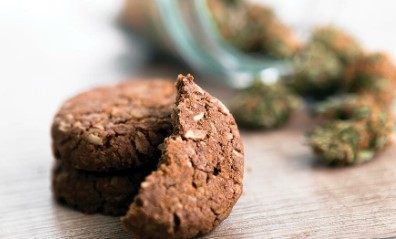
1. Edibles
- Forms: Gummies, chocolates, baked goods, beverages.
- Bioavailability: ~4-20% (low due to digestive breakdown).
- Onset: 30-90 minutes.
- Peak Effects: 2-3 hours.
- Duration: 6-12 hours (depending on metabolism and dosage).
- Metabolism: THC → 11-hydroxy-THC via liver enzymes (CYP450 system).
- Advantages:
- Long-lasting effects (ideal for medical patients).
- No respiratory irritation.
- Disadvantages:
- Delayed onset leads to overconsumption risk.
- Variable absorption due to stomach contents.
2. Capsules & Pills
- Mechanism: Similar to edibles but with more precise dosing.
- Onset: 45-90 minutes.
- Duration: 6-10 hours.
3. Tinctures (Sublingual)
- Forms: Alcohol- or oil-based extracts taken under the tongue.
- Bioavailability: ~20-35% (higher than edibles due to sublingual absorption).
- Onset: 15-45 minutes.
- Peak Effects: 1-2 hours.
- Duration: 4-6 hours.
- Mechanism: Partially bypasses first-pass metabolism, allowing some direct absorption into the bloodstream.
- Advantage: Faster and more predictable effects than edibles.
C. Topical & Transdermal Absorption
OG Diesel Kush’s cannabinoids can be absorbed through the skin but do not induce psychoactive effects unless formulated for transdermal delivery.
1. Topicals (Non-Psychoactive)
- Forms: Creams, lotions, balms, salves.
- Mechanism: Cannabinoids bind to CB2 receptors in local tissues without entering the bloodstream.
- Uses: Targeted pain relief, anti-inflammatory effects.
- Onset: 5-30 minutes.
- Duration: 2-6 hours.
2. Transdermal Patches (Psychoactive)
- Mechanism: Uses permeation enhancers to allow THC to enter the bloodstream.
- Onset: 30-60 minutes.
- Duration: 8-12 hours.
- Uses: Medical applications (chronic pain, anxiety).
2. Pharmacokinetics: Onset, Peak, and Duration by Method
| Method | Onset | Peak Effects | Duration | Bioavailability |
|---|---|---|---|---|
| Smoking | 1-5 min | 15-30 min | 2-4 hours | ~25-30% |
| Vaping | 1-3 min | 15-30 min | 2-4 hours | ~45-55% |
| Edibles | 30-90 min | 2-3 hours | 6-12 hours | ~4-20% |
| Capsules | 45-90 min | 2-3 hours | 6-10 hours | ~4-20% |
| Sublingual | 15-45 min | 1-2 hours | 4-6 hours | ~20-35% |
| Topicals | 5-30 min | N/A (localized) | 2-6 hours | Negligible |
| Transdermal | 30-60 min | 1-2 hours | 8-12 hours | Moderate |
3. Factors Affecting Absorption and Effects
- Metabolism & Enzymes:
- Liver enzymes (CYP2C9, CYP3A4) play a major role in THC metabolism.
- Genetic polymorphisms affect how fast or slow an individual processes cannabinoids.
- Food Intake:
- Edibles absorb faster when taken with fats (THC is lipophilic).
- Fasting state can lead to stronger effects.
- Tolerance Levels:
- Frequent users of OG Diesel Kush metabolize THC faster, reducing duration.
- Low-tolerance users experience prolonged and intense effects.
- Cannabinoid & Terpene Profile:
- High Myrcene Content: Enhances sedative effects.
- Limonene & Pinene: Counteract drowsiness, improving focus.
- Individual Body Composition:
- THC is stored in fat cells, affecting prolonged effects in chronic users.
Legal Status and Market Availability
OG Diesel Kush is available in dispensaries across legal cannabis markets, including the United States, Canada, and parts of Europe. However, legality depends on local cannabis laws.
Product Forms:
- Flower (Bud)
- Pre-rolls
- Concentrates (Wax, Shatter, Live Resin)
- Vape Cartridges
- Edibles and Tinctures
Conclusion
OG Diesel Kush is a potent, well-balanced hybrid that offers a unique combination of mental uplift and physical relaxation. Its strong therapeutic potential, versatile recreational use, and rich chemical profile make it a valuable strain for various users. Whether used for pain relief, anxiety management, or creative stimulation, OG Diesel Kush remains a premium option in the cannabis industry.
Key Takeaways:
- THC-rich hybrid with balanced effects.
- Perfect for relaxation, improving mood, and relieving pain.
- Rich terpene profile with potent aroma and taste.
- Widely available in legal cannabis markets.
As cannabis research continues to evolve, OG Diesel Kush remains a significant strain in both medical and recreational use, offering potency, flavor, and therapeutic benefits for a diverse range of consumers.
For a complete directory of cultivars, visit our Cannabis Strain Reviews.
