Table of Contents
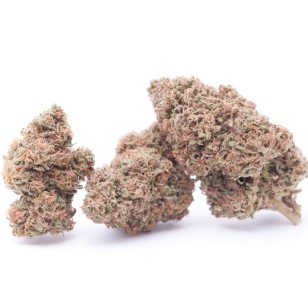
OG Chem—also known as Chem OG—is a potent sativa-dominant hybrid bred from the union of Chemdawg and OG Kush, two of the most legendary and chemically complex strains in the cannabis world. OG Chem captures the raw diesel aroma and cerebral stimulation of Chemdawg, while incorporating the earthy, piney, and heavy-bodied sedation of OG Kush.
- Lineage: Chemdawg × OG Kush
- Type: Sativa-dominant hybrid (~70% sativa / 30% indica)
- THC: 18–26%
- CBD: <1%
- CBG: ~1%
- Terpenes: Myrcene, limonene, caryophyllene, pinene, humulene
Sensory Profile
- Aroma: Pungent diesel, sour citrus, earthy pine, skunky herbs
- Flavor: Chemical diesel, citrus zest, kushy spice, earthy backend
- Appearance: Dense, frosted green buds with orange pistils and purple hues in colder phenotypes
Cannabinoid Composition and Pharmacodynamics
OG Chem is notable for its high THC content, ranging from 20% to 26%, with minor cannabinoids playing supportive roles.
Primary Cannabinoids
- THC (Tetrahydrocannabinol): Delivers OG Chem’s strong psychoactive effects. Binds primarily to CB1 receptors in the central nervous system, altering perception, mood, and cognition.
- CBD (Cannabidiol): Present only in trace amounts (<1%), limiting its direct modulatory role but contributing to an entourage effect in tandem with other cannabinoids.
- CBG (Cannabigerol): Often ~1%, CBG modulates inflammatory responses and may buffer THC-induced anxiety.
Secondary Cannabinoids
- THCV (Tetrahydrocannabivarin): In some phenotypes, THCV presence may provide appetite-suppressing and anti-psychotic effects.
- CBC (Cannabichromene): Anti-inflammatory and neuroprotective; synergizes with THC for enhanced analgesia.
Terpene Profile and Neurochemical Interactions
OG Chem’s robust terpene spectrum contributes to both its unique aroma and its wide-ranging therapeutic effects.
Major Terpenes
- Myrcene: Sedating and muscle-relaxing. Potentiates THC’s psychoactivity by increasing blood-brain barrier permeability.
- Limonene: Antidepressant and anxiolytic properties. Promotes serotonin and dopamine signaling.
- Caryophyllene: Spicy and peppery; binds to CB2 receptors, making it functionally a phytocannabinoid with anti-inflammatory and analgesic properties.
- Pinene: Counteracts short-term memory impairment from THC. Bronchodilator and anti-inflammatory.
- Humulene: Appetite suppressant and anti-bacterial; helps in pain management and inflammation reduction.
Entourage Effect
The entourage effect in OG Chem is especially pronounced, with terpenes and minor cannabinoids enhancing the effects of THC. For instance:
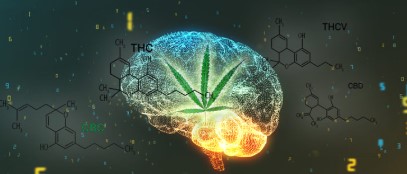
- Caryophyllene’s CB2 activation reduces systemic inflammation.
- Limonene enhances mood without exacerbating anxiety.
- Myrcene intensifies the THC “high,” delivering a heavier onset.
Medical Applications
Core Medicinal Properties
OG Chem’s medical efficacy derives from its high THC content, notable CBG levels, and a terpene profile led by myrcene, limonene, caryophyllene, and pinene. These compounds act synergistically (entourage effect) to affect:
- Pain perception and inflammation
- Mood regulation and anxiety
- Cognitive performance and motivation
- Gastrointestinal stability
- Appetite stimulation
- Neurological function
Pain and Inflammation Management
Chronic and Neuropathic Pain
THC modulates nociceptive pathways through CB1 receptor activation in the brain and spinal cord, reducing pain perception and dampening pain-related emotional responses. Caryophyllene, acting as a CB2 receptor agonist, provides anti-inflammatory benefits without psychoactivity.
Medical Use Cases:
- Neuropathic pain (e.g., peripheral neuropathy, MS-related pain)
- Inflammatory pain (e.g., rheumatoid arthritis, fibromyalgia)
- Headache disorders (including migraines)
Mechanism Summary:
- THC: Inhibits pain signal transmission via CB1 agonism.
- Caryophyllene (CB2): Decreases cytokine production (TNF-α, IL-1β).
- Myrcene: Enhances analgesic properties, potentially by activating opioid receptors.
Mood Disorders and Emotional Dysregulation
Depression
OG Chem’s limonene-rich profile supports antidepressant effects via modulation of serotonergic and dopaminergic systems. Limonene enhances 5-HT1A receptor activity and may increase brain-derived neurotrophic factor (BDNF), critical for mood and neuroplasticity.
Medical Use Cases:
- Major depressive disorder (MDD)
- Bipolar depression (when not in manic state)
- Seasonal affective disorder (SAD)
Mechanism Summary:
- THC: Stimulates dopamine release in nucleus accumbens.
- Limonene: Boosts serotonin levels and anti-anhedonic behavior.
- CBG: Neuroprotective and mood-stabilizing potential via 5-HT1A modulation.
Anxiety and PTSD
In low to moderate doses, OG Chem may reduce anxiety by downregulating the amygdala response. This is beneficial for:
- Generalized Anxiety Disorder (GAD)
- Post-Traumatic Stress Disorder (PTSD)
- Social Anxiety Disorder (SAD)
However, high doses of THC can be anxiogenic in sensitive individuals due to CB1 overstimulation and elevated cortisol levels.
Therapeutic Tip: Microdosing or combining with CBD-dominant strains may buffer THC’s anxiety-inducing potential.
Attention, Focus, and Motivation
ADHD and Executive Dysfunction
OG Chem’s sativa-dominant nature, combined with limonene and pinene, produces pro-cognitive effects. This includes increased alertness, working memory performance, and dopaminergic tone in the prefrontal cortex.
Medical Use Cases:
- Attention Deficit Hyperactivity Disorder (ADHD)
- Executive dysfunction in TBI or depression
- Low motivation syndromes (e.g., apathy in Parkinson’s or chronic fatigue)
Mechanism Summary:
- THC + Limonene: Enhance cortical dopamine release
- Pinene: Inhibits acetylcholinesterase, increasing acetylcholine (critical for focus)
- CBG: May aid cognitive performance via neuroprotective pathways
Gastrointestinal and Appetite Regulation
Nausea and Vomiting
OG Chem’s THC content interacts with the dorsal vagal complex and area postrema (in the brainstem), suppressing emetic signals. It is especially useful in:
- Chemotherapy-induced nausea and vomiting (CINV)
- HIV/AIDS-related nausea
- Gastroparesis
Appetite Stimulation
By stimulating CB1 receptors in the hypothalamus and limbic system, OG Chem promotes appetite and food reward sensitivity. This is critical in:
- Cachexia (cancer-related wasting)
- Anorexia nervosa (in controlled, monitored settings)
- Eating disorders secondary to medication (e.g., SSRIs, antipsychotics)
Fatigue and Low Energy Conditions
OG Chem’s alert, uplifting onset makes it suitable for daytime use in individuals suffering from:
- Chronic Fatigue Syndrome (CFS)
- Long COVID-related fatigue
- Fibromyalgia (cognitive fog + physical fatigue)
- Multiple sclerosis (non-motor symptoms)
Limonene + THC synergy helps stimulate the brain’s reticular activating system, maintaining wakefulness and attentional drive.
Neurological Conditions and Neuroprotection
Multiple Sclerosis (MS)
OG Chem helps relieve spasticity, neuropathic pain, and fatigue, making it a useful strain in managing MS symptoms. It may also assist with bladder control and mood issues.
Parkinson’s Disease (PD)
OG Chem may support non-motor symptoms such as:
- Depression
- Fatigue
- Pain
- Restlessness
Due to its THC potency, it should be used cautiously in PD patients prone to hallucinations or confusion.
Traumatic Brain Injury (TBI)
CBG and THC may aid neurogenesis and inflammatory regulation, potentially supporting recovery of brain function post-TBI. Pinene supports cognitive clarity, helping reduce fog.
Sleep Disorders (with Timing Consideration)
While OG Chem is not primarily a sedative strain, it may help with:
- Sleep-onset insomnia due to calming euphoria and mental quieting.
- Shift work sleep disorder when timed to induce rest after intense activity.
OG Chem may not be suitable for middle-of-the-night wakefulness due to its initial energizing effect.
Autoimmune and Inflammatory Syndromes
By targeting both CB1 and CB2 receptors, OG Chem helps regulate immune activity in:
- Lupus
- Crohn’s disease and colitis
- Rheumatoid arthritis
- Interstitial cystitis
Caryophyllene + THC reduce inflammation markers, while CBG may regulate immune cell migration and cytokine signaling.
Cancer Symptom Support
OG Chem is not an anticancer treatment per se but is frequently used adjunctively in oncology for:
- Pain relief
- Nausea/vomiting
- Appetite support
- Depression and anxiety
Cannabinoids + terpenes modulate both peripheral symptoms and CNS-based quality of life factors.
Contraindications and Cautions
Not Recommended For:
- Patients with schizophrenia or psychosis (due to THC content)
- Uncontrolled bipolar mania
- Severe cardiovascular disease (THC may increase heart rate transiently)
- Pregnant or breastfeeding individuals (lack of safety data)
Monitoring Considerations:
- Always begin with low doses (especially for anxiety or mood conditions)
- Titrate upward based on symptom relief vs. side effects
- Consider combining with CBD-rich strains or extracts for buffering
Dosing and Administration Routes
| Route | Onset | Duration | Notes |
|---|---|---|---|
| Inhalation | 5–10 min | 2–4 hours | Best for rapid symptom relief |
| Oral (edibles/tinctures) | 30–90 min | 6–8 hours | Slower onset, more sustained effect |
| Sublingual | 15–30 min | 3–6 hours | Moderate onset; better for precise titration |
| Topical | Localized | Localized | Rarely used for OG Chem, not psychoactive this way |
Summary: OG Chem’s Therapeutic Strengths
| Medical Area | Strength of Evidence | Notes |
|---|---|---|
| Chronic pain | Strong | Multi-modal effect via THC, caryophyllene, and myrcene |
| Depression | Strong | Limonene-driven antidepressant synergy |
| Anxiety (low doses) | Moderate | Must titrate cautiously |
| Appetite/nausea | Strong | Excellent for cancer/AIDS-related symptoms |
| Fatigue | Strong | Sativa dominance helps energy and motivation |
| ADHD and cognitive clarity | Moderate | Pinene and limonene may assist; dose-dependent |
| Inflammatory disorders | Moderate-Strong | CB2 activation + terpene modulation |
| PTSD | Moderate | Reduced hyperarousal and intrusive thoughts at low-moderate doses |
| Sleep | Mild-Moderate | Sleep onset aid only; not a sedating strain |
Recreational Uses and Psychoactive Effects
Onset and Duration
- Onset: Rapid (5–10 minutes via inhalation)
- Peak Effects: 30–90 minutes
- Duration: 2–4 hours
Mental and Physical Effects
- Mental:
- Euphoria
- Increased creativity
- Enhanced sensory perception
- Heightened introspection
- Mild visual and auditory enhancement (at high doses)
- Physical:
- Tingling sensations
- Mild muscle relaxation
- Light body buzz
- Increased energy and motivation (early phase)
Recreational Contexts
- Social Gatherings: Promotes conversation, humor, and sociability.
- Artistic/Creative Work: Enhances flow states, novel idea generation.
- Outdoor Activities: Boosts mood and physical motivation.
- Gaming and Music: Enhances immersive experiences and attention to detail.
Side Effects
- Dry mouth and dry eyes (common)
- Anxiety or paranoia in high doses or low-tolerance users
- Mild dizziness or racing heart
- Potential for short-term memory disruption (partially mitigated by pinene)
Cultivation Insights
Genetic and Morphological Traits of OG Chem
OG Chem, as a cross between Chemdawg and OG Kush, inherits:
- Sativa-dominant vertical growth, with elongated internodal spacing.
- Dense Kush-like buds, prone to mold if airflow isn’t managed.
- Chem-heavy chemotypes, with terpenes concentrated in trichomes that are sensitive to UV exposure and stress levels.
- Moderate phenotypic variability: Some plants may lean more sativa (taller, more stretch), others more indica (stockier, denser buds).
Environmental Parameters for Optimal Cultivation
Indoor vs. Outdoor
- Indoor cultivation is preferred for terpene preservation and mold control.
- Outdoor grows well in Mediterranean climates—low humidity, lots of sun, mild nights.
Ideal Climate
- Temperature Range (Day): 22–28°C (72–82°F)
- Night Temperature: Drop of 5–7°C is ideal to trigger secondary metabolite production.
- Relative Humidity:
- Veg: 55–65%
- Flowering Weeks 1–4: 45–55%
- Late Flowering (Weeks 5–10): 35–45%
- VPD (Vapor Pressure Deficit): Target 1.0–1.4 kPa in veg, 1.3–1.6 kPa in flower.
Cultivation Timeline and Photoperiod
- Vegetative Period: 4–6 weeks recommended (OG Chem stretches heavily in flower).
- Flowering Period: ~9–10 weeks under 12/12 light cycle.
Light Requirements:
- Veg Phase: 18/6 light cycle, 300–500 µmol/m²/s PPFD
- Flowering: 12/12 light cycle, 600–1000 µmol/m²/s PPFD
Consider using UV-B light supplementation in late flowering (last 2–3 weeks) to increase trichome density and THC output, based on studies showing enhanced resin gland formation under stress light.
Nutrient Strategy and Soil Science
OG Chem is moderately nutrient-sensitive, especially to nitrogen in flower. It prefers a slightly acidic medium and needs careful micronutrient balance.
Soil or Substrate
- Ideal pH (Soil): 6.2–6.6
- Ideal pH (Hydro/Coco): 5.8–6.2
- Recommended Mediums:
- Organic super soil for full-flavor terpene expression
- Coco coir with hydroponic nutrients for yield optimization
Nutrient Requirements (EC ranges)
| Stage | EC Range (mS/cm) | Notes |
|---|---|---|
| Early Veg | 0.6–1.0 | Focus on root stimulation (N, Ca, Mg) |
| Late Veg | 1.2–1.6 | Balanced growth, increase K and P |
| Early Flower | 1.6–2.0 | Boost PK, taper N |
| Late Flower | 2.0–2.4 | High K, low N, watch for nutrient lockout |
| Flush | ~0.4 | Final 10–14 days, remove residual salts |
Micronutrients critical to OG Chem:
- Magnesium (Mg): Vital for chlorophyll synthesis and terpene biosynthesis
- Sulfur (S): Terpene production and root health
- Iron and Manganese: Prevent interveinal chlorosis in early veg
Plant Training and Stress Response
OG Chem is well-suited to low-stress and high-stress training, depending on the desired yield and shape.
Training Techniques
- Topping: Strongly encouraged to reduce vertical growth and stimulate lateral bud development.
- LST (Low Stress Training): Useful to spread canopy, improving light penetration and airflow.
- SCROG (Screen of Green): Best for maximizing canopy in smaller indoor setups.
- Defoliation: Moderate defoliation in early flower improves air circulation around dense bud sites.
Stress Response and Hormesis
- Light abiotic stress (e.g., low-dose UV-B, drought, or LST) in late veg and early flower may increase terpene production via jasmonic acid signaling.
- OG Chem responds well to silica supplementation, improving cellular rigidity and mold resistance.
Pathogen and Pest Management
OG Chem is moderately resistant to pests but vulnerable to mold due to its dense colas.
Common Threats
- Powdery mildew: High risk in late flower if humidity is uncontrolled.
- Spider mites: Warm, dry conditions promote outbreaks.
- Fungus gnats: Risk in overwatered soils.
Integrated Pest Management (IPM)
- Biological Controls:
- Beauveria bassiana for mites
- Bacillus thuringiensis (BTi) for larvae in soil
- Beneficial nematodes for gnat control
- Fungal Protection:
- Regular foliar sprays of potassium bicarbonate or neem in veg
- Stop all foliar spraying ~2 weeks into flower
Mold Prevention
- Heavy pruning of interior foliage
- Ensure >20% airflow exchange per minute in grow rooms
- Use of dehumidifiers and oscillating fans in flower rooms
Yield Optimization and Harvest Techniques
Yields
- Indoor: ~450–550 g/m² (with SCROG + CO₂ enrichment)
- Outdoor: ~600–800 g/plant under ideal conditions
Harvest Timing
- Peak Cannabinoid Window: ~9.5 weeks (trichomes mostly cloudy, 10–15% amber)
- Monitor trichome heads with 60x magnifier or macro camera.
Flush Strategy
- 10–14 day flush with RO or filtered water
- Optional: Add molasses or amino acids for enhanced flavor expression
- Avoid overwatering during flush—maintain dry-back cycles
Post-Harvest Curing and Storage
Drying Parameters
- Temperature: 18–21°C (64–70°F)
- Humidity: 55–60%
- Duration: 7–12 days depending on bud density
Curing
- Initial Cure: 2–4 weeks in airtight jars or CVault containers
- Humidity Control: Use 62% Boveda or Integra packs
- Aeration: “Burp” daily for first 7–10 days
Proper curing enhances:
- Terpene preservation
- Smoothness of smoke
- Reduction in harshness or chlorophyll taste
Breeding Potential and Chemotype Stability
OG Chem offers strong potential in breeding for:
- High terpene output (especially limonene + caryophyllene)
- Sativa-dominant vigor with Kush density
- Unique chemovar profiles rich in THC + minor cannabinoids like CBG
OG Chem tends to stabilize well in F2 generations when backcrossed with either Chemdawg or OG Kush, making it suitable for selective breeding efforts focused on aroma intensity or specific therapeutic traits. cannabinoid expression.
Scientific Studies and Mechanisms
THC and Dopamine Regulation
OG Chem’s psychoactive properties stem from THC-mediated stimulation of mesolimbic dopamine pathways, enhancing mood, reward sensitivity, and attention. However, chronic overuse may dysregulate the endocannabinoid system (ECS) and cause mood flattening or dependence.
Inflammation and CB2 Receptors
Caryophyllene is unique in that it directly binds to CB2 receptors, which modulate the immune system without producing a high. This gives OG Chem anti-inflammatory and anti-allodynic properties especially useful in inflammatory pain conditions.
Terpenes and Blood-Brain Barrier (BBB) Permeability
Myrcene and limonene enhance BBB permeability, facilitating deeper and quicker penetration of cannabinoids into the CNS. This may account for OG Chem’s relatively fast and immersive onset.
Pharmacokinetic Synergy
The sativa-dominant effects result from:
- High THC-to-CBD ratio
- Stimulant terpenes (limonene, pinene)
- Minor CB1 agonists enhancing THC efficacy
- Low sedation-promoting cannabinoid presence (e.g., minimal CBN)
Comparative Strain Analysis
| Trait | OG Chem | Chemdawg | OG Kush |
|---|---|---|---|
| Dominant Type | Sativa-hybrid | Balanced hybrid | Indica-dominant hybrid |
| THC | 20–26% | 15–22% | 18–25% |
| Flavor | Diesel, citrus, pine | Pungent, diesel | Earthy, piney, spicy |
| Best Uses | Depression, fatigue, creativity | Pain, anxiety, mood | Insomnia, stress, pain |
| Sedation | Mild | Moderate | Strong |
OG Chem occupies a middle ground—offering more cerebral engagement than OG Kush and more physical balance than Chemdawg alone.
Ideal User Profiles
Medical Patients
- Fatigued professionals needing daytime pain or stress relief
- Neurodivergent patients with ADHD or mild mood dysregulation
- Fibromyalgia sufferers seeking motivation and functional pain relief
Recreational Users
- Artists, musicians, and writers looking for creative stimulation
- Social cannabis users wanting an uplifting but balanced high
- Cannasseurs who enjoy pungent, chem-heavy terpene profiles
Conclusion
OG Chem stands as a powerfully complex and therapeutically versatile strain. Its high THC potency, energizing terpene profile, and balanced hybrid structure make it valuable for both daytime medical users and recreational consumers who seek cerebral euphoria without sedation. It particularly excels in treating mood disorders, fatigue, and inflammatory pain, while its pungent chemical flavor appeals to connoisseurs of classic diesel-lineage cultivars.
For a complete directory of cultivars, visit our Cannabis Strain Reviews.
