Table of Contents
OG Cheese is a powerful hybrid strain known for its unique aromatic profile, potent psychoactive effects, and balanced therapeutic benefits. It is a hybrid of two renowned strains:
- Cheese (UK Cheese, a Skunk #1 phenotype)
- OG Kush (a legendary West Coast cultivar)
The combination of these genetics yields a balanced hybrid, typically leaning slightly indica-dominant (60/40), though phenotype variation can tip the scale depending on growing conditions.
Parent Strain Lineage Overview
- OG Kush: Known for its earthy, diesel aroma, high THC content (often 20-25%), and a strong body-mind high.
- Cheese: Renowned for its skunky, sour cheese-like aroma and relaxing, euphoric effects.
OG Cheese inherits the pungent aroma of Cheese and the sedative potency of OG Kush, making it both uniquely fragrant and highly effective therapeutically.
Appearance, Aroma, and Flavor Profile
Appearance
OG Cheese features:
- Dense, chunky buds
- Vibrant green hues with burnt orange pistils
- Heavy resin coating, indicating high trichome content
Aroma
The aromatic profile is distinctive, often described as:
- Pungent cheese
- Earthy and skunky
- Slight diesel undertone
- Herbal-spice finish
This strain’s odor is intensely penetrating and not discreet, owing to high levels of volatile sulfur-containing terpenes, such as allyl mercaptan, which resemble those found in fermented cheeses.
Flavor
- Initial taste of sharp, creamy cheese
- Secondary notes of pine, spice, and diesel
- Long-lasting aftertaste with earthy-sour tones
Cannabinoid Profile and Potency
OG Cheese is typically high in THC, with levels ranging from:
- THC: 18% – 24% (can vary depending on phenotype and grow conditions)
- CBD: <1% (usually negligible)
- CBG: ~0.5–1.0% (minor presence)
This makes OG Cheese a high-THC, low-CBD strain, favoring psychoactive and analgesic effects.
Cannabinoid Mechanisms
- THC (Δ9-tetrahydrocannabinol): Activates CB1 receptors in the brain, producing euphoria, altered perception, analgesia, and appetite stimulation.
- CBG (Cannabigerol): May exert neuroprotective and anti-inflammatory effects by binding to CB1 and CB2 receptors with moderate affinity.
Given the low CBD content, OG Cheese is not typically recommended for patients requiring high-CBD therapies (e.g., epilepsy or severe inflammation).
Terpene Profile
OG Cheese’s distinctive smell and therapeutic benefits arise from its rich terpene profile:
| Terpene | Typical Concentration | Effects & Attributes |
|---|---|---|
| Myrcene | High | Sedative, muscle relaxant, analgesic |
| Caryophyllene | Moderate | Anti-inflammatory, interacts with CB2 receptors |
| Limonene | Moderate | Uplifting, anxiolytic, anti-depressant |
| Linalool | Low to Moderate | Calming, anti-anxiety, anti-convulsant |
| Humulene | Low | Appetite suppressant, anti-inflammatory |
Synergistic Effects (Entourage Effect)
The synergy between myrcene, THC, and caryophyllene enhances OG Cheese’s pain-relieving and mood-elevating properties, while limonene helps balance its sedative tendencies with a mild euphoric boost.
Medical Applications
OG Cheese is a high-THC, low-CBD hybrid strain with a moderately sedative and euphoric profile. Its therapeutic versatility stems from the synergistic interaction of its cannabinoids and terpenes, which affect neurological, inflammatory, and gastrointestinal pathways.
Key characteristics:
- THC dominant (18–24%)
- Minor CBG presence (0.5–1%)
- Packed with linalool, caryophyllene, limonene, and myrcene
OG Cheese is medically favored for conditions involving chronic pain, mood disorders, gastrointestinal dysfunction, and insomnia.
Medical Conditions Treated by OG Cheese
A. Chronic and Neuropathic Pain
Mechanism of Action:
- THC activates CB1 receptors in the central nervous system (especially in the periaqueductal gray area, thalamus, and spinal cord), reducing nociceptive signaling.
- β-Caryophyllene binds selectively to CB2 receptors, reducing inflammation and nociceptor sensitization.
- Myrcene contributes synergistically by promoting muscle relaxation and increasing the permeability of the blood-brain barrier (BBB), enhancing THC uptake.
Clinical Relevance:
- Effective in treating:
- Neuropathic pain (sciatica, multiple sclerosis, diabetic neuropathy)
- Migraines
- Musculoskeletal pain (arthritis, fibromyalgia)
- Comparable in some trials to low-dose opioids without the same addiction risk
B. Anxiety and Depression
Mechanism of Action:
- THC stimulates dopaminergic and serotonergic pathways in the nucleus accumbens and prefrontal cortex, leading to improved mood.
- Limonene has anxiolytic and antidepressant-like effects via interaction with 5-HT1A receptors and GABA-A receptor modulation.
- Linalool also exhibits GABAergic activity, contributing to its calming effects.
Clinical Relevance:
- OG Cheese is best suited for:
- Situational anxiety (e.g., social phobia)
- Mild to moderate depression
- PTSD-related mood instability (short-term)
Caution: At high doses or in THC-sensitive individuals, it may exacerbate anxiety or paranoia.
C. Insomnia and Sleep Disorders
Mechanism of Action:
- High myrcene and linalool levels promote sedation through:
- GABA receptor modulation
- TRPV1 channel inhibition
- Enhanced adenosine signaling, which contributes to sleep drive
- THC shortens sleep latency and increases slow-wave sleep, though long-term use may reduce REM sleep.
Clinical Relevance:
- Ideal for:
- Primary insomnia
- Sleep disturbances from pain or anxiety
- Patients with irregular circadian rhythms
Best administered 1–2 hours before bedtime, as it induces drowsiness at moderate doses.
D. Appetite Stimulation and Gastrointestinal Disorders
Mechanism of Action:
- THC binds to CB1 receptors in the hypothalamus, triggering ghrelin release and hunger signals.
- CB1 activation in the gut modulates gastric emptying and reduces nausea via vagal pathways.
- Limonene may exert antispasmodic effects on the gut.
Clinical Relevance:
- Effective in:
- Chemotherapy-induced nausea and appetite loss
- HIV/AIDS-related cachexia
- Irritable bowel syndrome and functional dyspepsia (IBS)
Particularly useful when ingested or vaporized for fast relief.
E. Inflammation and Immune Regulation
Mechanism of Action:
- β-Caryophyllene, a dietary cannabinoid, directly activates CB2 receptors found in immune cells and peripheral tissues, dampening pro-inflammatory cytokine production (e.g., IL-1β, TNF-α).
- THC and CBG indirectly inhibit COX-2 expression and reduce neuroinflammation.
Clinical Relevance:
- OG Cheese is helpful for:
- Autoimmune inflammation (rheumatoid arthritis, lupus)
- Inflammatory bowel diseases (Crohn’s, ulcerative colitis)
- Chronic inflammatory pain syndromes
Note: While beneficial for symptom control, it is not a disease-modifying anti-inflammatory drug (DMARD).
F. Muscle Spasticity and Neurological Conditions
Mechanism of Action:
- THC reduces muscle hyperexcitability via CB1 receptor binding in the basal ganglia and cerebellum.
- Myrcene and linalool act as natural muscle relaxants and anticonvulsants.
Clinical Relevance:
- Can lessen muscle stiffness and spasms in:
- Multiple sclerosis (MS)
- Parkinson’s disease (spasticity and tremor)
- Spinal cord injuries
Also being explored in cannabinoid research for ALS and cerebral palsy.
Pharmacodynamics: How OG Cheese Affects the Brain and Body
Cannabinoid-Receptor Interactions
| Cannabinoid | Target Receptors | Effect |
|---|---|---|
| THC | CB1 (CNS), CB2 (PNS) | Psychoactive, analgesic, antiemetic |
| CBG | α2-adrenergic, 5-HT1A, CB1/CB2 | Anti-inflammatory, neuroprotective |
| Caryophyllene | CB2 | Anti-inflammatory, analgesic |
| Limonene | 5-HT1A, GABA-A | Anxiolytic, mood lifting |
| Myrcene | GABA-A, TRPV1 | Sedative, analgesic, anti-inflammatory |
| Linalool | GABA-A | Sedative, muscle relaxant, anxiolytic |
Neurotransmitter Systems Involved
- Dopamine: Modulated via THC’s mesolimbic activation—linked to pleasure, motivation.
- Serotonin: Influenced by limonene and THC—mood regulation.
- GABA: Enhanced by myrcene and linalool—leads to reduced excitability.
- Glutamate: Indirectly inhibited by THC—contributes to reduced sensory overload and seizures.
Route of Administration & Medical Use Optimization
Inhalation (Vaporizing/Smoking)
- Onset: 5–10 min
- Duration: 2–4 hours
- Best for rapid relief from:
- Acute pain
- Nausea/vomiting
- Sleep induction
Oral (Tinctures, Edibles)
- Onset: 45–90 min
- Duration: 6–8 hours
- Better for sustained relief of:
- Chronic pain
- Mood disorders
- GI conditions
Sublingual
- Onset: 15–30 min
- Good for dose precision and moderate-duration effects
Important: Always titrate slowly due to OG Cheese’s high THC content.
Risks, Contraindications, and Safety Considerations
Common Side Effects
- Dry mouth and dry eyes
- Dizziness, especially in low blood pressure
- THC-induced anxiety or paranoia (dose-dependent)
Contraindications
- Pregnancy and lactation (THC crosses placenta and may affect fetal development)
- History of psychosis or schizophrenia
- Severe cardiovascular disease (due to vasodilation and hypotensive effects)
Drug Interactions
- SSRIs and SNRIs: Potential serotonin syndrome risk in extreme cases
- CNS depressants: Additive sedation
- Warfarin: THC may interfere with cytochrome P450 metabolism
Clinical and Preclinical Research Highlights
- Pain: THC and caryophyllene-containing strains like OG Cheese reduce pain in neuropathy and fibromyalgia models (GW Pharmaceuticals studies, 2010s).
- Appetite: THC shown to stimulate appetite in cancer cachexia trials (e.g., Dronabinol).
- Mood: Limonene-rich strains studied for stress resilience and dopaminergic regulation (Journal of Ethnopharmacology, 2018).
- Spasticity: Nabiximols (Sativex), which combines THC and CBD, has shown efficacy in MS-related spasticity—OG Cheese mimics a similar cannabinoid/terpene profile but with lower CBD.
Summary of OG Cheese’s Medical Applications
| Medical Use | Primary Components Involved | Best Route |
|---|---|---|
| Chronic Pain | THC, CBG, Myrcene, Caryophyllene | Inhalation |
| Depression/Anxiety | THC, Limonene, Linalool | Sublingual or low-dose vapor |
| Insomnia | THC, Myrcene, Linalool | Oral or vapor |
| Nausea/Appetite Loss | THC, Limonene | Inhalation |
| Inflammation (systemic) | CBG, Caryophyllene, THC | Oral |
| Spasticity | THC, Myrcene, Linalool | Oral or sublingual |
Recreational Uses and Effects
OG Cheese is prized recreationally for its multi-phase psychoactive journey:
Onset
- Begins with euphoric cerebral uplift
- Enhances sociability, creativity, and sensory perception
Peak
- Develops into a deep body relaxation
- Heaviness in limbs and slowed cognition may occur
- Ideal for introspective activities, music, or film
Duration
- Effects last approximately 2 to 4 hours
- Some residual sedation may persist beyond primary effects
Popular Recreational Contexts
- Evening relaxation or winding down
- Artistic or musical enhancement
- Socializing in calm environments
- Watching movies, gaming, or stargazing
Due to its potency and sedative backend, it is not recommended for morning or workplace use.
Adverse Effects and Cautions
Although usually well tolerated, the following are some typical side effects:
- Dry mouth and eyes
- Dizziness or mild confusion at high doses
- Paranoia or anxiety in THC-sensitive users
Mitigating these effects includes:
- Staying well-hydrated
- Starting with low doses, especially for THC novices
- Avoiding in high-stress environments if prone to anxiety
OG Cheese is not advisable for people with a history of psychosis or those extremely sensitive to THC.
Cultivation Insights
Genetic Cultivar Traits Affecting Cultivation
OG Cheese inherits traits from OG Kush and UK Cheese, both of which influence how it should be grown:
- Medium height structure with strong lateral branching.
- High trichome production but susceptible to mold due to dense flower clusters.
- Pungent aroma from volatile sulfur compounds—requires odor control.
- Moderate internodal spacing, responding well to training methods like SCROG and LST.
Understanding these traits allows for better optimization of the growth environment and interventions.
Germination and Vegetative Stage
Germination Conditions
- Temperature: 22–26°C (72–79°F)
- Humidity: 70–80%
- Medium: Peat plugs, Rockwool, or paper towel method
- pH: 6.0–6.2 (for soil), 5.8–6.0 (for hydroponics)
OG Cheese seeds germinate reliably within 2–5 days when kept moist and warm.
Vegetative Growth Phase (Weeks 1–5)

Photoperiod
- Light Schedule: 18/6 (18 hours light, 6 hours dark)
- Intensity: 400–600 μmol/m²/s (PPFD)
- Spectrum: Blue-dominant (450–495 nm) to promote compact growth
Environmental Control
- Temperature: 22–27°C (72–81°F)
- Relative Humidity: 60–70%
- VPD (Vapor Pressure Deficit): 0.8–1.2 kPa
Soil or Medium
- Soil: Loamy, well-draining, rich in organic matter (pH 6.0–6.5)
- Soilless: Coco coir + perlite (60:40)
- Hydroponic: Deep Water Culture (DWC) or Ebb and Flow for accelerated growth
Nutrient Requirements
- N-P-K Ratio: High nitrogen, moderate phosphorus, and potassium (e.g., 3-1-2)
- Micronutrients: Ca, Mg, Fe, Mn, Zn in chelated forms for bioavailability
Training Techniques
- Low Stress Training (LST): Encourages lateral growth and light exposure
- Topping: Performed at 4–6 nodes to induce multiple colas
- SCROG (Screen of Green): Ideal to manage the medium height and maximize canopy light penetration
Pre-Flower and Flowering Phase (Weeks 6–10)
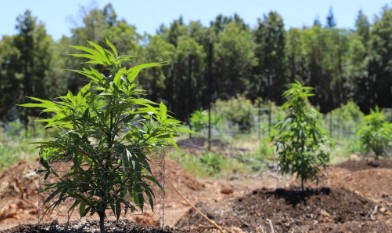
Photoperiod Change
- Light Schedule: 12/12 (12 hours light, 12 hours dark)
- Red Spectrum Dominance: 630–660 nm light spectrum promotes flower initiation
Environmental Conditions
- Temperature: Day: 20–26°C (68–79°F), Night: 18–22°C (64–72°F)
- Humidity: 45–55% (reduce to 40% in last 2 weeks)
- VPD: 1.2–1.6 kPa
Flower Development Notes
- OG Cheese forms dense, resin-rich colas that require airflow and spacing.
- Aroma intensifies rapidly—install carbon filters or ozone generators.
Nutrient Adjustments
- Transition Week (Week 6): Gradually reduce nitrogen, increase P and K
- Mid-Flower (Weeks 7–8): Bloom formula (e.g., 1-2-3 NPK ratio)
- Late Flower (Weeks 9–10): Add PK boosters (e.g., monopotassium phosphate)
- Flush: Final 10–14 days with pure water or enzymatic flush (EC < 0.5)
Micronutrient Balance
- Monitor for magnesium or calcium deficiencies under LED lighting
- Supplement with Cal-Mag if using RO water or coco coir
Harvest Timing and Techniques
OG Cheese typically finishes flowering in 8–10 weeks. Use multiple indicators for accurate harvest timing:
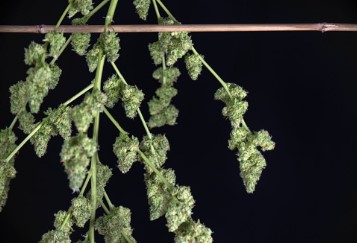
Trichome Development
- Cloudy trichomes = peak THC
- Amber trichomes = more sedative, CBN-rich profile
Use a jeweler’s loupe or digital microscope for precision.
Pistil Color
- When 70–90% of pistils darken and curl inwards, the plant is near peak maturity.
Harvest Method
- Whole plant vs. branch-by-branch harvesting
- Wet trim recommended to prevent bud rot
- Dry slowly at 18–20°C and 50–60% RH over 7–14 days
Post-Harvest: Curing
Proper curing stabilizes cannabinoids and enhances OG Cheese’s terpene profile.
Method
- Place trimmed buds in airtight jars
- Store in a cool, dark space
- Open daily for the first 1–2 weeks (“burping”)
- Total curing time: 3–8 weeks
Ideal storage conditions:
- Temperature: 16–20°C (60–68°F)
- RH: 58–62%
Curing minimizes chlorophyll flavor, enhances limonene, myrcene, and caryophyllene expression, and maximizes OG Cheese’s full aromatic and medicinal potential.
Yield and Potency Optimization
Expected Yields
- Indoor: 400–500 g/m²
- Outdoor: 500–600 g/plant (Mediterranean climate preferred)
Potency Optimization Techniques
- UV-B light exposure (280–315 nm) in final weeks may enhance THC content.
- Supplement with potassium silicate for stem strength and trichome support.
- Proper stress (e.g., low defoliation, temperature drops) during late flower may enhance anthocyanins and terpene output without harming yield.
Common Cultivation Challenges
Odor Control
- OG Cheese has one of the strongest smells during flowering.
- Use carbon filters, negative pressure systems, and air scrubbers.
Mold and Bud Rot
- Monitor relative humidity closely
- Increase airflow with oscillating fans
- Space out colas during SCROG to prevent dense clusters
Nutrient Burn
- OG Cheese may be sensitive to overfeeding in early flower
- Watch for burnt tips and adjust EC levels accordingly
Pest and Disease Resistance
OG Cheese has moderate pest and mold resistance, but still requires vigilance.
Common Threats
- Spider mites and thrips (especially indoors)
- Powdery mildew in high humidity
- Bud rot in late flower if airflow is inadequate
Integrated Pest Management (IPM)
- Neem oil or potassium bicarbonate in veg
- Spider mite management with predatory mites (Phytoseiulus persimilis)
- Sulfur burners for powdery mildew prevention (only in early veg)
Cultivation Summary Table
| Parameter | Optimal Range/Technique |
|---|---|
| Light Intensity (Veg) | 400–600 μmol/m²/s |
| Light Intensity (Flower) | 600–900 μmol/m²/s |
| pH Range | Soil: 6.0–6.5, Hydro: 5.8–6.2 |
| EC (Veg → Flower) | 1.2–2.2 mS/cm |
| Humidity (Veg → Late Flower) | 70% → 40% |
| Temperature Range | 20–27°C (flower), ~18°C at night |
| Flowering Time | 8–10 weeks |
| Training | SCROG, Topping, LST |
| Mold Risk | Medium–High (monitor dense flowers) |
| Nutrient Type | Organic or synthetic; avoid overfeeding |
Scientific Insights and Research Support
A. Cannabinoid Research
Research on high-THC strains like OG Cheese shows efficacy in:
- Neuropathic pain relief: Clinical trials have consistently demonstrated THC’s value in chronic pain conditions.
- Appetite stimulation: THC modulates hypothalamic ghrelin signaling.
- Mood stabilization: THC and limonene interact with the dopaminergic and serotonergic systems, contributing to mood elevation.
B. Terpene Studies
Emerging research suggests:
- Myrcene acts synergistically with THC to enhance sedative effects.
- Caryophyllene shows promise as a dietary cannabinoid, with anti-inflammatory potential via CB2 activation.
- Linalool and limonene are under investigation for anxiolytic effects without sedation.
These findings help validate anecdotal reports regarding OG Cheese’s calming and pain-relieving qualities.
Ideal User Profiles
Medical Users
- Patients with chronic pain who require potent analgesia
- Individuals with insomnia or mood instability
- Cancer patients needing appetite support and nausea control
Recreational Users
- Seasoned consumers looking for a distinct flavor profile
- Evening consumers looking for relaxation and mental unwinding
- Creative individuals interested in enhanced perception and mood lift
Comparative Strains
OG Cheese is often compared to:
- UK Cheese: Less sedating, more cerebral
- OG Kush: Heavier body load, less pronounced aroma
- Blue Cheese: Sweeter taste, more indica-leaning
- Chemdawg: Stronger cerebral intensity, less cheese flavor
OG Cheese is considered a balanced middle-ground between psychoactive euphoria and physical relaxation.
Conclusion
OG Cheese stands out as a unique hybrid strain that delivers both therapeutic and recreational excellence. With a potent cannabinoid-terpene matrix, its benefits span pain relief, mood enhancement, appetite stimulation, and deep physical relaxation. Though it requires some cultivation skill, its yield and effects make it a rewarding choice for growers and consumers alike.
Whether for managing complex chronic conditions or simply seeking a memorable high with a funky flavor, OG Cheese continues to earn its place among connoisseurs and medical patients worldwide.
For a complete directory of cultivars, visit our Cannabis Strain Reviews.
