Table of Contents
OG #18 is a highly regarded Indica-dominant hybrid that belongs to the OG Kush family. This strain has gained significant popularity due to its potent effects, high THC levels, and distinct flavor profile. OG #18 has won multiple cannabis awards, including the High Times Cannabis Cup, for its exceptional quality and medicinal value. This guide explores its genetic makeup, effects, medical and recreational benefits, and growing considerations.
Genetic Background
OG #18 is a phenotype of the legendary OG Kush strain, selectively bred to enhance certain characteristics. This strain is roughly 70% Indica and 30% Sativa, making it primarily sedative but with a slight cerebral influence. It was developed by DNA Genetics and quickly became a favorite among cannabis enthusiasts and medical users.
Parent Strains
- OG Kush: Known for its potent and euphoric high, OG Kush is a staple in the cannabis community. It boasts a complex terpene profile with earthy, citrus, and fuel-like undertones.
- OG #18 Phenotype Selection: The breeders at DNA Genetics selected OG #18 for its increased potency, stronger aroma, and heavier resin production compared to standard OG Kush.
Appearance, Aroma, and Flavor Profile
Appearance
OG #18 is visually striking, producing dense, compact buds that are covered in a thick layer of white trichomes. The buds are bright green with deep orange pistils winding through the structure. The plant itself exhibits typical Indica growth patterns, with a short and bushy stature.
Aroma
OG #18 has a pungent aroma dominated by diesel, citrus, and earthy notes. When broken apart, the buds release an intense fuel-like scent mixed with hints of pine and lemon. The strong odor makes it easily recognizable among other strains.
Flavor
The flavor of OG #18 mirrors its aroma, providing a rich and smooth smoking experience. Users report a blend of diesel, pine, and citrus, followed by a slightly sweet, kushy aftertaste. The terpene profile contributes to its complex taste, making it a favorite among connoisseurs.
THC and CBD Content
OG #18 is known for its high THC content, typically ranging from 20% to 24%, making it one of the stronger strains available. This potency contributes to its powerful effects and long-lasting high.
- THC Levels: 20% – 24%
- CBD Levels: Usually less than 1%, making it a strain with minimal CBD influence.
- Other Cannabinoids: Small traces of CBN and CBG may be present, contributing to its relaxing properties.
Effects and Recreational Uses
Onset and Duration
OG #18 has a slow-building high that starts with a cerebral buzz before transitioning into deep body relaxation. The effects typically last 2 to 3 hours depending on dosage and individual tolerance.
Recreational Effects
- Euphoria: Users report a feeling of happiness and mental upliftment.
- Relaxation: Strong body effects that melt away stress and tension.
- Couch-Lock: At higher doses, OG #18 induces a heavy, sedative effect ideal for unwinding in the evening.
- Mild Creativity Boost: While predominantly sedative, some users experience a temporary increase in creative thinking before full relaxation sets in.
Ideal Recreational Scenarios
- Evening and Nighttime Use: Due to its sedative effects, OG #18 is best suited for nighttime use.
- Watching Movies or Listening to Music: The euphoric high pairs well with relaxed activities.
- Unwinding After a Long Day: Ideal for relieving stress and tension after work.
Medical Benefits
OG #18 is a high-THC, Indica-dominant hybrid known for its powerful analgesic, sedative, and anti-inflammatory properties. The strain’s therapeutic effects are primarily attributed to its cannabinoid and terpene profile, which interact with the endocannabinoid system (ECS) to modulate pain, mood, inflammation, and other physiological processes. Below is a detailed, science-backed exploration of OG #18’s medical applications.
Pain Management and Analgesic Properties
Chronic Pain Relief
OG #18’s high THC content (20-24%) makes it an effective analgesic, as THC binds to the central nervous system uses CB1 receptors to control how much pain is felt.
- Scientific Mechanism: THC activates the descending pain modulation pathway, inhibiting pain signals from reaching the brain.
- Best for:
- Neuropathic pain (caused by nerve damage, such as in multiple sclerosis and sciatica).
- Inflammatory pain (arthritis, fibromyalgia, and migraines).
- Post-surgical pain (helps reduce opioid dependence).
Muscle Relaxation and Spasm Reduction
OG #18’s muscle-relaxant properties make it beneficial for conditions associated with muscle spasticity and involuntary contractions.
- Mechanism: THC and β-caryophyllene interact with the GABAergic system, promoting muscle relaxation and reducing involuntary spasms.
- Conditions Treated:
- Multiple sclerosis (MS) – reduces muscle spasticity.
- Cerebral palsy – improves motor control and decreases stiffness.
- Fibromyalgia – alleviates widespread muscle pain.
Neurological and Psychological Benefits
Anxiety and Stress Reduction
OG #18’s terpene-rich profile contains limonene and myrcene, which contribute to its anxiolytic effects.
- Scientific Mechanism: Limonene inhibits excessive cortisol production, preventing stress-induced neural damage.
- Conditions Treated:
- Generalized anxiety disorder (GAD) – reduces excessive worry and agitation.
- Post-traumatic stress disorder (PTSD) – helps alleviate hypervigilance and intrusive thoughts.
- Social anxiety disorder (SAD) – promotes relaxation in social settings.
Antidepressant Effects
- THC and CBD modulate serotonin release, influencing mood regulation.
- Best for:
- Major depressive disorder (MDD) – enhances dopamine activity.
- Bipolar disorder – stabilizes mood swings (in combination with medical supervision).
Sleep Disorders and Insomnia
OG #18 is highly sedative due to its strong Indica-dominant genetics, making it ideal for treating insomnia and sleep disturbances.
- Mechanism: THC increases adenosine levels, promoting sleep onset.
- Caryophyllene and myrcene induce sedation by enhancing GABA receptor activation.
- Conditions Treated:
- Primary insomnia – aids in falling asleep faster.
- Sleep apnea – may reduce airway obstruction via muscle relaxation.
Inflammation and Autoimmune Disorders
OG #18 has strong anti-inflammatory properties due to its interaction with CB2 receptors, which regulate immune function.
Arthritis and Joint Pain
- THC and β-caryophyllene reduce pro-inflammatory cytokines such as TNF-α and IL-6.
- Best for:
- Rheumatoid arthritis (RA) – reduces joint swelling.
- Osteoarthritis (OA) – improves mobility by decreasing stiffness.
Inflammatory Bowel Diseases (IBD) and Gastrointestinal Disorders
OG #18 can help manage Crohn’s disease and ulcerative colitis by reducing gut inflammation.
- Mechanism: THC modulates the gut-brain axis, reducing visceral hypersensitivity.
- Best for:
- IBS (Irritable Bowel Syndrome) – relieves abdominal pain.
- GERD (Gastroesophageal Reflux Disease) – may reduce esophageal inflammation.
Appetite Stimulation and Cancer-Related Benefits
Appetite Stimulation and Cachexia
OG #18 is known for inducing “the munchies,” making it useful for individuals suffering from appetite loss due to medical conditions.
- Mechanism: THC activates CB1 receptors in the hypothalamus, increasing ghrelin secretion (hunger hormone).
- Best for:
- Cancer patients undergoing chemotherapy – counteracts nausea and vomiting.
- HIV/AIDS patients – prevents wasting syndrome.
Anticancer Potential
Recent studies suggest that THC and CBD induce apoptosis (programmed cell death) in cancer cells.
- β-caryophyllene modulates NF-kB pathways, which regulate tumor growth.
- Cannabinoids may enhance the effectiveness of traditional chemotherapy while reducing side effects.
Neurological Disorders and Neuroprotection
Epilepsy and Seizure Disorders
Although CBD is more commonly used for epilepsy, OG #18’s THC-CBD synergy provides additional anticonvulsant benefits.
- Mechanism: THC and limonene inhibit hyperexcitable neurons, reducing seizure frequency.
- Best for:
- Dravet syndrome (in combination with CBD therapy).
- Lennox-Gastaut syndrome – improves seizure control.
Parkinson’s Disease and Neurodegenerative Conditions
- THC and CBG act as neuroprotectants, reducing oxidative stress in the brain.
- Myrcene enhances dopamine receptor function, which can help with Parkinson’s-related tremors.
- Potential benefits for Alzheimer’s patients include slowing down β-amyloid plaque formation.
Potential Risks and Considerations
While OG #18 provides numerous therapeutic benefits, it is not suitable for everyone. Below are risk factors to consider:
- Paranoia and Anxiety: High THC levels may exacerbate anxiety in THC-sensitive individuals.
- Memory Impairment: Temporary cognitive decline due to THC’s effect on hippocampal neurons.
- Blood Pressure Fluctuations: May cause hypotension (low blood pressure) in some users.
- Contraindications: Should be avoided by individuals prone to schizophrenia or psychosis due to potential dopamine dysregulation.
Scientific and Terpene Profile
OG #18 has a complex terpene profile that contributes to its effects, flavor, and aroma. The most dominant terpenes include:
Primary Terpenes
- Myrcene: Promotes relaxation and sedation.
- Limonene: Provides a citrus aroma and has mood-enhancing effects.
- Caryophyllene: Known for its anti-inflammatory and pain-relieving properties.
Entourage Effect
The combination of THC, minor cannabinoids, and terpenes creates a synergistic effect that enhances the strain’s overall therapeutic benefits.
Growing OG #18 Cannabis Strain
Cultivating OG #18 requires a thorough understanding of plant biology, environmental conditions, nutrient management, and stress training techniques. Below is an in-depth analysis of the scientific methods used to optimize the yield, potency, and overall health of OG #18 plants.
Environmental Requirements for OG #18 Cultivation
OG #18 thrives best in controlled environments where temperature, humidity, and light exposure can be precisely managed.

Temperature Control
- Optimal Range: 70-80°F (21-27°C)
- Vegetative Phase: 72-78°F (22-25°C) to encourage healthy foliage growth.
- Flowering Phase: 68-75°F (20-24°C) to optimize trichome production and prevent heat stress.
- Nighttime Temperature: A 5-10°F drop at night enhances anthocyanin production, which may result in slight purple hues in the buds.
Humidity Management
- Seedling Stage: 65-70% RH (Relative Humidity) to promote strong root growth.
- Vegetative Stage: 50-60% RH to maintain steady transpiration and nutrient uptake.
- Flowering Stage: 40-50% RH to prevent mold, mildew, and bud rot.
- Late Flowering: 30-40% RH for enhanced resin and terpene production.
Light Spectrum and Photoperiod Control
- Vegetative Growth: 18-24 hours of light per day using full-spectrum LEDs or Metal Halide (MH) bulbs.
- Flowering Phase: 12 hours of light, 12 hours of darkness to trigger bud production. High-Pressure Sodium (HPS) or LED grow lights work best.
- PPFD (Photosynthetic Photon Flux Density): 700-1000 µmol/m²/s ensures optimal photosynthesis efficiency.
OG #18 Cultivation Techniques
Soil vs. Hydroponic Growing
OG #18 can be successfully cultivated using soil-based or hydroponic systems, each with its own advantages.
Soil Cultivation
- Best for: Organic, terpene-rich growth.
- Recommended Soil: Loamy, well-aerated, pH-balanced (6.0-6.5).
- Amendments: Worm castings, bat guano, perlite, and biochar enhance soil fertility.
- Microbial Support: Mycorrhizal fungi and beneficial bacteria (e.g., Bacillus subtilis) improve nutrient uptake and root health.
Hydroponic Cultivation
- Best for: Maximum yield and controlled nutrient absorption.
- Common Methods: Deep Water Culture (DWC), Nutrient Film Technique (NFT), or Drip Irrigation.
- pH Level: Maintain between 5.5-6.0 for optimal nutrient solubility.
- EC (Electrical Conductivity): 1.0-2.0 mS/cm depending on growth stage.
Nutrient and Fertilizer Management
OG #18 requires precise macronutrient and micronutrient levels at different growth stages.
Macronutrients (N-P-K) Needs
- Vegetative Stage: Higher nitrogen (N) ratio for foliage development.
- Recommended N-P-K: 3-1-2 or 4-2-3.
- Flowering Stage: Increased phosphorus (P) and potassium (K) for bud development.
- Recommended N-P-K: 1-3-2 or 0-5-5 in late flowering.
Micronutrients
- Calcium (Ca): Prevents bud rot and strengthens plant cell walls.
- Magnesium (Mg): Aids chlorophyll production for efficient photosynthesis.
- Sulfur (S): Enhances terpene and flavonoid synthesis for improved aroma.
Organic Alternatives:
- Vegetative Growth: Fish emulsion, compost tea.
- Flowering Stage: Bone meal, kelp extract, molasses for carbohydrate support.
Stress Training for Maximum Yield
To increase OG #18’s yield potential, growers use stress training techniques that manipulate plant structure and hormone distribution.
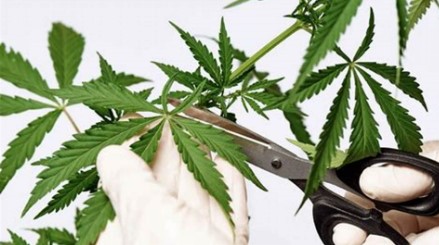
Low-Stress Training (LST)
- Bending and tying branches horizontally allows more light penetration to lower bud sites.
- Helps maximize photosynthesis efficiency and bud production without stunting growth.
High-Stress Training (HST)
- Topping: Cutting the main stem to encourage multiple colas instead of a single dominant one.
- Fimming: Partial removal of new growth tips results in bushier plant growth.
- Super Cropping: Intentionally bending stems (without breaking) to enhance nutrient flow and increase bud density.
Screen of Green (ScrOG)
- Mesh screen used to guide horizontal growth, allowing even light distribution.
- Increases overall bud uniformity and maximizes yield per square foot.
Flowering and Harvesting OG #18
Flowering Duration and Growth Characteristics
- OG #18 takes 8-9 weeks to fully flower indoors.
- Buds are dense, resin-coated, and exude a strong diesel-pine aroma.
- Outdoor growers should harvest around late September to early October.
Trichome Maturity and Harvest Timing
- Clear Trichomes: Immature, THC levels still developing.
- Milky Trichomes: Peak potency, ideal for a strong euphoric high.
- Amber Trichomes: More sedative effects, preferred for pain relief.
Harvesting Techniques
- Hand-trimming vs. Machine-trimming: Hand-trimmed buds retain more terpenes.
- Drying Conditions: 60-70°F (15-21°C), 50-55% humidity, in total darkness for 7-10 days.
- Curing Process: Store buds in airtight glass jars at 60-65% humidity, burping jars daily for to improve taste and strength, wait two to four weeks.

Pest and Disease Management
OG #18 is resistant to some pests but requires preventative measures to ensure optimal plant health.
Common Pests
- Spider Mites: Controlled with neem oil or predatory mites (Phytoseiulus persimilis).
- Aphids: Use ladybugs or insecticidal soap.
- Fungus Gnats: Use sticky traps and appropriate drainage to avoid this.
Common Diseases
- Powdery Mildew: Maintain airflow, apply sulfur-based sprays.
- Root Rot: Avoid overwatering, use beneficial fungi like Trichoderma.
- Bud Rot: Keep humidity under 50% during flowering, ensure proper airflow.
Potential Side Effects
Like any potent cannabis strain, OG #18 has some potential side effects, including:
- Dry Mouth and Dry Eyes: Common with high-THC strains.
- Dizziness: Possible in inexperienced users or when taken in large doses.
- Paranoia or Anxiety: Can occur at very high doses, particularly in THC-sensitive individuals.
Conclusion
OG #18 is a powerhouse strain with potent relaxing effects, making it a staple for medical patients and recreational users alike. With its high THC levels, rich terpene profile, and award-winning quality, it remains one of the most sought-after OG Kush phenotypes in the cannabis industry. Whether for pain relief, stress reduction, or pure relaxation, OG #18 offers a well-rounded cannabis experience that caters to a wide range of needs.
For a complete directory of cultivars, visit our Cannabis Strain Reviews.
