Table of Contents
NY-47 is a renowned hybrid cannabis strain celebrated for its balanced effects, distinct aroma, and robust therapeutic benefits. Combining the genetics of New York City Diesel (NYC Diesel) and AK-47, this strain offers a potent and complex experience that is favored by both medical and recreational users. With a reputation for delivering uplifting euphoria alongside relaxing physical effects, NY-47 has become a staple in the cannabis community. This detailed guide explores its genetic origins, chemical composition, medical applications, recreational uses, and optimal cultivation techniques.
1. Genetic Background
NY-47 is a balanced hybrid that results from crossing New York City Diesel (NYC Diesel) and AK-47, two legendary strains known for their potency and distinct effects.
- NYC Diesel: A Sativa-dominant strain with citrus and fuel-like aromas, providing energetic and cerebral stimulation.
- AK-47: A hybrid strain known for its strong THC content and ability to induce relaxation while maintaining mental clarity.
The result of this genetic combination is a well-balanced hybrid that carries the euphoric uplift of a Sativa while also offering the relaxation associated with Indica strains. The strain typically exhibits a 60% Sativa / 40% Indica genetic profile, making it appropriate for both daytime and nighttime use.
2. Appearance, Aroma, and Flavor Profile
Appearance
NY-47 plants are visually striking, featuring dense, medium-to-large-sized buds covered in a thick layer of frosty trichomes. The buds are typically bright green with orange and reddish pistils woven throughout. Some phenotypes may also display purple hues when exposed to cooler temperatures during cultivation.
Aroma
NY-47 has a distinctive and pungent terpene profile, blending the citrus and diesel notes from NYC Diesel with the earthy and spicy aroma of AK-47. The dominant scents include:
- Citrus (Limonene): Bright, zesty orange and grapefruit aromas.
- Diesel (Myrcene & Caryophyllene): A strong fuel-like scent characteristic of NYC Diesel.
- Earthy and Spicy Notes: A subtle peppery and herbal undertone due to AK-47’s influence.
Flavor
When consumed, NY-47 delivers a smooth and rich flavor profile. The initial taste is often sweet and citrusy, with grapefruit and orange-like flavors. As the smoke lingers, it transitions into more earthy, woody, and spicy notes, with a noticeable diesel aftertaste.
3. THC and CBD Content
NY-47 is known for its high THC content, ranging from 20% to 25%, making it a potent strain suitable for experienced users. The CBD content is typically below 1%, meaning the effects are driven primarily by THC and the entourage effect created by terpenes and minor cannabinoids.
Terpene Profile
The primary terpenes found in NY-47 contribute to both its effects and therapeutic benefits:
- Limonene (Citrus) – Elevates mood, relieves stress, and has potential anti-anxiety properties.
- Myrcene (Earthy, Musky) – Known for sedative and pain-relieving effects.
- Caryophyllene (Spicy, Peppery) – Anti-inflammatory and may help with chronic pain relief.
- Pinene (Pine) – Aids in focus and may counteract THC-induced memory impairment.
4. Medical Uses of NY-47 Cannabis Strain
NY-47 is a hybrid strain (60% Sativa / 40% Indica) that offers a high THC concentration (20-25%) with low CBD content (<1%). Its therapeutic effects are primarily due to cannabinoid interactions, terpene synergy, and the entourage effect. Below is a scientific breakdown of NY-47’s medical applications, backed by cannabinoid research and neuropharmacological studies.
Pain Management and Anti-Inflammatory Effects
How NY-47 Alleviates Pain
NY-47 is effective in treating various pain conditions, thanks to its high THC content and key terpenes such as Caryophyllene, Myrcene, and Pinene.
Scientific Mechanism:
- THC’s Role in Pain Reduction:
- Activates CB1 receptors in the central nervous system (CNS), modulating pain perception.
- Inhibits nociceptive signaling in the spinal cord, reducing the sensation of pain.
- Enhances dopamine release, contributing to a reduced pain response.
- Caryophyllene’s Anti-Inflammatory Action:
- Acts as a CB2 receptor agonist, reducing systemic inflammation.
- Helps with arthritis, autoimmune disorders, and nerve pain.
- Myrcene’s Sedative and Muscle Relaxant Effects:
- Provides analgesic (pain-relieving) effects by increasing opioid receptor affinity.
- Reduces muscle tension and cramps.
Medical Conditions Treated:
Chronic Pain (Fibromyalgia, Neuropathy, Back Pain)
Arthritis & Joint Pain
Migraines & Cluster Headaches
Muscle Spasms (Multiple Sclerosis, ALS, Cerebral Palsy)
Neurological and Psychological Benefits
A. Anxiety and Stress Reduction
NY-47’s balanced effects make it suitable for treating generalized anxiety disorder (GAD), social anxiety, and PTSD.
Scientific Mechanism:
- Limonene’s Anxiolytic Effects
- Enhances serotonin (5-HT1A) receptor activity, reducing stress.
- Elevates GABA levels, promoting relaxation without sedation.
- THC’s Short-Term Anti-Anxiety Effect
- At low doses, THC reduces cortisol (stress hormone) and induces calmness.
- Caution: High doses may increase anxiety due to overactivation of the amygdala.
B. Depression Management
NY-47 helps stimulate dopamine release, promoting euphoria and motivation.
Scientific Mechanism:
- THC enhances mesolimbic dopamine system activity, reducing symptoms of depression.
- Pinene improves cognitive function and prevents memory loss.
Medical Conditions Treated:
Anxiety Disorders (GAD, PTSD, Panic Disorder)
Depression & Mood Disorders
ADHD (Attention Deficit Hyperactivity Disorder) – Enhances Focus
Appetite Stimulation & Digestive Health
NY-47 is highly effective in stimulating appetite and reducing nausea, making it valuable for cancer patients and individuals with gastrointestinal disorders.
Scientific Mechanism:
- THC as an Appetite Stimulator
- Activates CB1 receptors in the hypothalamus, triggering hunger signals.
- Inhibits nausea-inducing neurotransmitters, such as serotonin in the gut.
- Caryophyllene’s Gastroprotective Effects
- Reduces gastrointestinal inflammation.
- Helps with conditions like Crohn’s disease and IBS.
Medical Conditions Treated:
Cachexia (Severe Weight Loss from Chronic Illnesses)
Chemotherapy-Induced Nausea & Vomiting (CINV)
Irritable Bowel Syndrome (IBS) & Crohn’s Disease
Sleep Disorders & Insomnia Treatment
NY-47 is not as sedative as heavy Indica strains, but in higher doses, it can improve sleep onset and depth.
Scientific Mechanism:
- THC’s Sleep-Promoting Effects
- Reduces REM sleep latency, decreasing nightmares (useful for PTSD).
- Increases slow-wave sleep (SWS), improving sleep quality.
- Myrcene’s Sedative Properties
- Enhances GABAergic transmission, promoting muscle relaxation and sleep induction.
Medical Conditions Treated:
Insomnia & Sleep Disorders
PTSD-Related Nightmares
Restless Leg Syndrome (RLS)
Neuroprotective Effects and Potential for Neurodegenerative Diseases
NY-47’s cannabinoids show potential in protecting brain cells from neurodegenerative conditions.
Scientific Mechanism:
- THC’s Role in Neuroprotection
- Reduces oxidative stress in brain cells.
- Lowers neuroinflammation, preventing cognitive decline.
- Pinene’s Memory-Enhancing Effects
- Counteracts THC-induced short-term memory loss.
- Helps with Alzheimer’s disease and age-related cognitive decline.
Medical Conditions Treated:
Alzheimer’s Disease & Dementia Prevention
Multiple Sclerosis (MS) – Reduces Spasticity
Parkinson’s Disease – Eases Tremors
Immune System Modulation
NY-47 has immunomodulatory properties, making it beneficial for autoimmune conditions.
Scientific Mechanism:
- Caryophyllene’s CB2 Activation
- Reduces overactive immune responses in autoimmune disorders.
- Decreases pro-inflammatory cytokines (IL-6, TNF-α).
- THC’s Role in Immune Function
- Suppresses excessive immune activity in conditions like lupus, multiple sclerosis, and Crohn’s disease.
Medical Conditions Treated:
Autoimmune Disorders (Lupus, Multiple Sclerosis, Rheumatoid Arthritis)
Chronic Inflammation & Fibromyalgia
Potential Risks & Contraindications
1. Mental Health Risks (Anxiety & Psychosis)
- High doses of THC may trigger paranoia, anxiety, or hallucinations in susceptible individuals (e.g., those with schizophrenia).
- Solution: Low-dose use or CBD co-administration to counteract THC overstimulation.
2. Cardiovascular Concerns
- THC increases heart rate and may not be suitable for individuals with hypertension or arrhythmias.
- Solution: Monitor blood pressure and cardiovascular response.
3. Cognitive Effects
Solution: Pinene supplementation helps counteract cognitive impairment.
High THC consumption may impair short-term memory, particularly in younger users (<25 years old).
5. Recreational Uses of NY-47 Cannabis Strain
Euphoria and Mood Enhancement
NY-47 is a popular choice for recreational users seeking a happy, uplifting high. The strain induces feelings of euphoria, making it ideal for social settings, artistic pursuits, or just relaxing after a long day.
Increased Creativity
Many users report enhanced creative thinking and problem-solving abilities after consuming NY-47. The Sativa influence provides cerebral stimulation that encourages brainstorming and artistic expression.
Balanced High for Socializing
Unlike heavy Indicas that may lead to couch-lock, NY-47 allows users to engage in conversations and social interactions while maintaining relaxation. This makes it an excellent choice for gatherings and social activities.
Relaxation without Sedation
While NY-47 provides deep relaxation, it does not induce overwhelming lethargy, allowing users to remain functional while enjoying a calm and mellow high.
6. Cultivation of NY-47 Cannabis Strain
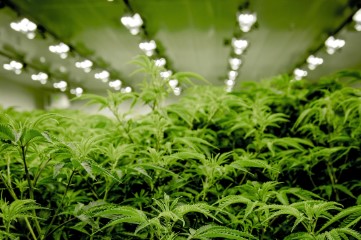
Cultivating NY-47 successfully requires a deep understanding of plant biology, environmental controls, nutrient uptake, and genetic optimization. This guide provides scientific insights into advanced cultivation methods, ensuring high-yield, potent, and terpene-rich cannabis plants.
Understanding the Growth Cycle of NY-47
NY-47, a hybrid strain (60% Sativa, 40% Indica), has a moderate flowering time (8-10 weeks) and a growth structure that responds well to advanced training techniques.
The cannabis growth cycle consists of four primary stages:
- Germination (3-10 days) – Seeds sprout into seedlings.
- Vegetative Phase (4-6 weeks) – Rapid growth; focus on leaf and branch development.
- Flowering Phase (8-10 weeks) – Bud formation; high light sensitivity.
- Harvest & Curing (2-4 weeks post-harvest) – Drying and curing to enhance potency and flavor.
Each phase requires specific environmental conditions, nutrient ratios, and light cycles for optimal growth.
Indoor vs. Outdoor Cultivation
A. Indoor Cultivation (Controlled Environment)
Indoor cultivation provides precise control over environmental factors, optimizing THC production, terpene expression, and yield.
Key Environmental Conditions
| Factor | Optimal Range for NY-47 |
|---|---|
| Temperature (Day) | 70°F – 80°F (21°C – 27°C) |
| Temperature (Night) | 60°F – 70°F (16°C – 21°C) |
| Humidity (Vegetative) | 50% – 70% |
| Humidity (Flowering) | 40% – 50% |
| CO₂ Levels | 1000 – 1500 PPM |
| Light Cycle (Veg) | 18 hours light / 6 hours dark |
| Light Cycle (Flowering) | 12 hours light / 12 hours dark |
Lighting
- Best Type: Full-Spectrum LED Lights (or HPS for flowering)
- PPFD (Photosynthetic Photon Flux Density): 600-900 μmol/m²/s
- DLI (Daily Light Integral): 35-45 mol/m²/day
Using LEDs maximizes light efficiency, reduces heat stress, and enhances terpene production.
Hydroponics vs. Soil
| Method | Advantages | Disadvantages |
|---|---|---|
| Hydroponics | Faster growth, higher yield, efficient nutrient uptake | Requires monitoring, more technical |
| Soil (Organic) | Rich terpene profile, natural microbial support | Slower growth, lower yield |
For NY-47, deep water culture (DWC) hydroponics or coco coir ensures faster vegetative growth, while living soil enhances terpene complexity.
B. Outdoor Cultivation (Natural Environment)
NY-47 thrives in a Mediterranean-like climate with plenty of sunlight.
Optimal Outdoor Conditions
- Temperature Range: 70°F – 85°F (21°C – 29°C)
- Sunlight Exposure: 8-12 hours daily
- Ideal Soil Composition: Loamy, well-draining, pH 6.0 – 6.5
- Harvest Time: Late September – Early October
Natural sunlight improves cannabinoid expression, but outdoor plants are more susceptible to pests and mold.
Advanced Training Techniques for NY-47
A. Low-Stress Training (LST)
- Tying and bending branches to produce a uniform canopy.
- Improves light exposure and maximizes bud sites.
B. High-Stress Training (HST)
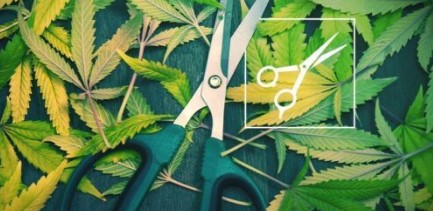
- Topping (Cutting main stem) – Encourages bushier growth.
- Supercropping (Crushing stems gently) – Enhances nutrient flow.
C. Screen of Green (ScrOG)
- Uses a mesh screen to spread out plant branches.
- Ensures even light distribution, resulting in higher yield and resin production.
D. Sea of Green (SOG)
- Grows multiple small plants close together.
- Reduces vegetative time and maximizes space efficiency.
Each method influences cannabinoid content, yield, and flowering efficiency.
Nutrient Management
NY-47 is a high-yielding hybrid that requires a precise nutrient balance.
Macronutrient Requirements (N-P-K Ratios)
| Growth Stage | Nitrogen (N) | Phosphorus (P) | Potassium (K) |
|---|---|---|---|
| Seedling | Low | Low | Low |
| Vegetative | High (4-2-3) | Medium | Medium |
| Early Flowering | Medium (2-3-4) | High | High |
| Late Flowering | Low (1-4-5) | High | Very High |
Micronutrients Needed:
- Calcium (Ca) – Prevents bud rot.
- Magnesium (Mg) – Enhances chlorophyll production.
- Zinc (Zn) & Iron (Fe) – Aids enzyme activation.
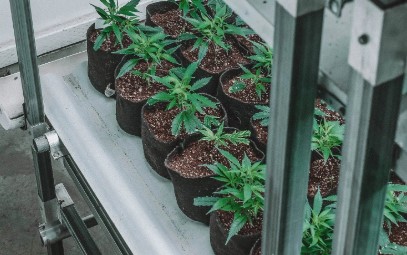
Using compost teas, humic acids, and beneficial microbes supports healthy root systems and terpene development.
Pest & Disease Control
Common Pests Affecting NY-47
| Pest | Prevention | Treatment |
|---|---|---|
| Spider Mites | Maintain airflow, lower humidity | Neem oil, predator mites |
| Aphids | Companion planting (Basil, Marigold) | Insecticidal soap |
| Powdery Mildew | Keep humidity <50% | Sulfur spray, H2O2 solution |
Integrated Pest Management (IPM) using biological predators (e.g., ladybugs) and natural deterrents minimizes pesticide use.
Maximizing Cannabinoid and Terpene Production
A. Light Spectrum Influence
- UV-B Exposure (280-315 nm) boosts THC production.
- Far-Red Light (730 nm) speeds up flowering initiation.
B. Stress Techniques for Increased Resin Production
- Temperature Fluctuation – Slightly cooler nights enhance anthocyanin (purple pigment) expression.
- Drought Stressing – Controlled water deprivation triggers resin production.
- Cold Shock Before Harvest – Exposing plants to cold temperatures increases trichome density.
Harvesting, Drying, and Curing
A. Harvesting Indicators
- Trichomes turn milky-white (~70%) with some amber (~30%).
- Pistils darken and curl inward.
B. Drying Process
- Temperature: 60°F – 70°F (16°C – 21°C)
- Humidity: 50-60%
- Time: 7-14 days
- Airflow: Moderate (to prevent mold)
C. Curing (Enhances Flavor & Potency)
- Place dried buds in glass jars (not plastic).
- Open jars once daily for the first 2 weeks.
- Store at 60% RH for optimal terpene preservation.
- Cure for 4-6 weeks for maximum potency and smoothness.
Proper curing prevents degradation of THC into CBN, maintaining psychoactive effects.
Conclusion
NY-47 is a versatile hybrid strain with a rich genetic lineage, offering both therapeutic and recreational benefits. With its balanced Sativa and Indica effects, it is suitable for managing pain, anxiety, fatigue, and appetite loss while providing an uplifting yet calming high. Whether used for medical relief or recreational enjoyment, NY-47 remains a highly sought-after strain in the cannabis community, thanks to its distinctive flavor, potent effects, and ease of cultivation.
For a complete directory of cultivars, visit our Cannabis Strain Reviews.
