Nutrient Retention and Delivery in Different Growing Mediums for Medical Cannabis Cultivation
Introduction
Medical cannabis cultivation requires precision and consistency to produce high-quality products that meet specific therapeutic standards. Nutrient retention and delivery are fundamental to achieving robust plant growth, optimal cannabinoid levels, and medicinal-grade cannabis. The choice of growing medium plays a crucial role in determining how well nutrients are retained, delivered, and utilized by cannabis plants. Growing mediums, including soil-based, soilless, and hydroponic systems, each have unique properties that affect nutrient availability, water retention, and root health, ultimately influencing the medicinal quality of the cannabis produced.
This in-depth analysis explores how different growing mediums manage nutrient retention and delivery, highlighting their suitability for medical cannabis cultivation. Key considerations include the mechanisms by which nutrients are retained and delivered, the role of microbial interactions, and best practices for optimizing each medium to support the specific requirements of medical cannabis.
Core Principles of Nutrient Retention and Delivery
- Nutrient Retention Capacity:
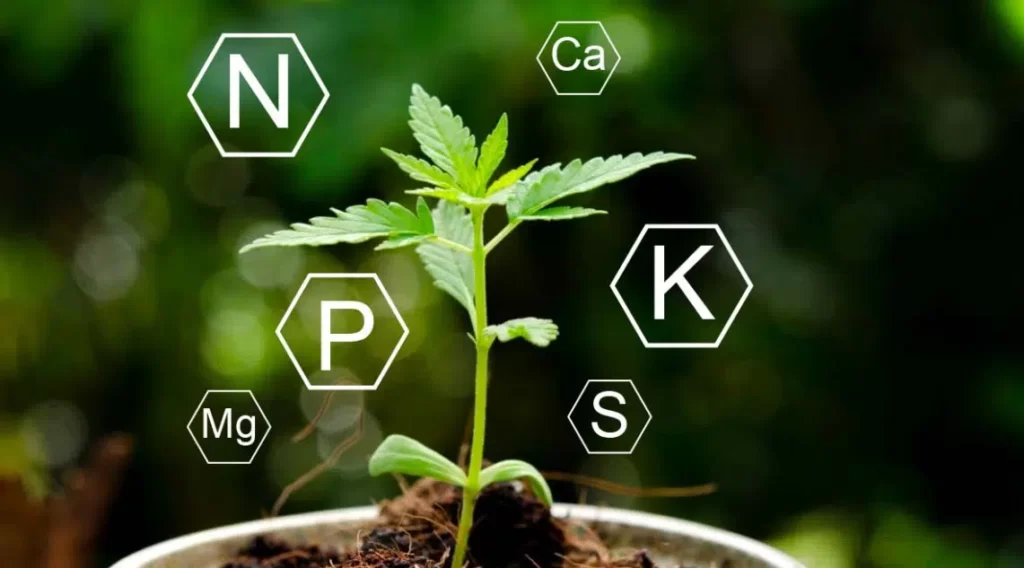
- Cation Exchange Capacity (CEC): This is the medium’s ability to hold onto essential nutrient ions, particularly cations like potassium (K+), calcium (Ca2+), and magnesium (Mg2+). A medium with high CEC can retain nutrients for gradual release to the plant, while a low CEC medium might necessitate frequent fertilization. CEC is pivotal for mediums intended for medical cannabis as it ensures nutrients are available in precise amounts, reducing the likelihood of nutrient deficiencies or toxicities that can alter cannabinoid profiles.
- Water-Holding Capacity: The water retention of a growing medium influences nutrient availability. For instance, a medium that retains too much water can lead to nutrient leaching and anaerobic conditions, causing nutrient lockout. On the other hand, a medium with low water retention may require more frequent watering and nutrient application to avoid drought stress and nutrient shortages.
- Nutrient Delivery Mechanisms:
- Diffusion: This process involves nutrients moving through the medium from areas of high concentration to lower concentration, gradually reaching the root system. Diffusion is especially relevant in soil-based systems, where nutrients adsorbed onto particles or held by microbial activity are released into the root zone as concentrations shift.
- Mass Flow: In hydroponic systems, nutrients are dissolved in water, moving to plant roots with each watering cycle. This enables precise nutrient control and immediate uptake, which is ideal for medical cannabis, where consistent and controlled nutrient delivery can support stable cannabinoid and terpene levels.
- Root Interception: Cannabis roots actively grow towards nutrient-rich areas in the medium. In systems like soil and coco coir, where diffusion is slower, root interception plays a key role in nutrient acquisition, allowing the plant to access a wider range of nutrients over time.
Soil-Based Growing Mediums for Medical Cannabis
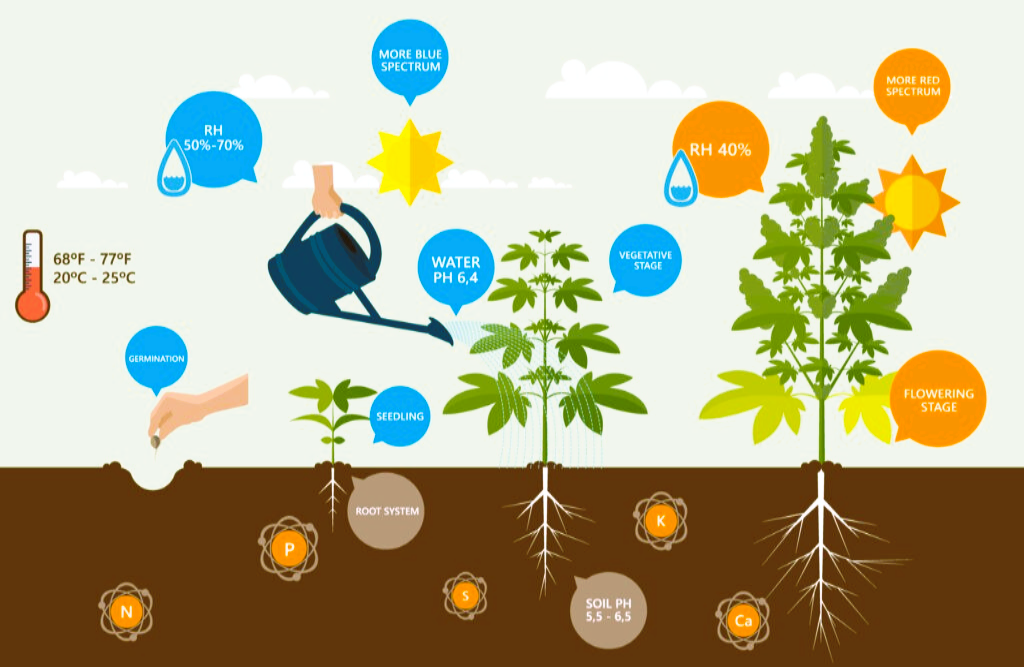
Soil remains a primary choice in cannabis cultivation due to its ability to naturally retain nutrients and provide a supportive environment for root growth. For medical cannabis, soil’s organic properties and microbial interactions offer additional benefits, as they can enhance secondary metabolite production, contributing to the plant’s medicinal properties.
- Characteristics of Soil as a Growing Medium:
- Nutrient Retention: Soils rich in clay or organic matter have high CEC, retaining critical macronutrients (nitrogen, phosphorus, potassium) and micronutrients (iron, manganese, boron) that cannabis requires. Organic compounds in soil, like humic and fulvic acids, improve nutrient availability, allowing roots to absorb them gradually, which is beneficial for medical cannabis where stable nutrient delivery is critical.
- Microbial Interactions: In the soil’s nutrient cycle, beneficial microorganisms including phosphate-solubilizing bacteria, nitrogen-fixing bacteria, and mycorrhizal fungi are essential. These microbes break down organic matter, making nutrients more available to the plant and promoting root health. For medical cannabis, this microbial activity can enhance the plant’s stress resistance, potentially increasing cannabinoid and terpene synthesis.
- Water Management: The soil structure impacts how well it retains water. Loam soil, for example, has a balanced texture, which allows it to hold moisture without waterlogging. Maintaining nutrient availability and avoiding root infections depend on this equilibrium.
- Challenges of Soil in Medical Cannabis Cultivation:
- pH Management: Soil pH affects nutrient solubility and availability. Cannabis typically thrives in a slightly acidic soil environment (pH 6.0-7.0). However, fluctuations in pH—caused by water quality, fertilizers, or organic amendments—can lead to nutrient lockout. Regular pH testing and amendments (such as lime or sulfur) are necessary to maintain an optimal pH balance for medical cannabis.
- Nutrient Lockout and Salinity: The repeated addition of fertilizers or the use of water with high mineral content can lead to a buildup of salts in the soil. High salinity can cause nutrient lockout, where roots are unable to absorb nutrients, which can stunt growth or reduce medicinal potency. Periodic flushing with clean water can help prevent salt buildup and maintain nutrient availability.
- Optimizing Soil for Medical Cannabis:
- Amendments: Adding organic matter like compost, worm castings, and bat guano improves the soil’s structure, increases CEC, and provides a slow-release nutrient source. These amendments also foster a thriving microbial environment, supporting long-term soil health.
- Mulching and Top-Dressing: Applying organic mulch around the base of the plant helps retain moisture and gradually releases nutrients into the soil. Top-dressing with nutrient-rich organic matter further sustains plant growth throughout the cultivation cycle, making it an effective strategy in outdoor medical cannabis production.
Soilless Growing Mediums: Coco Coir, Peat, and Perlite
Soilless mediums are increasingly popular in indoor and greenhouse medical cannabis cultivation due to their predictability, sterility, and control over nutrient delivery. These mediums allow cultivators to create custom nutrient programs to meet the specific requirements of cannabis at various growth stages, a major advantage in medicinal cultivation.
- Coco Coir:
- Nutrient Retention: Coco coir has a high CEC, allowing it to retain potassium, calcium, and magnesium efficiently, though it tends to hold onto calcium and magnesium excessively, requiring supplementation to prevent deficiencies. Its ability to release potassium slowly supports the development of cannabinoids and terpenes critical to medical cannabis.
- Water Retention and Aeration: Coco coir retains water well while providing ample aeration, preventing waterlogging and ensuring that roots receive adequate oxygen. This balance promotes root health and nutrient uptake, which are essential for consistent cannabinoid profiles.
- pH Stability: Coco coir has a natural pH range of 5.5 to 6.5, aligning with cannabis requirements, although occasional pH adjustments are necessary to ensure optimal nutrient absorption.
- Peat Moss:
- Acidity and Nutrient Management: Peat moss is inherently acidic, with a pH range of 3.0 to 4.5. For cannabis, the pH must be adjusted by adding lime to raise the pH to an optimal range of 6.0 to 6.5. Peat retains moisture well, but its high water retention can lead to anaerobic conditions if not mixed with aeration-promoting materials.
- Moisture Control: Peat’s ability to hold moisture is beneficial, but it can become waterlogged without proper drainage, leading to root issues. A blend of peat and perlite helps balance water retention and aeration, providing a stable growing environment for medical cannabis.
- Perlite:
- Structure and Aeration: Perlite has little nutrient retention capability but provides excellent aeration and drainage, making it an ideal additive for coco or peat-based mediums. Its inert nature ensures that nutrient delivery can be tightly controlled, which is advantageous for precision-based medical cannabis cultivation.
- Inert Composition: Since perlite does not contribute nutrients, it relies entirely on nutrient-rich water or fertilizer application. This allows for exact nutrient management, critical for maximizing the therapeutic quality of cannabis.
- Optimizing Soilless Mediums for Medical Cannabis:
- Mixing coco coir and perlite in a 70:30 ratio provides high water retention and aeration, supporting optimal root development and nutrient uptake.
- Supplementing with calcium and magnesium and adjusting pH ensures nutrient balance and maximizes growth potential.
Hydroponic Systems: Precision in Nutrient Delivery
Hydroponics, where nutrients are dissolved in water and delivered directly to the plant’s roots, offers unmatched control over nutrient management. This precision is crucial in medical cannabis cultivation, where consistent nutrient levels directly influence cannabinoid and terpene profiles.
- Types of Hydroponic Systems:
- Deep Water Culture (DWC): Roots are suspended in nutrient-rich, oxygenated water, providing continuous access to nutrients and water. This system is effective for medical cannabis as it supports rapid growth and high cannabinoid levels.
- Nutrient Film Technique (NFT): A thin film of nutrient solution flows over the roots, enabling efficient nutrient absorption and oxygenation. NFT is highly effective for cannabis but requires diligent monitoring to avoid nutrient imbalances.
- Drip Systems: Nutrients are delivered in controlled drips to individual plants, offering precision and adaptability, especially beneficial for managing different nutrient requirements across cannabis growth stages.
- Nutrient Retention and Efficiency in Hydroponics:
- Direct Nutrient Availability: Hydroponic systems bypass soil, making nutrients immediately available to the roots. This enables precise control, reducing waste and supporting the specific cannabinoid profiles needed for medical applications.
- Efficient Usage: Nutrients are provided in exact amounts, minimizing waste and environmental impact. However, the lack of buffering in hydroponics necessitates close monitoring to prevent nutrient toxicity or deficiency.
- Challenges: pH and electrical conductivity (EC) levels must be constantly monitored, as imbalances directly impact nutrient absorption, potentially altering the plant’s medicinal properties.
- Nutrient Solutions:
- Tailored Nutrient Formulas: For medical cannabis, nutrient solutions can be adjusted based on growth stage and cannabinoid production goals. For example, during vegetative growth, a high-nitrogen formula supports foliage, while in flowering, phosphorus and potassium enhance bud development and cannabinoid synthesis.
- Organic vs. Synthetic Nutrients: While synthetic nutrients offer precise control, organic nutrients may enhance terpene profiles, which can contribute to the therapeutic efficacy of cannabis products.
Advanced Growing Methods: Aeroponics and Aquaponics
Aeroponics and aquaponics are innovative growing techniques that combine high-efficiency nutrient delivery with environmental sustainability.
- Aeroponics:
- Nutrient Delivery: Roots have instant access to oxygen and nutrients since they are suspended in the air and misted with nutritional solutions. This method supports rapid growth and high cannabinoid production, ideal for medical cannabis.
- Resource Efficiency: Aeroponics minimizes water and nutrient use, making it eco-friendly. However, it requires precise equipment maintenance, as failures can cause rapid plant dehydration.
- Aquaponics:
- Symbiotic Nutrient Source: Fish waste in aquaponics provides a natural nutrient source, creating a balanced profile for cannabis. This organic nutrient source can enhance terpene and cannabinoid synthesis, benefiting the medicinal quality of cannabis.
- Environmental Sustainability: Aquaponics is self-sustaining, reducing reliance on synthetic fertilizers. However, balancing fish health with plant growth requires expertise.
Restrictions on Growing and Using Cannabis in the Medical Field as a Last Resort

In the medical field, cannabis use is subject to stringent regulations, especially when prescribed as a last-resort treatment. While research has demonstrated the therapeutic potential of cannabis, particularly in pain management, epilepsy, and palliative care, governments and health authorities worldwide have established strict guidelines to ensure its safe and responsible use. These regulations aim to maximize medical benefits while minimizing the risks associated with psychoactive compounds, particularly tetrahydrocannabinol (THC), which is known for its mind-altering effects.
Controlled Growth and Cultivation Standards
Cultivating medical cannabis is regulated to maintain consistency, safety, and potency in the final products. Medical-grade cannabis cultivation facilities must adhere to stringent guidelines regarding production, including the genetic consistency of cannabis strains, controlled growing conditions, and the prevention of contamination from pesticides, heavy metals, or microbial agents. In many countries, licenses for medical cannabis cultivation are limited and closely monitored, and cultivators must follow Good Agricultural and Collection Practices (GACP) and Good Manufacturing Practices (GMP).
Cannabis grown for medical purposes is often subject to inspection by regulatory bodies to ensure that it meets the specific cannabinoid profile required for therapeutic purposes. Strict protocols in growing and harvesting help standardize cannabinoid concentrations, which is critical for medicines to have predictable and safe effects on patients.
Restricting Medical Use as a Last Resort
Medical cannabis is typically restricted to cases where other treatment options have proven ineffective. Health authorities may mandate that cannabis be prescribed only after conventional medications and therapies have been tried and shown inadequate. This last-resort approach underscores the importance of using cannabis responsibly and judiciously in the medical field, reserving it for patients who have exhausted other treatment options and still suffer from conditions like chronic pain, intractable epilepsy, or severe nausea related to chemotherapy.
This restriction reduces the likelihood of patients developing a dependence on cannabis, helping to preserve its medical efficacy for those who truly need it. Additionally, medical cannabis is often prescribed by specialized physicians with expertise in cannabinoid-based therapy to ensure responsible and informed use.
Monitoring THC Levels to Minimize Psychoactive Effects
To reduce the psychoactive side effects of THC while still providing therapeutic benefits, medical cannabis products are subject to strict THC content limits. The main psychoactive ingredient in cannabis, THC, is what changes perception and may affect cognitive function. Therefore, formulations for medical use are often high in cannabidiol (CBD), a non-psychoactive cannabinoid, and low in THC. CBD has shown promising therapeutic effects and can also modulate the psychoactive impact of THC, providing symptom relief without impairing the patient’s mental clarity or daily functioning.
Authorities in many jurisdictions set upper limits on the permissible THC content in medical cannabis products. For example, some regions require that THC levels in cannabis oil or other medications not exceed a certain threshold (e.g., 0.3% to 1%) to ensure minimal psychoactive effects. Furthermore, products with higher THC concentrations may only be prescribed in tightly controlled doses and under close medical supervision, with periodic evaluations to monitor efficacy and side effects.
Patient Monitoring and Psychoactive Risk Management
Regular monitoring of patients using medical cannabis is essential to adjust doses, prevent psychoactive effects, and ensure therapeutic efficacy. Healthcare providers may conduct periodic assessments of cognitive function, psychological well-being, and symptom improvement to evaluate the impact of THC and CBD. This monitoring helps identify any adverse reactions early, allowing for dose adjustments or alternative treatments if necessary.
Medical cannabis treatments may also incorporate time-released or targeted delivery mechanisms to maintain steady cannabinoid levels, avoiding THC spikes that could lead to psychoactive effects. Additionally, education on proper usage and the risks of THC helps patients understand the importance of following prescribed dosages to mitigate psychoactive risk.
Conclusion
The cultivation, regulation, and application of medical cannabis require a nuanced and tightly controlled approach to ensure patient safety, therapeutic efficacy, and compliance with legal standards. Medical cannabis presents significant potential benefits for patients suffering from severe, treatment-resistant conditions, but it also comes with challenges that demand careful management. By examining nutrient retention and delivery in growing mediums, imposing restrictions on medical cannabis use as a last-resort treatment, and closely monitoring THC levels to minimize psychoactive effects, a comprehensive framework emerges for the responsible use of cannabis in the medical field.
Optimal nutrient retention and delivery are fundamental to producing consistent, high-quality medical cannabis. Different growing mediums—soil, soilless, hydroponic, and advanced systems like aeroponics and aquaponics—offer unique advantages and challenges. Soil-based systems provide beneficial microbial interactions and a natural nutrient profile, while hydroponic and aeroponic systems offer precise nutrient control, making them suitable for producing medicinal-grade cannabis with predictable cannabinoid levels. Each medium’s unique properties can influence cannabinoid and terpene profiles, highlighting the importance of choosing the right growing conditions to meet therapeutic needs.
In the medical field, cannabis is typically reserved for cases where conventional treatments have failed, underscoring its role as a last-resort therapy. This restriction emphasizes the importance of safe and controlled use, targeting patients who genuinely need its therapeutic benefits. Medical cannabis satisfies strict requirements for quality, potency, and purity thanks to specialized growing licenses and compliance with Good Manufacturing Practices (GMP) and Good Agricultural and Collection Practices (GACP). In order to avoid abuse and preserve medical cannabis’ credibility as a valid therapeutic choice, these rules are crucial.
Finally, to mitigate potential psychoactive effects, medical cannabis products are subject to strict THC content limits and thorough patient monitoring protocols. By prioritizing high-CBD, low-THC formulations and employing consistent dosing and regular patient assessments, healthcare providers can minimize THC’s psychoactive impact, ensuring that patients receive effective treatment without cognitive impairment. Additionally, patient education on the importance of following prescribed doses reinforces safe usage and adherence to treatment protocols.
In summary, the responsible use of medical cannabis requires a coordinated effort across cultivation, regulation, and clinical application. Through controlled growth conditions, restrictive last-resort policies, and careful monitoring of psychoactive compounds, medical cannabis can be effectively integrated into the healthcare field. This approach maximizes cannabis’s therapeutic potential, minimizes risks, and provides patients with safe, evidence-based treatment options for challenging medical conditions.
