Nutrient Management in Medical Cannabis Cultivation: A Comprehensive Guide
Medical cannabis cultivation requires a delicate balance of factors to ensure optimal growth, potency, and yield. Nutrient management is one of the most important factors in achieving this equilibrium. Proper nutrition ensures that the cannabis plant has all the essential components to support its growth, resistance to diseases, and production of beneficial cannabinoids like CBD and THC, which are integral to its therapeutic benefits. This guide will cover the fundamentals of nutrient management for medical cannabis, detailing the key nutrients, their functions, how to apply them, and strategies for managing deficiencies and toxicities.
Table of Contents
- Understanding the Nutrient Needs of Medical Cannabis
- Macronutrients
- Micronutrients
- pH and Its Role in Nutrient Uptake
- The Nutrient Life Cycle of Cannabis
- Seedling Stage
- Vegetative Stage
- Flowering Stage
- Nutrient Delivery Systems
- Soil-Based Systems
- Hydroponic Systems
- Aeroponic Systems
- Choosing the Right Nutrients for Medical Cannabis
- Organic vs Synthetic Nutrients
- Pre-made Nutrient Formulas vs DIY Nutrient Solutions
- Monitoring and Managing Nutrient Levels
- Soil Testing and pH Monitoring
- Electrical Conductivity (EC) and Total Dissolved Solids (TDS) Monitoring
- Nutrient Deficiencies and Toxicities
- Signs, Symptoms, and Solutions
- Best Practices for Nutrient Management in Medical Cannabis
- Balancing Nutrients Throughout Growth Stages
- Managing Nutrient Waste and Environmental Impact
- Case Studies: Successful Nutrient Management in Medical Cannabis Cultivation
- Indoor vs Outdoor Grows
- Strain-Specific Nutrient Needs
1. Understanding the Nutrient Needs of Medical Cannabis
Macronutrients
Medical cannabis requires several macronutrients that serve as the foundation for its growth and development:
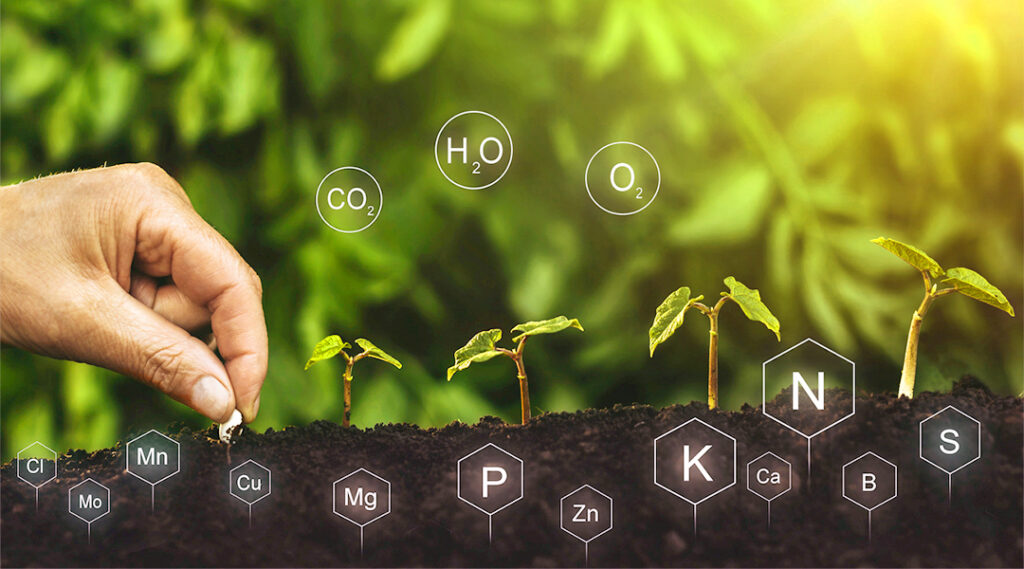
- Nitrogen (N): Essential for leaf and stem development, nitrogen is a critical nutrient during the vegetative phase of cannabis growth. It is responsible for chlorophyll production and overall plant vigor.
- Phosphorus (P): This nutrient plays a vital role in energy transfer within the plant. It supports root growth, flower development, and the production of cannabinoids and terpenes.
- Potassium (K): Potassium is involved in water regulation, enzyme activation, and disease resistance. It is crucial during both the vegetative and flowering stages for improving plant strength and ensuring healthy bud development.
Micronutrients
Micronutrients are equally as vital as macronutrients, even though they are needed in lesser amounts. These include:
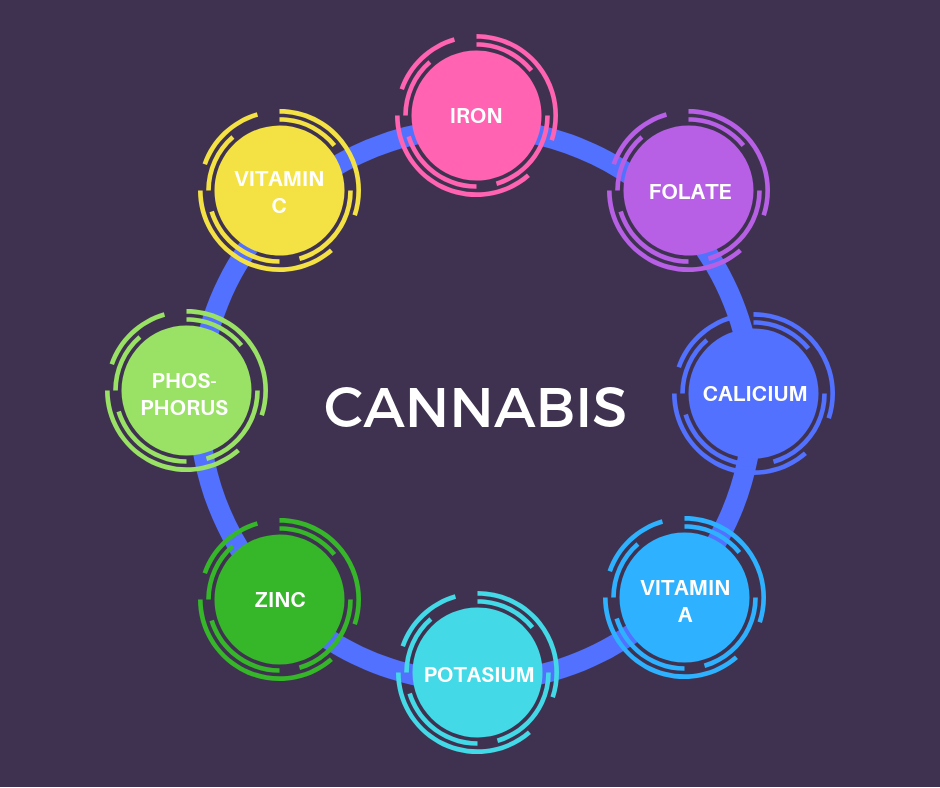
- Calcium (Ca): Supports cell wall strength and root development.
- Magnesium (Mg): Essential to the synthesis of chlorophyll and photosynthesis.
- Sulfur (S): Plays a role in enzyme function and protein synthesis.
- Iron (Fe), Manganese (Mn), Zinc (Zn), Copper (Cu), and Boron (B): These elements are involved in various enzymatic and metabolic processes within the plant.
pH and Its Role in Nutrient Uptake
To provide the best possible nutrition absorption, the pH must be maintained. The optimal pH range for medical cannabis is normally 5.5–6.5 in hydroponic systems and 6.0–7.0 in soil. Even though the nutrients are present in the growing media, nutrient lockout—a condition in which the plant is unable to absorb specific nutrients—can happen outside of these ranges and cause shortages.
2. The Nutrient Life Cycle of Cannabis
Seedling Stage
During the seedling stage, the plant has minimal nutrient needs. Too much fertilization can cause nutrient burn and stunt growth. At this stage, the focus should be on providing a light, balanced nutrient solution with a slight emphasis on phosphorus to encourage root development.
- Nutrient Focus: Phosphorus and low levels of nitrogen.
- pH Range: 6.0–6.5 (soil), 5.5–6.0 (hydroponic).
Vegetative Stage
The vegetative stage marks a period of rapid growth, where the cannabis plant develops its leaves and stems. During this phase, nitrogen is the most important nutrient, as it supports the production of chlorophyll and promotes vigorous foliage growth. Phosphorus and potassium should also be included to support root and overall plant strength.
- Nutrient Focus: High nitrogen, moderate phosphorus, and potassium.
- pH Range: 6.0–7.0 (soil), 5.5–6.5 (hydroponic).
Flowering Stage
As the plant transitions to the flowering stage, its nutrient needs shift dramatically. Nitrogen levels should be reduced, while phosphorus and potassium become more important. These nutrients support the development of buds and enhance cannabinoid and terpene production, which are critical for medical applications.
- Nutrient Focus: Low nitrogen, high phosphorus and potassium.
- pH Range: 6.0–7.0 (soil), 5.5–6.5 (hydroponic).
3. Nutrient Delivery Systems
Soil-Based Systems
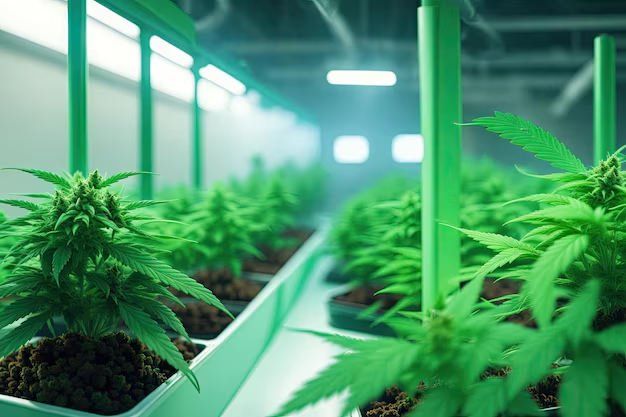
In soil-based systems, the soil itself can provide many of the essential nutrients cannabis needs. However, growers often supplement the soil with additional fertilizers to optimize growth. Organic matter, such as compost or worm castings, can be incorporated into the soil to provide a slow-release nutrient source.
- Benefits: Easy to manage and beginner-friendly.
- Challenges: pH fluctuations and nutrient lockout can occur if not carefully monitored.
Hydroponic Systems
The exact control over fertilizer distribution made possible by hydroponics. Nutrients are dissolved in water and given straight to the roots of the plants in these systems. Although this strategy delivers larger yields and faster development, it necessitates careful monitoring of water quality, pH, and nutrient levels.
- Benefits: Faster growth, higher yields, and efficient nutrient use.
- Challenges: Requires precise monitoring and control to avoid nutrient imbalances.
Aeroponic Systems
Aeroponics is a more advanced cultivation method where the plant’s roots are suspended in the air and misted with a nutrient solution. This facilitates optimal root oxygenation and effective uptake of nutrients. While aeroponics can produce exceptional growth rates, it also requires meticulous management.
- Benefits: Rapid growth, efficient use of water and nutrients.
- Challenges: Expensive setup and high maintenance requirements.
4. Choosing the Right Nutrients for Medical Cannabis
Organic vs Synthetic Nutrients
When cultivating medical cannabis, the choice between organic and synthetic nutrients depends on the grower’s goals and preferences:
- Organic Nutrients: Derived from natural sources such as compost, animal manure, and bone meal, organic nutrients support long-term soil health and are considered more environmentally friendly. However, they may not deliver nutrients as quickly or precisely as synthetic alternatives.
- Synthetic Nutrients: Manufactured in laboratories, synthetic nutrients provide immediate, targeted nutrition to the plant. They allow for greater control over nutrient levels but can lead to a buildup of salts in the growing medium, potentially harming plant health if not managed properly.
Pre-made Nutrient Formulas vs DIY Nutrient Solutions
- Pre-made Nutrient Formulas: Many nutrient brands offer pre-formulated solutions specifically designed for cannabis cultivation. These products simplify nutrient management but can be costly.
- DIY Nutrient Solutions: For experienced growers, mixing custom nutrient solutions can be an economical and flexible approach. This allows for tailoring nutrient ratios to the specific strain and growth stage of the cannabis plant.
5. Monitoring and Managing Nutrient Levels
Soil Testing and pH Monitoring
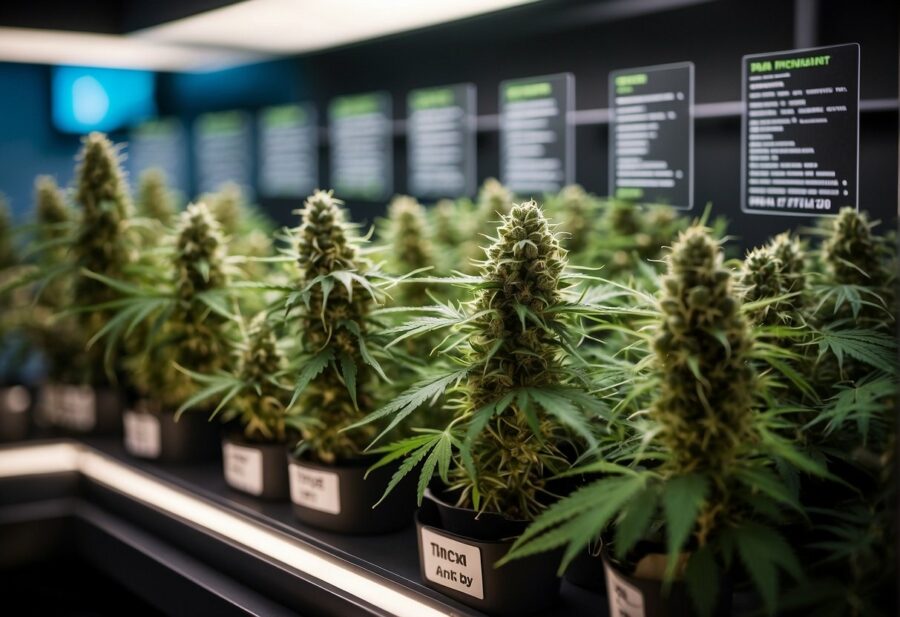
Maintaining the ideal pH balance and nutrient levels requires routine soil testing. Growers can use soil test kits to measure pH, nutrient levels, and organic matter content. If growing in hydroponics, it is crucial to regularly test the water solution for pH and nutrient concentrations.
Electrical Conductivity (EC) and Total Dissolved Solids (TDS) Monitoring
Electrical conductivity (EC) and total dissolved solids (TDS) measurements help growers monitor the concentration of nutrients in their water solution. Keeping EC and TDS levels within the appropriate range ensures that the plant receives sufficient nutrients without the risk of nutrient burn.
- Ideal EC Range: 1.2–2.0 for most stages of cannabis growth.
- Ideal TDS Range: 800–1600 ppm, depending on the growth stage.
6. Nutrient Deficiencies and Toxicities
Nutrient imbalances can lead to several issues in medical cannabis plants, from stunted growth to reduced cannabinoid production. Maintaining the health of plants requires an understanding of the symptoms of toxicity and nutritional shortages.
Common Nutrient Deficiencies
- Nitrogen Deficiency: Yellowing leaves, slow growth.
- Phosphorus Deficiency: Purple stems, stunted root growth, small flowers.
- Potassium Deficiency: Leaf burn, brown spots, curling leaf edges.
- Calcium Deficiency: Crinkled, deformed leaves.
- Magnesium Deficiency: Yellowing between leaf veins.
Common Nutrient Toxicities
- Nitrogen Toxicity: Dark green leaves, weak stems, slow bud development.
- Phosphorus Toxicity: Nutrient lockout, stunted growth.
- Potassium Toxicity: Yellowing leaf edges, reduced nutrient uptake of other elements.
7. Best Practices for Nutrient Management in Medical Cannabis
Balancing Nutrients Throughout Growth Stages
Adjusting nutrient ratios based on the plant’s life cycle is crucial for achieving optimal results. Poor growth and lower levels of cannabinoids might result from providing too little or too much of a certain nutrient at the incorrect time.
Managing Nutrient Waste and Environmental Impact
Medical cannabis growers must consider the environmental impact of their nutrient management practices. Local ecosystems may be harmed by nutrient runoff resulting from over fertilization. Implementing nutrient recycling techniques and using organic fertilizers can help mitigate these issues.
8. Case Studies: Successful Nutrient Management in Medical Cannabis Cultivation
Indoor vs Outdoor Grows
- Indoor Cultivation: Indoor medical cannabis cultivation allows for complete control over environmental factors, including nutrient delivery. However, because there aren’t any native soil microbes, it needs to be closely watched to avoid nutrient imbalances.
- Outdoor Cultivation: Outdoor grows benefit from natural soil ecosystems that assist in nutrient cycling. However, outdoor growers must account for variable environmental conditions and may need to supplement their soil with additional nutrients.
Strain-Specific Nutrient Needs
Some cannabis strains have unique nutrient needs, particularly those bred for high cannabinoid content or specific medical applications. For example, CBD-rich strains may require different nutrient balances than THC-dominant varieties to optimize their therapeutic potential.
Restrictions on Medical Cannabis Use:
- Legal Approval: Many countries and regions allow medical cannabis use only under specific circumstances, often requiring a prescription from a certified physician. It’s typically restricted to patients with chronic conditions such as cancer, epilepsy, or multiple sclerosis.
- As a Last Resort: Medical cannabis is often prescribed when conventional treatments do not provide sufficient relief. Physicians are typically required to exhaust other treatment options before recommending cannabis-based therapies.
- Strict Monitoring and Reporting: In many jurisdictions, healthcare providers must report the use of medical cannabis to regulatory authorities to ensure compliance with legal guidelines.
Monitoring THC Levels:
- THC Limits in Medical Products: Many countries regulate the THC content in medical cannabis products to minimize the risk of psychoactive effects. For example, in certain regions, medical cannabis must have a low THC content (usually below 0.2–1%).
- Lab Testing for Purity: Medical cannabis products undergo rigorous lab testing to monitor THC levels and ensure consistency. This helps prevent unintended psychoactive effects in patients, especially those sensitive to THC.
- Patient Monitoring: Patients using medical cannabis are often closely monitored by healthcare providers to observe any potential side effects, including cognitive or psychological changes, particularly related to THC’s psychoactive properties.
Conclusion
The growing acceptance of cannabis for medical purposes has led to significant advancements in both cultivation techniques and the development of cannabinoid-based therapies. However, with these advancements come critical considerations, including nutrient management in cannabis cultivation, restrictions on its medical use, and the need for careful monitoring of THC levels to prevent unwanted psychoactive effects.
Nutrient Management in Medical Cannabis Cultivation
Nutrient management is a cornerstone of successful medical cannabis cultivation. The plant’s nutrient needs evolve throughout its life cycle, requiring a balanced supply of both macronutrients and micronutrients. During the seedling stage, medical cannabis requires minimal nutrition, with an emphasis on phosphorus for root development. As the plant transitions into the vegetative phase, nitrogen takes precedence to promote healthy leaf and stem growth. In the flowering stage, nitrogen levels must be reduced, while phosphorus and potassium become critical for bud development and cannabinoid production.
The delivery systems for nutrients can vary, with soil-based, hydroponic, and aeroponic systems offering different levels of control and efficiency. While soil-based systems are beginner-friendly and provide natural buffering, hydroponics allows for precise control of nutrient levels, leading to faster growth and higher yields. Aeroponics, though more advanced, maximizes oxygenation and nutrient absorption but demands meticulous attention.
Whether to use organic or synthetic nutrients also depends on the grower’s goals. Organic nutrients promote long-term soil health and sustainability, while synthetic nutrients offer immediate, targeted nutrition, albeit with the risk of salt buildup and nutrient lockout. Monitoring soil pH, electrical conductivity (EC), and total dissolved solids (TDS) ensures that the plants receive the right nutrients at the right time, preventing deficiencies and toxicities.
Nutrient imbalances can severely affect the quality and yield of medical cannabis. For example, nitrogen deficiency leads to yellowing leaves and stunted growth, while phosphorus toxicity can cause nutrient lockout, reducing cannabinoid production. Therefore, constant monitoring and adjustment are essential for cultivating high-quality medical cannabis, particularly strains that are rich in therapeutic cannabinoids like CBD.
Restrictions on Medical Cannabis Use
The medical use of cannabis is heavily regulated across the world, often reserved for patients with chronic, debilitating conditions where traditional therapies have failed. Medical cannabis is typically considered a treatment of last resort, and it is only prescribed after thorough evaluation and the exhaustion of conventional treatments. Conditions such as cancer, epilepsy, multiple sclerosis, and severe chronic pain are among the most common reasons for the prescription of medical cannabis.
However, the legal framework for medical cannabis remains stringent. In most jurisdictions, only registered and licensed healthcare providers can prescribe medical cannabis, and its use is closely monitored. Medical cannabis is typically restricted to specific forms, such as oils, capsules, or vaporizers, with strict limitations on the types and concentrations of cannabinoids allowed. These restrictions help mitigate the risks associated with cannabis use, particularly the psychoactive effects of THC.
Monitoring THC Levels in Medical Cannabis
One of the key concerns in the medical use of cannabis is the psychoactive effect of THC, which can cause cognitive impairment, anxiety, and other unwanted side effects, particularly in patients who are sensitive to the compound. Therefore, many countries enforce strict regulations on the THC content in medical cannabis products. For instance, in Europe and parts of North America, medical cannabis products are often limited to low levels of THC, typically below 0.2% to 1%, to prevent psychoactive effects while still providing therapeutic benefits.
To ensure patient safety, medical cannabis products undergo rigorous testing for purity and cannabinoid content. Lab analysis of cannabis extracts helps maintain consistency in THC levels, ensuring that patients receive the appropriate dose for their medical condition without the risk of psychoactive effects. Healthcare providers also play a crucial role in monitoring patients who use medical cannabis, regularly assessing their response to treatment and adjusting dosages to minimize side effects.
Integrating Nutrient Management and Legal Compliance
For medical cannabis cultivation to meet the stringent demands of the medical field, growers must integrate effective nutrient management practices with compliance to regulatory standards. Strain-specific nutrient needs must be addressed to ensure optimal cannabinoid production, particularly in strains bred for high CBD content or other therapeutic cannabinoids. Meanwhile, growers must adhere to legal restrictions regarding THC content, ensuring that their products meet medical-grade purity and potency standards.
The rise of hydroponic and aeroponic systems offers new opportunities for maximizing yield and cannabinoid concentration in controlled environments. However, these advanced systems require precise nutrient management and monitoring, as even minor imbalances can lead to nutrient lockout or toxicity, affecting both plant health and cannabinoid levels. At the same time, organic growing practices remain popular in the medical cannabis industry due to their sustainability and reduced environmental impact, particularly when coupled with nutrient recycling techniques.
Final Thoughts
Nutrient management, regulatory restrictions, and THC monitoring are essential elements in the medical cannabis industry, ensuring that the plants not only thrive but also meet the stringent requirements of medical-grade cannabis. As the demand for medical cannabis continues to grow, both cultivators and healthcare providers must work closely to optimize cultivation practices and maintain strict adherence to legal standards. The future of medical cannabis depends on the balance between these critical factors, ensuring that patients receive safe, effective, and reliable treatments tailored to their specific medical needs.
