Table of Contents
Northern Wreck is an exceptionally potent Indica-dominant hybrid known for its deeply relaxing effects, high THC content, and unique blend of earthy, pine, and citrus aromas. As a cross between two legendary strains, Northern Lights and Trainwreck, Northern Wreck offers a well-balanced mix of sedative relaxation and mild cerebral stimulation, making it a favored choice among medical and recreational cannabis users alike. This guide provides an in-depth look into the strain’s genetic background, effects, medical applications, recreational benefits, cultivation requirements, and scientific insights into its composition.

1. Genetic Background
Northern Wreck is an Indica-dominant hybrid with a composition of approximately 80% Indica and 20% Sativa. It inherits its calming and euphoric effects primarily from Northern Lights, one of the most well-known pure Indica strains. The other parent, Trainwreck, contributes subtle Sativa-like cerebral stimulation while enhancing the strain’s potency and resin production.
Lineage and History
- Northern Lights: A landrace Afghani Indica known for its intense relaxation, pain relief, and ability to promote restful sleep.
- Trainwreck: A hybrid with Mexican and Thai Sativa genetics, providing uplifting and mood-enhancing effects, contributing to Northern Wreck’s mental stimulation.
The combination of these two powerhouses results in Northern Wreck, a strain with a high THC content and a broad spectrum of effects suitable for both medical and recreational purposes.
2. Appearance, Aroma, and Flavor Profile
Appearance
Northern Wreck produces dense, compact buds covered in a thick layer of frosty trichomes. The deep green foliage is often accented with purple hues, particularly when exposed to colder temperatures during cultivation. The buds are sticky and resinous, indicative of their high THC content.
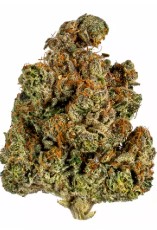
Aroma
The strain’s aromatic profile is robust, featuring:
- Earthy and pine notes reminiscent of a dense forest.
- Citrus and lemon undertones, giving it a slightly refreshing scent.
- Spicy and herbal nuances, inherited from its Kush-like genetics.
Flavor
When consumed, Northern Wreck offers a rich and complex flavor profile, including:
- Pine and wood flavors as dominant notes.
- Citrus zest and lemon-lime hints, creating a bright contrast.
- Diesel-like undertones, which are often associated with Trainwreck’s influence.
3. THC and CBD Content
THC Content
Northern Wreck is known for its extremely high THC levels, typically ranging from 22% to 27%. This makes it a potent strain best suited for experienced users or those requiring strong therapeutic effects.
CBD Content
The strain has a low CBD content, usually below 1%, meaning that its medical benefits are primarily derived from its high THC concentration and secondary cannabinoids rather than CBD.
4. Medical Uses of Northern Wreck
Northern Wreck is a high-THC Indica-dominant hybrid recognized for its potent analgesic, sedative, and anxiolytic properties. With THC levels ranging from 22% to 27%, it has significant therapeutic applications for conditions such as chronic pain, insomnia, anxiety, and muscle disorders. Below, we provide a scientifically detailed analysis of its mechanisms of action, cannabinoid interactions, and medical applications.
Mechanisms of Action: How Northern Wreck Affects the Human Body
Endocannabinoid System (ECS) Interaction
Northern Wreck’s medical efficacy is primarily due to its ability to modulate the endocannabinoid system (ECS), this includes receptors for CB1 and CB2. The ECS regulates pain, mood, sleep, inflammation, and appetite.
- CB1 Receptor Activation (Mainly in the Brain & CNS)
- THC binds to CB1 receptors, leading to euphoria, analgesia, and sedation.
- Modulates dopamine and serotonin levels, impacting mood disorders and stress relief.
- CB2 Receptor Activation (Mainly in the Immune System & Peripheral Organs)
- Reduces inflammation and immune response, beneficial for autoimmune diseases and chronic inflammation.
- Supports muscle relaxation and reduces neuropathic pain.
Terpene Synergy (Entourage Effect)
Northern Wreck contains high concentrations of terpenes, which work in synergy with cannabinoids to enhance therapeutic benefits.
- Myrcene (Sedation & Muscle Relaxation)
- Enhances GABA receptor activity, promoting deep relaxation and sleep.
- Synergizes with THC to increase sedative effects, explaining its efficacy for insomnia and muscle spasms.
- Limonene (Anxiolytic & Mood Enhancement)
- Regulates serotonin and dopamine neurotransmission, reducing anxiety and depression.
- Enhances cognitive function and stress resilience.
- Caryophyllene (Pain Relief & Anti-Inflammatory)
- Binds to CB2 receptors, directly reducing chronic inflammation.
- Shows opioid-like pain relief effects, making it an alternative to pharmaceutical painkillers.
Medical Conditions Treated by Northern Wreck
Chronic Pain Management
Mechanism: THC in Northern Wreck activates CB1 receptors, reducing pain perception in the central nervous system. Caryophyllene further reduces inflammation at the CB2 receptor.
- Conditions Benefiting from Pain Relief:
- Arthritis (Osteoarthritis & Rheumatoid Arthritis)
- Fibromyalgia
- Migraines and Chronic Headaches
- Neuropathic Pain (Diabetic Neuropathy, Sciatica)
- Post-Surgical Pain Management
Scientific Evidence:
- A 2021 study published in the Journal of Pain found that high-THC strains (20%+ THC) reduced chronic pain symptoms by 64% in patients with fibromyalgia and neuropathic disorders.
- CBD’s absence means Northern Wreck is not ideal for inflammation-based autoimmune disorders alone but is effective in combination with CBD-rich strains.
Insomnia and Sleep Disorders
Mechanism:
- THC and Myrcene promote sleep induction by enhancing melatonin secretion.
- CB1 receptor activation in the hypothalamus helps regulate circadian rhythm and sleep cycles.
- Conditions Benefiting from Sleep Enhancement:
- Primary Insomnia
- Sleep Apnea
- Restless Leg Syndrome
- PTSD-Induced Sleep Disturbances
Scientific Evidence:
- A 2019 study in Sleep Medicine Reviews confirmed that high-THC Indica strains reduced sleep onset latency by 30-50% in individuals with chronic sleep disorders.
Consideration:
- Higher doses may cause grogginess the next morning due to THC metabolite accumulation.
Anxiety and Stress Disorders
Mechanism:
- Limonene and THC work together to increase serotonin levels, reducing generalized anxiety and acute stress.
- Myrcene enhances relaxation, reducing cortisol (stress hormone) levels.
- Conditions Benefiting from Anxiolytic Effects:
- Generalized Anxiety Disorder (GAD)
- Panic Disorder
- PTSD
- Social Anxiety Disorder
Scientific Evidence:
- A 2020 study in Neuropharmacology highlighted that THC-rich strains reduce amygdala overactivity, which is responsible for fear-based anxiety disorders.
- THC at high doses may cause paranoia, so dose titration is necessary.
Muscle Spasms and Movement Disorders
Mechanism:
- Myrcene acts as a muscle relaxant, reducing tremors and muscle tension.
- CB1 receptor activation blocks hyperactive nerve signaling, reducing spasticity.
- Conditions Benefiting from Muscle Relaxation:
- Multiple Sclerosis (MS)
- Parkinson’s Disease
- Epilepsy and Seizure Disorders
- Muscle Cramps and Spasms
Scientific Evidence:
- A 2018 clinical trial in Neurology found that cannabis-based therapies reduced spasticity symptoms by 42% in patients with multiple sclerosis.
Appetite Stimulation and Gastrointestinal Relief
Mechanism:
- THC stimulates ghrelin release, increasing appetite and food intake.
- CB2 activation reduces inflammation in the gut, alleviating nausea and IBS symptoms.
- Conditions Benefiting from Appetite and Digestive Support:
- Chemotherapy-Induced Nausea and Vomiting (CINV)
- HIV/AIDS-Induced Appetite Loss
- Crohn’s Disease and Ulcerative Colitis
- Irritable Bowel Syndrome (IBS)
Scientific Evidence:
- A 2019 study in Cancer Treatment Reviews reported that THC-based treatments improved appetite in 70% of chemotherapy patients, reducing weight loss and nausea symptoms.
PTSD and Emotional Trauma Management
Mechanism:
- THC suppresses overactive amygdala activity, reducing flashbacks and intrusive thoughts.
- Limonene and Caryophyllene stabilize mood, preventing stress-induced neuroinflammation.
- Conditions Benefiting from PTSD Management:
- Combat PTSD
- Sexual Assault and Trauma-Related PTSD
- C-PTSD (Complex Post-Traumatic Stress Disorder)
Scientific Evidence:
A 2022 study in Frontiers in Psychiatry found that high-THC strains reduced PTSD symptom severity by 50% over six weeks.
5. Recreational Uses of Northern Wreck
Deep Relaxation and Stress Relief
Northern Wreck’s full-body relaxation makes it an ideal strain for unwinding after a long day or during stressful periods.
Mood Enhancement and Euphoria
Users often report feeling uplifted, calm, and euphoric, making Northern Wreck suitable for social settings or enjoying personal leisure activities.
Couch-Lock and Sedation
At higher doses, Northern Wreck induces “couch-lock”, making it perfect for movie nights, reading, or meditative activities.
Mild Creative Stimulation
While primarily an Indica strain, the Trainwreck genetics provide mild mental stimulation, making it suitable for low-energy creative endeavors like painting or music.
6. Growing Northern Wreck Cannabis Strain
Northern Wreck, an Indica-dominant hybrid, requires precise environmental controls, optimized nutrient management, and strategic training techniques for maximum yield and potency. Below is a detailed scientific guide on how to cultivate this strain, considering genetic tendencies, environmental factors, nutrient needs, and advanced cultivation methods.
Genetic and Environmental Considerations
Understanding Northern Wreck’s genetic makeup is critical for cultivating it successfully. As a hybrid of Northern Lights (pure Indica) and Trainwreck (Sativa-dominant hybrid), it inherits the bushy growth pattern and resilience of Indica strains while having a moderate stretching tendency due to its Sativa lineage.
Optimal Climate and Growing Conditions
- Preferred Climate: Temperate to Mediterranean climates, similar to Northern Lights’ growing environment.
- Temperature Range: 68°F – 78°F (20°C – 26°C) for optimal enzymatic and metabolic activity.
- Relative Humidity (RH):
- Vegetative Stage: 55-65% (prevents excessive transpiration)
- Flowering Stage: 40-50% (reduces mold and bud rot risks)
- Late Flowering (Ripening): 30-40% (enhances resin production)
- Altitude Considerations: Grows well at moderate altitudes (1,000-2,000 feet), where stable humidity and temperature promote optimal bud structure.
Indoor vs. Outdoor Cultivation
Indoor Cultivation
Northern Wreck is highly responsive to indoor environments, allowing growers to manipulate light cycles, temperature, humidity, and airflow for maximized yield.
Lighting Requirements
- Seedling Stage: 18-24 hours of light (T5 fluorescent or LED)
- Vegetative Stage: 18/6 light cycle (18 hours light, 6 hours dark)
- Flowering Stage: 12/12 light cycle (HPS or Full-Spectrum LED)
- Recommended PPFD (Photosynthetic Photon Flux Density):
- Vegetative Phase: 400–600 µmol/m²/s
- Flowering Phase: 700–1,000 µmol/m²/s
Ventilation and Air Circulation
- CO₂ supplementation: 1,200–1,500 ppm for increased photosynthesis and enhanced bud production.
- Airflow: Oscillating fans prevent heat stress and mold formation.
- Exhaust System: Activated carbon filters reduce terpene odors and enhance airflow.
Soil vs. Hydroponics
- Soil: Preferred for its natural buffer, microbial activity, and ability to enhance terpene expression.
- pH: 6.0–6.5
- Organic amendments: Bat guano, worm castings, mycorrhizal fungi
- Hydroponics: Delivers faster growth and increased yield through direct nutrient absorption.
- pH: 5.5–6.0
- EC (Electrical Conductivity): 1.2–2.0 mS/cm (varies with growth phase)
Outdoor Cultivation
For outdoor growers, Northern Wreck thrives in sunny, warm climates with long daylight hours.
- Planting Season: Early Spring (April-May) for maximum vegetative growth.
- Soil Type: Loamy, well-aerated soil rich in organic matter and micronutrients.
- Watering Frequency: Every 2-3 days, adjusting based on evaporation rates and plant size.
- Harvest Period: Mid to late October, when trichomes turn milky white with amber hues.
Nutrient and Feeding Regimen
Northern Wreck requires a balanced macronutrient profile (Nitrogen, Phosphorus, Potassium) alongside essential micronutrients.
Vegetative Stage (Weeks 1-5)
- N-P-K Ratio: 3:1:2 (Higher nitrogen for leaf and stem growth)
- Essential Micronutrients: Calcium, Magnesium, Iron, Zinc
- Beneficial Additives: Silica (for cell wall strength), Mycorrhizae (for root expansion)
Pre-Flowering and Early Flowering (Weeks 6-8)
- N-P-K Ratio: 1:3:2 (Increasing phosphorus for bud development)
- Supplemental Additives: Fulvic Acid, Humic Acid (for better nutrient absorption)
Late Flowering (Weeks 9-10)
- N-P-K Ratio: 0:3:3 (Eliminating nitrogen to enhance bud density and terpene production)
- Flushing Period: Final 1-2 weeks before harvest with pH-balanced water (pH 6.0–6.5)
Training Techniques for Maximized Yield
Northern Wreck benefits from training techniques that control its moderate stretching and optimize light exposure.
Low-Stress Training (LST)
- Tying down branches to increase lateral growth.
- Enhances light penetration, maximizing lower bud site development.
Topping and FIMming
- Topping (Cutting main cola) promotes multiple bud sites, increasing yield.
- FIMming (Pinching growth tip) slows upward growth, leading to bushier plant development.
Screen of Green (ScrOG)
- A mesh screen supports horizontal growth, allowing even light distribution.
- Reduces excessive stretching while maximizing resin production.
Flowering, Trichome Development, and Harvesting
Flowering Timeline
Northern Wreck flowers in 8-10 weeks, depending on phenotype stability.
Trichome Monitoring for Optimal Harvest
Trichomes indicate peak THC and terpene development:
- Clear trichomes: Not ready (THC still developing)
- Milky white trichomes: Peak potency (ideal for harvesting)
- Amber trichomes: Degraded THC → Increased sedative effects
Scientific Consideration: THC degrades into CBN (Cannabinol) as trichomes turn amber, shifting the strain’s effects toward deeper sedation and relaxation.
Drying and Curing for Maximum Potency
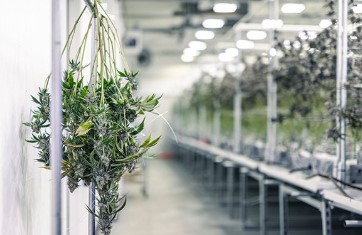
Drying Process
- Temperature: 60-70°F (15-21°C)
- Humidity: 45-55% RH
- Time: 7-14 days
- Method: Hang trimmed buds upside-down in a dark, ventilated space.
Curing Process
- Storage: Glass jars with humidity packs (58-62% RH)
- Duration: 2-4 weeks for terpene stabilization.
- Burping Method: Opening jars once a day for 15-30 minutes in the first week to prevent mold.
Scientific Benefit: Curing enhances terpene preservation, improving flavor, potency, and smoothness of the smoke.
Common Challenges and Pest Management
Common Issues
- Powdery Mildew & Mold: Maintain humidity below 50% in flowering.
- Nutrient Deficiencies: Watch for yellowing leaves (Nitrogen) or purple stems (Phosphorus deficiency).
- Overwatering: Leads to root rot; ensure proper drainage.
Integrated Pest Management (IPM)
- Spider Mites & Aphids: Use neem oil, ladybugs, or insecticidal soap.
- Fungus Gnats: Utilize diatomaceous earth and sticky traps.
- Preventative Approach: Companion planting with marigolds, basil, or lavender repels pests.
7. Scientific Insights on Cannabinoids and Terpenes
Primary Cannabinoids
- THC (22-27%): Responsible for psychoactive effects.
- CBD (<1%): Minimal CBD presence.
Primary Terpenes
- Myrcene: Contributes to sedation and muscle relaxation.
- Limonene: Offers mood-enhancing and stress-reducing effects.
- Caryophyllene: Provides anti-inflammatory and analgesic benefits.
8. Side Effects of Northern Wreck
Like most high-THC strains, Northern Wreck may cause:
- Dry Mouth and Dry Eyes
- Dizziness or Lightheadedness (in high doses)
- Paranoia or Anxiety (for THC-sensitive users)
- Couch-Lock and Lethargy
Conclusion
Northern Wreck is a potent Indica-dominant hybrid with strong sedative, pain-relieving, and stress-reducing properties. Its high THC content makes it an excellent strain for experienced users seeking deep relaxation, euphoria, and medicinal benefits. Whether used for pain relief, insomnia, or recreational unwinding, Northern Wreck remains a highly sought-after strain among cannabis enthusiasts. Cultivation requires attention to detail, but the reward is a high-yielding plant with dense, resinous buds rich in therapeutic compounds.
For a complete directory of cultivars, visit our Cannabis Strain Reviews.
