Table of Contents
Northern Sunrise is a high-quality hybrid cannabis strain that has gained popularity for its balanced effects, therapeutic benefits, and distinct flavor profile. Known for its uplifting yet relaxing properties, Northern Sunrise is an ideal strain for both medicinal and recreational users. This detailed guide explores its genetics, appearance, aroma, cannabinoid profile, medical applications, recreational effects, and cultivation techniques.
Genetic Background
Northern Sunrise is a well-balanced hybrid strain, often exhibiting a 50% Indica and 50% Sativa genetic profile. This balance results in a strain that provides both cerebral stimulation and physical relaxation. It is believed to be a cross between Northern Lights, a legendary Indica-dominant strain known for its sedative properties, and Sunrise Skunk, a Sativa-heavy strain that contributes uplifting and energetic effects. The combination creates a harmonious experience that appeals to a wide range of cannabis users.
Northern Sunrise inherits the strong resilience and high THC production from its Northern Lights parent, while the Sunrise Skunk lineage provides a citrusy, skunky aroma and an energetic boost. This genetic composition makes it an excellent strain for both daytime and evening use, depending on the dosage.
Appearance, Aroma, and Flavor Profile
Appearance
Northern Sunrise plants are visually striking, characterized by medium to tall stature, dense bud structure, and vibrant coloration. The buds are compact and resin-coated, with hues of deep green interspersed with bright orange pistils. Under optimal growing conditions, some phenotypes may exhibit shades of purple due to anthocyanin pigmentation.
The trichome coverage on Northern Sunrise is extensive, giving the buds a frosty, crystalline appearance. This resin production indicates high potency, making the strain ideal for extractions and concentrates.
Aroma
The aroma of Northern Sunrise is a delightful fusion of citrus, pine, and earthy musk, with subtle hints of skunk. Upon breaking the buds apart, the strain releases a strong lemony zest mixed with a sweet, woody undertone. When smoked or vaporized, these aromatic compounds intensify, making for a rich and pungent olfactory experience.
Flavor
The taste of Northern Sunrise mirrors its aromatic complexity. On the inhale, users experience a smooth citrus burst with notes of sweet orange and lemon. On the exhale, a woody, earthy undertone becomes more pronounced, leaving a lingering skunky aftertaste. The flavor is well-balanced and enjoyable, making it a favorite among those who appreciate flavorful cannabis strains.
THC and CBD Content
Northern Sunrise is known for its moderate to high THC content, which typically ranges between 18% and 24%, depending on cultivation methods. This potency makes it effective for both recreational and medicinal users seeking strong, long-lasting effects.
The CBD content in Northern Sunrise is generally low, around 0.5% to 1%, which means the strain is more focused on psychoactive properties rather than non-psychoactive therapeutic effects. However, it still provides significant medical benefits due to its terpene and cannabinoid profile.
Medical Uses of Northern Sunrise
Northern Sunrise is a hybrid cannabis strain with a balanced mix of Indica and Sativa genetics, making it highly versatile for medical applications. It exhibits potent analgesic, anxiolytic, antidepressant, neuroprotective, and anti-inflammatory properties, primarily due to its rich cannabinoid and terpene profile. Below is a scientific breakdown of its medical applications, along with the underlying biochemical processes that support its therapeutic benefits.
1. Pain Management and Analgesic Properties
A. Chronic Pain Relief
Northern Sunrise is widely used for the management of chronic pain conditions, including:
- Neuropathic pain (nerve damage, multiple sclerosis, diabetic neuropathy)
- Inflammatory pain (arthritis, fibromyalgia, migraines)
- Muscle pain and spasms (spinal injuries, muscular dystrophy)
Scientific Mechanism
- THC interacts with CB1 receptors in the central nervous system (CNS), modulating pain perception.
- CBD plays a role in TRPV1 (vanilloid receptors), reducing inflammatory pain signals.
- Terpenes such as myrcene and β-caryophyllene exhibit anti-inflammatory and analgesic effects, working synergistically with cannabinoids to enhance pain relief.
B. Migraines and Headaches
- THC suppresses CGRP (calcitonin gene-related peptide), a neuropeptide responsible for migraine attacks.
- The vasodilatory effects of limonene and pinene improve cerebral blood flow, reducing headache frequency.
2. Anxiety and Stress Reduction (Anxiolytic Effects)
A. Generalized Anxiety Disorder (GAD)
Northern Sunrise is known for its dual-action on anxiety, providing both cerebral stimulation and relaxation. This makes it effective for:
- Social Anxiety Disorder (SAD)
- Panic Disorders
- Post-Traumatic Stress Disorder (PTSD)
Scientific Mechanism
- THC binds to CB1 receptors, increasing dopamine and serotonin release, reducing anxiety when taken in moderate doses.
- CBD interacts with 5-HT1A receptors (serotonin receptors), promoting relaxation without the psychoactive effects of THC.
- Linalool and limonene terpenes modulate GABA neurotransmission, enhancing calmness and stress reduction.
3. Depression and Mood Disorders (Antidepressant Effects)
A. Mood Elevation
Northern Sunrise is highly effective for patients experiencing depression, mood swings, or seasonal affective disorder (SAD) due to its balanced effects.
Scientific Mechanism
- THC increases anandamide (“bliss molecule”) levels, which regulate mood and emotional stability.
- CBD enhances hippocampal neurogenesis, counteracting depression-induced brain shrinkage.
- Limonene and terpinolene terpenes boost serotonin and dopamine activity, which are key neurotransmitters in mood regulation.
B. Bipolar Disorder and PTSD
- Sativa traits provide an uplifting, motivational boost during depressive episodes.
- Indica properties prevent manic episodes from becoming too overwhelming.
4. Insomnia and Sleep Disorders (Sedative Effects)
A. Sleep Induction
- The sedative nature of Northern Sunrise makes it a potent alternative to pharmaceutical sleep aids for patients with insomnia, sleep apnea, and restless leg syndrome (RLS).
- High doses induce a strong couch-lock effect, beneficial for sleep maintenance.
Scientific Mechanism
- THC and CBD balance the sleep-wake cycle by interacting with CB1 receptors in the hypothalamus (the brain’s sleep center).
- Myrcene and linalool terpenes increase GABAergic activity, facilitating deep sleep (NREM cycles).
- β-Caryophyllene has CB2 receptor interactions, reducing stress-related cortisol spikes that disrupt sleep.
5. Anti-Inflammatory and Autoimmune Disease Management
Northern Sunrise is highly effective for patients suffering from autoimmune and inflammatory diseases, such as:
- Rheumatoid arthritis (RA)
- Lupus (SLE)
- Inflammatory Bowel Disease (IBD, Crohn’s, Colitis)
- Psoriasis and Eczema
- Multiple Sclerosis (MS)
Scientific Mechanism
- CBD suppresses inflammatory cytokines (TNF-α, IL-6, IL-1β), reducing autoimmune attacks.
- β-Caryophyllene acts as a CB2 receptor agonist, modulating immune function and inflammatory pathways.
- THC inhibits prostaglandin synthesis, reducing inflammatory pain and swelling.
6. Neurological and Neuroprotective Benefits
A. Epilepsy and Seizure Disorders
- CBD’s anticonvulsant properties make it beneficial for epilepsy (Dravet Syndrome, Lennox-Gastaut Syndrome).
- Northern Sunrise’s low CBD content makes it less potent than strains like Charlotte’s Web, but its entourage effect with terpenes enhances seizure control.
Scientific Mechanism
- CBD modulates calcium ion channels, reducing hyperexcitable neuronal firing.
- Pinene improves cognitive function, counteracting THC-induced short-term memory deficits.
B. Alzheimer’s and Parkinson’s Disease
- THC reduces amyloid-beta plaque formation, slowing Alzheimer’s progression.
- Limonene and pinene boost acetylcholine levels, preventing neurodegeneration.
7. Appetite Stimulation and Digestive Health
A. Appetite Enhancement
- Ideal for cancer patients undergoing chemotherapy and patients with anorexia or wasting syndrome.
- Increases food intake by interacting with hypothalamic CB1 receptors.
B. Nausea and Vomiting (Anti-Emetic Effects)
- THC inhibits serotonin receptor 5-HT3, reducing chemotherapy-induced nausea (CINV).
- CBD complements this by regulating the enteric nervous system (gut-brain axis).
8. Endocrine and Metabolic Benefits
A. Blood Sugar Regulation (Diabetes)
- CBD improves insulin sensitivity, reducing Type 2 Diabetes risk.
- β-Caryophyllene regulates lipid metabolism, preventing obesity-related inflammation.
B. Hormonal Balance
- THC and CBD regulate cortisol, helping with stress-related hormonal imbalances.
- May alleviate symptoms of PCOS (Polycystic Ovary Syndrome) and menopause.
9. Cancer Therapy Support
Northern Sunrise is a promising strain in oncology research, particularly for:
- Pain relief in cancer patients
- Nausea control during chemotherapy
- Potential anti-tumor effects
Scientific Mechanism
- THC induces apoptosis (cancer cell death) via CB1/CB2 activation.
- CBD inhibits cancer cell proliferation by modulating TRPV1 receptors.
- Limonene enhances immune response, aiding in tumor suppression.
10. Potential Side Effects and Considerations
While Northern Sunrise has numerous medical benefits, some side effects may occur:
Increased appetite (beneficial for some, but unwanted in others).
Dry mouth and dry eyes (caused by THC binding to salivary glands).
Mild dizziness (due to transient blood pressure changes).
Anxiety or paranoia in THC-sensitive individuals (mitigated by lower doses or adding CBD).
Recreational Uses of Northern Sunrise
Aside from its medical benefits, Northern Sunrise is highly valued in the recreational cannabis community due to its well-rounded effects. It provides an enjoyable experience for various activities and social settings.

Euphoria and Relaxation
Users report an immediate sense of happiness and euphoria, followed by calm and contentment. This makes Northern Sunrise an excellent choice for individuals looking to unwind and destress after a long day.
Creativity and Focus
The Sativa lineage in Northern Sunrise helps enhance creative thinking, artistic expression, and mental clarity. Writers, artists, and musicians often find inspiration and enhanced productivity when using this strain.
Social Enjoyment
Unlike heavy Indica strains that induce couch-lock, Northern Sunrise promotes sociability and conversation, making it suitable for social gatherings and light-hearted activities. It allows users to remain engaged while still feeling relaxed and at ease.
Balanced Energy Levels
Unlike some high-THC strains that can cause overstimulation, Northern Sunrise provides a smooth, energetic uplift without excessive jitteriness. It is perfect for daytime and early evening use, depending on the dose.
Cultivation Guide for Northern Sunrise
The successful cultivation of the Northern Sunrise cannabis strain requires a thorough understanding of environmental factors, plant biology, nutrient management, and scientific cultivation techniques. Below is an in-depth analysis of each stage of growth, focusing on optimal conditions, scientific principles, and advanced growing methods.
1. Environmental Conditions for Optimal Growth
A. Temperature and Humidity Control
Northern Sunrise thrives in temperate to warm climates, with an ideal temperature range of 68°F to 78°F (20°C to 26°C). Here’s how temperature affects different stages of growth:
- Seedling Stage: 70-75°F (21-24°C), 65-70% RH (Relative Humidity)
- Vegetative Stage: 72-78°F (22-26°C), 55-65% RH
- Flowering Stage: 68-75°F (20-24°C), 40-50% RH
- Late Flowering/Harvest: 65-70°F (18-21°C), 30-40% RH (to prevent mold growth)
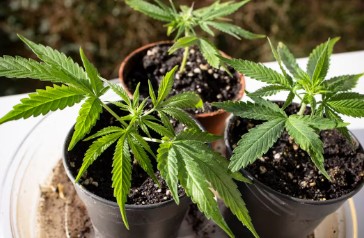
Maintaining the right temperature prevents heat stress, slow growth, and terpene degradation. Relative humidity (RH) must be carefully controlled, especially during flowering, to avoid botrytis (bud rot) and powdery mildew.
B. Light Requirements and Photoperiod
Northern Sunrise, as a hybrid strain, responds well to intense light exposure. The following lighting schedule is recommended:
- Vegetative Growth: 18/6 photoperiod (18 hours of light, 6 hours of darkness)
- Flowering Stage: 12/12 photoperiod (12 hours of light, 12 hours of darkness) to trigger blooming
Best Lighting Options:
- LED Lights (Full Spectrum, 6500K for Veg, 3000K for Flower) – Energy-efficient and optimal for terpene and resin production.
- HPS (High-Pressure Sodium) Lamps – Ideal for larger grows, providing high PAR (Photosynthetically Active Radiation) values.
- CMH (Ceramic Metal Halide) – Balanced spectrum for high cannabinoid and terpene retention.
Plants should receive PPFD (Photosynthetic Photon Flux Density) levels between 400-700 µmol/m²/s for maximum efficiency. Light intensity higher than 1000 µmol/m²/s may cause light stress without supplemental CO₂.
C. CO₂ Enrichment for Growth Acceleration
For indoor cultivation, supplementing CO₂ levels to 1,200-1,500 ppm enhances photosynthesis and biomass accumulation. CO₂ enrichment works best when paired with high-intensity lighting and controlled ventilation.
2. Cultivation Methods and Growth Techniques
A. Growing Mediums: Soil vs. Hydroponics
Northern Sunrise adapts well to both soil-based and hydroponic cultivation. Each method has its advantages:
1. Soil-Based Cultivation
- Organic soil with pH of 6.0-6.8 ensures healthy root development.
- Loamy soil enriched with perlite and vermiculite provides good aeration and drainage.
- Adding mycorrhizal fungi and beneficial bacteria (like Trichoderma) enhances nutrient uptake.
2. Hydroponics
- Hydroponic methods like Deep Water Culture (DWC) and Nutrient Film Technique (NFT) accelerate growth due to direct root access to oxygen and nutrients.
- Ideal pH for hydroponics: 5.5-6.2
- Requires strict EC (Electrical Conductivity) monitoring, keeping it between 1.2-2.0 mS/cm, depending on growth stage.
B. Training Techniques to Maximize Yield
To enhance yields, several advanced plant training techniques can be used:
1. Low-Stress Training (LST)
- Bending and tying branches increases light exposure and enhances canopy development.
- Recommended for small indoor spaces to promote horizontal growth.
2. Screen of Green (ScrOG)
- Using a net or trellis to train plants for even light distribution.
- Encourages more bud sites and prevents excessive vertical stretching.
3. Topping & FIM (Fimming)
- Topping creates multiple colas by cutting the main stem early in vegetative growth.
- FIM partially removes new growth, leading to denser branching.
4. Supercropping
- A high-stress training technique where stems are bent (not broken) to increase lateral growth.
- Helps redistribute auxins, promoting stronger bud sites.
3. Nutrient Management and Feeding Schedule
Northern Sunrise requires a well-balanced nutrient regimen at each stage:
A. Macronutrients
- Nitrogen (N): VItal for the formation of leaves and stems during the vegetative stage.
- Phosphorus (P): Boosts root growth and flowering.
- Potassium (K): Regulates water uptake and terpene synthesis.
B. Micronutrients
- Calcium & Magnesium (Ca/Mg): Prevents nutrient deficiencies and improves cell wall integrity.
- Sulfur (S): Aids in protein synthesis and flavor enhancement.
C. Feeding Schedule
| Growth Stage | N-P-K Ratio | EC (mS/cm) | pH Level |
|---|---|---|---|
| Seedling | 2-1-2 | 0.6-0.8 | 6.0-6.5 |
| Vegetative | 3-1-2 | 1.2-1.6 | 5.8-6.3 |
| Early Flowering | 1-3-2 | 1.8-2.2 | 5.8-6.2 |
| Late Flowering | 0-3-4 | 1.6-2.0 | 5.8-6.0 |
Flushing: Two weeks before harvest, water plants with pure pH-balanced water (pH 6.0-6.2) to remove excess nutrients and improve flavor.
4. Harvesting, Drying, and Curing for Maximum Potency
A. Harvesting Time Based on Trichome Maturity
- Milky Trichomes: Peak THC levels; best for a balanced high.
- Amber Trichomes: Increased CBN content; ideal for sedative effects.
- Clear Trichomes: Not mature yet; lower potency.
Ideal harvest time: When 70% of trichomes are milky and 20-30% are amber.
B. Drying and Curing Process
Proper post-harvest techniques preserve terpenes and cannabinoids, ensuring superior quality.
- Drying
- Temperature: 60-70°F (15-21°C)
- Humidity: 50-60%
- Time: 7-14 days
- Method: Hang buds upside down in a dark, well-ventilated room.
- Curing
- Store dried buds in glass jars with 62% RH humidity packs.
- Open jars daily for the first week to allow excess moisture to escape.
- Full curing takes 2-4 weeks, but longer curing enhances flavor.
5. Common Cultivation Challenges and Solutions
A. Pests & Diseases
- Spider Mites, Aphids, and Thrips: Controlled with Neem oil, predatory insects (ladybugs), or organic pesticides.
- Powdery Mildew & Bud Rot: Prevented with proper air circulation, low humidity, and organic fungicides.
B. Nutrient Deficiencies
- Yellowing Leaves: Nitrogen deficiency (increase N levels in vegetative phase).
- Purple Stems: Phosphorus deficiency (adjust P levels during flowering).
- Calcium/Magnesium Deficiency: Common in hydroponics; use Cal-Mag supplements.
Potential Side Effects
While Northern Sunrise is generally well-tolerated, users should be aware of potential side effects, including:
- Dry mouth and dry eyes – Common among cannabis strains; staying hydrated helps alleviate this.
- Mild dizziness – More likely in novice users or with high doses.
- Paranoia or anxiety – Uncommon but possible in sensitive individuals or excessive consumption.
Conclusion
Northern Sunrise is a versatile and well-balanced hybrid cannabis strain that provides an enjoyable mix of euphoria, relaxation, and therapeutic benefits. Whether used for pain management, stress relief, or creative stimulation, this strain offers a highly satisfying experience. Its delicious citrus flavor, strong genetic lineage, and ease of cultivation make it a staple among cannabis enthusiasts. Whether for medical or recreational use, Northern Sunrise remains a top-tier choice for those seeking a well-rounded cannabis strain.
