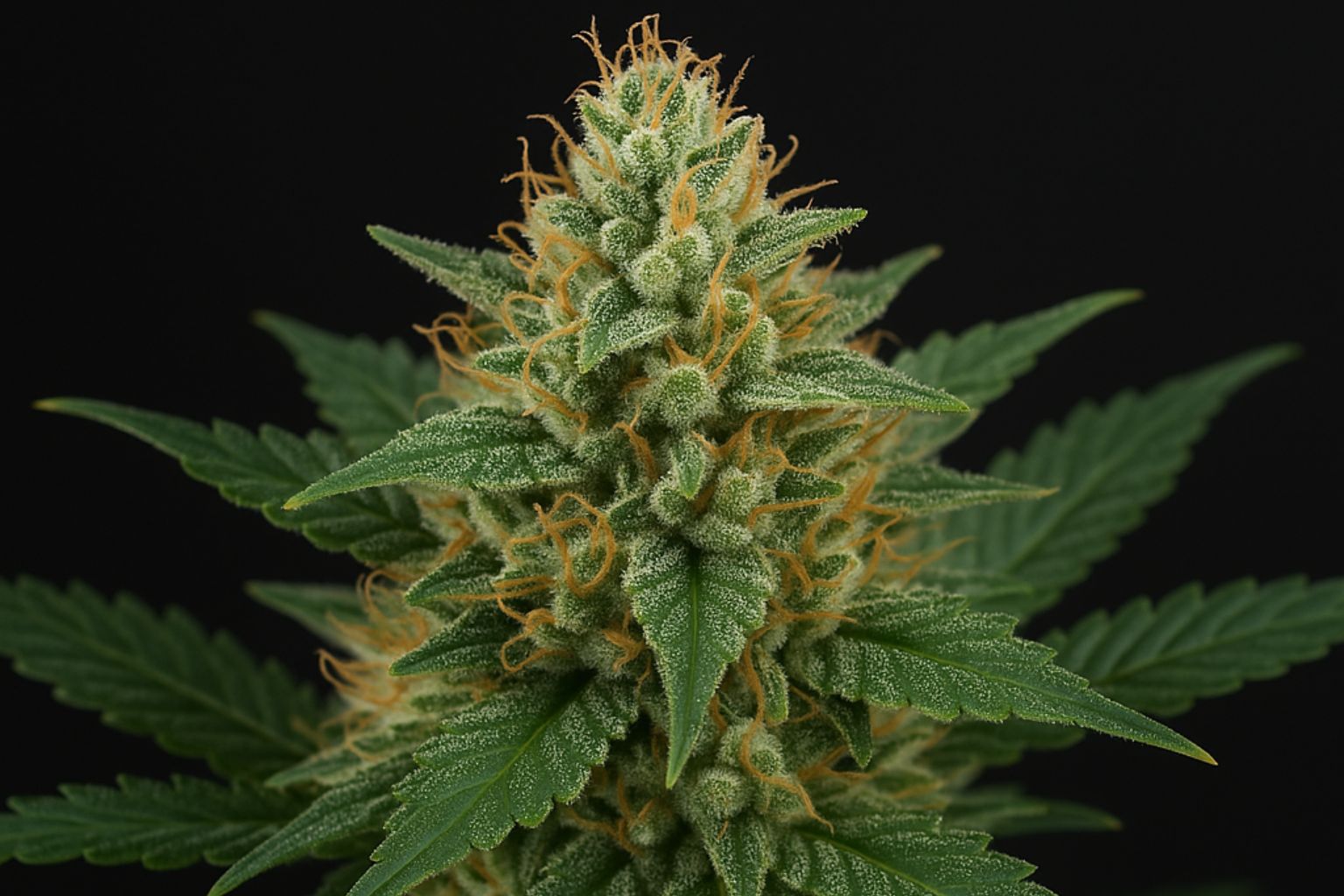
I still remember the first time I ran the Northern Lights cannabis strain in my small basement grow. I had three Northern Lights seeds in soaked paper towels, a budget LED panel, and more enthusiasm than experience. What surprised me most was how forgiving and consistent this variety was compared to many hybrids I had grown before. Even with my rookie mistakes, the plants finished dense, frosty, and pleasantly compact.
Since that first run, I have grown the Northern Lights cannabis strain many times, both indoors and outdoors, from regular and feminized Northern Lights seeds and even a Northern Lights autoflower line. In this guide, I will walk you through how I actually grow it today, sharing real numbers, environmental targets, and the kind of practical details that matter when you are trying to fill jars rather than just read theory.
This article is for home cultivators who want honest, experience-based advice, whether you are growing Northern Lights indoors under LEDs or growing Northern Lights outdoors in the backyard. I will also touch on how I choose a cannabis seed bank, how I handle germinating marijuana seeds, and how I adapt my approach for indoor vs outdoor weed growing with this classic, indica dominant strain.
Why Northern Lights Belongs in Your Garden
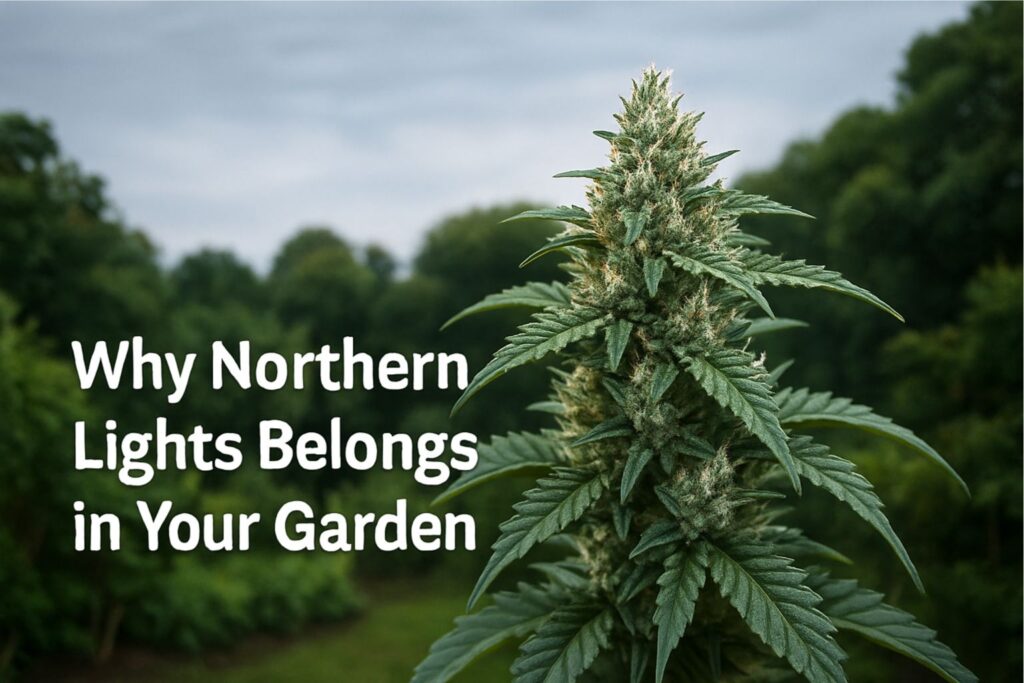
Northern Lights has earned its reputation because it behaves exactly how many growers wish all plants would behave: predictable, sturdy, and compact.
From my experience:
- It is a true indica dominant strain, with broad leaves, thick stems, and a naturally bushy structure.
- It stays relatively short, which makes growing Northern Lights indoors in tents or small rooms much easier than lanky sativas.
- It finishes reliably in about 7–9 weeks of flowering for photoperiod lines, and even faster for Northern Lights autoflower versions.
When I recommend beginner-friendly varieties, the Northern Lights cannabis strain is almost always in the top three. It tolerates moderate mistakes in nutrients, small fluctuations in pH, and slightly imperfect humidity. That does not mean you can ignore the environment, but it does mean the strain tends to bend instead of break when things go sideways.
Genetics, Structure, and Growth Habits
Most modern versions of Northern Lights are bred as an indica dominant strain, with only a touch of sativa influence in some hybrids.
In practice, this means:
- Short internodal spacing and sturdy branches
- Chunky, golf-ball to soda-can-sized buds
- Dark, wide fan leaves early in veg that may lighten under strong light
The Northern Lights cannabis strain tends to build a strong central cola when left untrained, which is perfect for simple grows. However, it responds very well to topping and low-stress training, especially if you are growing Northern Lights indoors and need to spread the canopy under a flat LED panel.
Many breeders now offer feminized Northern Lights seeds and Northern Lights autoflower options. Feminized seeds remove the need to sex plants, which is ideal when space is limited. Autoflowers are great when you cannot strictly control the light cycle or want a faster turnaround, particularly for growing Northern Lights outdoors in shorter seasons.
Indoor vs Outdoor Weed Growing with Northern Lights
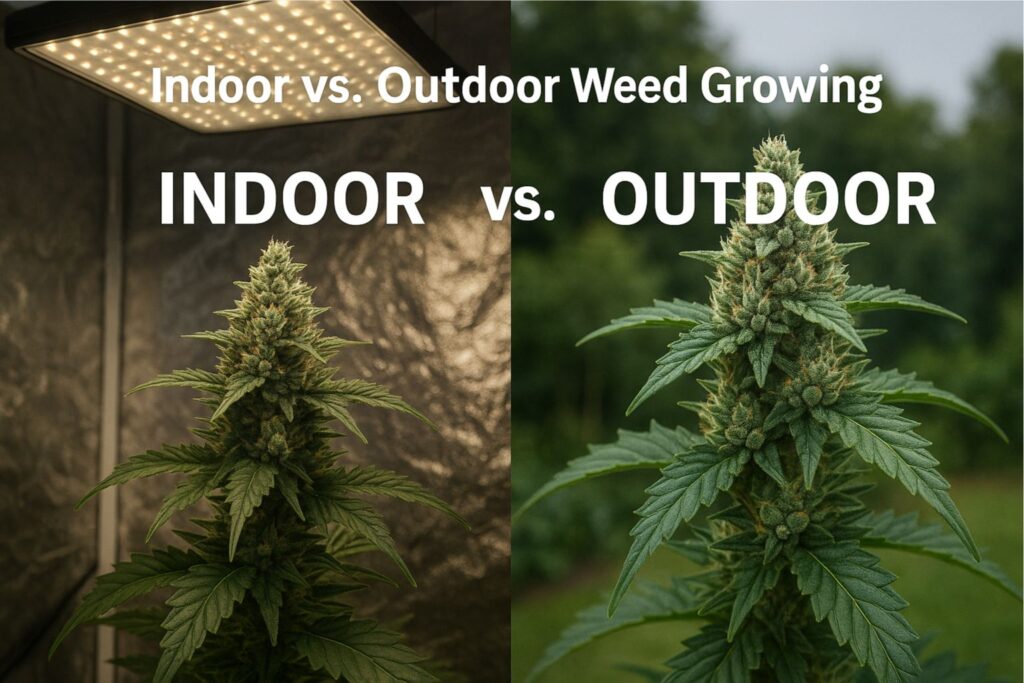
Northern Lights is one of the few varieties I have consistently enjoyed in both small tents and backyard plots. Indoor vs outdoor weed growing with this strain is less about whether it can handle the conditions (it can) and more about what you want from the harvest.
When I compare indoor vs outdoor weed growing for Northern Lights, here is what I notice:
- Indoors, I get the tightest, frostiest buds and the most control over aroma and drying conditions.
- Outdoors, I get bigger plants and yields per plant, but must manage weather swings and pests more actively.
- Indoors, I can fine-tune PPFD, VPD, and CO₂ levels; outdoors, I rely on the sun and focus on soil health and protection from the elements.
If you have the option, I recommend trying both growing Northern Lights indoors and growing Northern Lights outdoors at least once. You will learn how adaptable the strain really is.
Growing Northern Lights Indoors: Environment and Lighting
When growing Northern Lights indoors, I aim for a stable, dialed-in environment more than anything else. The strain will reward consistency.
My typical indoor targets:
- Veg temperature: 23–26°C (73–79°F)
- Flower temperature: 22–25°C (72–77°F)
- Relative humidity: 60–70% in early veg, 50–60% in late veg, 40–50% in flower
- VPD: Around 0.8–1.1 kPa in veg, 1.1–1.4 kPa in flower
For lighting, Northern Lights seems to thrive under moderate to strong LED intensity as long as the canopy is even.
In 4×4-foot tents, I aim for:
- 300–400 µmol/m²/s PPFD in early veg
- 500–650 µmol/m²/s PPFD in late veg
- 700–900 µmol/m²/s PPFD in peak flower
If you are growing Northern Lights indoors with a dimmable LED, raise the fixture to maintain 30–45 cm above the canopy and adjust intensity rather than letting plants grow into the light. Because this is an indica dominant strain, the leaves can sometimes shadow lower bud sites, so I routinely tuck or lightly defoliate large fans to improve airflow and light penetration.
The first time I tried growing Northern Lights indoors, I kept the feeding simple but stayed strict on environment. I was impressed that, even when my EC drifted a bit, the plants kept stacking dense, resinous buds as long as temperature, humidity, and airflow were on point.
Growing Northern Lights Outdoors: Sun, Soil, and Stealth
Growing Northern Lights outdoors is where the strain’s toughness really shines. The plants handle wind, mild heat waves, and cool nights better than many more delicate hybrids I have run.
When growing Northern Lights outdoors, I focus on:
- Picking a spot with at least 6–8 hours of direct sun
- Using rich, living soil with plenty of organic matter
- Protecting plants from heavy rain and early frosts
Because Northern Lights is an indica dominant strain with a relatively compact profile, it can blend into small gardens or behind taller companion plants. This makes growing Northern Lights outdoors a bit more discreet than stretching sativa-dominant varieties.
In my climate, I transplant hardened-off seedlings or rooted clones after the danger of frost has passed. When I am growing Northern Lights outdoors in fabric pots, I prefer 30–50 liter containers filled with a quality soil mix re-amended with compost, worm castings, and dry organic nutrients.
During mid-season, I like to top once or twice and use simple low-stress training to spread the branches. This keeps the plant lower and bushier, which is ideal for both stealth and stability in wind.
After a few seasons of indoor vs outdoor weed growing, I found that my outdoor Northern Lights harvests often had slightly looser flower structure but deeper, more complex aromas from the full spectrum of sunlight and natural soil microbes.
From Northern Lights Seeds to Strong Seedlings
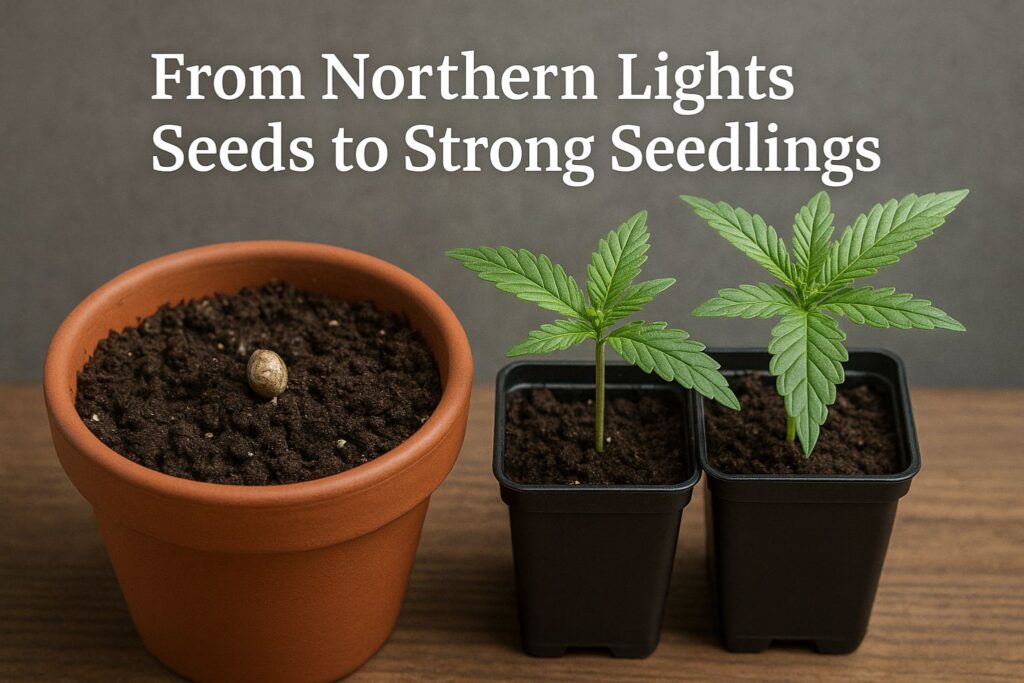
A healthy grow starts with healthy seed. I have had the best results with Northern Lights seeds when I treat the germination phase as carefully as late flower.
Here is my typical process for germinating marijuana seeds, including Northern Lights seeds:
- Soak seeds for 12–18 hours in room-temperature, pH-balanced water (around 6.0–6.5).
- Move them into a moist paper towel or propagation cube, keeping them at 22–25°C (72–77°F).
- Maintain high humidity (around 80–90%) until the taproot is 0.5–1 cm long.
- Plant taproot-down into a light seedling mix or starter plug.
With Northern Lights seeds, I try not to rush. Germinating marijuana seeds is not a race; pushing heat too high or oversaturating media is a common mistake. A gentle, steady environment usually gives me 90%+ success.
If I am germinating marijuana seeds for growing Northern Lights indoors, I start them in small containers under low-intensity light to prevent stretching. When I am germinating marijuana seeds for growing Northern Lights outdoors, I aim to have sturdy seedlings ready to transplant just after the last frost window.
Repeating this process with both regular and feminized Northern Lights seeds has shown me that consistency in early care pays off later with more uniform growth and flowering.
Nutrients and Feeding: Dialing in the Best Nutrients for Weed

Northern Lights is not especially picky, but it does respond clearly when you get the feeding right. Over the years, my approach to finding the best nutrients for weed in general, and for this strain in particular, has become simpler rather than more complicated.
My basic guidelines for what I consider the best nutrients for weed in a Northern Lights run:
- Use a complete base nutrient line rather than mixing random products.
- Start at 50–60% of the manufacturer’s recommended EC/PPM and adjust based on plant response.
- Aim for an EC of 1.2–1.6 in veg and 1.6–2.0 in mid-flower for hydro or coco.
- For organic soil, top-dress with dry amendments and rely on microbe-rich compost teas rather than pushing bottled salts.
When I am truly dialed in with the best nutrients for weed, Northern Lights shows it quickly: dark, healthy leaves, vigorous lateral branching, and heavy, resinous buds that do not foxtail or burn at the tips.
Because the strain is forgiving, it is a good teacher for new growers learning to read plant signals like tip burn, clawing, or pale growth. If in doubt, I underfeed slightly and let the plant tell me when it needs more.
Photoperiod vs Northern Lights Autoflower
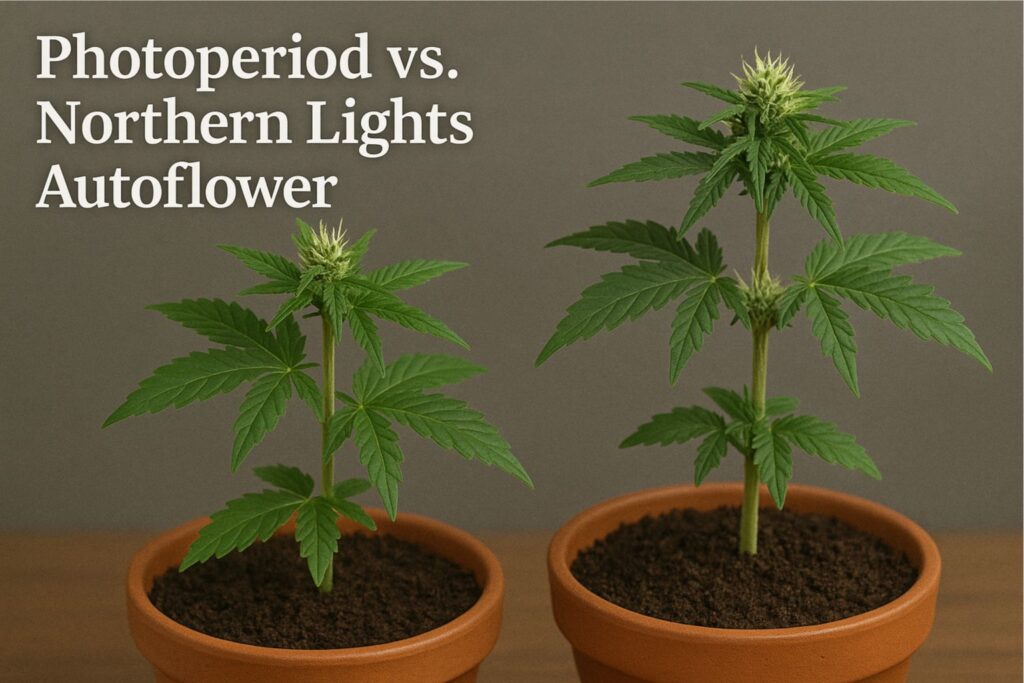
One of the biggest decisions when planning a run is whether to choose a classic photoperiod or a Northern Lights autoflower line.
From my experience:
- Photoperiod Northern Lights offers the most control over veg length and final plant size.
- A Northern Lights autoflower can be ideal for tight spaces, shorter summers, or growers who cannot maintain strict light schedules.
- The best results come when you match the plant type to your environment and schedule, not the other way around.
When I run a Northern Lights autoflower indoors, I usually keep the lights at 18/6 from seed to harvest and avoid heavy topping. Light low-stress training is fine, but autos do not handle major stress as easily because they do not extend veg to recover.
Outdoors, a Northern Lights autoflower can finish before autumn storms roll in, especially in regions with shorter summers. I have used Northern Lights autoflower plants to fill gaps between larger photoperiod runs and to test new soil mixes before committing them to full-season plants.
For growers who like maximum control and big yields, photoperiod lines from feminized Northern Lights seeds are still my go-to. Autos are a powerful tool, but they reward precision and planning even more than regular photoperiods.
Choosing a Reliable Cannabis Seed Bank and Buying Feminized Northern Lights Seeds
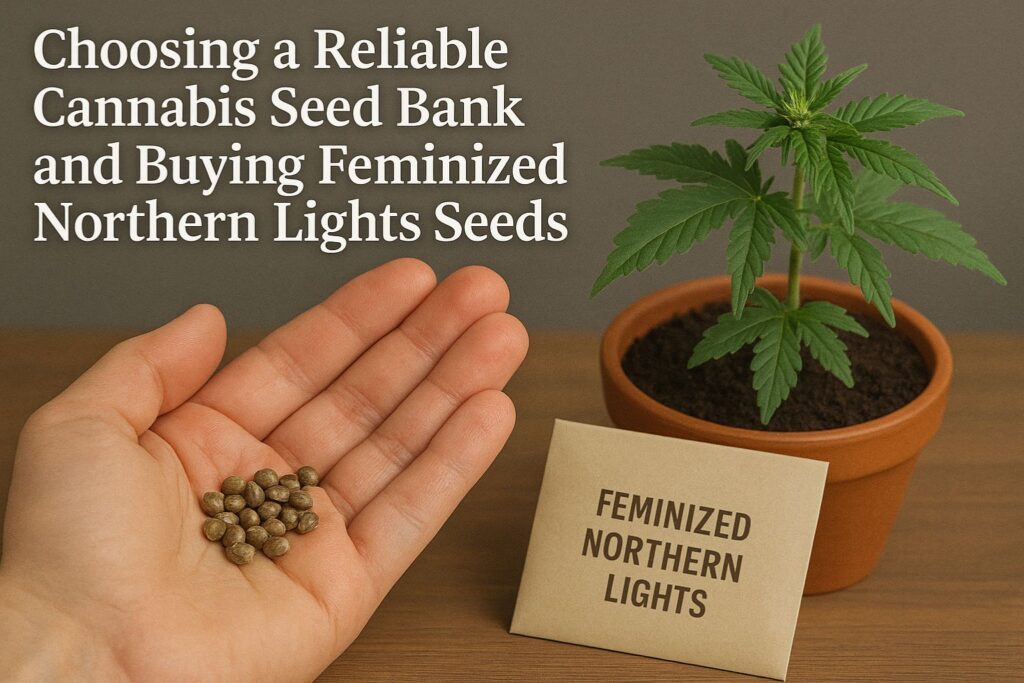
No matter how dialed-in your environment is, weak genetics will hold you back. That is why I spend serious time choosing where to buy Northern Lights seeds.
When I evaluate a cannabis seed bank, I look for:
- Clear descriptions of lineage and typical phenotypes
- Germination guarantees or at least a transparent policy
- Honest reviews from growers, not just marketing blurbs
- Stable offerings of feminized Northern Lights seeds and, if desired, Northern Lights autoflower lines
Over the years, buying feminized Northern Lights seeds from a trusted cannabis seed bank has given me the most consistent results. Feminized Northern Lights seeds save space by reducing the risk of males, which is critical when you are growing Northern Lights indoors in a small tent or cabinet.
When buying from any cannabis seed bank, I avoid unrealistic claims about yields or effects and focus instead on stability, germination rates, and how long the strain has been in the catalog. The Northern Lights cannabis strain has a long history, and reputable breeders treat it with respect.
Training, Flowering, and Harvest Timing
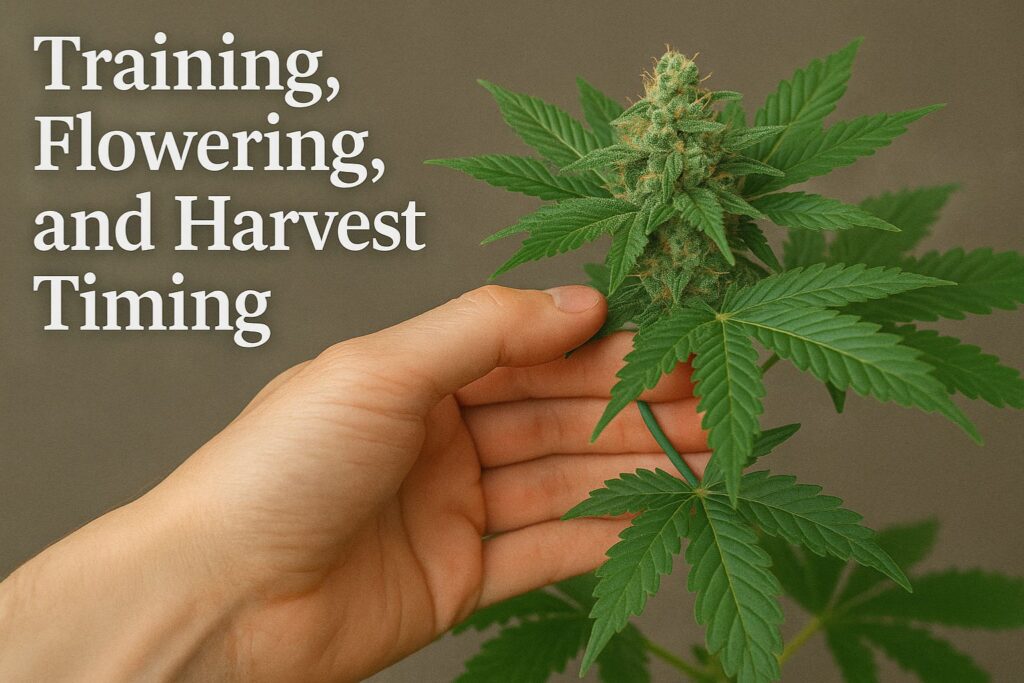
Once your Northern Lights plants are established, training and flowering are where you shape the final result.
For training, my typical approach:
- Top once above the 4th–5th node for photoperiods.
- Use low-stress training (LST) to spread branches outwards, creating an even canopy.
- Light selective defoliation in late veg and week 2–3 of flower to improve airflow.
When flowering the Northern Lights cannabis strain, I usually:
- Flip to 12/12 (for photoperiods) once the plants fill about 60–70% of the available canopy space.
- Maintain flower temperatures around 22–25°C (72–77°F) and RH at 40–50%.
- Target a VPD around 1.1–1.4 kPa to balance transpiration and stress.
Most cuts of Northern Lights finish in 7–9 weeks of flowering. I do not rely solely on breeder schedules; instead, I watch the trichomes and pistils. I prefer mostly cloudy trichomes with a few clear and a few amber, and I harvest gradually if top colas ripen faster than lower buds.
Post-harvest, slow drying at around 18–20°C (64–68°F) and 55–60% RH for 10–14 days has consistently brought out the best in my Northern Lights runs. After that, I cure in glass jars, burping daily in the first week and less frequently as moisture equalizes.
Common Questions About Growing Northern Lights
Is the Northern Lights cannabis strain good for beginners?
Yes. In my opinion, the Northern Lights cannabis strain is one of the best starting points for new growers. It is an indica dominant strain that stays manageable in size, responds well to basic training, and tolerates minor mistakes in feeding or pH. Whether you are growing Northern Lights indoors in a small tent or growing Northern Lights outdoors in a simple raised bed, it is easier to keep happy than many more finicky hybrids.
How long does Northern Lights take from seed to harvest?
For photoperiod feminized Northern Lights seeds, I typically see:
- 3–5 weeks of veg (depending on desired plant size)
- 7–9 weeks of flowering
From seed to harvest, that usually puts a grow at around 12–15 weeks. A Northern Lights autoflower can finish faster, often in 9–12 weeks from sprout under good conditions, especially when started in its final container and given stable light.
What is the best medium for Northern Lights: soil, coco, or hydro?
I have run Northern Lights in all three. My general take:
- Quality organic soil offers the best flavor and is more forgiving, especially for new growers still learning about the best nutrients for weed.
- Coco grows are faster and more vigorous when managed correctly, giving more control over EC and feeding schedules.
- Hydroponic systems can produce very high yields but demand tight control and backup plans in case pumps or timers fail.
For most home growers, a rich, living soil or coco mix strikes the best balance between ease and performance.
Do I need special nutrients for Northern Lights?
You do not need a strain-specific product. Focus instead on a complete, balanced nutrient line and learn how to adjust it based on plant feedback. Northern Lights responds very well when you apply the same general principles you would use when searching for the best nutrients for weed overall: start light, monitor runoff EC and pH, and let the leaves tell you whether to feed more or less.
Can Northern Lights be grown in small spaces?
Absolutely. One of the biggest advantages of growing Northern Lights indoors is its compact structure. With topping and LST, I have comfortably run it in 60×60 cm tents and short cabinets. Just ensure solid ventilation, proper odor control if needed, and an LED that can provide adequate PPFD without overheating the space.
Final Thoughts
After years of experimenting with different genetics and techniques, I keep coming back to Northern Lights because it strikes a rare balance between simplicity and performance. The Northern Lights cannabis strain lets you practice serious cultivation techniques—dialing in PPFD, watching VPD charts, experimenting with organic vs mineral nutrients—without punishing every small mistake.
Whether you start with Northern Lights seeds in a humble closet grow or commit a sunny corner of your garden to growing Northern Lights outdoors, this classic variety will teach you more than most about how cannabis, marijuana, and weed plants behave under different conditions. If you choose stable feminized Northern Lights seeds from a reputable cannabis seed bank, handle germinating marijuana seeds with care, and respect the fundamentals of indoor vs outdoor weed growing, you will be well on your way to a satisfying harvest.
In my garden, Northern Lights is not just a nostalgic name from the early days of modern cannabis; it is a workhorse strain that still earns its place in rotation year after year.
-
Northern Lights Cannabis Seeds
Northern Lights cannabis seeds, akin to tranquil celestial guides, harbor …From: $24.99 BUY NOW This product has multiple variants. The options may be chosen on the product page
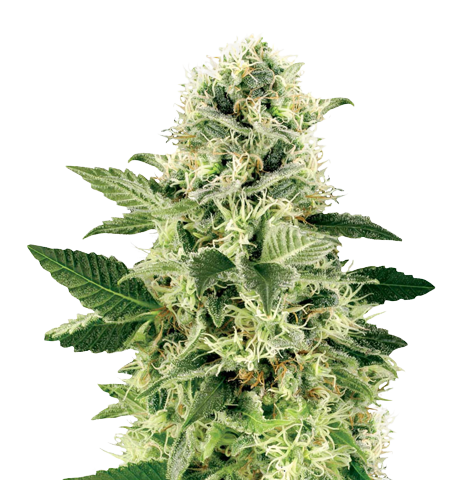
For a complete directory of cultivars, visit our Cannabis Strain Reviews.
