Table of Contents
Northern Cream is a well-balanced hybrid cannabis strain with a genetic lineage that combines the legendary Northern Lights and the creamy, flavorful Cream strain. This results in a unique cultivar that offers a mix of indica relaxation and sativa uplift, making it appealing to both medical and recreational users.
Genetics and Lineage
Northern Cream’s genetics derive from two well-established cannabis strains. Northern Lights, a predominantly indica strain, is famous for its strong sedative effects, pain relief properties, and ability to induce deep relaxation. The Cream strain, often associated with Wedding Cake and Gelato #33 genetics, adds a sweet and creamy flavor profile with hints of vanilla and earthiness. This combination results in a hybrid that exhibits a well-rounded experience, blending euphoria and relaxation without being overly sedative or too stimulating.
Cannabinoid Profile
Northern Cream is known for its balanced THC and CBD content, though it leans more toward the THC-dominant side. The THC concentration typically ranges from 18% to 24%, making it a moderately potent strain. CBD levels are usually low but present enough to contribute to the overall calming effects. Other cannabinoids such as CBG and CBN may also be found in trace amounts, further enhancing the strain’s medicinal value.
Terpene Composition
The terpene profile of Northern Cream contributes to its distinctive aroma, taste, and therapeutic effects. This strain contains the following important terpenes:
- Myrcene: Known for its sedative and muscle-relaxing properties, contributing to the strain’s body-high effects.
- Limonene: Adds a citrusy scent and can help with mood elevation and stress relief.
- Caryophyllene: Provides spicy and peppery notes and interacts with CB2 receptors to offer anti-inflammatory benefits.
- Linalool: Imparts floral and lavender-like aromas while promoting relaxation and sleep.
- Humulene: Has potential appetite-suppressant properties and may offer additional anti-inflammatory effects.
Aroma and Flavor
Northern Cream features a rich and complex aroma profile, blending sweet and creamy notes with earthy and herbal undertones. The scent is often described as a mix of vanilla, pine, and subtle citrus hints. The flavor carries through these characteristics, offering a smooth and enjoyable smoking or vaping experience. The creamy, dessert-like taste makes it particularly appealing to those who enjoy flavorful cannabis strains.
Effects and Recreational Use
Northern Cream provides a well-balanced high that caters to different types of cannabis consumers. The onset of effects is typically felt within minutes, starting with an uplifting cerebral buzz that enhances mood and fosters creativity. This initial euphoria is soon followed by a soothing body relaxation that does not completely immobilize the user, making it ideal for both daytime and evening use.
- Euphoria and Mood Enhancement: The strain is known to induce feelings of happiness and relaxation, lowering tension and encouraging wellbeing.
- Creativity and Focus: While not overly stimulating, the strain can enhance focus and creativity, making it a good choice for artistic or brainstorming activities.
- Physical Relaxation: The indica influence provides a calming body effect, which can help with muscle tension and physical discomfort without leading to complete sedation.
- Sociability: It can enhance social interactions by making users feel more talkative and engaged in conversations.
For recreational users, Northern Cream is a versatile strain suitable for various occasions, whether it’s unwinding after work, enhancing a creative session, or enjoying social gatherings.
Medical Benefits
Northern Cream’s therapeutic properties make it beneficial for a range of medical conditions. Patients seeking relief from both mental and physical ailments can find this strain particularly useful.

- Stress and Anxiety Reduction: The strain’s balanced effects help alleviate symptoms of stress, anxiety, and depression by promoting relaxation and a positive mood.
- Pain Relief: The presence of myrcene and caryophyllene makes it effective for managing chronic pain, muscle spasms, and conditions like arthritis.
- Insomnia Management: While not as sedating as pure indica strains, Northern Cream can still help with sleep disorders by promoting relaxation and reducing nighttime restlessness.
- Appetite Stimulation: Though it does not induce strong munchies, some users report an increase in appetite, which can be beneficial for those with eating disorders or undergoing treatments that suppress appetite.
- Anti-Inflammatory Properties: Caryophyllene and humulene contribute to the strain’s potential anti-inflammatory effects, which may help with ailments including migraines and fibromyalgia.
Cultivation Information
Growing Northern Cream successfully requires an understanding of its genetic traits, optimal environmental conditions, and advanced cultivation techniques. The methods used for its cultivation can significantly impact cannabinoid and terpene production, yield, and overall plant health. Here’s a scientific breakdown of the best practices for cultivating Northern Cream.
Germination and Seedling Stage
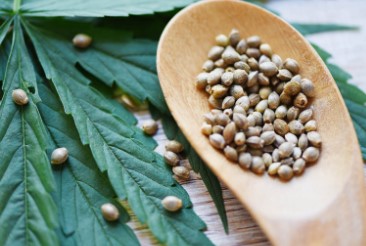
Germination Methods
- Paper Towel Method: Place seeds between moist paper towels in a dark, warm environment (~22-26°C). This ensures rapid and healthy sprouting within 24-72 hours.
- Direct Soil Germination: Some growers prefer sowing seeds directly into a light, aerated soil mix to avoid transplant shock.
- Rockwool or Jiffy Pellets: For hydroponic setups, placing seeds in a Rockwool cube or peat pellet provides a controlled environment for initial root growth.
Seedling Care
- Light Requirements: 18-24 hours of light with a gentle LED or fluorescent light (~100-150 µmol/m²/s PPFD).
- Humidity Levels: Maintain 65-70% relative humidity (RH) to prevent excessive transpiration.
- Watering: Use pH-balanced water (5.8-6.2) to promote proper nutrient uptake.
- Temperature: Keep between 22-26°C for optimal enzyme activity and metabolic function.
Vegetative Growth Stage
This stage is crucial for strong structural development, canopy management, and optimizing photosynthesis.
Light Conditions

- Duration: 18-20 hours of light per day.
- Intensity: 300-600 µmol/m²/s PPFD (Photon Flux Density) for robust photosynthesis.
- Best Light Type: LED full-spectrum lights (better energy efficiency and optimal PAR wavelengths).
- Light Distance: Keep lights 12-24 inches away to prevent light burn.
Nutrient Requirements
Northern Cream responds well to a balanced nutrient mix:
- Nitrogen (N): High levels to support vigorous vegetative growth.
- Phosphorus (P) and Potassium (K): Moderate levels to encourage root and stem strength.
- Micronutrients: Calcium (Ca), Magnesium (Mg), and Iron (Fe) prevent deficiencies that cause stunted growth.
CO₂ Supplementation
Adding CO₂ (800-1200 ppm) in controlled environments can boost growth rates by enhancing photosynthesis efficiency.
Airflow and Humidity
- Humidity: Maintain 55-65% RH to prevent mold and pests.
- Ventilation: Use oscillating fans to improve airflow, strengthen stems, and reduce microclimate risks.
Training Techniques
- Topping: Cutting the apical meristem to encourage multiple colas.
- Low-Stress Training (LST): Bending branches gently to maximize light penetration.
- Screen of Green (ScrOG): Training the plant across a mesh screen to enhance canopy control.
Flowering Stage (Bloom Phase)
Northern Cream typically flowers within 8-10 weeks, requiring careful management to optimize resin production.
Light Conditions
- Duration: 12 hours of light, 12 hours of darkness (photoperiod control).
- Intensity: 600-900 µmol/m²/s PPFD.
- Wavelength Shift: Using red-spectrum-dominant lighting (660 nm) enhances bud development.
Nutrient Adjustments
- Nitrogen Reduction: Lowering N promotes better bud formation and prevents excessive leafiness.
- Increase P & K: Boosting phosphorus and potassium enhances trichome development and terpene synthesis.
- Micronutrients: Supplementing sulfur (S) can improve terpene complexity and aroma.
Environmental Control
- Temperature: 20-26°C during the day; slight drop at night (~18-22°C) to promote denser buds.
- Humidity: Gradual reduction to 40-50% RH to prevent bud rot and enhance resin production.
- Airflow: Essential for maintaining optimal CO₂ exchange and preventing mold issues.
Defoliation
- Strategic Leaf Removal: Removing large fan leaves increases light exposure to lower bud sites, leading to more uniform development.
Harvesting, Drying, and Curing
Proper post-harvest handling preserves potency and enhances the flavor profile.
Harvest Timing
- Trichome Inspection: Use a microscope to check for cloudy (milky) trichomes with amber heads, signaling peak cannabinoid levels.
- Pistil Coloration: Around 70-90% of pistils should turn dark orange or brown before harvesting.
Drying Process
- Temperature: 18-22°C.
- Humidity: 50-60% RH.
- Airflow: Gentle ventilation with indirect airflow to prevent mold.
- Duration: 7-14 days until stems snap rather than bend.
Curing
- Jar Storage: Put the dried buds in glass jars that are airtight.
- Burping: Open jars daily for the first two weeks to release excess moisture.
- Curing Duration: 2-8 weeks to develop smoother smoke and deeper terpene complexity.
Advanced Cultivation Methods
Hydroponics
Growing Northern Cream hydroponically can accelerate vegetative growth and enhance cannabinoid potency.
- Nutrient Film Technique (NFT): Delivers a constant nutrient flow for fast uptake.
- Deep Water Culture (DWC): Roots are suspended in oxygenated water, increasing growth rates.
- Aeroponics: Mist-based nutrient delivery enhances oxygen availability, improving trichome production.
Organic Cultivation
- Living Soil: Using compost in Northern Cream, worm castings, and microbial inoculants to create a self-sustaining ecosystem.
- No-Till Farming: Preserves beneficial microbial life, leading to improved terpene richness.
LED vs. HPS Lighting
- LED (Light Emitting Diode): Provides a full-spectrum light source with better energy efficiency.
- HPS (High-Pressure Sodium): Traditional lighting with high-intensity output but increased heat production.
Scientific Insights and Potential Research
While specific studies on Northern Cream are limited, research on its parent strains provides valuable insights. Studies on Northern Lights indicate its effectiveness in managing neuropathic pain and insomnia, which suggests similar benefits for Northern Cream. The role of terpenes like myrcene and caryophyllene in pain relief and inflammation management further supports its medicinal applications.
Emerging research on cannabinoids such as THC and CBD suggests potential neuroprotective properties, which may make Northern Cream a candidate for managing conditions such as multiple sclerosis and neurodegenerative disorders. More research is needed to fully understand its therapeutic potential, but existing anecdotal evidence and strain analysis highlight its effectiveness for both recreational and medicinal use.
Methods of Ingestion
The bioavailability (absorption efficiency) and effect duration vary based on the consumption method.
A. Inhalation (Smoking & Vaping)
This is the most common method for consuming Northern Cream, offering rapid onset and efficient THC delivery.
- Mechanism: THC and other cannabinoids enter the lungs, diffusing directly into the bloodstream through the alveolar membrane.
- Onset: 1-5 minutes.
- Peak Effects: 15-30 minutes.
- Duration: 2-4 hours.
- Bioavailability: 10-35%, depending on inhalation depth and technique.
- Advantages: Fast relief, ideal for acute pain or anxiety.
- Disadvantages: Combustion produces harmful byproducts like tar and benzene.
- Vaping Alternative: Vaporization at lower temperatures (~180-220°C) preserves terpenes and reduces toxic byproducts.
B. Edibles (Oral Ingestion)
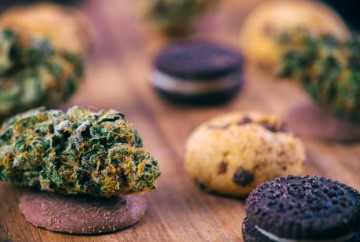
Eating cannabis-infused products leads to a delayed but long-lasting effect.
- Mechanism: THC is metabolized in the liver into 11-hydroxy-THC, a more potent and long-lasting compound.
- Onset: 30-90 minutes.
- Peak Effects: 2-4 hours.
- Duration: 6-12 hours.
- Bioavailability: 4-20%, influenced by fat content and individual metabolism.
- Advantages: Long-lasting relief, preferred for chronic pain and insomnia.
- Disadvantages: Unpredictable onset, risk of overconsumption.
C. Sublingual (Tinctures, Sprays, Dissolvable Strips)
Sublingual absorption bypasses digestion, leading to a faster onset than edibles.
- Mechanism: Absorbed directly into the bloodstream via mucosal membranes under the tongue.
- Onset: 10-30 minutes.
- Peak Effects: 45-90 minutes.
- Duration: 3-6 hours.
- Bioavailability: 10-35%.
- Advantages: More predictable dosing than edibles.
- Disadvantages: Shorter duration than oral ingestion.
D. Topical Application (Creams, Balms, Transdermal Patches)
Topicals provide localized relief without significant psychoactive effects.
- Mechanism: Cannabinoids interact with CB2 receptors in the skin but do not enter systemic circulation unless using a transdermal patch.
- Onset: 15-45 minutes.
- Peak Effects: 1-2 hours.
- Duration: 4-12 hours (varies by formulation).
- Bioavailability: Low (unless transdermal delivery).
- Advantages: Effective for localized pain and inflammation.
- Disadvantages: Limited to surface-level relief.
Onset and Peak Effects by Method
| Method | Onset Time | Peak Effects | Total Duration | Bioavailability |
|---|---|---|---|---|
| Smoking/Vaping | 1-5 min | 15-30 min | 2-4 hours | 10-35% |
| Edibles | 30-90 min | 2-4 hours | 6-12 hours | 4-20% |
| Sublingual | 10-30 min | 45-90 min | 3-6 hours | 10-35% |
| Topical | 15-45 min | 1-2 hours | 4-12 hours | Low (unless transdermal) |
Metabolism and Elimination
Cannabinoids undergo metabolism primarily in the liver and are eliminated via urine and feces.
THC Breakdown
- Phase 1: THC → 11-hydroxy-THC (active, more potent).
- Phase 2: 11-hydroxy-THC → THC-COOH (inactive, excreted in urine and feces).
Half-Life and Detection
- Smoking/Vaping: 1-2 days (casual use); 7-30 days (chronic use).
- Edibles: 3-5 days (due to prolonged liver metabolism).
- Hair Follicle Testing: Detectable for 90+ days.
Potential Side Effects
As with most cannabis strains, Northern Cream comes with some potential side effects, especially when consumed in higher doses. These may include:
- Dry Mouth and Dry Eyes: Common among cannabis users, easily managed by staying hydrated and using moisturizing eye drops.
- Dizziness: Can occur with high doses, particularly in those with lower THC tolerance.
- Paranoia or Anxiety: While uncommon, some users may experience increased anxiety, especially if they are prone to THC-induced paranoia.
- Mild Sedation: Higher doses may lead to drowsiness, making it less suitable for tasks requiring high levels of concentration.
Conclusion
Northern Cream is a well-rounded hybrid strain that offers a unique balance of relaxation and euphoria. With its flavorful profile, therapeutic benefits, and relatively easy cultivation, it has gained popularity among both recreational users and medical patients. Whether seeking relief from stress, pain, or insomnia, or simply looking for a flavorful and enjoyable cannabis experience, Northern Cream proves to be a versatile and beneficial strain.
For a complete directory of cultivars, visit our Cannabis Strain Reviews.
