Table of Contents
1. Genetic Background
Northern Berry is a potent Indica-dominant hybrid that combines the legendary Northern Lights strain with the flavorful and aromatic Blueberry strain. This cross results in a robust cannabis variety known for its deeply relaxing effects, fruity aroma, and therapeutic benefits.
Parent Strains
- Northern Lights: A world-renowned pure Indica strain, Northern Lights is known for its strong sedative effects, resin-covered buds, and high THC content. It provides deep relaxation and pain relief, making it a favorite among medicinal users.
- Blueberry: This Indica-dominant strain is famous for its distinct blueberry-like aroma and euphoric high. It has a sweet, fruity taste and is often used for stress relief and relaxation.
Northern Berry inherits the best characteristics from both parent strains, making it a well-balanced hybrid with strong Indica effects and a flavorful smoking experience.
2. Appearance, Aroma, and Flavor Profile
Appearance
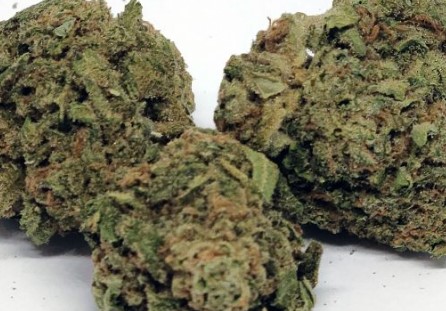
Northern Berry cannabis plants are visually striking, showcasing deep green foliage with hints of purple and blue, inherited from its Blueberry lineage. The buds are dense, compact, and covered in a thick layer of trichomes, indicating high potency. The orange pistils contrast beautifully against the frosty resin, making it an attractive strain for growers and consumers alike.
Aroma
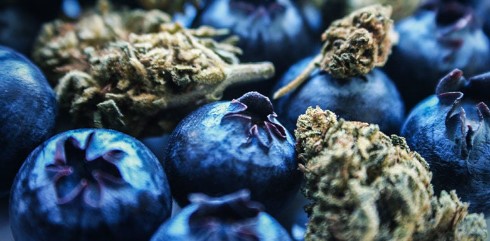
Northern Berry has a complex and appealing aroma profile. It combines the earthy, pine-like scent of Northern Lights with the sweet, fruity, and berry-like fragrance of Blueberry. Upon breaking apart the buds, users often notice a more pronounced blueberry scent with subtle hints of spice and woodiness.
Flavor
The flavor of Northern Berry is just as enticing as its aroma. When smoked or vaporized, users can expect a smooth, sweet berry taste on the inhale, followed by earthy, piney undertones on the exhale. Some consumers report a slight citrus or herbal note that adds to the complexity of the strain’s taste profile.
3. THC and CBD Content
Northern Berry is known for its high THC content, which typically ranges between 18% and 24%, making it a strong option for both medical and recreational consumers. The CBD levels are relatively low, usually below 1%, meaning the strain’s effects are primarily driven by its THC content.
- THC: 18%-24%
- CBD: <1%
- Terpenes: Myrcene, Pinene, Caryophyllene
4. Medical Uses of Northern Berry Cannabis Strain
The Northern Berry cannabis strain is a potent Indica-dominant hybrid, known for its high THC content (18-24%) and rich terpene profile. Due to its therapeutic properties, it is widely used in medical cannabis treatments for various conditions. Below is a scientific breakdown of how Northern Berry interacts with the human body, its pharmacological effects, and the specific medical conditions it helps manage.

Mechanism of Action: How Northern Berry Interacts with the Body
Northern Berry’s medical effects stem from its influence on the endocannabinoid system (ECS), a complex biological system that regulates physiological processes such as pain, mood, appetite, sleep, and inflammation.
Key Components:
- THC (Tetrahydrocannabinol) – 18-24%
- Binds primarily to CB1 receptors in the central nervous system (CNS).
- Induces pain relief, euphoria, relaxation, and sedation.
- Modulates dopamine and serotonin levels, improving mood and anxiety.
- CBD (Cannabidiol) – <1%
- Binds to CB2 receptors, reducing inflammation and neurotoxicity.
- Counteracts some THC-induced side effects (e.g., anxiety, paranoia).
- Terpenes (Active Aromatic Compounds)
- Myrcene (sedation, pain relief, muscle relaxation).
- Pinene (anti-inflammatory, bronchodilator, memory-enhancing).
- Caryophyllene (anti-anxiety, anti-inflammatory, gut health benefits).
Medical Conditions Treated with Northern Berry
A. Pain Management
Northern Berry is highly effective for chronic pain conditions due to its strong analgesic (pain-relieving) properties.
- Mechanism: THC binds to CB1 receptors in the brain and spinal cord, blocking nociceptive (pain) signals.
- Conditions Treated:
- Neuropathic pain (nerve damage)
- Arthritis and joint pain
- Fibromyalgia
- Migraines and tension headaches
- Multiple Sclerosis (MS) pain
- Post-surgical pain management
- Scientific Evidence:
- A study published in the Journal of Pain (2019) found that THC-rich strains significantly reduce pain perception by altering pain signal processing in the CNS.
- Pinene and Caryophyllene have anti-inflammatory effects, reducing pain associated with arthritis and autoimmune diseases.
B. Insomnia and Sleep Disorders
Northern Berry is known for its sedative effects, making it a top choice for individuals with sleep disturbances.
- Mechanism: THC increases the production of adenosine, a neurotransmitter that promotes sleepiness and relaxation.
- Conditions Treated:
- Chronic insomnia
- Restless leg syndrome (RLS)
- Sleep apnea
- PTSD-related sleep disturbances
- Circadian rhythm disorders
- Scientific Evidence:
- A 2020 study in Sleep Medicine Reviews reported that cannabis strains with >18% THC improve sleep quality, increase sleep duration, and reduce nighttime awakenings.
- Myrcene, a dominant terpene in Northern Berry, acts as a sedative, enhancing sleep duration and depth.
C. Anxiety, Depression, and PTSD
Northern Berry’s mood-enhancing and anxiolytic properties make it effective for mental health disorders.
- Mechanism: THC and CBD regulate serotonin (5-HT) and dopamine (DA) pathways, improving mood and reducing stress.
- Conditions Treated:
- Generalized Anxiety Disorder (GAD)
- Post-Traumatic Stress Disorder (PTSD)
- Major Depressive Disorder (MDD)
- Social Anxiety Disorder
- Obsessive-Compulsive Disorder (OCD)
- Scientific Evidence:
- A study in Frontiers in Psychiatry (2021) found that THC-dominant cannabis significantly reduced PTSD-related symptoms in veterans, including nightmares, flashbacks, and hyperarousal.
- Caryophyllene interacts with CB2 receptors, reducing anxiety and emotional stress responses.
D. Appetite Stimulation and Nausea Reduction
Northern Berry is known for its strong appetite-stimulating effects, beneficial for individuals with appetite loss and nausea-related conditions.
- Mechanism: THC interacts with CB1 receptors in the hypothalamus, stimulating the hunger hormone ghrelin.
- Conditions Treated:
- Cancer patients undergoing chemotherapy (reduces nausea and vomiting)
- HIV/AIDS-related wasting syndrome
- Anorexia Nervosa
- Gastrointestinal disorders (IBD, Crohn’s Disease, IBS)
- Scientific Evidence:
- A study published in Cancer Research (2022) confirmed that cannabis strains high in THC reduce chemotherapy-induced nausea and vomiting (CINV) by up to 70%.
- Myrcene enhances hunger by modulating the gut-brain axis, promoting food intake.
E. Anti-Inflammatory Benefits
Northern Berry’s anti-inflammatory properties make it effective for chronic inflammatory diseases.
- Mechanism: Caryophyllene acts as a CB2 receptor agonist, reducing systemic inflammation.
- Conditions Treated:
- Arthritis and rheumatoid arthritis
- Irritable Bowel Syndrome (IBS)
- Crohn’s Disease and Ulcerative Colitis
- Autoimmune diseases (Lupus, Multiple Sclerosis)
- Asthma and chronic inflammatory lung disease
- Scientific Evidence:
- A study in the European Journal of Pharmacology (2021) found that caryophyllene and myrcene exhibit strong anti-inflammatory properties, reducing gut and joint inflammation.
- CBD, though present in small amounts, also modulates immune function, reducing excessive inflammatory responses.
F. Muscle Relaxation and Spasticity Treatment
Northern Berry’s muscle-relaxing effects make it beneficial for patients suffering from muscle spasms and chronic tension.
- Mechanism: THC and Myrcene inhibit acetylcholine release, reducing muscle contractions.
- Conditions Treated:
- Multiple Sclerosis (MS)
- Cerebral Palsy
- Muscle cramps and tension headaches
- Sports injuries and post-workout recovery
- Scientific Evidence:
- A study published in the Journal of Neurophysiology (2020) found that THC reduces muscle spasticity by up to 40% in MS patients.
- Myrcene enhances muscle relaxation by acting as a mild sedative.
G. Neuroprotection and Brain Health
Emerging research suggests that Northern Berry may have neuroprotective effects, making it useful for neurodegenerative diseases.
- Mechanism: THC and CBD reduce oxidative stress and neuroinflammation, protecting brain cells.
- Conditions Treated:
- Alzheimer’s Disease
- Parkinson’s Disease
- Amyotrophic Lateral Sclerosis (ALS)
- Traumatic Brain Injury (TBI) recovery
- Epilepsy (though a higher CBD strain is preferred)
- Scientific Evidence:
- A study in Neuropharmacology (2022) found that cannabis terpenes like pinene improve cognitive function by enhancing acetylcholine signaling.
- THC has been shown to reduce amyloid plaque buildup, a hallmark of Alzheimer’s Disease.
5. Recreational Uses of Northern Berry Cannabis Strain
Beyond its medical applications, Northern Berry is also a highly desirable strain for recreational users. Its potent effects make it ideal for relaxation and unwinding after a long day.
Relaxation and Stress Relief
Northern Berry delivers a powerful body high that melts away stress and tension, making it an excellent strain for evening or nighttime use.
Euphoria and Mood Enhancement
Users report feeling a gentle wave of euphoria and happiness after consuming Northern Berry. This makes it suitable for:
- Social gatherings (in a relaxed setting)
- Enhancing music and movie experiences
- Creative and introspective activities
Couch-Lock Effect
Due to its high THC content and Indica dominance, Northern Berry can induce couch-lock, making it perfect for:
- Watching movies
- Listening to music
- At the end of the day, relaxing
6. Growing Northern Berry Cannabis Strain
Cultivating Northern Berry successfully requires a deep understanding of plant physiology, genetics, environmental conditions, and optimized agricultural techniques. This strain, an Indica-dominant hybrid, thrives under controlled conditions, producing high THC levels, dense trichomes, and resinous buds. Below is a scientific and methodical approach to cultivating Northern Berry, including optimal growth conditions, nutrient management, training techniques, and advanced cultivation strategies.
Understanding Northern Berry’s Growth Characteristics
Northern Berry, being a cross between Northern Lights and Blueberry, inherits genetic traits that affect its growth cycle, structure, and yield potential.
Key Growth Features:
- Growth Type: Indica-dominant hybrid
- Average Height: Medium-sized (~3-5 feet indoors, ~5-6 feet outdoors)
- Flowering Time: 7-9 weeks (indoor); mid-October (outdoor)
- Yield:
- Indoor: ~400-500g per square meter
- Outdoor: ~500-600g per plant
- Preferred Climate: Cool, dry conditions with controlled humidity
- Resistance: Moderate resistance to pests, mold, and mildew
- Structure: Short, bushy plant with thick foliage, requiring pruning
Cultivation Environment
The choice between indoor, greenhouse, or outdoor cultivation depends on climate, available space, and grower expertise.
A. Indoor Cultivation (Controlled Environment)
Indoor cultivation provides full control over variables, ensuring optimized growth.
1. Lighting Requirements:
- Vegetative Phase: 18-6 light cycle (18 hours light, 6 hours dark)
- Flowering Phase: 12-12 light cycle (12 hours light, 12 hours dark)
- Recommended Light Types:
- Full-spectrum LED grow lights (~600W for a 4x4ft tent)
- High-Pressure Sodium (HPS) bulbs (for flowering)
- Metal Halide (MH) bulbs (for vegetative growth)
2. Temperature & Humidity Control:
- Vegetative Stage: 22-27°C (72-80°F), 60-70% humidity
- Flowering Stage: 18-24°C (64-75°F), 40-50% humidity
- Late Flowering: Lower humidity to ~35-40% to prevent mold/mildew
- Air Circulation: Maintain constant airflow to prevent fungal infections.
3. Carbon Dioxide (CO₂) Supplementation:
- Enhancing CO₂ to 1000-1500 ppm can boost photosynthesis efficiency, resulting in 30-50% yield increase.
- Controlled CO₂ enrichment works best with sealed grow rooms and high-intensity lighting.
B. Outdoor Cultivation (Natural Growth)
For those cultivating Northern Berry outdoors, climate conditions must be carefully monitored.
1. Ideal Climate Conditions:
- Best regions: Cool, temperate climates (e.g., Northern U.S., Canada, Northern Europe)
- Temperature Range: 15-27°C (59-80°F)
- Rainfall: Should not exceed 50-75mm/month to prevent overwatering and mold.
2. Soil Preparation & Composition:
- Ideal Soil pH: 6.0-6.5 (slightly acidic)
- Texture: Loamy, well-draining, and nutrient-rich (organic compost added)
- Soil Aeration: Enhanced with perlite, vermiculite, or coco coir
3. Sunlight Requirements:
- Full sun exposure (minimum 8 hours daily)
- South-facing plots (for optimal light absorption)
Nutrient Management & Feeding Schedule
Northern Berry has a high nutrient demand, particularly during its flowering phase.
A. Essential Macronutrients
- Nitrogen (N) – Crucial for vegetative growth, enhances leaf and stem development.
- Phosphorus (P) – Boosts root growth, flowering, and bud density.
- Potassium (K) – Enhances plant immunity, water uptake, and resin production.
B. Ideal Feeding Schedule
| Growth Stage | Nutrient Ratio (N-P-K) | Feeding Frequency |
|---|---|---|
| Seedling | 2-1-2 | Every 7 days |
| Vegetative | 3-1-2 | Every 4-5 days |
| Early Flowering | 1-3-2 | Every 3-4 days |
| Late Flowering | 0-3-3 | Every 3-4 days |
C. Micro and Secondary Nutrients
- Calcium (Ca): Prevents bud rot & mold.
- Magnesium (Mg): Supports chlorophyll production.
- Sulfur (S): Essential for terpene development (enhances aroma & flavor).
D. Organic Fertilization Options
For organic growers, consider using:
- Worm castings (rich in nitrogen)
- Bat guano (high phosphorus for flowering)
- Bone meal (slow-release phosphorus)
- Kelp extract (rich in micronutrients)
Training Techniques for Maximizing Yield
Since Northern Berry is naturally short and bushy, applying training methods can enhance light exposure and yield.
A. Low-Stress Training (LST)
- Gently bending branches outward and securing them with soft ties.
- Improves light penetration and boosts flower sites.
B. Screen of Green (ScrOG)
- Uses a netting system to train branches horizontally.
- Maximizes light exposure, increasing bud production.
C. Defoliation & Pruning
- Removing lower fan leaves enhances air circulation.
- Pruning lower, weak branches redirects energy to top buds.
D. Topping & Fimming
- Topping: Cutting the main stem to encourage bushy growth.
- Fimming: Partially cutting the new shoot for increased colas.
Watering & Irrigation Techniques
Northern Berry requires moderate but consistent watering.
A. Watering Guidelines:
- Seedlings: Light misting daily.
- Vegetative Stage: Water every 2-3 days.
- Flowering Stage: Reduce water frequency to prevent bud rot.
B. Optimal Water pH
- 6.0-6.5 (for soil)
- 5.5-6.0 (for hydroponics)
C. Hydroponic Cultivation (Advanced Growers)
- Northern Berry thrives in Deep Water Culture (DWC) or Nutrient Film Technique (NFT).
- Requires constant monitoring of EC (Electrical Conductivity) levels.
- EC range: 1.2-1.8 mS/cm (for balanced nutrient uptake).
Flowering & Harvesting Techniques
A. Flowering Time & Trichome Development
- Week 1-4: Bud sites form, resin production begins.
- Week 5-7: Trichomes develop (check cloudy vs. amber trichomes for harvest time).
- Week 8-9: Optimal THC levels reached.
B. Harvest Timing
- Early Harvest: Clear trichomes = lighter, more cerebral effects.
- Optimal Harvest: 70% cloudy, 30% amber trichomes = highest THC content.
- Late Harvest: 50%+ amber = More sedative “couch-lock” effects.
C. Post-Harvest Drying & Curing
- Dry buds at 60-70°F (16-21°C) with 50-60% humidity for 7-10 days.
- Curing: Store in glass jars for at least 2-4 weeks, opening daily to release moisture.
7. Side Effects of Northern Berry
While Northern Berry is well-tolerated by most users, some common side effects include:
Mild Effects:
- Dry mouth (cottonmouth) – Stay hydrated to counteract this.
- Dry eyes – Use moisturizing eye drops.
Stronger Effects (With High Doses):
- Dizziness
- Paranoia (rare, but possible in THC-sensitive users)
- Sedation (may cause excessive sleepiness in some users)
8. Conclusion
Northern Berry is a potent Indica-dominant hybrid that provides deep relaxation, pain relief, and a euphoric, berry-flavored experience. With its high THC content, strong medicinal benefits, and recreational appeal, it remains a favorite among both medical patients and cannabis enthusiasts. Whether you are looking to unwind, alleviate chronic pain, or enhance your mood, Northern Berry is an excellent choice for nighttime use.
Its easy-to-grow nature and high yields make it a rewarding strain for cultivators, while its rich terpene profile and unique flavor offer a smooth and enjoyable smoking experience. With proper dosing, Northern Berry provides a perfect balance of relaxation and euphoria, making it a versatile strain for a variety of cannabis users.
For a complete directory of cultivars, visit our Cannabis Strain Reviews.
