Table of Contents
Cannabis strains cultivated in North America have gained significant global recognition due to their potency, diversity, and medical benefits. These strains have been selectively bred over the years to create high-yielding, powerful hybrids that provide a variety of effects for both recreational and medicinal users. This document provides a comprehensive examination of North American cannabis strains, focusing on their genetic background, appearance, aroma, THC/CBD content, medical and recreational uses, cultivation techniques, and scientific aspects.
1. Genetic Background of North American Cannabis Strains
North American cannabis strains typically derive from crossbreeding landrace varieties, particularly Afghan, Mexican, Colombian, and Thai strains. The selective hybridization of these strains has resulted in powerful hybrids such as OG Kush, Sour Diesel, Blue Dream, and Girl Scout Cookies (GSC), among many others.
The primary genetic categories include:
- Indica-dominant strains – Known for their sedative and body-relaxing effects. Examples: Northern Lights, Granddaddy Purple, Bubba Kush.
- Sativa-dominant strains – Known for their cerebral and uplifting effects. Examples: Sour Diesel, Green Crack, Jack Herer..
- Hybrid strains – A balanced mix of both Sativa and Indica effects, combining mental stimulation with physical relaxation. Examples: Blue Dream, Wedding Cake, Gorilla Glue #4.
North American strains are often bred for higher THC content, making them some of the most potent cannabis varieties available.
2. Appearance, Aroma, and Flavor Profile
Appearance
North American cannabis strains exhibit a wide range of physical characteristics depending on their lineage. Some common traits include:
- Dense buds with heavy resin production (indicative of high THC potency).
- Bright green leaves with purple, orange, or blue hues, depending on genetics and temperature exposure.
- Trichome-covered flowers that give a frosty, crystalline appearance.
- Thick pistils in shades of orange, red, or yellow.
Aroma
The aroma profile of North American strains varies significantly, but some common scent categories include:
- Diesel and gas – Found in strains like Sour Diesel and Chemdawg.
- Citrus and fruity – Dominant in Lemon Haze and Tangie.
- Earthy and piney – Typical of OG Kush and Northern Lights.
- Sweet and dessert-like – Present in strains like Gelato and Girl Scout Cookies.
Flavor
When smoked or vaporized, North American strains deliver a variety of flavor profiles, often mirroring their aroma. Common taste notes include:
- Sweet and creamy flavors (e.g., Wedding Cake, Gelato).
- Tangy and citrus undertones (e.g., Super Lemon Haze, Tangie).
- Skunky, gassy notes (e.g., Gorilla Glue #4, Diesel strains).
- Earthy and woody hints (e.g., Afghan Kush, Bubba Kush).
3. THC and CBD Content
Most North American cannabis strains are high in THC, with some reaching levels above 30%. The CBD content varies depending on the strain:
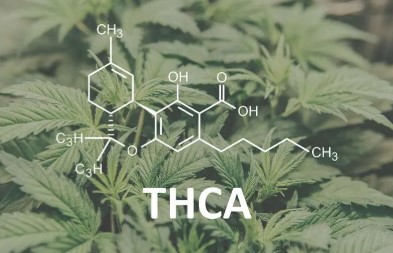
- High-THC, low-CBD strains – Common in recreational strains like Godfather OG (up to 34% THC, <1% CBD).
- Balanced THC/CBD strains – Examples include Cannatonic and Harlequin, which offer a more medicinal balance (10-15% THC, 10-15% CBD).
- High-CBD strains – Strains like Charlotte’s Web and ACDC have high CBD content (>15%) and minimal THC, making them ideal for medical use without psychoactive effects.
4. Medical Uses of North American Cannabis Strains
Cannabis has been extensively researched for its therapeutic potential, and North American strains, known for their high THC, CBD, and terpene content, have been particularly valuable in treating various neurological, psychiatric, inflammatory, and chronic pain conditions. Below is a detailed scientific breakdown of the medical applications of North American cannabis strains, supported by clinical studies, pharmacological mechanisms, and biochemical interactions.
The Pharmacology of Cannabis: How It Works in the Human Body
The medical benefits of cannabis come from its interaction with the endocannabinoid system (ECS), which regulates pain, mood, immune function, sleep, and appetite.
Endocannabinoid System (ECS)
- CB1 Receptors – Located primarily in the brain and central nervous system; responsible for psychoactive effects, pain relief, and neuroprotection.
- CB2 Receptors – Found in immune cells and peripheral organs; modulate inflammation and immune responses.
Key Cannabinoids and Their Medical Effects
| Cannabinoid | Medical Benefits | Common Strains |
|---|---|---|
| THC (Tetrahydrocannabinol) | Pain relief, anti-nausea, appetite stimulation, muscle relaxation | OG Kush, Girl Scout Cookies, Sour Diesel |
| CBD (Cannabidiol) | Anti-inflammatory, anti-anxiety, anti-seizure, neuroprotective | Charlotte’s Web, Harlequin, ACDC |
| CBG (Cannabigerol) | Anti-bacterial, neuroprotective, appetite stimulant | White CBG, Jack Frost CBG |
| CBN (Cannabinol) | Sedative, muscle relaxant, anti-insomnia | Aged THC strains, Granddaddy Purple |
| THCV (Tetrahydrocannabivarin) | Appetite suppressant, anti-diabetic, anticonvulsant | Durban Poison, Pineapple Purps |
Medical Applications of North American Cannabis Strains
Pain Management and Neuropathic Pain
One of the most well-documented medical uses of cannabis is for chronic pain relief, particularly for neuropathic pain (nerve-related pain), inflammatory pain, and post-surgical pain.
Mechanism of Action
- THC binds to CB1 receptors in the brain, altering pain perception.
- CBD interacts with TRPV1 receptors, which regulate pain sensitivity and inflammation.
- Terpenes like myrcene enhance the analgesic (pain-relieving) effects.
Effective Strains for Pain Relief
| Condition | Recommended Strain | Cannabinoid Content |
|---|---|---|
| Arthritis & Inflammatory Pain | Harlequin, ACDC, Blueberry Kush | High CBD, moderate THC |
| Neuropathy & Nerve Pain | OG Kush, Sour Diesel, Bubba Kush | High THC |
| Post-Surgical Pain | Northern Lights, Granddaddy Purple | Indica-dominant, strong sedative effects |
Cannabis for Anxiety, Depression, and PTSD
Many North American strains are used to manage anxiety disorders, depression, and PTSD, particularly due to their influence on serotonin receptors and GABA neurotransmission.
Mechanism of Action
- CBD acts on 5-HT1A serotonin receptors, reducing anxiety and improving mood.
- Limonene and linalool terpenes modulate GABA activity, producing calming effects.
- THC in low doses can relieve stress, but high doses may increase paranoia in some users.
Effective Strains for Mental Health Conditions
| Condition | Recommended Strain | Effects |
|---|---|---|
| Generalized Anxiety Disorder (GAD) | Harlequin, Cannatonic, ACDC | High CBD, low THC |
| Depression | Sour Diesel, Jack Herer, Green Crack | Uplifting, energizing Sativas |
| PTSD & Trauma | Blue Dream, OG Kush, Granddaddy Purple | Euphoria, relaxation |
Insomnia and Sleep Disorders
Cannabis is widely used as a natural sleep aid, especially strains rich in CBN and myrcene.
Mechanism of Action
- CBN (Cannabinol) increases sedation and prolongs sleep duration.
- THC reduces REM sleep, which may help those with nightmares from PTSD.
- Terpenes such as myrcene and linalool produce muscle relaxation.
Best Strains for Sleep Disorders
| Condition | Recommended Strain | Sedative Terpenes |
|---|---|---|
| Chronic Insomnia | Northern Lights, Bubba Kush, Granddaddy Purple | Myrcene, CBN |
| Restless Leg Syndrome (RLS) | Purple Kush, Tahoe OG, 9 Pound Hammer | Linalool, Caryophyllene |
| Nightmares (PTSD-related) | Afghan Kush, Skywalker OG | THC + CBN |
Cannabis for Epilepsy and Seizure Disorders
CBD-rich cannabis has been FDA-approved for treating severe epilepsy in Dravet Syndrome and Lennox-Gastaut Syndrome.
Mechanism of Action
- CBD blocks excessive glutamate signaling, reducing seizures.
- Enhances GABA neurotransmission, stabilizing neural activity.
Best Strains for Epilepsy
- Charlotte’s Web (High-CBD, low-THC)
- ACDC (20:1 CBD-to-THC ratio)
- Harlequin (Balanced THC/CBD for milder epilepsy cases)
Cannabis for Gastrointestinal Disorders (IBD, Crohn’s, Nausea)
Cannabis is used to treat gastrointestinal conditions such as Crohn’s disease, ulcerative colitis, and chemotherapy-induced nausea.
Mechanism of Action
- THC reduces gut inflammation by suppressing cytokine activity.
- CBD protects intestinal lining by reducing oxidative stress.
- CBG has gastroprotective properties, reducing acid reflux.
Best Strains for Digestive Health
| Condition | Recommended Strain | Medical Effects |
|---|---|---|
| Crohn’s Disease & IBS | Harlequin, Cannatonic | Anti-inflammatory |
| Chemotherapy-Induced Nausea | Durban Poison, Lemon Haze | Anti-emetic (reduces nausea) |
| Appetite Stimulation | Girl Scout Cookies, Wedding Cake | Increases hunger |
Neuroprotective Properties (Alzheimer’s, Parkinson’s, MS)
Cannabis is being studied for its potential neuroprotective benefits in neurodegenerative disorders.
Mechanism of Action
- THC and CBD reduce beta-amyloid plaque buildup, a major cause of Alzheimer’s disease.
- CBD protects neurons from oxidative stress in Parkinson’s disease.
- THC reduces muscle spasms in Multiple Sclerosis (MS).
Best Strains for Neuroprotection
| Condition | Recommended Strain | Cannabinoid Content |
|---|---|---|
| Alzheimer’s Disease | Blue Dream, Harlequin | High CBD |
| Parkinson’s Disease | Granddaddy Purple, ACDC | CBD + Linalool |
| Multiple Sclerosis (MS) | Sour Diesel, White Widow | THC for muscle relaxation |
6. Scientific Insights into North American Cannabis Strains
Cannabinoid Science
- THC (Δ9-tetrahydrocannabinol): Responsible for psychoactive effects, pain relief, and appetite stimulation.
- CBD (Cannabidiol): Known for anti-inflammatory, anti-anxiety, and neuroprotective properties.
- CBG (Cannabigerol): A minor cannabinoid with antibacterial and anti-inflammatory properties.
- CBN (Cannabinol): A product of THC degradation, associated with sedative effects.
Terpene Profiles
- Myrcene: Sedative, relaxing (found in Indica strains like Granddaddy Purple).
- Limonene: Elevates mood, reduces stress (found in Lemon Haze).
- Caryophyllene: Anti-inflammatory, pain relief (found in strains like Girl Scout Cookies).
- Pinene: Increases focus, bronchodilator (found in Jack Herer).
7. Cultivation Techniques for North American Cannabis Strains
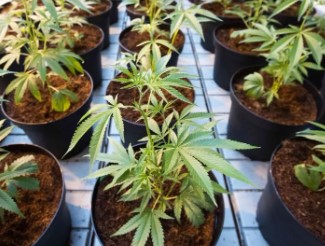
The cultivation of North American cannabis strains has advanced significantly due to scientific research, genetic optimization, and innovative agricultural technologies. These advancements have led to improved yield, potency, and resilience of cannabis plants. Below is a detailed scientific breakdown of the methods used to cultivate North American cannabis strains, covering indoor, outdoor, and hydroponic techniques, along with the factors influencing optimal growth.
Environmental Requirements for Cultivation
The success of North American cannabis strains depends heavily on environmental factors. Understanding and controlling these factors can significantly improve yield, cannabinoid concentration, and terpene profiles.
Light Requirements
Cannabis is a photoperiodic plant, meaning it responds to light cycles to trigger flowering. In nature, it follows seasonal changes, but in indoor cultivation, light cycles are manipulated to control vegetative and flowering phases.
- Vegetative Stage: Eighteen to twenty-four hours of light per day.
- Flowering Stage: Twelve hours of light, twelve hours of darkness.
Light Sources
- High-Intensity Discharge (HID) Lamps: Includes Metal Halide (MH) and High-Pressure Sodium (HPS) lamps, commonly used in large-scale indoor grows.
- LED Grow Lights: Energy-efficient, customizable light spectrum, and produces less heat.
- Fluorescent Lights (CFL, T5): Ideal for seedlings and early vegetative growth but insufficient for flowering.
Temperature and Humidity Control
North American strains exhibit optimal growth when temperature and humidity levels are carefully controlled.
| Growth Stage | Temperature (Day) | Temperature (Night) | Humidity Level |
|---|---|---|---|
| Seedling | 22-26°C (72-78°F) | 20-24°C (68-75°F) | 65-70% |
| Vegetative | 24-30°C (75-86°F) | 22-26°C (72-78°F) | 50-70% |
| Flowering | 20-26°C (68-79°F) | 18-22°C (64-72°F) | 40-50% |
| Late Flowering | 18-24°C (64-75°F) | 16-20°C (60-68°F) | 30-40% |
- Too much humidity can lead to mold and bud rot.
- Too little humidity can stress plants and slow growth.
- CO₂ Enrichment (1,000-1,500 ppm) during the vegetative stage enhances photosynthesis and increases yields.
Growing Mediums and Nutrient Science
Cannabis requires a balanced medium with optimal pH, aeration, and nutrient availability.
Soil Cultivation
- Preferred pH range: 6.0 – 6.8
- Abundant in organic materials (bat guano, compost, and worm castings).
- High microbial activity promotes root health.
Hydroponic Cultivation
- Growing cannabis without soil, with roots directly absorbing nutrient solutions.
- pH range: 5.5 – 6.5
- Faster nutrient uptake leads to higher yields and quicker growth.
Popular Hydroponic Systems
- Deep Water Culture (DWC) – Roots are submerged in an oxygenated nutrient solution.
- Nutrient Film Technique (NFT) – Thin film of nutrients flows over the roots.
- Aeroponics – Roots suspended in air and misted with nutrients.
- Coco Coir – A hybrid between soil and hydroponics; provides better aeration and water retention.
Nutrient Management and Fertilization Techniques
Essential Macronutrients
Cannabis plants require three primary macronutrients in different ratios throughout their lifecycle:
- Nitrogen (N) – Essential for leaf growth and chlorophyll production.
- Phosphorus (P) – Supports root development, flowering, and resin production.
- Potassium (K) – Enhances overall plant health, disease resistance, and bud density.
Nutrient Schedule for Optimal Growth
| Growth Stage | N-P-K Ratio | Additional Micronutrients |
|---|---|---|
| Seedling | 2-1-2 | Calcium, Magnesium, Iron |
| Vegetative | 3-1-2 | Zinc, Manganese, Copper |
| Early Flowering | 1-3-2 | Boron, Sulfur |
| Late Flowering | 0-3-3 | Silica for trichome development |
Organic vs. Synthetic Nutrients
- Organic nutrients (compost teas, fish emulsion, bone meal) improve soil health but release nutrients slowly.
- Synthetic nutrients (hydroponic formulas) provide faster absorption but require careful pH balancing.
Cannabis Training Techniques to Maximize Yield
To optimize cannabis growth, various training techniques manipulate the plant structure to maximize light penetration and bud development.
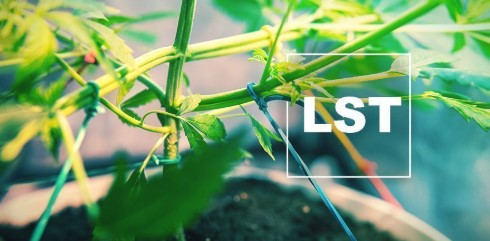
Low-Stress Training (LST)
- Tying down and bending branches to produce a uniform canopy.
- Prevents overshadowing, improving bud exposure to light.
High-Stress Training (HST)
- Topping: Cutting the main stem to promote multiple colas.
- FIMming: Cutting the tip to encourage bushier growth.
- Supercropping: Slightly breaking inner plant tissue to strengthen branches.
Screen of Green (ScrOG)
- Mesh netting spreads out branches horizontally, exposing more bud sites to light.
Sea of Green (SOG)
- Multiple small plants are grown closely together to maximize space and speed up harvest cycles.
Scientific Understanding of Flowering and Trichome Development
Flowering Phase and Bud Formation
- Indica strains flower in 7-9 weeks, Sativas take 10-14 weeks.
- Proper phosphorus and potassium feeding improves bud size and potency.
Trichome Science
Trichomes produce cannabinoids and terpenes, and their color determines the best time to harvest.
| Trichome Color | Harvest Time | Effects |
|---|---|---|
| Clear | Too Early | Low potency |
| Milky White | Optimal | Maximum THC content |
| Amber | Late | Increased CBN, more sedative effects |
Post-Harvest Processing for Maximum Potency
Drying
- Temperature: 60-70°F (15-21°C)
- Humidity: 45-55%
- Duration: 7-14 days
- Drying too fast = Harsh smoke.
- Drying too slow = Risk of mold.
Curing
- Glass jars stored at 60-65% humidity.
- Open jars daily to release moisture.
- Improves flavor, smoothness, and potency.
Pest and Disease Management
Common cannabis pests include spider mites, thrips, and aphids. Preventative methods include:
- Neem oil: Organic pesticide.
- Beneficial insects: Ladybugs, predatory mites.
- Air circulation: Reduces fungal infections like powdery mildew.
8. Conclusion
North American cannabis strains represent some of the most potent and therapeutically beneficial cannabis varieties worldwide. Their high THC content, diverse terpene profiles, and wide range of medical and recreational effects make them highly sought after. Whether for treating medical conditions like chronic pain and anxiety or for recreational enjoyment, North American strains continue to shape the cannabis industry, setting benchmarks for quality, potency, and cultivation innovation.
For a complete directory of cultivars, visit our Cannabis Strain Reviews.
