Table of Contents
Nordle CBD, a hybrid cannabis strain, is recognized for its balanced cannabinoid profile and therapeutic potential. Developed by the legendary breeder Mr. Nice Seedbank, Nordle is a cross between Afghani and Skunk genetics. Its name, inspired by Howard Marks’ codeword for hashish, reflects its deep connection to the cannabis culture.
This document provides an exhaustive analysis of Nordle CBD, delving into its genetic lineage, chemical composition, cultivation practices, medical applications, recreational benefits, and scientific insights.
Genetic Lineage and Characteristics
Parent Strains
- Afghani: Known for its sedative and pain-relieving properties, Afghani contributes to Nordle’s indica characteristics. This landrace strain brings stability, resilience, and a calming effect to the hybrid.
- Skunk: A sativa-dominant strain renowned for its uplifting and euphoric effects, Skunk balances Nordle’s profile with energetic and mood-enhancing qualities.
Physical Appearance
Nordle CBD plants exhibit classic hybrid traits, including medium height, dense foliage, and sturdy stems. Its buds are compact and coated with trichomes, emitting a distinct aroma of sweet fruit and earthy undertones. The presence of orange pistils adds vibrancy to its aesthetic appeal.
Terpene Profile
The terpene composition of Nordle CBD is crucial to its effects and aroma. Prominent terpenes include:
- Myrcene: Contributes to the strain’s earthy and musky scent, while enhancing relaxation and sedation.
- Limonene: Provides a citrusy aroma and mood-lifting properties.
- Beta-Caryophyllene: Offers anti-inflammatory benefits and interacts with CB2 receptors in the endocannabinoid system.
Chemical Composition
Nordle CBD is celebrated for its balanced cannabinoid profile, typically featuring a CBD:THC ratio of 1:1 or higher. This equilibrium minimizes psychoactive effects while maximizing therapeutic potential.
Cannabinoid Content
- CBD (Cannabidiol): Typically ranges between 6-12%. Known for its non-psychoactive properties, CBD offers a plethora of medical benefits, including anti-inflammatory, analgesic, and anxiolytic effects.
- THC (Tetrahydrocannabinol): Found in concentrations of 6-10%. This moderate level ensures mild psychoactivity, making the strain suitable for users seeking relaxation without overwhelming euphoria.
- Minor Cannabinoids: Includes CBG (Cannabigerol) and CBC (Cannabichromene), which contribute to the entourage effect.
Optimal CBD:THC Ratios
Nordle’s typical 1:1 ratio is ideal for:
- Enhancing pain management without significant intoxication.
- Reducing anxiety while maintaining mental clarity.
- Supporting balanced neuroprotective benefits.
Methods of Cultivation for Nordle CBD
1. Indoor Cultivation
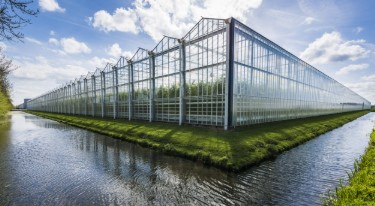
- Control Over Environment: Indoor cultivation allows precise regulation of temperature, humidity, and light cycles, ensuring optimal growth conditions.
- Lighting:
- Use high-quality LED or HPS (High-Pressure Sodium) lights for optimal light spectrum and intensity.
- Vegetative stage: Every day, 18–24 hours of light.
- Flowering stage: For flowering, switch to a 12/12 light cycle.
- Temperature:
- Vegetative stage: 22-26\u00b0C (72-78\u00b0F).
- Flowering stage: 20-24\u00b0C (68-75\u00b0F).
- Avoid temperature fluctuations to prevent stress.
- Humidity:
- Vegetative stage: 60-70% RH (Relative Humidity).
- Flowering stage: 40-50% RH to minimize the risk of mold.
- Nutrient Management:
- Balanced nutrient feed during the vegetative stage with higher nitrogen content.
- Phosphorus and potassium should dominate during the flowering stage to enhance bud development.
- Advantages:
- Pest and disease control.
- Consistent cannabinoid and terpene profiles.
- Potential for year-round harvests.
2. Outdoor Cultivation
- Climate Requirements:
- Nordle CBD thrives in a Mediterranean-like climate with warm days and cool nights.
- Ideal temperatures: 20-28\u00b0C (68-82\u00b0F) during the growing season.
- Requires low humidity levels to prevent mold during flowering.
- Soil:
- Nutrient-rich, well-draining soil with a pH of 6.0 to 6.5, which is slightly acidic.
- Enrich soil with organic compost or amendments like bat guano and bone meal.
- Sunlight:
- For best growth, it needs 6–8 hours of direct sunlight per day.
- Watering:
- Use a deep watering schedule to encourage strong root development.
- Ensure proper drainage to avoid waterlogging.
- Advantages:
- Cost-effective with larger plant sizes.
- Natural sunlight promotes robust terpene development.
- Challenges:
- Susceptible to illnesses, pests, and erratic weather.
3. Greenhouse Cultivation
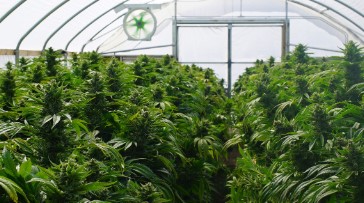
- Combination of Indoor and Outdoor Advantages:
- Utilizes natural sunlight while providing environmental control.
- Supplement lighting with LEDs or HPS for cloudy days or during short daylight periods.
- Temperature and Humidity:
- Monitor closely using automated climate control systems.
- Perfect for areas with erratic weather patterns.
- Advantages:
- Reduced energy costs compared to indoor setups.
- Extended growing seasons with better pest management than outdoor cultivation.
- Challenges:
- Requires initial investment in greenhouse infrastructure.
- Limited space compared to outdoor fields.18-24 hours of light daily.
Cultivation Stages
1. Germination
- Seeds: Use high-quality, feminized seeds from a reputable source to ensure a consistent crop of cannabinoid-rich plants.
- Environment:
- Maintain a temperature of 20-25\u00b0C (68-77\u00b0F).
- Keep seeds in a dark, moist environment using a damp paper towel or seedling tray.
- Timeframe: Seeds typically germinate within 24-72 hours.
2. Vegetative Stage
- Growth Characteristics:
- Plants focus on developing strong stems and broad leaves.
- Maintain consistent watering and nutrient schedules.
- Training Techniques:
- Topping: Cutting the main stem to encourage lateral growth and increase yields.
- Low-Stress Training (LST): Bending branches to improve light penetration and air circulation.
- Screen of Green (SCROG): Using a mesh screen to maximize light exposure for all branches.
3. Flowering Stage
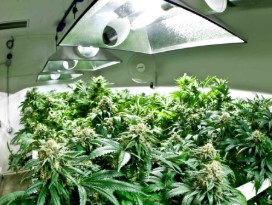
- Light Management:
- Indoor growers must switch to a 12/12 light cycle.
- Outdoor growers rely on natural photoperiod changes as days shorten.
- Feeding:
- Use bloom-specific nutrients with high phosphorus and potassium.
- Reduce nitrogen to prevent excessive vegetative growth.
- Trichome Monitoring:
- Examine the development of trichomes under a magnifying glass.
- Harvest when trichomes turn from clear to milky white or amber for the best cannabinoid profile.
4. Harvesting
- Timing:
- Typically 8-10 weeks after flowering begins for Nordle CBD.
- Harvest based on trichome color and bud maturity rather than fixed timelines.
- Method:
- Hand-trim buds to preserve trichomes and terpenes.
- Ensure proper handling to avoid damaging the resin glands.
Post-Harvest Process
1. Drying
- Environment:
- Dark room with controlled temperature (15-20\u00b0C / 59-68\u00b0F) and humidity (45-55% RH).
- Ensure good airflow to prevent mold development.
- Duration: 7–14 days, based on the density of the buds.
2. Curing
- Purpose:
- Enhances terpene profile and cannabinoid potency.
- Reduces harshness and improves flavor.
- Method:
- Put the dried buds in glass jars that are airtight.
- Store jars in a cool, dark place and open daily for the first week to release moisture (“burping”).
- Cure for at least 2-4 weeks for optimal results.
3. Storage
- Conditions:
- Store cured buds in airtight containers at 15-20\u00b0C (59-68\u00b0F) with humidity packs (62% RH) to maintain freshness.
- Avoid exposure to light, heat, and oxygen to prevent cannabinoid degradation.
Advanced Techniques
Hydroponic Cultivation
- Overview: Growing plants in a soilless medium using nutrient-rich water.
- Advantages:
- Faster growth and higher yields due to direct nutrient absorption.
- Decreased danger of diseases and pests carried by the soil.
- Challenges:
- Requires precise monitoring of pH and nutrient levels.
- Initial setup costs can be high.
- Ideal for:
- Indoor growers seeking to maximize space and control.
Organic Cultivation
- Overview: Focuses on natural inputs like compost, worm castings, and organic teas.
- Advantages:
- Produces cleaner, more flavorful buds with enhanced terpene profiles.
- Environmentally friendly with reduced chemical inputs.
- Challenges:
- May result in slightly lower yields compared to synthetic nutrients.
- Requires time for soil amendments to break down and become bioavailable.
Aeroponics
- Overview: Plants are suspended in air, with roots periodically misted with a nutrient solution.
- Advantages:
- Maximizes oxygen exposure to roots for accelerated growth.
- Uses fewer nutrients and water than conventional techniques.
- Challenges:
- Complex and expensive setup.
- High maintenance due to precision equipment requirements.
Pest and Disease Management
Common Pests:
- Spider Mites: Controlled with neem oil or predatory insects (e.g., ladybugs).
- Aphids: Use insecticidal soap or biological controls.
- Fungus Gnats: Prevent overwatering and use sticky traps.
Common Diseases:
- Powdery Mildew: Maintain proper airflow and low humidity.
- Bud Rot: Prevent by ensuring adequate ventilation and monitoring moisture levels.
Preventative Measures:
Regularly inspect plants for early signs of pests or disease.
Maintain a clean grow area.
Use integrated pest management (IPM) techniques.
Medical Applications
Nordle CBD is a versatile strain with a wide range of medical benefits, thanks to its balanced cannabinoid and terpene profile.
Pain Management
- Chronic Pain: The synergistic effects of CBD and THC alleviate conditions such as arthritis, fibromyalgia, and neuropathy.
- Acute Pain: Suitable for post-operative recovery and injury-related discomfort.
Neurological Disorders
- Epilepsy: High CBD content has anticonvulsant properties, reducing seizure frequency and severity.
- Multiple Sclerosis (MS): Relieves spasticity and improves mobility.
Mental Health Conditions
- Anxiety: CBD’s anxiolytic properties counteract THC-induced paranoia, providing a calming effect.
- Depression: Boosts serotonin levels, enhancing mood and reducing depressive symptoms.
- Post-Traumatic Stress Disorder (PTSD): Promotes emotional stability and reduces intrusive thoughts.
Inflammatory Conditions
- Inflammatory Bowel Disease (IBD): Reduces inflammation and alleviates symptoms like abdominal pain and diarrhea.
- Autoimmune Disorders: Mitigates inflammation in conditions such as lupus and rheumatoid arthritis.
Cancer-Related Symptoms
- Nausea and Vomiting: Effective for chemotherapy-induced side effects.
- Appetite Stimulation: Encourages patients who are experiencing cachexia to eat.
- Pain Relief: Addresses cancer-related discomfort.
Recreational Uses
While primarily known for its medical applications, Nordle CBD also appeals to recreational users seeking a mild and balanced experience.
Relaxation
Nordle induces a gentle body high that promotes relaxation without heavy sedation. It is ideal for unwinding after a stressful day.
Social Settings
With its moderate THC levels, Nordle facilitates sociability and conversation, making it suitable for gatherings without causing overwhelming euphoria.
Creativity
The uplifting effects of its Skunk lineage can spark creativity, making it popular among artists and thinkers.
Everyday Activities
The strain’s clear-headed effects allow users to engage in activities like yoga, reading, or hiking without mental fog.
Scientific Insights
Mechanisms of Action
Cannabinoids in Nordle interact with the endocannabinoid system (ECS), which regulates physiological processes such as pain, mood, and inflammation. Key mechanisms include:
- CB1 Receptors: THC activates these receptors in the brain, producing mild psychoactive effects and pain relief.
- CB2 Receptors: CBD’s interaction reduces inflammation and modulates immune responses.
Clinical Studies
- Pain and Inflammation: Research demonstrates that CBD-rich strains like Nordle are effective in managing chronic pain and inflammatory conditions.
- Anxiety Disorders: Studies indicate significant reductions in anxiety symptoms with CBD-rich cannabis.
- Epilepsy: Clinical trials, including those supporting FDA-approved Epidiolex, highlight CBD’s efficacy in treating seizure disorders.
Methods of Ingestion for Nordle CBD
1. Smoking
- Method: Inhalation through joints, pipes, or bongs.
- Onset: Effects begin within 1-5 minutes of inhalation as cannabinoids quickly enter the bloodstream via the lungs.
- Duration: Lasts 2-3 hours, depending on dosage and individual tolerance.
- Effects:
- Rapid relief from pain and anxiety.
- Relaxation and mild euphoria.
- Slight sedation without overwhelming psychoactivity.
- A good option for acute symptom management (e.g., migraines, sudden anxiety attacks).
2. Vaporization (Vaping)
- Method: Using a vaporizer to heat the cannabis flower or concentrate to release cannabinoids without combustion.
- Onset: 1-3 minutes, slightly faster than smoking due to reduced irritants from combustion.
- Duration: 2-4 hours.
- Effects:
- Clean, smooth experience with fewer toxins compared to smoking.
- Controlled effects with similar benefits to smoking, including quick relief from symptoms like pain and stress.
- Enhanced terpene flavors, offering a more aromatic experience.
3. Edibles
- Method: Consuming cannabis-infused food or beverages made with Nordle CBD oil or decarboxylated flower.
- Onset: 30 minutes to 2 hours, depending on metabolism and stomach contents.
- Duration: 6-8 hours, with a peak effect around 2-3 hours after ingestion.
- Effects:
- Gradual onset provides sustained relief from chronic conditions like arthritis or insomnia.
- More body-focused relaxation and reduced mental stimulation.
- Ideal for users seeking long-lasting effects, such as nighttime pain relief or prolonged stress reduction.
- Precaution: Start with a low dose (5-10 mg CBD/THC) to gauge tolerance.
4. Sublingual (Tinctures and Oils)
- Method: Placing drops of Nordle CBD oil under the tongue for rapid absorption into the bloodstream.
- Onset: 15-30 minutes.
- Duration: 4-6 hours.
- Effects:
- Faster onset and more accurate dosage than edibles.
- Effective for generalized anxiety, mild pain, and inflammation.
- Discreet and easy to use for consistent therapeutic benefits.
- A good choice for individuals who need non-invasive, portable options.
5. Topical Applications
- Method: Applying Nordle CBD-infused creams, balms, or salves directly to the skin.
- Onset: Within 15-30 minutes after application.
- Duration: Up to 4 hours, depending on the product and application area.
- Effects:
- Localized pain relief without psychoactive effects.
- Reduces inflammation in joints and muscles, beneficial for arthritis and sports injuries.
- Enhances skin health with antioxidant properties.
- Does not enter the bloodstream, making it ideal for users who want to avoid systemic effects.
6. Capsules and Pills
- Method: Swallowing pre-measured capsules containing Nordle CBD extract.
- Onset: 30 minutes to 2 hours, similar to edibles due to digestion.
- Duration: 6-8 hours.
- Effects:
- Convenient and precise dosing.
- Long-lasting relief for chronic conditions like fibromyalgia, anxiety, or neuropathy.
- No taste or odor, making it appealing for users sensitive to the flavor of cannabis.
- Suitable for daily therapeutic routines.
7. Dabbing (Concentrates)
- Method: Inhaling vaporized Nordle CBD concentrate using a dab rig or similar device.
- Onset: Immediate, within 1-2 minutes.
- Duration: 2-3 hours.
- Effects:
- Intense and fast-acting relief, especially for severe pain or nausea.
- Stronger effects compared to smoking or vaping flower due to concentrated cannabinoids.
- Requires experience and precision to avoid overconsumption.
Scientific Insights on Duration and Effects
Pharmacokinetics of Nordle CBD
- Absorption:
- Inhalation offers the quickest absorption, delivering cannabinoids to the bloodstream almost instantaneously.
- Oral ingestion (edibles or capsules) involves first-pass metabolism in the liver, resulting in delayed but prolonged effects.
- Sublingual delivery bypasses the digestive system, ensuring faster bioavailability.
- Metabolism:
- THC in Nordle converts to 11-hydroxy-THC during digestion, which is more potent and contributes to the prolonged effects of edibles.
- CBD undergoes similar metabolic pathways but without psychoactive conversion, ensuring therapeutic benefits remain dominant.
- Elimination:
- Cannabinoids are lipophilic, meaning they bind to fat molecules and are released gradually over time. This explains why edibles and capsules offer extended relief.
Factors Influencing Effects
- Dosage: Higher doses of CBD promote stronger relaxation and anti-inflammatory effects, while balanced THC levels prevent overwhelming psychoactivity.
- Tolerance: Frequent users may experience diminished effects over time, requiring periodic tolerance breaks.
- Individual Physiology: Body weight, metabolism, and ECS receptor density influence the duration and intensity of effects.
- Cannabinoid Ratios: Nordle’s 1:1 CBD:THC ratio ensures a balance between therapeutic and mild psychoactive effects, suitable for most users.
Combination with Terpenes
- Terpenes like myrcene, limonene, and beta-caryophyllene modulate the absorption and effects of cannabinoids through the entourage effect.
- For example, myrcene enhances THC’s sedative properties, while beta-caryophyllene interaction with CB2 receptors amplifies CBD’s anti-inflammatory actions.
Entourage Effect
Nordle’s balanced profile exemplifies the entourage effect, where cannabinoids and terpenes work synergistically to enhance therapeutic outcomes. For instance:
- Myrcene and CBD together potentiate sedation and pain relief.
- Beta-Caryophyllene amplifies anti-inflammatory effects through CB2 receptor activation.
Potential Side Effects
Nordle CBD is well-tolerated, but some users may experience:
- Dry Mouth and Eyes: Common with cannabis use; mitigated by staying hydrated.
- Mild Dizziness: Typically occurs in novice users or with higher doses.
- Low Blood Pressure: Rare but possible, especially in individuals prone to hypotension.
Conclusion
Nordle CBD is a unique strain that bridges the gap between medical and recreational cannabis. Its balanced cannabinoid profile, therapeutic versatility, and manageable psychoactivity make it a standout choice for diverse users. Whether managing chronic conditions or seeking a mild recreational experience, Nordle CBD offers a balanced combination of rejuvenation, relief, and relaxation.
Ongoing research and cultivation innovations continue to enhance our understanding of this remarkable strain, solidifying its place in the evolving cannabis landscape. Nordle CBD’s legacy as a healing and enjoyable cultivar ensures its relevance for years to come.
For a complete directory of cultivars, visit our Cannabis Strain Reviews.
