Table of Contents
Genetic Lineage
Strain Type:
- Indica-dominant hybrid
- Roughly 70% Indica / 30% Sativa
Genetic Background:
Night Train is a cross between Jasmine and Trainwreck. It inherits sedative effects from its Indica-heavy Jasmine lineage and the energizing, euphoric qualities from Trainwreck, a Sativa-dominant hybrid.
Breeder Information:
- Originally bred by Elemental Seeds, Night Train is known for its high potency and unique terpene profile.
- Because of its potent sedative effects, it is best used in the evening or at night.
Appearance, Aroma, and Flavor Profile
Appearance:
- Dense, medium-sized buds with a deep green color and occasional hints of purple.
- It has a thick layer of trichomes covering it, making it look icy.
- Its aesthetic appeal is enhanced by the orange pistils that wind through the buds.
Aroma:
- Strong earthy and woody scent
- Undertones of spice, pine, and a slight diesel-like aroma
- Hints of sweet floral notes inherited from Jasmine
Flavor Profile:
- Robust, earthy taste with prominent spicy and woody undertones
- Subtle sweetness on the exhale
- Some phenotypes feature a slight citrus note from the Trainwreck lineage
Cannabinoid Profile
Primary Cannabinoids:
| Cannabinoid | Typical Range (%) |
|---|---|
| THC | 18% – 22% |
| CBD | 0.1% – 1% |
| CBG | ~1% |
| THCV | Trace amounts |
- High THC content of Night Train leads to strong psychoactive effects.
- Low CBD levels in Night Train make it less suitable for conditions requiring high CBD.
- CBG presence may contribute to anti-inflammatory properties.
Terpene Profile and Effects
Primary Terpenes in Night Train:
| Terpene | Aroma/Flavor | Effects |
|---|---|---|
| Myrcene | Earthy, musky, herbal | Sedation, relaxation, pain relief |
| Limonene | Citrus, lemon | Mood uplift, anti-anxiety, stress relief |
| Caryophyllene | Spicy, peppery | Anti-inflammatory, pain relief, stress reduction |
| Pinene | Pine, fresh | Memory retention, alertness, anti-inflammatory |
- Myrcene-dominant, leading to deep relaxation and couch-lock effects.
- Caryophyllene contributes to anti-inflammatory properties, making it effective for pain relief.
- Limonene adds uplifting mental effects, counteracting heavy sedation.
Recreational Uses of Night Train
Effects:
| Effect | Intensity |
|---|---|
| Euphoria | High |
| Relaxation | Very High |
| Sedation | Very High |
| Happiness | High |
| Couch-lock | Very High |
| Creativity | Moderate |
| Focus | Low |
Best Used For:
- Evening and nighttime use of Night Train due to its sedative nature.
- Reducing stress and relaxing after a demanding day.
- Watching movies or listening to music, enhancing sensory perception.
- Deep relaxation sessions such as meditation or mindfulness.
- Social settings with close friends, especially for relaxation and storytelling.
Recreational Benefits:
- Mood Enhancement
- Begins with a mild cerebral buzz, creating a sense of euphoria and happiness.
- Gradually transitions into deep physical relaxation.
- Body High and Couch-Lock
- As the high progresses, heavy body sedation sets in, making it ideal for lounging.
- Not recommended for activities requiring focus or coordination.
- Creative but Slow-Paced Thinking
- May enhance imaginative thinking but slows down productivity.
- Best for passive creative activities such as painting or brainstorming ideas.
- Enhancing Music and Visual Experiences
- Amplifies music appreciation and visual stimuli, making it great for artistic hobbies.
Medical Applications of Night Train
Primary Medical Uses:
| Condition | Effectiveness |
|---|---|
| Chronic Pain | Very High |
| Insomnia | Very High |
| Stress & Anxiety | High |
| Depression | High |
| Appetite Stimulation | Moderate |
| Muscle Spasms | Very High |
Medical Benefits Explained:

- Pain Relief (Chronic and Neuropathic Pain)
- High THC and caryophyllene content help reduce chronic pain conditions like arthritis, migraines, and fibromyalgia.
- Insomnia and Sleep Disorders
- Myrcene’s sedative properties help users fall asleep faster and stay asleep longer.
- Strong couch-lock effect ensures deep sleep.
- Anxiety and Stress Reduction
- Limonene contributes to mood stabilization, reducing stress and anxiety.
- Induces a sense of calm and relaxation without over-stimulation.
- Depression Management
- The initial euphoric rush uplifts mood, making it helpful for low-energy depression.
- Long-term relaxing effects reduce chronic stress, aiding in emotional stability.
- Muscle Spasms and Inflammation
- CBG and myrcene work as muscle relaxants, helping with spasticity disorders like multiple sclerosis and Parkinson’s disease.
- Appetite Stimulation
- Moderate munchies effect, making it useful for appetite loss in chemotherapy patients.
Growth Characteristics of Night Train
Plant Morphology & Structure
- Indica-dominant, meaning it has a short, bushy structure with broad leaves.
- Medium to high resin production, making it ideal for concentrates and extracts.
- Dense bud formation, which can be susceptible to mold in high humidity environments.
- Average flowering time of 8-10 weeks, making it relatively fast-growing for an Indica-dominant strain.
- Depending on the growing circumstances, the yield might range from moderate to high.
Optimal Growing Conditions
Indoor vs. Outdoor Cultivation
| Factor | Indoor | Outdoor |
|---|---|---|
| Climate Control | Precise, adjustable | Dependent on natural conditions |
| Yield per Plant | 400-500g/m² | 500-700g per plant |
| Pest Exposure | Low (if controlled) | Higher risk of pests & mold |
| Growth Rate | Fast, optimized | Seasonal, slower |
Best Cultivation Method: Night Train thrives in both indoor and outdoor environments, but indoor cultivation is preferred for better control over temperature, humidity, and lighting conditions.
Temperature and Humidity Control
- Vegetative Stage:
- Temperature: 22-28°C (72-82°F)
- Humidity: 50-60%
- Flowering Stage:
- Temperature: 20-26°C (68-78°F)
- Humidity: 40-50% to prevent mold on dense buds
- Late Flowering (Ripening):
- Temperature: 18-24°C (64-75°F)
- Humidity: 30-40% for maximum trichome production
Light Cycle Requirements
| Growth Stage | Light Cycle | Intensity (PPFD) |
|---|---|---|
| Seedling | 18/6 or 24/0 | 200-400 µmol/m²/s |
| Vegetative | 18/6 | 400-600 µmol/m²/s |
| Flowering | 12/12 | 600-900 µmol/m²/s |
- LED grow lights with full-spectrum (3000K-5000K) or HPS lights (1000W) are optimal for growth.
- Far-red light exposure (730 nm) during flowering may increase bud density.
- Gradual reduction of light intensity before harvest can enhance resin production.
Nutrient and Soil Requirements
Best Soil Type
- Loamy, well-aerated soil with high organic matter.
- Optimal pH: 6.0 – 6.5 for soil, 5.8 – 6.2 for hydroponic systems.
- Adding perlite or coco coir improves drainage and oxygenation.
Nutrient Schedule
| Growth Stage | N-P-K Ratio | Additional Nutrients |
|---|---|---|
| Seedling | 2-1-2 | Root stimulators (kelp extract) |
| Vegetative | 4-2-3 | Magnesium, Calcium |
| Early Flowering | 2-3-5 | Potassium, Phosphorus boost |
| Late Flowering | 1-4-6 | Sulfur, micronutrients |
| Flush Phase | 0-0-0 | Water only |
- High Nitrogen (N) in vegetative growth promotes leaf and stem development.
- Increased Phosphorus (P) and Potassium (K) in flowering supports bud formation.
- Calcium and Magnesium supplementation prevents common deficiencies in Night Train.
- Flushing with pure water for two weeks before harvest improves smoke quality.
Training and Growth Optimization Techniques
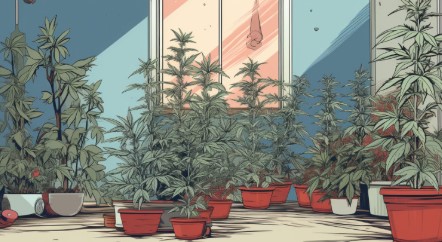
Low-Stress Training (LST)
- Bending branches outward improves light penetration, increasing bud sites.
- Recommended during vegetative stage to maximize canopy size.
High-Stress Training (HST) – Topping & FIMing
- Topping (cutting the main cola) results in two main colas, promoting higher yield.
- FIMing (partial cutting of new growth) produces multiple new shoots, increasing bud production.
Screen of Green (ScrOG) Method
- A mesh screen is used to spread out branches, maximizing light exposure.
- Improves airflow, reducing mold risk in Night Train’s dense buds.
Defoliation and Pruning
- Removing lower fan leaves allows more energy to be directed to top buds.
- Pruning increases air circulation, preventing mold growth.
Pest and Disease Control
Common Pests & Prevention
| Pest | Effect on Plant | Prevention |
|---|---|---|
| Spider Mites | Leaf damage, yellowing | Neem oil, predatory mites |
| Aphids | Suck nutrients, weaken plant | Ladybugs, insecticidal soap |
| Fungus Gnats | Root damage, stunted growth | Dry soil surface, sticky traps |
| Bud Rot (Botrytis) | Moldy buds | Lower humidity, good airflow |
- Integrated Pest Management (IPM) is recommended, combining organic pest control with environmental adjustments.
- Companion planting with basil, mint, or marigold can naturally deter pests.
Flowering and Harvesting Techniques
Flowering Time:
- Indoors: 8-10 weeks
- Outdoors: Late September until early October is harvest time.
Signs of Readiness for Harvest:
- Trichome Color Change:
- Cloudy trichomes: Peak THC levels.
- Amber trichomes: Higher sedative effects (best for Night Train).
- Pistil Color:
- 70-90% dark orange or brown pistils indicate full maturity.
Harvesting Method:
- Cut branches at the base, keeping large colas intact.
- Hang buds upside down in a dark, cool area (18-22°C, 50% humidity).
- Drying period: 7-10 days until stems snap instead of bending.
- Curing: Place dried buds in glass jars, opening them daily for first two weeks to release moisture.
- Full curing time: 2-6 weeks for optimal flavor and potency.
Yield Estimates and Post-Harvest Processing
| Growing Method | Yield Per Plant |
|---|---|
| Indoor (Soil or Hydroponic) | 400-500g/m² |
| Outdoor (Full Sun) | 500-700g per plant |
- Hydroponic systems can increase yield by 10-20%, but require precise nutrient control.
- CO₂ supplementation in sealed grow rooms can boost yield by 20-30%.
Post-Harvest Processing:
- Hand-trimming preserves trichomes but is labor-intensive.
- Machine trimming is faster but may reduce terpene content.
- Cold curing at 16°C (60°F) enhances terpene retention.
Potential Side Effects
| Side Effect | Severity |
|---|---|
| Dry Mouth | High |
| Dry Eyes | Moderate |
| Dizziness | Moderate |
| Paranoia (High Doses) | Low |
| Grogginess (Next Morning) | High |
- Dry mouth and dry eyes are the most common side effects.
- High doses may cause dizziness or paranoia, especially for THC-sensitive users.
- Strong sedation may lead to morning grogginess, so it is best used before bed.
Scientific Research & Pharmacology of Night Train
Mechanisms of Action:
- THC binds to CB1 receptors in the brain, leading to euphoria and relaxation.
- Myrcene enhances GABAergic activity, increasing sedation.
- Caryophyllene has anti-inflammatory properties through its interaction with CB2 receptors.
- Limonene modulates serotonin and dopamine, contributing to stress relief.
Comparative Analysis with Similar Strains:
| Strain | Indica/Sativa | THC % | Effects |
|---|---|---|---|
| Night Train | 70% Indica | 18-22% | Sedative, pain relief, relaxation |
| Granddaddy Purple | 80% Indica | 18-23% | Strong body high, deep relaxation |
| Trainwreck | 65% Sativa | 20-24% | Energizing, cerebral euphoria |
| OG Kush | 60% Indica | 19-22% | Stress relief, mild euphoria |
Scientific Findings on Night Train’s Components:
- Myrcene-dominant strains are often linked to strong sedative effects.
- Caryophyllene’s unique binding to CB2 receptors makes it an effective anti-inflammatory agent.
- Limonene and pinene may counteract sedation slightly, but Night Train remains heavily Indica-dominant.
Methods of Ingestion and Their Scientific Mechanisms
A. Inhalation (Smoking & Vaporization)
Mechanism:
- THC and other cannabinoids are absorbed through pulmonary alveoli in the lungs.
- Enters the bloodstream directly, bypassing the digestive system and liver.
- Leads to rapid onset of effects due to direct access to the central nervous system (CNS).
Two Primary Inhalation Methods:
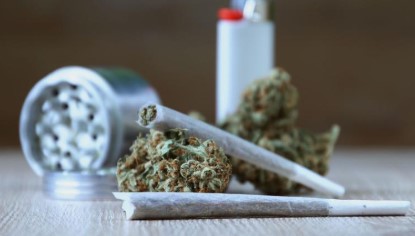
- Smoking (Joints, Pipes, Bongs)
- Combustion occurs at ~600-900°F, degrading some cannabinoids.
- Produces harmful byproducts (carbon monoxide, tar, benzene).
- Bioavailability: ~15-30% THC absorption due to loss from combustion.
- Peak effects: 10-30 minutes after inhalation.
- Vaporization (Dry Herb Vaporizers, Concentrates)
- Operates at 180-220°C (356-428°F), preventing cannabinoid degradation.
- Higher bioavailability (~40-50%) compared to smoking.
- Less lung irritation, fewer harmful byproducts.
- Peak effects: 5-15 minutes after inhalation.
Scientific Summary of Inhalation:
| Factor | Smoking | Vaporization |
|---|---|---|
| Bioavailability | 15-30% | 40-50% |
| Onset Time | 1-5 minutes | 1-5 minutes |
| Peak Effects | 10-30 minutes | 5-15 minutes |
| Duration of Effects | 2-4 hours | 2-4 hours |
| Health Impact | Irritation, toxins | Fewer toxins, gentler on lungs |
Best for:
- Fast relief of pain, anxiety, and insomnia.
- Users who prefer instant effects and controlled dosage.
B. Oral Ingestion (Edibles, Capsules, Tinctures, Sublingual Absorption)
Mechanism:
- THC is absorbed via the digestive tract, then metabolized by the liver (first-pass metabolism) into 11-hydroxy-THC.
- 11-hydroxy-THC is more potent and longer-lasting than delta-9-THC.
- Slower onset, but produces stronger and prolonged effects.
Types of Oral Ingestion:
- Edibles (Gummies, Brownies, Beverages, Chocolates)
- Absorption: Stomach and small intestine → Liver (CYP450 enzymes).
- Higher bioavailability (~4-20%) due to digestive breakdown.
- Delayed onset: 30-90 minutes, depending on metabolism and food presence.
- Peak effects: 2-4 hours after ingestion.
- Duration: 6-8 hours, sometimes up to 12 hours in high doses.
- Capsules and Tablets
- Similar to edibles but with more precise dosing.
- Slower digestion compared to liquid-based edibles.
- Used for long-lasting relief of chronic pain, insomnia, or anxiety.
- Tinctures (Sublingual Absorption)
- Held under the tongue (sublingual) for 30-60 seconds before swallowing.
- THC enters the bloodstream via sublingual mucosa, bypassing digestion.
- Onset: 15-30 minutes (faster than edibles but slower than inhalation).
- Peak effects: 1-2 hours after ingestion.
- Duration: 4-6 hours.
Scientific Summary of Oral Ingestion:
| Factor | Edibles | Capsules | Tinctures |
|---|---|---|---|
| Bioavailability | 4-20% | 4-20% | 20-35% |
| Onset Time | 30-90 min | 30-90 min | 15-30 min |
| Peak Effects | 2-4 hours | 2-4 hours | 1-2 hours |
| Duration of Effects | 6-12 hours | 6-12 hours | 4-6 hours |
| Potency | Very high | Very high | Moderate-High |
Best for:
- Long-lasting therapeutic effects (pain relief, anxiety, insomnia).
- Users who want to avoid smoking or vaporization.
C. Topical Application (Creams, Lotions, Transdermal Patches)
Mechanism:
- Absorbed through the skin and local cannabinoid receptors (CB2 receptors).
- Non-psychoactive unless using transdermal patches.
Types of Topical Use:
- Lotions and Creams:
- Penetrate upper skin layers, providing localized relief.
- Best for inflammation, arthritis, muscle pain.
- Effects last 3-6 hours.
- Transdermal Patches:
- Contain carrier agents to push THC/CBD into blood circulation.
- Systemic absorption, leading to psychoactive effects.
- Long-lasting: 8-12 hours.
Scientific Summary of Topicals:
| Factor | Lotions/Creams | Transdermal Patches |
|---|---|---|
| Bioavailability | Localized only | 30-50% |
| Onset Time | 20-40 min | 30-60 min |
| Peak Effects | 1-2 hours | 3-6 hours |
| Duration of Effects | 3-6 hours | 8-12 hours |
| Psychoactive? | No | Yes |
Best for:
- Localized pain, arthritis, inflammation.
- Non-psychoactive medical relief (unless using transdermal patches).
Comparative Analysis of Onset, Peak, and Duration
| Method | Onset Time | Peak Effects | Total Duration | Bioavailability |
|---|---|---|---|---|
| Smoking | 1-5 min | 10-30 min | 2-4 hours | 15-30% |
| Vaporization | 1-5 min | 5-15 min | 2-4 hours | 40-50% |
| Edibles | 30-90 min | 2-4 hours | 6-12 hours | 4-20% |
| Capsules | 30-90 min | 2-4 hours | 6-12 hours | 4-20% |
| Tinctures (Sublingual) | 15-30 min | 1-2 hours | 4-6 hours | 20-35% |
| Topicals (Lotions, Creams) | 20-40 min | 1-2 hours | 3-6 hours | Localized |
| Transdermal Patches | 30-60 min | 3-6 hours | 8-12 hours | 30-50% |
Conclusion
Night Train is a powerful Indica-dominant strain best suited for pain relief, insomnia, and stress reduction. With a high THC content and sedative terpene profile, it is perfect for nighttime use but not ideal for productivity. Recreational users appreciate its deep relaxation and euphoric effects, while medical users find relief from chronic pain, muscle spasms, and anxiety.
For a complete directory of cultivars, visit our Cannabis Strain Reviews.
