Table of Contents
Night Nurse is a potent Indica-dominant hybrid strain known for its strong sedative effects, making it an ideal choice for individuals seeking relaxation, pain relief, and sleep aid. This strain is a three-way cross between BC Hash Plant, Harmony, and Fire OG, giving it a unique blend of effects that cater to both medical and recreational users. With a high THC content and a notable terpene profile, Night Nurse has garnered attention for its ability to provide deep relaxation and relief from various ailments.
Genetic Background
Night Nurse is an Indica-dominant hybrid with a genetic composition of approximately 80% Indica and 20% Sativa. This combination results in a strain that offers the best of both worlds: calming, body-heavy relaxation from its Indica lineage and mild cerebral stimulation from its Sativa heritage.
Parent Strains
- BC Hash Plant: A legendary Indica strain known for its hash-like aroma, high resin production, and sedative effects.
- Harmony: A balanced hybrid that provides mental clarity and stress relief.
- Fire OG: A potent OG Kush descendant that delivers euphoric and body-numbing effects.
The blend of these three strains contributes to Night Nurse’s reputation as a powerful nighttime strain, often used by those suffering from insomnia, chronic pain, and stress-related conditions.
Appearance, Aroma, and Flavor Profile
Appearance
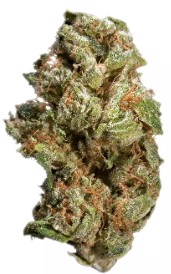
Night Nurse cannabis plants produce dense, medium-sized buds that are deep green with hints of purple and orange pistils. A thick layer of crystalline trichomes coats the buds, giving them a frosty and sticky texture, indicative of their high resin content.
Aroma
Night Nurse emits a distinct and complex aroma profile characterized by:
- Earthy and herbal notes
- Strong coffee and spice undertones
- Hints of citrus and pine
The aroma is pungent and lingering, making it a highly recognizable strain.
Flavor
When smoked or vaporized, Night Nurse offers a rich and smooth flavor that complements its aroma. Users commonly report:
- A coffee-like taste on the inhale
- Spicy and herbal undertones
- A little sweetness that clings on the taste buds
The combination of flavors makes Night Nurse a pleasant strain for those who appreciate earthy, rich cannabis profiles.
THC and CBD Content
THC Levels
Night Nurse is known for its high THC content, typically ranging from 18% to 22%. Some cultivars can exceed 24%, making it a potent option for users with a high THC tolerance.
CBD Levels
The CBD content in Night Nurse is relatively low, usually below 1%, meaning it is not widely used for conditions that require significant CBD influence. However, the high THC content provides ample therapeutic benefits for users seeking relief from pain and sleep disorders.
Medical Uses of Night Nurse Cannabis Strain
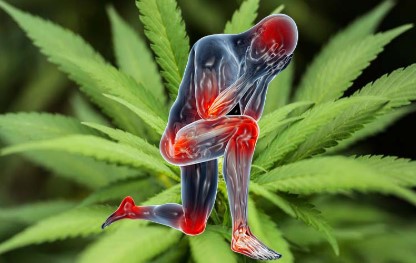
Night Nurse is widely recognized in the medical cannabis community for its strong therapeutic potential due to its Indica-dominant genetics, high THC content, and unique terpene profile. The combination of these factors makes it particularly effective for pain relief, sleep disorders, anxiety, and muscle relaxation. Below is a detailed scientific breakdown of its medical applications based on cannabinoid interactions, neurochemical effects, and physiological benefits.
1. Pharmacological Composition and Medical Mechanisms
Cannabinoid Profile and Therapeutic Action
| Cannabinoid | Percentage (%) | Medical Function |
|---|---|---|
| THC (Δ9-tetrahydrocannabinol) | 18-22% (sometimes higher) | Primary psychoactive component; induces analgesia, sedation, and appetite stimulation. |
| CBD (Cannabidiol) | <1% | Minimal in Night Nurse; enhances the entourage effect but does not play a dominant role. |
| CBN (Cannabinol) | ~1% | Known for its strong sedative effects and potential pain relief. |
| CBC (Cannabichromene) | ~0.5% | Contributes to anti-inflammatory and analgesic properties. |
Night Nurse’s high THC content, combined with CBN and CBC, makes it particularly effective for pain relief, sleep induction, and inflammation reduction. The relatively low CBD concentration means that its effects are primarily driven by THC’s activation of CB1 and CB2 receptors in the endocannabinoid system (ECS).
2. Medical Uses of Night Nurse Cannabis Strain
Pain Management and Analgesic Effects
Scientific Basis:
- THC acts as a partial agonist at CB1 receptors in the central nervous system, modulating pain perception.
- The activation of CB2 receptors in peripheral tissues reduces inflammation, making Night Nurse effective for both neuropathic and inflammatory pain.
Medical Conditions Treated:
- Chronic pain (arthritis, fibromyalgia, multiple sclerosis)
- Neuropathic pain (diabetic neuropathy, sciatica)
- Post-surgical pain
- Migraines and cluster headaches
Studies & Evidence:
- Research published in the Journal of Pain indicates that cannabinoid receptor activation significantly reduces chronic pain and neuropathic discomfort.
- A study in Frontiers in Pharmacology highlights CBN’s role in amplifying THC’s analgesic effects, making Night Nurse particularly useful for severe pain conditions.
Insomnia and Sleep Disorders
Scientific Basis:
- Night Nurse’s high THC and CBN levels work as potent sleep aids by reducing sleep latency and increasing deep sleep cycles (slow-wave sleep, SWS).
- THC shortens REM sleep, which may be beneficial for PTSD patients experiencing nightmares.
Medical Conditions Treated:
- Chronic insomnia
- Sleep apnea
- Restless leg syndrome
- PTSD-related sleep disturbances
Studies & Evidence:
- A 2021 study in Sleep Medicine Reviews suggests that high-THC Indica strains significantly improve sleep onset and duration.
- Clinical trials on cannabinol (CBN) indicate that it enhances sedative effects, which aligns with Night Nurse’s reputation as a powerful nighttime strain.
Anxiety, Stress, and PTSD Relief
Scientific Basis:
- Night Nurse’s THC binds to CB1 receptors in the amygdala, which regulates fear and anxiety responses.
- The presence of the terpene myrcene enhances relaxation, contributing to anxiolytic effects.
- The limbic system modulation leads to a calm, sedative state beneficial for anxiety-prone individuals.
Medical Conditions Treated:
- Generalized Anxiety Disorder (GAD)
- Post-Traumatic Stress Disorder (PTSD)
- Social Anxiety Disorder (SAD)
- Panic attacks
Studies & Evidence:
- A study in the Neuropsychopharmacology Journal found that THC at controlled doses significantly reduces anxiety by modulating GABAergic and serotonergic pathways.
- Research in Molecular Psychiatry demonstrated that cannabis strains high in myrcene and linalool, such as Night Nurse, show potent anti-anxiety effects.
Muscle Relaxation and Spasticity Reduction
Scientific Basis:
- THC reduces muscle tension and involuntary spasms by modulating the endocannabinoid system’s interaction with GABA neurotransmission.
- CBG (cannabigerol) and CBC (cannabichromene) contribute to muscle relaxation effects, enhancing the strain’s overall therapeutic potential.
Medical Conditions Treated:
- Multiple Sclerosis (MS)
- Parkinson’s disease
- Cerebral palsy
- Muscle spasms from injury or surgery
Studies & Evidence:
- Research in the Journal of Neurochemistry supports the claim that cannabinoids reduce muscle hyperactivity in neurodegenerative diseases.
- Clinical trials on MS patients using THC-rich cannabis strains showed improved mobility and muscle relaxation.
Appetite Stimulation and Gastrointestinal Relief
Scientific Basis:
- THC activates CB1 receptors in the hypothalamus, increasing hunger hormone secretion (ghrelin).
- The strain’s anti-nausea effects come from its ability to modulate serotonin receptors (5-HT3 antagonism).
Medical Conditions Treated:
- Loss of appetite (cachexia, cancer patients undergoing chemotherapy)
- Gastrointestinal disorders (Crohn’s disease, IBS)
- Nausea and vomiting (chemotherapy-induced nausea)
Studies & Evidence:
- A British Journal of Pharmacology review found that cannabinoids suppress nausea by interacting with 5-HT3 receptors in the brainstem.
- Clinical trials in Cancer Management and Research show THC-rich strains significantly reduce chemotherapy-induced nausea and increase appetite in cancer patients.
Anti-Inflammatory and Immune System Modulation
Scientific Basis:
- Night Nurse’s high THC and CBC levels modulate cytokine production, reducing inflammation and autoimmune activity.
- Cannabinoids act on CB2 receptors in immune cells, preventing excessive immune responses in autoimmune diseases.
Medical Conditions Treated:
- Rheumatoid arthritis
- Lupus
- Inflammatory Bowel Disease (IBD)
- Psoriasis and other inflammatory skin conditions
Studies & Evidence:
Clinical research suggests THC’s interaction with CB2 receptors can help manage autoimmune disorders without significant immunosuppression.
A study published in Nature Reviews Immunology found that cannabis reduces chronic inflammation by inhibiting pro-inflammatory cytokines.
Recreational Uses of Night Nurse Cannabis Strain
1. Deep Relaxation and Couch-Lock
Recreational users appreciate Night Nurse for its ability to induce full-body relaxation and a couch-lock effect, making it perfect for evening use when unwinding after a long day.
2. Mood Elevation and Stress Reduction
Despite being heavily sedative, Night Nurse also offers mild euphoria and mood enhancement, making it a good strain for:
- Watching movies
- Listening to music
- Enjoying low-energy activities like reading or meditation
3. Enhanced Sleep Quality
Many recreational users seek out Night Nurse specifically for improving sleep, as it promotes deep and uninterrupted rest.
Growing Night Nurse Cannabis Strain
Cultivating Night Nurse cannabis strain requires a strategic approach to ensure high yields, optimal potency, and resin production. Below is a detailed scientific breakdown of the best practices for indoor and outdoor cultivation, covering everything from genetics and environmental control to nutrient management and pest prevention.
1. Understanding the Genetic Makeup of Night Nurse for Cultivation
Before cultivating Night Nurse, understanding its genetics helps optimize growing conditions:
- 80% Indica / 20% Sativa – Leads to shorter, bushier plants requiring moderate space management.
- Dense bud structure – Susceptible to mold and mildew, requiring careful humidity control.
- High trichome production – Requires nutrient balance for enhanced terpene and cannabinoid expression.
Preferred Cultivation Environments
Night Nurse is suitable for both indoor and outdoor growing, but its Indica dominance makes it better suited for controlled environments.
- Indoor Cultivation: Ideal for maximizing THC potency, controlling climate, and preventing environmental stressors.
- Outdoor Cultivation: Requires dry, warm climates with ample sunlight. Best in regions similar to Mediterranean conditions.
2. Optimal Environmental Conditions for Growth
Temperature & Humidity Control
Maintaining the right temperature and humidity levels is crucial for avoiding stress and maximizing yield.
| Growth Stage | Temperature (°F) | Humidity (%) | Notes |
|---|---|---|---|
| Seedling Stage | 72-78°F (22-26°C) | 65-70% | Prevents dehydration, promotes root growth. |
| Vegetative Stage | 70-82°F (21-28°C) | 50-60% | Reduces risk of mold and allows healthy leaf expansion. |
| Flowering Stage | 65-75°F (18-24°C) | 40-50% | Controls bud density and resin production. |
| Late Flowering (Last 2 weeks) | 65-70°F (18-21°C) | 30-40% | Maximizes trichome preservation, reduces risk of mold. |
- Temperature above 85°F (29°C) can stress plants, reducing cannabinoid production.
- Humidity above 60% in flowering increases risk of bud rot and fungal infections.
Lighting Requirements
Indoor Setup:
- Veg Stage: 18/6 light cycle (18 hours light, 6 hours dark).
- Flowering Stage: 12/12 light cycle (12 hours light, 12 hours dark).
- Light Intensity: 600-1000W LED or HPS recommended for optimal trichome production.
Outdoor Setup:
- Best suited for dry, warm regions (e.g., California, Spain).
- Harvest ready by mid-October in the Northern Hemisphere.
3. Soil vs. Hydroponic Cultivation
Soil Cultivation (Organic Method)
- Ideal for beginners due to natural buffering capacity.
- Recommended soil mix:
- 40% coco coir (improves aeration)
- 30% perlite (prevents root compaction)
- 20% organic compost (provides natural nutrients)
- 10% worm castings (improves microbial life)
- pH Range: Maintain between 6.0 – 6.5 for optimal nutrient absorption.

Hydroponic Cultivation (Advanced Method)
- Faster growth, higher yield potential.
- Requires constant pH and EC monitoring.
- pH Range: 5.5 – 6.0.
- Nutrient Concentration: Use EC levels of 1.2 – 1.8 during different growth stages.
- Common Hydroponic Systems for Night Nurse:
- Deep Water Culture (DWC) – Provides maximum oxygenation, enhancing root mass.
- Nutrient Film Technique (NFT) – Efficient for smaller plants but requires precise nutrient flow.
- Aeroponics – Uses mist-based feeding, ensuring higher THC expression.
4. Nutrient Management for Maximum Yield and Potency
Macronutrients:
| Growth Stage | Nitrogen (N) | Phosphorus (P) | Potassium (K) | Notes |
|---|---|---|---|---|
| Vegetative Stage | High | Medium | Medium | Supports leaf and root development. |
| Early Flowering | Medium | High | High | Encourages bud formation. |
| Late Flowering | Low | High | Very High | Enhances resin production. |
- Nitrogen (N): Crucial in veg stage; excess in flowering causes fluffy buds.
- Phosphorus (P): Required for strong bud formation.
- Potassium (K): Enhances trichome production and terpene profile.
Supplementary Nutrients
- Calcium (Ca) and Magnesium (Mg) prevent nutrient deficiencies.
- Silica (Si) improves stem strength and disease resistance.
- Humic and Fulvic Acids enhance nutrient absorption.
5. Growth Training Techniques to Maximize Yield
Due to its Indica-dominant nature, Night Nurse tends to grow short and bushy, requiring training methods to improve light penetration.
1. Low-Stress Training (LST)
- Bending branches horizontally promotes even canopy development.
- Reduces height, making it ideal for indoor setups.
2. Topping & Fimming
- Topping: To promote several colas, cut the primary stem.
- Fimming: Partial topping that allows more growth sites for buds.
3. Screen of Green (ScrOG) Method
- Uses a horizontal net to train plant branches.
- Maximizes yield per square foot.
4. Defoliation & Pruning
- Removing lower fan leaves enhances airflow, reducing mold risks.
6. Flowering and Harvesting Considerations
Flowering Time: 8 – 9 weeks indoors.
Signs of Maturity:
Trichomes turn from clear to milky white (maximum THC).
Amber pistils indicate peak potency.
Leaves start to yellow naturally, indicating nutrient redirection to buds.
Harvesting Techniques
- Best harvested at night to preserve terpene profile.
- Use dry trimming to reduce chlorophyll breakdown.
Curing for Enhanced Potency
- Drying Time: 7 – 14 days at 60-65% humidity, 65-70°F.
- Curing Time: Minimum 2-4 weeks in glass jars to enhance flavor and potency.
7. Common Cultivation Challenges and Solutions
| Problem | Cause | Solution |
|---|---|---|
| Bud Rot (Botrytis) | High humidity in flowering | Keep humidity < 50%, increase airflow. |
| Nutrient Burn | Overfeeding | Flush with pH-balanced water. |
| Powdery Mildew | Poor airflow | Apply Neem oil or increase ventilation. |
| Spider Mites | Dry environments | Introduce predatory insects like ladybugs. |
Potential Side Effects of Night Nurse
While Night Nurse is well-tolerated by most users, it can cause some side effects, including:
- Dry Mouth: Common with most THC-rich strains; staying hydrated can help.
- Dry Eyes: Using moisturizing eye drops can help.
- Dizziness: Occurs in users sensitive to THC or when consuming in high doses.
- Paranoia or Anxiety: Uncommon but possible, especially in those prone to THC-induced anxiety.
- Grogginess: Due to its sedative nature, Night Nurse can cause next-day grogginess if consumed in high doses.
Conclusion
Night Nurse is a powerful Indica-dominant strain revered for its strong sedative, pain-relieving, and anxiety-reducing properties. Its high THC content, relaxing effects, and rich aroma profile make it a top choice for both medical patients seeking relief and recreational users looking for a deep, calming experience. Whether used for insomnia, chronic pain, stress relief, or simply unwinding after a long day, Night Nurse remains one of the most effective nighttime cannabis strains available.
For a complete directory of cultivars, visit our Cannabis Strain Reviews.
