Table of Contents
Nicole Kush is a potent Indica-dominant hybrid cannabis strain, widely celebrated for its intense effects, unique flavor profile, and therapeutic benefits. Originating from a cross between Nicole and Kosher Kush, this strain is renowned for its powerful relaxation, pain relief, and stress-reducing properties. With its strong lineage and high THC content, Nicole Kush has earned a place among the most sought-after strains for both medicinal and recreational use.
This guide delves into Nicole Kush’s genetics, effects, medical applications, recreational benefits, cultivation details, and scientific insights.
1. Genetic Background
Nicole Kush is an Indica-dominant hybrid with a 75% Indica and 25% Sativa genetic composition. It was developed by crossing Nicole, a lesser-known but potent strain, with Kosher Kush, an award-winning Indica famous for its heavy-hitting effects and rich terpene profile. The result is a strain with a balanced yet powerful set of characteristics, offering deep physical relaxation with a touch of cerebral euphoria.
Parent Strains:
- Nicole: A mysterious strain known for its potency, Nicole provides a solid foundation of relaxation and body-focused effects.
- Kosher Kush: A multi-award-winning strain with high THC levels, known for its earthy and pine-like aroma, strong sedative effects, and pain-relieving properties.
2. Appearance, Aroma, and Flavor Profile
Appearance:
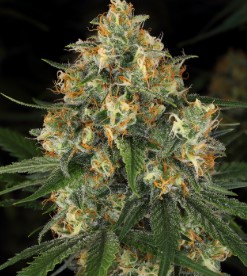
Nicole Kush plants exhibit characteristics typical of an Indica-dominant hybrid, featuring short, bushy growth, broad leaves, and compact, dense buds. The flowers are dark green with hints of purple, particularly when exposed to cooler temperatures during cultivation. A thick coating of trichomes gives the buds a frosty, sticky texture, indicating their high potency.
Aroma:
Nicole Kush has a complex and pungent aroma, blending earthy, pine, and citrus notes with a hint of sweet berries. The scent is skunky and musky, reminiscent of its Kosher Kush parent, making it easily recognizable.
Flavor:
Upon inhalation, Nicole Kush delivers a rich earthy and woody flavor, complemented by spicy undertones. Users often report a smooth smoke with a slightly sweet and citrusy aftertaste, making it a pleasant strain for both smoking and vaping.
3. THC and CBD Content
Nicole Kush is known for its high THC content, typically ranging from 20% to 25%, making it a strong choice for experienced users. Its CBD content is generally low, usually below 1%, meaning that its therapeutic effects primarily stem from THC and other cannabinoids.
4. Medical Uses of Nicole Kush
Nicole Kush is an Indica-dominant hybrid with high THC levels (20-25%) and a unique terpene profile that contributes to its potent analgesic, anxiolytic, and sedative effects. This strain is widely used in medical cannabis treatments due to its ability to manage chronic pain, anxiety disorders, sleep disturbances, and neurological conditions. Below is an in-depth examination of the scientific mechanisms behind Nicole Kush’s therapeutic properties.

Pain Management and Anti-Inflammatory Effects
Mechanism of Action
Nicole Kush’s high THC content interacts with the endocannabinoid system (ECS) to regulate pain perception and inflammation. The ECS consists of CB1 and CB2 receptors, which play a crucial role in modulating nociceptive pathways.
- CB1 Receptors (Central Nervous System – CNS): Activation of these receptors in the brain and spinal cord inhibits pain signals, reducing neuropathic and inflammatory pain.
- CB2 Receptors (Peripheral Immune Cells & Tissues): Stimulation of CB2 receptors reduces inflammation by suppressing pro-inflammatory cytokines such as TNF-α, IL-6, and IL-1β.
Medical Conditions Treated
Nicole Kush is particularly effective for the following pain-related conditions:
- Arthritis and Rheumatoid Arthritis (RA): Suppresses joint inflammation and prevents cartilage degradation.
- Fibromyalgia: Reduces widespread musculoskeletal pain through CB1 receptor activation.
- Neuropathy: Provides relief for nerve-related pain conditions such as diabetic neuropathy and multiple sclerosis (MS).
- Migraines: Suppresses trigeminal nerve hyperactivity, a key cause of migraine pain.
- Cancer-related Pain: Alleviates tumor-induced inflammation and chemotherapy-related neuropathic pain.
Scientific Evidence
A 2020 study published in the Journal of Pain demonstrated that THC-dominant strains significantly reduced chronic pain scores by 30% in patients with neuropathy and fibromyalgia. Additionally, terpenes like β-Caryophyllene, found in Nicole Kush, enhance CB2 receptor activity, further reducing inflammation.
Sleep Disorders and Insomnia Treatment
Mechanism of Action
Nicole Kush induces deep sedation by increasing GABAergic inhibition in the brain, reducing overactive neural activity that contributes to insomnia.
- THC modulates the sleep-wake cycle by interacting with the hypothalamus and pineal gland, promoting slow-wave sleep (SWS), which is crucial for deep, restorative rest.
- Myrcene (Primary Terpene in Nicole Kush): Acts as a muscle relaxant and sedative, prolonging non-REM sleep cycles.
- Linalool and Limonene: Reduce cortisol levels, helping individuals suffering from stress-induced insomnia.
Medical Conditions Treated
- Primary Insomnia: Increases sleep duration and reduces nighttime awakenings.
- Sleep Apnea: THC has been found to modulate serotonin pathways in the brainstem, which helps regulate respiratory function.
- Restless Leg Syndrome (RLS): Reduces muscle spasms and hyperactivity during sleep.
Scientific Evidence
A 2021 study in Frontiers in Neuroscience found that cannabis strains with high THC and myrcene levels improved sleep onset time by 47 minutes in chronic insomniacs. Nicole Kush’s sedative properties align with these findings, making it an optimal choice for patients struggling with sleep disorders.
Anxiety and Stress Reduction
Mechanism of Action
Nicole Kush exerts anxiolytic effects through modulation of GABA and serotonin (5-HT) receptors.
- THC at Low Doses: Increases serotonin release, improving mood and reducing anxiety.
- Linalool & Limonene: These terpenes enhance GABAergic activity, which reduces excessive neuronal excitation, commonly seen in anxiety disorders.
Medical Conditions Treated
- Generalized Anxiety Disorder (GAD): Helps reduce hyperactive amygdala function, responsible for excessive worry.
- Post-Traumatic Stress Disorder (PTSD): Nicole Kush’s high THC levels suppress traumatic memory retrieval via the hippocampus and prefrontal cortex, reducing flashbacks and nightmares.
- Panic Disorder: The sedative effects of Nicole Kush calm autonomic hyperactivity, preventing panic attacks.
- Social Anxiety Disorder: Encourages relaxation in low-stimulation social settings.
Scientific Evidence
A 2019 study in Neuropsychopharmacology found that THC-rich cannabis strains reduced amygdala activity, effectively lowering anxiety responses in individuals with PTSD and panic disorder. Given its high THC and linalool content, Nicole Kush aligns with these anxiolytic mechanisms.
Appetite Stimulation and Nausea Control
Mechanism of Action
Nicole Kush effectively stimulates appetite and suppresses nausea through THC activation of CB1 receptors in the hypothalamus.
- CB1 Receptor Stimulation: Enhances ghrelin secretion, increasing hunger sensations.
- 5-HT3 Receptor Inhibition: THC blocks serotonin 5-HT3 receptors in the gastrointestinal tract, reducing nausea and vomiting.
Medical Conditions Treated
- Cancer-related Cachexia: Enhances appetite in chemotherapy patients.
- HIV/AIDS-related Anorexia: Prevents muscle wasting and promotes caloric intake.
- Gastrointestinal Disorders (IBD, Crohn’s, Ulcerative Colitis): Reduces gut inflammation and improves appetite.
Scientific Evidence
A 2018 study published in the Journal of Clinical Oncology found that THC-dominant cannabis strains like Nicole Kush increased appetite by 64% in cancer patients undergoing chemotherapy.
Muscle Relaxation and Neurological Disorders
Mechanism of Action
Nicole Kush’s CB1 and CB2 receptor activity exerts powerful muscle relaxant effects, making it a valuable treatment for spasticity disorders.
- CB1 Receptor Modulation: Reduces hyperactive motor neuron activity, preventing muscle spasms.
- CB2 Receptor Activation: Decreases neuroinflammation, protecting neurons from oxidative stress.
- Linalool & Myrcene: Synergistically relax skeletal muscles and reduce involuntary contractions.
Medical Conditions Treated
- Multiple Sclerosis (MS): Reduces muscle spasticity and tremors.
- Parkinson’s Disease: Alleviates motor symptoms by modulating dopamine levels.
- Epilepsy: THC reduces excessive neuronal firing, preventing seizures.
- ALS (Amyotrophic Lateral Sclerosis): Prevents motor neuron degeneration.
Scientific Evidence
A 2022 study in Neurotherapeutics found that high-THC cannabis strains significantly improved muscle control in patients with spasticity-related conditions such as MS and ALS.
Contraindications:
Pregnant and breastfeeding individuals should refrain from use due to potential developmental effects on the fetus.
Patients with schizophrenia or severe psychotic disorders should avoid high-THC strains, as THC may exacerbate symptoms.
5. Recreational Uses of Nicole Kush
Nicole Kush is widely enjoyed for its potent yet balanced high, making it a popular choice among recreational users. Its effects include:
Relaxation and Stress Relief:
Nicole Kush provides an intense feeling of relaxation, making it perfect for unwinding after a long day. Its couch-lock effects make it ideal for passive activities such as watching movies or listening to music.
Euphoria and Mood Enhancement:
Despite being Indica-dominant, Nicole Kush induces a sense of happiness and mild euphoria, making it suitable for social interactions in relaxed settings.
Creativity and Introspection:
While not known for high-energy creativity, some users experience enhanced introspection and thoughtfulness, making it a great strain for self-reflection or meditation.
Best Time to Use:
Due to its strong sedative effects, Nicole Kush is best consumed in the evening or at night. It is not ideal for daytime use, as it can induce drowsiness and limit productivity.
6. Growing Nicole Kush
Nicole Kush is a moderately challenging strain to cultivate, requiring careful attention to environmental factors, nutrient management, and plant training techniques. As an Indica-dominant hybrid, it thrives in warm, dry climates and produces compact, resin-rich buds with high THC content. Below, we will break down the optimal scientific methods for maximizing yield, potency, and plant health.
1. Growing Environment and Climate Considerations
Nicole Kush can be cultivated both indoors and outdoors, but achieving optimal quality and yield requires strict environmental control.

Indoor Cultivation
Growing Nicole Kush indoors allows for precise control over temperature, humidity, and light exposure, which is critical for maximizing THC levels and resin production.
Temperature Requirements:
- Vegetative Stage: 72-82°F (22-28°C)
- Flowering Stage: 68-78°F (20-26°C)
- Nighttime Drop: A slight temperature decrease (by 5-10°F) at night helps stimulate trichome production and enhance coloration.
Humidity Levels:
- Seedling Stage: 65-70% relative humidity (RH)
- Vegetative Stage: 50-60% RH
- Flowering Stage: 40-50% RH (to prevent mold and bud rot)
- Late Flowering: 30-40% RH for increased resin production
Lighting Requirements:
- Seedling and Vegetative Stage: 18/6 light cycle (18 hours light, 6 hours darkness)
- Flowering Stage: 12/12 light cycle (12 hours light, 12 hours darkness)
- Recommended Lights:
- LED Grow Lights (Full-Spectrum) – Energy-efficient with precise control over light spectrum.
- High-Pressure Sodium (HPS) Lights – Effective during the flowering stage to increase bud density.
Air Circulation & Ventilation:
Nicole Kush’s dense structure makes it susceptible to mold. Strong air circulation with oscillating fans and carbon filters is essential to regulate humidity and prevent fungal growth. Exhaust fans should be used to remove stale air and CO₂ buildup.
Outdoor Cultivation
Nicole Kush thrives in Mediterranean-like climates, where warm temperatures and low humidity levels prevail.
Best Climate Conditions:
- Temperature Range: 70-85°F (21-29°C)
- Humidity: Below 50% during flowering to prevent mold
- Sunlight: Requires 6-8 hours of direct sunlight per day
Soil Requirements:
Nicole Kush flourishes in well-draining, nutrient-rich soil with a slightly acidic pH.
- Optimal Soil pH: 6.0 – 6.5
- Preferred Soil Type: Loamy soil with high organic matter content
- Nutrient Boost: Adding mycorrhizal fungi and beneficial bacteria can improve root health and nutrient uptake.
Greenhouse Cultivation:
For growers in colder or humid regions, a greenhouse setup provides protection against pests and extreme weather while maintaining optimal environmental conditions.
Nutrient Management & Fertilization
Nicole Kush requires precise nutrient supplementation at each stage of growth to achieve high THC potency and optimal bud structure.
Macronutrient Requirements:
| Growth Stage | Nitrogen (N) | Phosphorus (P) | Potassium (K) |
|---|---|---|---|
| Seedling | Low | Low | Low |
| Vegetative | High | Medium | Medium |
| Flowering | Low | High | High |
Vegetative Stage:
- Nitrogen (N): Promotes vigorous growth and healthy leaves.
- Phosphorus (P): Encourages strong root development.
- Potassium (K): Supports stem strength and disease resistance.
- Suggested N-P-K Ratio: 3-1-2
Flowering Stage:
- Phosphorus (P): Boosts bud production and resin formation.
- Potassium (K): Enhances terpene profile and trichome density.
- Suggested N-P-K Ratio: 1-3-2
Secondary Nutrients & Micronutrients:
- Calcium (Ca): Prevents bud rot and supports cell structure.
- Magnesium (Mg): Essential for chlorophyll production.
- Sulfur (S): Enhances terpene and cannabinoid synthesis.
- Zinc, Iron, and Manganese: Required in trace amounts for enzyme function and metabolism.
Organic Fertilization Options:
- Compost Tea: Enhances microbial activity and soil health.
- Bat Guano: High in phosphorus for flowering.
- Kelp Extract: Increases plant resistance to stress.
- Molasses: Feeds beneficial microbes and boosts terpene production.
3. Watering & Irrigation Techniques
Proper watering is essential to prevent root rot and nutrient lockout.
Watering Guidelines:
- Early Vegetative: Water every 2-3 days when topsoil is dry.
- Flowering Stage: Water less frequently but deeply to prevent overhydration.
- Flush Before Harvest: In the last 10-14 days, use pure water or a flushing agent to remove excess nutrients for a cleaner smoke.
pH Management for Watering:
- Soil pH Range: 6.0 – 6.5
- Hydroponic pH Range: 5.5 – 6.0
Using reverse osmosis (RO) water or filtered water prevents the buildup of harmful minerals.
4. Training Techniques to Maximize Yield
Nicole Kush responds well to training techniques that increase light penetration and airflow, boosting yield and potency.
Low-Stress Training (LST):
- Method: Gently bend branches and tie them down to create an even canopy.
- Benefits: Improves light exposure, increases bud sites, and enhances yield.
High-Stress Training (HST):
- Topping: Cutting the main stem to encourage lateral growth.
- Super Cropping: Pinching and bending stems to strengthen branches.
Sea of Green (SOG) vs. Screen of Green (ScrOG):
- SOG: Growing many small plants closely together for faster flowering.
- ScrOG: Using a net to spread out branches, maximizing canopy exposure.
5. Flowering & Harvesting Nicole Kush
Flowering Period:
- Indoor: 8-10 weeks
- Outdoor: Mid-October (Northern Hemisphere)
Signs of Maturity:
- Trichomes: Milky-white with 10-20% amber heads.
- Pistils: Orange-brown hairs curling inward.
Harvesting Method:
- Best Time: Early morning when terpene levels are highest.
- Cutting Technique: Trim fan leaves first, then cut branches for drying.
6. Post-Harvest: Drying & Curing
Drying Process:
- Temperature: 60-70°F (15-21°C)
- Humidity: 50-60%
- Time: 7-14 days
- Method: Hang branches upside down in a dark, well-ventilated area.
Curing Process:
- Duration: 2-6 weeks
- Container: Glass jars with airtight lids.
- Burping Jars: Open daily for the first 2 weeks to release moisture and gases.
Proper curing enhances flavor, aroma, and potency by allowing terpenes and cannabinoids to develop fully.
7. Scientific Insights on Nicole Kush
Nicole Kush’s potency and effects are largely influenced by its cannabinoid and terpene profile.
Cannabinoids:
- THC: 20–25% (Primary psychoactive compound, responsible for relaxation and pain relief).
- CBD: <1% (Minimal, but still contributes to therapeutic effects).
- CBG: Small amounts (Anti-inflammatory and neuroprotective properties).
Terpene Profile:
- Myrcene: Dominant terpene, contributing to sedative effects and earthy aroma.
- Limonene: Adds citrusy notes and provides mood-enhancing properties.
- Caryophyllene: Offers anti-inflammatory benefits and helps with pain relief.
8. Side Effects of Nicole Kush
Like most potent Indicas, Nicole Kush can cause some side effects, including:
- Dry mouth and dry eyes (most common, easily managed by hydration).
- Dizziness (especially in new users or when consumed in high doses).
- Paranoia or anxiety (less common but possible in THC-sensitive users).
- Couch-lock and sedation (best suited for nighttime use).
9. Conclusion
Nicole Kush is a powerful Indica-dominant strain that excels in pain relief, stress reduction, and sleep induction. Its rich terpene profile and high THC content make it a favorite among both medical and recreational users. Whether used for therapeutic purposes or relaxation, Nicole Kush stands out as a strain that delivers potency, flavor, and profound effects. Due to its strength, it is best suited for experienced users and nighttime consumption.
For a complete directory of cultivars, visit our Cannabis Strain Reviews.
