Table of Contents
Nice Cherry is a hybrid cannabis strain recognized for its enticing cherry aroma, potent effects, and balanced Indica-Sativa genetics. This strain is highly regarded for its unique flavor profile and its diverse range of medicinal and recreational benefits. Its genetic lineage, therapeutic potential, and growing characteristics make it a highly sought-after strain among both casual consumers and medical cannabis patients. This detailed guide explores the genetics, appearance, aroma, flavor, THC and CBD content, medical uses, recreational effects, growing conditions, and potential side effects of Nice Cherry.
1. Genetic Background
Nice Cherry is a well-balanced hybrid, often composed of approximately 50% Indica and 50% Sativa, though certain phenotypes may lean slightly toward either side. It is believed to be a cross between Cherry Pie and a potent hybrid such as Nice OG or Cherry Kush. These parent strains contribute to Nice Cherry’s rich terpene profile, offering both fruity and earthy undertones.
Cherry Pie, one of the dominant influences in Nice Cherry, is known for its sweet, cherry-like aroma and euphoric effects, while the other potential parent strains, such as Nice OG, provide relaxation and deep physical sedation. The combination results in a strain that delivers both cerebral stimulation and body relaxation, making it versatile for different times of the day and various therapeutic applications.
2. Appearance, Aroma, and Flavor Profile
Appearance
Nice Cherry plants exhibit vibrant, dense, and resinous buds with a rich color palette. The flowers are often medium to large in size and display a mixture of deep green, purple, and red hues. These colors become more pronounced in cooler temperatures during the late flowering stage. The buds are covered in a thick layer of trichomes, indicating high cannabinoid and terpene content. The pistils, which are bright orange or amber, contrast beautifully against the darker leaves.
Aroma
Nice Cherry is known for its strong and inviting aroma that blends fruity and earthy elements. The primary scent is that of fresh cherries, often accompanied by subtle hints of sweet berries and citrus. Underlying notes of earthiness and pine add depth to its fragrance, making it both refreshing and complex. When the buds are ground or broken apart, the scent intensifies, releasing a burst of sweet and tangy flavors.
Flavor
The flavor of Nice Cherry is as appealing as its aroma. Upon inhalation, users often notice a sweet cherry taste with undertones of tart berries and a hint of citrus. The exhale introduces subtle earthy and herbal notes, creating a well-rounded and enjoyable smoking or vaping experience. The terpene profile responsible for this delicious taste includes myrcene, limonene, and caryophyllene, which contribute to both its flavor and effects.
3. THC and CBD Content
THC Levels
Nice Cherry is known for its moderate to high THC content, typically ranging between 18% and 24%. This potency makes it suitable for both medical and recreational users, though beginners should be cautious when approaching it to prevent overpowering impacts.

CBD Levels
The CBD content in Nice Cherry is generally low, often below 1%. While it does not offer significant CBD-related therapeutic effects, its high THC concentration provides strong medicinal benefits for pain relief, stress reduction, and relaxation.
4. Medical Uses of Nice Cherry Cannabis Strain
Nice Cherry is a balanced hybrid cannabis strain known for its therapeutic potential in treating various physical and mental health conditions. Its effects stem from its high THC content (18-24%), low CBD levels, and a rich terpene profile that enhances its medicinal benefits. Below is an in-depth scientific analysis of its medical applications.
Mechanism of Action in the Human Body
A. Interaction with the Endocannabinoid System (ECS)
Nice Cherry’s medical benefits arise from its interaction with the endocannabinoid system (ECS), a complex biological network responsible for maintaining homeostasis in the body.
- CB1 Receptors (Brain & Nervous System): THC binds to CB1 receptors, producing analgesic, anxiolytic, and sedative effects beneficial for pain relief, stress reduction, and sleep disorders.
- CB2 Receptors (Immune System & Peripheral Tissues): Modulates inflammation and immune responses, making it effective for autoimmune diseases and gastrointestinal disorders.
B. Terpene Synergy & the Entourage Effect
Nice Cherry’s terpene profile enhances its medicinal value by modulating THC’s effects. Key terpenes include:
- Myrcene: Sedative, muscle relaxant, anti-inflammatory (useful for chronic pain and insomnia).
- Limonene: Mood enhancer, anti-anxiety, anti-depressant (helps with stress and mood disorders).
- Caryophyllene: Anti-inflammatory, neuroprotective, analgesic (useful for arthritis and neurodegenerative diseases).
- Linalool: Anti-anxiety, sedative, anticonvulsant (beneficial for epilepsy and PTSD).
Pain Management and Analgesic Effects
A. Chronic Pain and Neuropathic Pain
Nice Cherry is highly effective for managing chronic pain conditions, especially those involving nerve damage or persistent inflammation.
- THC activates CB1 receptors in the brain, reducing pain perception.
- Caryophyllene binds to CB2 receptors, reducing inflammation-related pain.
- Myrcene’s sedative effects further enhance pain relief and muscle relaxation.
Conditions Treated:
- Arthritis
- Fibromyalgia
- Neuropathy (diabetic nerve pain, sciatica)
- Multiple Sclerosis (MS)-related pain
- Migraines and cluster headaches
B. Post-Surgical and Injury Recovery
Nice Cherry can aid post-surgical recovery by:
- Reducing pain and muscle spasms.
- Enhancing relaxation and sleep, promoting faster healing.
Anxiety, Depression, and Mental Health Disorders
A. Anxiety Disorders
Nice Cherry’s limonene and linalool content create a powerful anxiolytic (anti-anxiety) effect.
- Limonene increases serotonin levels, reducing social anxiety and panic attacks.
- Linalool promotes GABA activity, producing a calming effect.
- Balanced THC levels prevent paranoia, making it suitable for moderate anxiety.
Conditions Treated:
- Generalized Anxiety Disorder (GAD)
- Panic Disorder
- Social Anxiety Disorder (SAD)
- PTSD-related hyperarousal
In high doses, THC can worsen anxiety in some individuals. Microdosing (low doses of 2-5 mg THC) is recommended for anxiety relief.
B. Depression and Mood Disorders
Nice Cherry’s dopaminergic properties make it effective in treating depression by:
- Raising serotonin and dopamine levels, which improve motivation and mood.
- Reducing stress hormones (cortisol), stabilizing mood fluctuations.
Conditions Treated:
- Major Depressive Disorder (MDD)
- Bipolar Disorder (depressive episodes)
- Seasonal Affective Disorder (SAD)
Sleep Disorders and Insomnia Relief
Nice Cherry is beneficial for sleep regulation, particularly mild to moderate insomnia.
- Myrcene and linalool promote deep relaxation, reducing sleep latency (time to fall asleep).
- THC increases slow-wave sleep (deep sleep phase), improving sleep quality.
- Caryophyllene’s anti-inflammatory properties reduce pain-related sleep disturbances.
Conditions Treated:
- Insomnia
- Sleep Apnea
- Restless Leg Syndrome (RLS)
High doses can cause early REM suppression, leading to morning grogginess. Moderate use is ideal.
Anti-Inflammatory and Autoimmune Disease Treatment
A. Arthritis and Joint Inflammation
- Caryophyllene reduces pro-inflammatory cytokines, relieving joint pain.
- THC inhibits COX-2 enzyme, similar to NSAIDs (Ibuprofen, Aspirin) but without stomach issues.
Conditions Treated:
- Rheumatoid Arthritis (RA)
- Osteoarthritis (OA)
- Gout
B. Gastrointestinal Disorders (IBD, Crohn’s, IBS)
- CB2 receptor activation modulates gut inflammation.
- THC and CBD regulate gut motility, reducing cramping and diarrhea.
Conditions Treated:
- Crohn’s Disease
- Ulcerative Colitis
- Irritable Bowel Syndrome (IBS)
Neuroprotective and Anticonvulsant Effects
A. Epilepsy and Seizure Disorders
Nice Cherry’s high THC and linalool content contribute to its anticonvulsant properties.
- THC modulates hippocampal activity, reducing seizure frequency.
- Linalool enhances GABAergic signaling, stabilizing neuronal excitability.
Conditions Treated:
- Focal and generalized seizures
- Lennox-Gastaut syndrome
- Dravet syndrome
B. Neurodegenerative Diseases
Nice Cherry’s anti-inflammatory and neuroprotective effects help preserve brain function in conditions like:
- Alzheimer’s Disease (prevents amyloid plaque buildup)
- Parkinson’s Disease (reduces tremors and stiffness)
- Multiple Sclerosis (MS) (reduces muscle spasms)
Appetite Stimulation and Anti-Nausea Effects
A. Cancer and Chemotherapy Support
Nice Cherry is highly effective in managing chemotherapy side effects.
- THC binds to CB1 receptors in the brainstem, reducing nausea and vomiting.
- Enhances appetite, preventing cancer-related weight loss (cachexia).
Conditions Treated:
- Chemotherapy-induced nausea and vomiting (CINV)
- Appetite loss in cancer and HIV/AIDS patients
Hormonal and Endocrine Disorders
A. Menstrual and Menopause Relief
Nice Cherry helps regulate hormonal imbalances and reduces symptoms like:
- Dysmenorrhea (menstrual cramps)
- Perimenopausal hot flashes and mood swings
Conditions Treated:
Menopause-related anxiety and insomnian and mood elevation helps ease stomach discomfort and promotes overall digestive health.
PMS and PMDD (Premenstrual Dysphoric Disorder)
5. Recreational Uses of Nice Cherry Cannabis Strain
Relaxation and Stress Relief
Recreational users often choose Nice Cherry for its ability to provide relaxation without excessive couch-lock. It is ideal for winding down after a long day or for use in social settings where a calm yet uplifting experience is desired.
Mood Enhancement
Nice Cherry’s Sativa influence contributes to its mood-enhancing effects. It provides a burst of euphoria and mental clarity, making it a great choice for creative activities, conversations, and social interactions.
Creativity and Focus
While not as stimulating as pure Sativa strains, Nice Cherry has been reported to enhance focus and creativity in moderate doses. Artists, writers, and musicians may find it useful for overcoming creative blocks and staying engaged in their work.
Physical Enjoyment
Nice Cherry’s relaxing effects make it ideal for enhancing physical activities such as yoga, light exercise, and outdoor recreation. It can also heighten sensory perception, making food, music, and physical touch more enjoyable.
6. Growing Nice Cherry Cannabis Strain
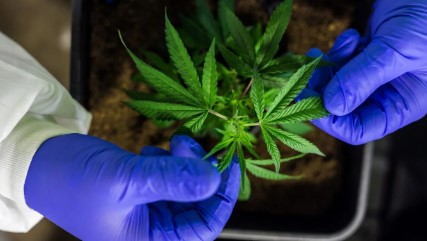
Cultivating Nice Cherry cannabis requires a combination of scientific understanding and horticultural expertise. The strain’s growth is influenced by various factors, including genetic traits, environmental conditions, nutrient management, and pest control strategies. Below is a comprehensive breakdown of the best scientific methods for optimizing the cultivation of Nice Cherry.
Understanding the Genetic Traits of Nice Cherry
Nice Cherry is a balanced hybrid with Indica and Sativa genetics. Understanding its genetic makeup is crucial for determining its growth behavior and yield potential.
- Indica Traits: Medium height, bushy structure, broad leaves, shorter flowering cycle.
- Sativa Traits: Moderate stretch, longer internodal spacing, higher light demands.
By acknowledging these characteristics, growers can optimize environmental conditions to maximize yields and potency.
Cultivation Environment for Optimal Growth
Nice Cherry can be grown indoors, outdoors, or in greenhouses, but each environment requires specific management strategies.
A. Indoor Cultivation (Controlled Environment Agriculture – CEA)
Indoor growing offers precise environmental control, allowing growers to optimize conditions for higher cannabinoid and terpene production.
i. Temperature & Humidity Management
- Seedling Stage: 70-75°F (21-24°C), RH: 65-70%
- Vegetative Stage: 72-78°F (22-26°C), RH: 50-60%
- Flowering Stage: 68-77°F (20-25°C), RH: 40-50%
- Late Flowering (Ripening): 65-72°F (18-22°C), RH: 30-40% (reducing humidity prevents mold)
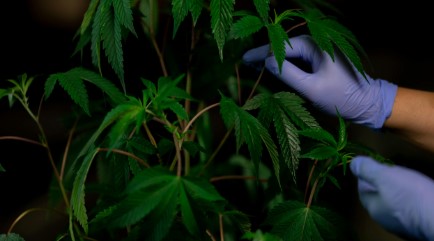
Growers should use:
- HVAC systems for temperature control.
- Dehumidifiers to reduce excess moisture.
- Humidifiers to maintain ideal relative humidity in early growth stages.
- CO₂ supplementation (1,000-1,500 ppm) to enhance photosynthesis and growth rate.
ii. Lighting System
Lighting intensity and spectrum play a vital role in the plant’s metabolic processes.
- Vegetative Stage: 18-20 hours of light per day.
- LED Grow Lights (Full Spectrum) or Metal Halide (MH) preferred.
- Recommended PPFD: 400-600 µmol/m²/s.
- Flowering Stage: 12 hours of light per day.
- High-Pressure Sodium (HPS) or Full-Spectrum LED grow lights.
- Recommended PPFD: 700-1,000 µmol/m²/s.
- Far-Red Light (730nm): Enhances flowering initiation when used in short bursts at the end of the light cycle.
- UVB Light Exposure: Increases trichome production, enhancing THC and terpene levels.
iii. Hydroponic vs. Soil-Based Cultivation
- Hydroponic Systems: Deep Water Culture (DWC), Ebb & Flow, or Nutrient Film Technique (NFT) can be used for faster growth and higher yields.
- Soil-Based Growth: Rich organic soil with added perlite and coco coir for aeration supports better terpene development.
B. Outdoor Cultivation
Nice Cherry thrives in Mediterranean-like climates, requiring:
- Direct Sunlight: At least 10-12 hours per day for optimal photosynthesis.
- Soil Conditions: Well-draining, nutrient-rich loamy soil (pH: 6.0-6.5).
- Weather Protection: Greenhouse setups or plastic covering protect against extreme weather.
Outdoor growers should consider:
- Companion planting (e.g., basil, marigold) for pest resistance.
- Trellising techniques (SCROG or LST) for better bud exposure to sunlight.
Growth Stages and Optimal Conditions
A. Germination & Seedling Stage (0-2 weeks)
- Optimal Temperature: 70-75°F (21-24°C).
- Moisture Control: Maintain moderate humidity (65-70%).
- Lighting: Fluorescent or LED lights at 200-300 µmol/m²/s for 18-24 hours per day.
- Growth Medium: Starter cubes (Rockwool, peat pellets) or pre-moistened organic soil.
B. Vegetative Stage (3-8 weeks)
- Lighting: Full-spectrum LEDs or MH bulbs at 18/6 light schedule.
- Nutrients: High nitrogen (N) supply (N-P-K ratio of 3:1:2).
- Training Techniques:
- Topping: Encourages bushier growth and multiple colas.
- Low-Stress Training (LST): Improves canopy light penetration.
- Supercropping: Strengthens plant branches and boosts yield.
C. Flowering Stage (8-10 weeks)
- Lighting: 12/12 schedule with higher red-spectrum light (600-1,000 µmol/m²/s).
- Nutrients: Increase phosphorus (P) and potassium (K) (N-P-K ratio of 1:3:4).
- Defoliation: Remove lower leaves for better airflow.
- Humidity Reduction: Prevent mold growth on resinous buds.
D. Late Flowering & Harvest (Weeks 10-12)
- Trichome Monitoring: Harvest when trichomes turn milky white with 20% amber.
- Flushing: Stop feeding nutrients two weeks before harvest to remove excess minerals.
- Drying: 60-70°F (15-21°C), 50% RH, 10-14 days.
- Curing: Store buds in airtight glass jars at 60-65% RH for at least 2-4 weeks.
Nutrient Management
A. Macronutrients
- Nitrogen (N): Essential for vegetative growth.
- Phosphorus (P): Encourages root and flower development.
- Potassium (K): Regulates water absorption and stress tolerance.
B. Micronutrients
- Calcium & Magnesium: Prevents deficiencies leading to leaf curling.
- Sulfur & Boron: Essential for terpene production.
C. Organic Supplements
- Mycorrhizal Fungi: Enhances root absorption.
- Amino Acids & Enzymes: Improves nutrient uptake.
Pest and Disease Prevention
Nice Cherry is susceptible to powdery mildew, spider mites, and root rot if conditions are not properly managed.
A. Common Pests & Control Methods
- Spider Mites: Introduce predatory mites (Phytoseiulus persimilis).
- Aphids: Apply an insecticidal soap or neem oil spray.
- Fungus Gnats: Dry out the dirt and use sticky traps.
B. Disease Prevention
- Root Rot: Avoid overwatering and use well-draining soil.
- Mold & Mildew: Reduce humidity, ensure airflow, and prune lower foliage.
Post-Harvest Processing
A. Drying
- Ideal drying conditions: 60°F (15°C), 50% RH, indirect airflow.
- Dry for 10-14 days for optimal terpene retention.
B. Curing
- Store buds in airtight glass jars at 60-65% RH.
- Open jars for burping (removing excess moisture) daily for the first 2 weeks.
Enhancing Cannabinoid and Terpene Production
- Cold Shock (Nighttime Temps 60-65°F/15-18°C): Enhances purple hues and terpene synthesis.
- Stress-Induced THC Boost: Apply minor stress (supercropping, low-intensity UVB exposure) during late flowering.
- Extended Darkness Before Harvest: Keeping plants in 48 hours of darkness before harvest boosts resin production.
7. Side Effects of Nice Cherry Cannabis Strain
Like most cannabis strains, Nice Cherry may cause some side effects, especially in high doses. Common side effects include:
- Dry Mouth: This soreness can be lessened by drinking plenty of water.
- Dry Eyes: Eye drops can help with irritation.
- Mild Dizziness: More common in beginners or those with low tolerance.
- Paranoia or Anxiety: Higher doses may induce mild paranoia in sensitive users.
8. Conclusion
Nice Cherry is a versatile hybrid strain offering a balance between mental upliftment and physical relaxation. Its cherry-dominant aroma, smooth flavor, and potent effects make it an excellent choice for both medical and recreational users. Whether used for pain relief, stress reduction, or simply for enjoyment, Nice Cherry remains a top-tier cannabis strain with widespread appeal. With proper cultivation and responsible consumption, it provides a highly satisfying cannabis experience.
For a complete directory of cultivars, visit our Cannabis Strain Reviews.
