Table of Contents
Neville’s Haze is a legendary cannabis strain known for its pure Haze genetics, extreme potency, and cerebral effects. This strain is a nearly pure sativa (90-100%) with a strong lineage tracing back to the original Haze genetics from the 1960s. Named after Nevil Schoenmakers, the founder of the first cannabis seed bank, Neville’s Haze has remained a favorite among connoisseurs for its uplifting high, psychoactive intensity, and long-lasting effects.
Genetic Background and Lineage
Neville’s Haze originates from a cross between a pure Haze and a Northern Lights #5 x Haze hybrid. The Haze lineage comes from a mix of Colombian, Thai, Mexican, and South Indian landrace strains, making it one of the most exotic and sought-after genetics.
Genetic Makeup:
- 90-100% Sativa (Some variations may have minimal indica influence)
- THC Content: 20-25%
- CBD Content: <1%
- Parent Strains: Haze x (Northern Lights #5 x Haze)
Morphology and Growing Characteristics
Neville’s Haze is known for its tall, lanky structure and long flowering period, making it a challenge for beginner growers. However, those who master its cultivation are rewarded with high yields and an exceptionally potent product.
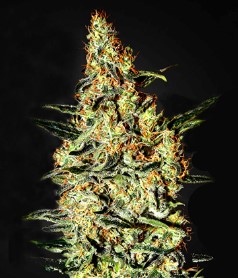
Growth Features:
- Plant Height: Can reach over 6 feet (2 meters), especially outdoors.
- Flowering Time: 14-16 weeks (one of the longest among cannabis strains).
- Yield: Moderate to high (~450-600g/m² indoors, ~600g per plant outdoors).
- Climate Requirements: Prefers warm, tropical climates with high humidity tolerance.
- Resistance: Resistant to mold and pests, but prone to overfeeding issues.
Aroma, Flavor, and Terpene Profile
Neville’s Haze is known for its sharp, spicy, and citrusy aroma with hints of pine, earth, and herbal sweetness. The complex terpene profile contributes to both its effects and medical benefits.
Dominant Terpenes:
- Myrcene (Herbal, earthy) – Contributes to mild sedative effects.
- Limonene (Citrusy, lemony) – Provides mood enhancement and stress relief.
- Pinene (Pine, fresh) – Aids in focus and counteracts THC-induced memory loss.
- Caryophyllene (Peppery, spicy) – Has anti-inflammatory and pain-relieving properties.
- Humulene (Earthy, woody) – Adds appetite-suppressing qualities.
Flavor Profile:
- Inhale: Strong citrus and pine with a spicy undertone.
- Exhale: Herbal sweetness with hints of earthiness and haze musk.
- Aftertaste: Lingering citrus and spice.
Effects and Recreational Uses
Neville’s Haze is one of the most powerful sativa strains, known for its cerebral, psychedelic, and energetic effects. It is not recommended for novice users due to its intense potency.
Primary Effects:
- Euphoric and Uplifting – Produces a rush of happiness, positivity, and motivation.
- Psychedelic High – Users may experience visual distortions, enhanced creativity, and introspection.
- Increased Energy – Ideal for daytime use and tasks requiring focus and productivity.
- Talkative and Social – Enhances conversations and engagement in social settings.
- Mild Body Relaxation – Despite its strong cerebral effects, it provides a slight physical ease.
Ideal Recreational Uses:
- Creative Work – Writers, artists, and musicians benefit from its enhanced inspiration.
- Outdoor Activities – Hiking, running, or exploring due to its energetic boost.
- Social Gatherings – Engages users in deep conversations and laughter.
- Productivity Boost – Helps with motivation and focus for work and study sessions.
- Spiritual Use – Ideal for meditation and introspection due to its psychedelic aspects.
Medical Applications of Neville’s Haze
While predominantly a recreational favorite, Neville’s Haze offers several therapeutic benefits due to its sativa-driven effects and terpene profile.
Common Medical Uses:
- Depression and Mood Disorders
- Uplifts mood and reduces negative thoughts.
- Stimulates dopamine release, aiding those with anhedonia.
- Chronic Fatigue Syndrome
- Provides a natural energy boost, reducing tiredness and lethargy.
- Encourages physical activity and motivation.
- ADHD/ADD
- Enhances focus and attention.
- Reduces hyperactivity and improves productivity.
- PTSD and Anxiety Disorders
- Helps combat stress and tension.
- Caution: High doses may cause paranoia in sensitive users.
- Pain Management
- Mild analgesic properties help with migraines and muscle pain.
- Works best for neuropathic pain relief rather than heavy sedation.
- Appetite Stimulation
- Beneficial for people with eating issues or those receiving chemotherapy.
- Stimulates hunger while keeping energy levels high.
Potential Side Effects:
- Dry Mouth and Eyes – Common with high THC strains.
- Paranoia and Anxiety – May occur in high doses due to psychedelic effects.
- Dizziness and Lightheadedness – Due to intense cerebral stimulation.
- Overstimulation – Not ideal for insomnia as it can cause restlessness.
Methods of Ingestion and Their Scientific Basis
The most common methods of consuming Neville’s Haze include inhalation, oral ingestion, and sublingual absorption. Each method impacts the speed of onset, intensity, and duration of effects due to differences in cannabinoid metabolism.
A. Inhalation Methods (Smoking & Vaporization)
Inhalation allows rapid absorption of THC via the alveoli in the lungs, leading to quick onset and high bioavailability.
1. Smoking (Joints, Pipes, Bongs)

- Onset: 1-5 minutes (rapid due to direct absorption into the bloodstream).
- Peak Effects: 15-30 minutes.
- Duration: 2-4 hours.
- Bioavailability: ~25-30% of inhaled THC reaches systemic circulation.
- Pros: Immediate effects, easy dose titration.
- Cons: Combustion releases harmful byproducts (e.g., tar, carbon monoxide).
2. Vaporization (Dry Herb Vaporizers, Dab Pens)
- Onset: 1-3 minutes.
- Peak Effects: 10-20 minutes.
- Duration: 2-4 hours.
- Bioavailability: 40-50%, due to efficient conversion of cannabinoids at optimal temperatures (~180-200°C).
- Pros: Cleaner than smoking, preserves more terpenes, higher cannabinoid absorption.
- Cons: Requires vaporizer equipment, may be too potent for beginners.
B. Oral Ingestion (Edibles & Capsules)
Oral consumption leads to delayed onset but longer-lasting effects due to first-pass metabolism in the liver.
1. Edibles (Brownies, Gummies, Beverages)
- Onset: 30-90 minutes (depends on metabolism and stomach contents).
- Peak Effects: 2-3 hours.
- Duration: 6-12 hours (longest-lasting method).
- Bioavailability: 4-20% (low, due to digestive breakdown and first-pass metabolism).
- Metabolism: THC is converted into 11-hydroxy-THC, which is stronger and longer-lasting than delta-9-THC.
- Pros: Prolonged effects, ideal for medical use.
- Cons: Delayed onset makes dosing tricky; risk of overconsumption.
2. Capsules & Tinctures (Swallowed)

- Similar to edibles but provide precise dosing.
- Duration: 6-12 hours.
- Onset: 30-90 minutes.
C. Sublingual Absorption (Tinctures, Sprays, Dissolvable Strips)
Sublingual products bypass first-pass metabolism, allowing cannabinoids to absorb directly into the bloodstream through mucous membranes.
- Onset: 10-30 minutes.
- Peak Effects: 45-90 minutes.
- Duration: 4-6 hours.
- Bioavailability: ~40-50% (higher than edibles, lower than inhalation).
- Pros: Faster onset than edibles, discreet consumption.
- Cons: Effects may vary depending on saliva enzyme activity.
D. Topical & Transdermal Patches
While topicals (creams, balms) are mainly for localized pain relief, transdermal patches allow cannabinoids to enter the bloodstream.
- Onset: 30-60 minutes.
- Duration: 6-12 hours (depends on formulation).
- Bioavailability: ~30% for transdermals.
- Pros: Sustained release, avoids lung damage.
- Cons: Not suitable for psychoactive effects (except transdermal THC patches).
Onset and Duration of Effects by Method
| Method | Onset Time | Peak Effects | Duration |
|---|---|---|---|
| Smoking | 1-5 min | 15-30 min | 2-4 hours |
| Vaporization | 1-3 min | 10-20 min | 2-4 hours |
| Edibles | 30-90 min | 2-3 hours | 6-12 hours |
| Capsules | 30-90 min | 2-3 hours | 6-12 hours |
| Sublingual | 10-30 min | 45-90 min | 4-6 hours |
| Topicals | 30-60 min | N/A | 6-12 hours |
Factors Affecting Onset & Duration
A. Individual Factors
- Metabolism Rate: Faster metabolism = quicker onset, shorter duration.
- Body Fat Percentage: THC is stored in fat cells, affecting how long it stays in the system.
- Tolerance Levels: Frequent users experience shorter and less intense effects.
- Food Intake: Consuming edibles on an empty stomach speeds up onset but may cause more intense effects.
B. Product-Specific Factors
- THC Concentration: Higher THC = more potent and longer effects.
- Terpene Profile:
- Myrcene enhances sedation and prolongs effects.
- Limonene may increase absorption and improve onset speed.
- Formulation: Lipid-based edibles (butter, oils) are absorbed better than water-based edibles.
Scientific Insights and Pharmacology
Neville’s Haze has been studied for its unique cannabinoid and terpene profile, influencing both neurological and physiological effects.
Cannabinoid Profile:
- THC (20-25%) – Primary psychoactive compound; stimulates dopamine release.
- CBD (<1%) – Minimal but may provide mild anti-inflammatory effects.
- CBG (~0.5-1%) – Contributes to neuroprotection and pain relief.
- THCV (~0.5%) – May have appetite-suppressing and anti-anxiety properties.
Neurochemical Interactions:
- Dopamine Enhancement – Improves mood, motivation, and focus.
- Serotonin Modulation – Reduces stress and mild depressive symptoms.
- Endocannabinoid System (ECS) Stimulation – Helps in pain relief, mood regulation, and energy balance.
Studies and Medical Research:
- Neurological Benefits: Preliminary studies suggest sativas like Neville’s Haze may help in neurodegenerative conditions like Parkinson’s and Alzheimer’s.
- Mental Health: Sativa-dominant strains have shown potential for reducing symptoms of PTSD and depression in certain clinical cases.
Cultivation and Availability
Neville’s Haze is a challenging strain to grow, requiring expertise and patience.
Genetic Stability & Seed Selection
Since Neville’s Haze is a pure or nearly pure sativa, it exhibits:
- Extreme height growth (up to 2m+).
- Extended flowering period (14-16 weeks).
- High THC content (~25%).
- Haze-dominant traits requiring precise environmental control.
Cloning vs. Seeds
- Seeds: Ensure pure Haze genetics from reputable breeders to avoid unstable hybrids.
- Cloning: Preserves genetic consistency but requires a long vegetative phase before flowering.
Environmental Conditions & Climate Control
Indoor Cultivation:
- Temperature Range:
- Day: 24-28°C (75-82°F)
- Night: 18-22°C (64-72°F)
- Humidity Levels:
- Vegetative stage: 55-65%
- Flowering stage: 45-50% (to prevent mold)
- CO₂ Enrichment:
- 1,200-1,500 ppm during vegetation and early flowering boosts growth and yield.
- Air Circulation:
- Neville’s Haze has long, thin leaves and requires high airflow to prevent mildew and mold.
Outdoor Cultivation:
- Requires a tropical or Mediterranean climate.
- Thrives in regions with longer summers.
- Greenhouse cultivation helps maintain environmental stability.
Light Requirements & Photoperiod Manipulation
- Optimal Light Spectrum:
- Vegetative stage: 18-20 hours of light per day.
- Best spectrum: Blue-dominant (400-500nm) LEDs or MH (Metal Halide).
- Flowering stage: 12/12 light cycle for 14-16 weeks.
- Best spectrum: Red-dominant (600-700nm) HPS or Full-Spectrum LEDs.
- Vegetative stage: 18-20 hours of light per day.
- Stretch Management:
- Neville’s Haze grows tall due to its equatorial sativa lineage.
- Use Low-Stress Training (LST) or Screen of Green (ScrOG) to control height.
Soil & Hydroponics: Nutrient Optimization
Soil-Based Growing:
- Ideal Soil Composition:
- 40% Coco Coir or Peat Moss (moisture retention).
- 30% Perlite (aeration).
- 30% Organic Compost (nutrient base).
- pH Levels: 6.0 – 6.5.
Hydroponic Systems:
- Preferred Setup: Deep Water Culture (DWC) or Nutrient Film Technique (NFT).
- pH Range: 5.5 – 6.0.
- EC (Electrical Conductivity):
- Vegetative Stage: 1.2-1.8 mS/cm.
- Flowering Stage: 1.8-2.5 mS/cm.
Feeding Schedule & Nutrient Breakdown
Since Neville’s Haze has a long flowering cycle, it needs a specific feeding schedule.
Vegetative Stage (Weeks 1-10)
- Nitrogen (N): High levels (4-5 mL/L).
- Phosphorus (P): Medium levels (2-3 mL/L).
- Potassium (K): Medium levels (3-4 mL/L).
- Micronutrients: Calcium (Ca), Magnesium (Mg), and Sulfur (S) are essential.
Flowering Stage (Weeks 11-16)
- Nitrogen: Gradually reduce to 1-2 mL/L.
- Phosphorus & Potassium: Increase to support bud development.
- Silica Supplements: Strengthens plant structure.
- Flush Period: Last 2 weeks before harvest to remove excess salts.
Pest & Disease Resistance
Although Neville’s Haze has a natural resistance to mold and mildew, it is susceptible to pests like:
- Spider Mites
- Thrips
- Whiteflies
Preventative Measures:
- Use Neem Oil (organic solution).
- Introduce beneficial insects (e.g., ladybugs).
- Maintain low humidity during flowering to prevent botrytis (bud rot).
Harvesting & Curing Techniques
- Trichome Maturity:
- Harvest when trichomes are milky white with some amber heads.
- Drying Conditions:
- Temperature: 18-22°C (65-72°F).
- Humidity: 50-55%.
- Duration: 10-14 days.
- Curing:
- Store in glass jars with 62% humidity packs for at least 4-6 weeks.
Conclusion
Neville’s Haze remains a legendary strain known for its powerful cerebral effects, therapeutic potential, and complex flavors. It is ideal for experienced users seeking an intense high and medical patients needing mood elevation and energy boosts. However, due to its long growth cycle and challenging cultivation, it remains a rare but highly valued strain in the cannabis community.
For a complete directory of cultivars, visit our Cannabis Strain Reviews.
