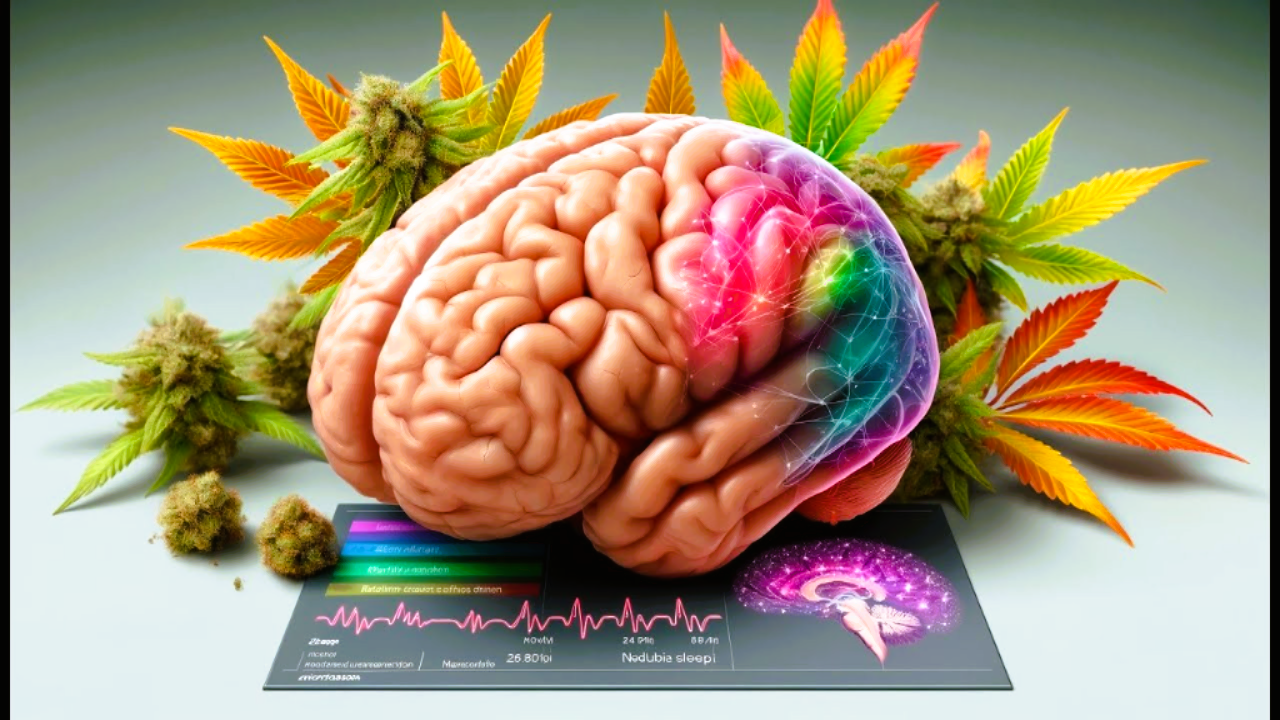
Neuroprotective Properties of Cannabis Flavonoids
Cannabis has drawn significant attention in recent years, not only for its well-known cannabinoids like THC and CBD but also for its lesser known yet profoundly bioactive compounds, including flavonoids. Flavonoids are secondary metabolites found in a variety of plants, and in cannabis, they contribute to the plant’s unique therapeutic potential. This extensive analysis explores the neuroprotective properties of cannabis-derived flavonoids, emphasizing their potential for medical applications. This exploration will focus on how these compounds interact with the central nervous system, particularly in neuroprotection, while emphasizing only the scientific and clinical implications of these interactions.
Neurodegenerative Diseases and the Importance of Neuroprotection
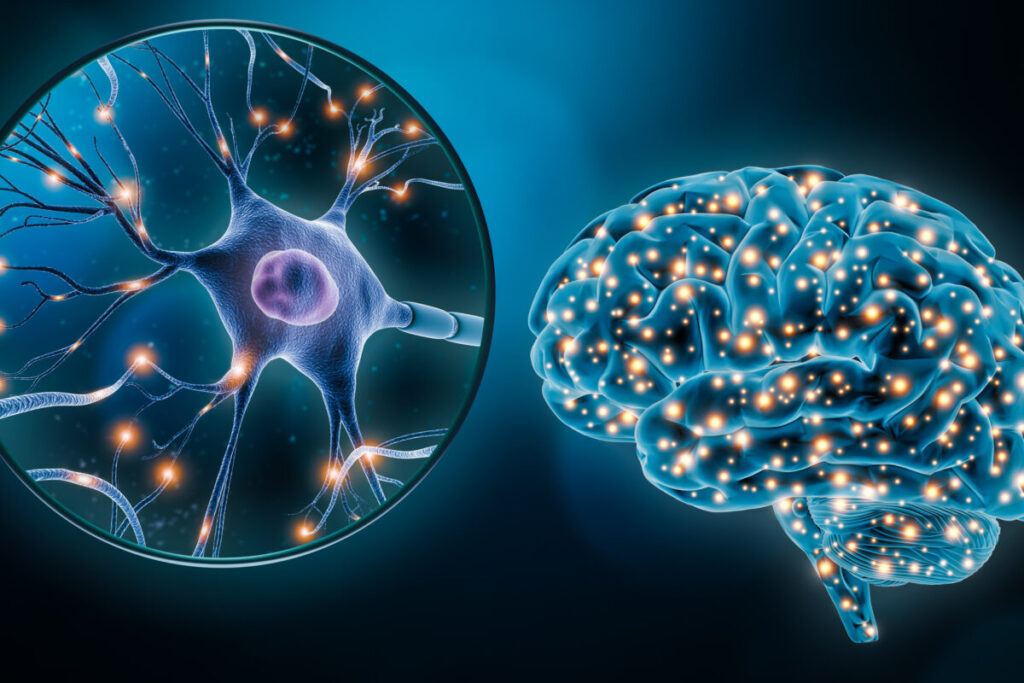
As the world’s population ages, neurodegenerative illnesses including multiple sclerosis, Parkinson’s disease, and Alzheimer’s disease are becoming more common. These conditions are characterized by progressive neuron loss, leading to cognitive decline, motor impairments, and a reduced quality of life. Effective neuroprotection strategies aim to halt or slow neuron degeneration, prevent neuroinflammation, and support cellular mechanisms essential for brain health.
Despite the high prevalence of neurodegenerative diseases, therapeutic options remain limited and are often symptomatic rather than curative. Therefore, exploring novel compounds with neuroprotective properties is crucial. Flavonoids from cannabis have shown promise due to their antioxidant, anti-inflammatory, and cellular modulatory effects, which make them potential candidates for neuroprotection.
Flavonoids in Cannabis: An Overview
Flavonoids are phenolic compounds found abundantly in fruits, vegetables, teas, and many medicinal plants. In cannabis, flavonoids constitute approximately 10% of the plant’s chemical profile. Cannabis contains unique flavonoids, such as cannflavin A and B, as well as more common ones like apigenin, quercetin, and kaempferol. These compounds exhibit a range of biological activities, many of which are relevant to neuroprotection.
Flavonoids interact with different molecular pathways involved in oxidative stress, inflammation, apoptosis, and cellular repair. Research has shown that flavonoids from cannabis may target multiple systems implicated in neurodegenerative processes. Their ability to cross the blood-brain barrier—a significant hurdle in neurotherapeutic drug delivery—further underscores their therapeutic potential in treating central nervous system disorders.
Mechanisms Underlying the Neuroprotective Properties of Cannabis Flavonoids
1. Antioxidant Effects
Many neurodegenerative illnesses are linked to oxidative stress, which is a significant cause of neuronal damage. Cellular damage results from an imbalance between antioxidants and free radicals, often known as reactive oxygen species, or ROS. The brain is especially vulnerable to oxidative stress because of its high lipid content and oxygen demand.
Cannabis-derived flavonoids, especially cannflavins, exhibit potent antioxidant effects. Studies have demonstrated that cannflavin A and B can scavenge free radicals, thereby reducing oxidative stress in neural cells. Quercetin and kaempferol, which are also found in cannabis, have strong antioxidant properties and have been shown to upregulate endogenous antioxidant enzymes, such as superoxide dismutase (SOD) and catalase. By enhancing the brain’s antioxidant defenses, these flavonoids may help prevent the neuronal damage associated with oxidative stress.
2. Anti-inflammatory Properties
Chronic inflammation is another key factor in the progression of neurodegenerative diseases. Microglia, the immune cells of the central nervous system, play a crucial role in neuroinflammation. In neurodegenerative conditions, microglia can become overactivated, leading to the release of pro-inflammatory cytokines like IL-1β, IL-6, and TNF-α, which contribute to neuronal death.
Cannabis flavonoids have shown promising anti-inflammatory properties. Cannflavin A, for instance, is known to inhibit the release of pro-inflammatory mediators like prostaglandins by selectively inhibiting cyclooxygenase (COX) enzymes, particularly COX-2, which is upregulated during inflammation. Additionally, quercetin and apigenin suppress pro-inflammatory cytokine production by inhibiting the NF-κB signaling pathway, a critical mediator of inflammation in microglial cells. By dampening inflammatory responses, these flavonoids may help protect neurons from chronic inflammation-associated damage.
3. Modulation of Neurotransmission and Synaptic Plasticity
Flavonoids, including those found in cannabis, can influence neurotransmitter systems that play a vital role in cognitive function and mood regulation. Apigenin and quercetin, in particular, have demonstrated affinity for GABA receptors, which modulate neuronal excitability. By enhancing GABAergic activity, these flavonoids may reduce excitotoxicity, a process where excessive excitatory neurotransmission leads to neuronal injury and death, commonly seen in conditions such as epilepsy and neurodegenerative diseases.
Furthermore, synaptic plasticity—the capacity of synapses to become stronger or weaker in response to activity—can be impacted by flavonoids. Learning and memory depend on synaptic plasticity, and neurodegenerative diseases are associated with deficits in this process. Cannabis-derived flavonoids, such as kaempferol, have been shown to promote synaptic plasticity by enhancing brain-derived neurotrophic factor (BDNF) signaling. BDNF supports neuron survival and synaptic function, suggesting that cannabis flavonoids may positively influence cognition by supporting synaptic health.
4. Anti-apoptotic Effects
Neuronal apoptosis, or programmed cell death, is another hallmark of neurodegeneration. This process can be triggered by oxidative stress, mitochondrial dysfunction, and chronic inflammation. Studies indicate that flavonoids, including those from cannabis, possess anti-apoptotic properties, which can protect neurons from cell death.
Cannflavin A, for example, has been shown to stabilize mitochondrial function, which is crucial in preventing apoptosis. Flavonoids also modulate cell survival pathways, such as the PI3K/Akt and MAPK pathways, which play essential roles in cellular survival, growth, and apoptosis inhibition. By activating these pathways, cannabis flavonoids may protect neurons from apoptosis, thereby preventing further degeneration in neurodegenerative diseases.
5. Enhancement of Cellular Repair Mechanisms
Cannabis-derived flavonoids have shown the potential to enhance cellular repair processes, which is crucial for neuroprotection. Apigenin, for instance, promotes neurogenesis, the formation of new neurons, by activating specific growth factors. Neurogenesis occurs primarily in the hippocampus, a brain region associated with memory and learning, which is often compromised in neurodegenerative diseases.
Moreover, flavonoids can promote autophagy, a cellular process that removes damaged cellular components and supports cell renewal. Dysregulated autophagy is linked to neurodegenerative diseases such as Alzheimer’s and Parkinson’s, where protein aggregation disrupts normal cellular functions. Cannabis-derived flavonoids have been shown to enhance autophagic activity, helping to clear toxic protein aggregates and maintain cellular homeostasis.
Potential Therapeutic Applications of Cannabis Flavonoids in Neurodegenerative Diseases
The unique combination of antioxidant, anti-inflammatory, and neuroprotective properties of cannabis flavonoids has sparked interest in their potential therapeutic applications in several neurodegenerative diseases.
Alzheimer’s Disease
Alzheimer’s disease (AD) is characterized by progressive memory loss, cognitive decline, and behavioral changes. The pathology of AD involves the accumulation of amyloid-beta plaques and tau protein tangles, along with oxidative stress and chronic inflammation. Research indicates that flavonoids could play a role in reducing amyloid plaque formation, thereby slowing the progression of AD.
Cannflavin A and other cannabis-derived flavonoids may help inhibit the formation of amyloid-beta plaques by reducing oxidative stress and modulating enzymes involved in amyloid precursor protein processing. Additionally, the anti-inflammatory effects of cannabis flavonoids could mitigate the neuroinflammatory response associated with AD. Animal studies have shown that quercetin and kaempferol improve cognitive function and reduce amyloid plaque load, suggesting a similar potential for cannabis-derived flavonoids.
Parkinson’s Disease
Parkinson’s disease (PD) is a neurodegenerative disorder characterized by the degeneration of dopaminergic neurons in the substantia nigra, leading to motor dysfunction, rigidity, and tremors. Oxidative stress, mitochondrial dysfunction, and neuroinflammation are central to PD pathology.
Flavonoids from cannabis, especially cannflavin B, may protect dopaminergic neurons by reducing oxidative damage and supporting mitochondrial function. Apigenin and kaempferol have also been shown to activate neuroprotective pathways, such as the Nrf2 pathway, which upregulates antioxidant defenses. Furthermore, flavonoids’ anti-inflammatory effects could prevent the progression of PD by reducing microglial activation and the release of pro-inflammatory cytokines.
Multiple Sclerosis
Multiple sclerosis (MS) is an autoimmune disease characterized by the demyelination of neurons, leading to sensory and motor dysfunctions. Neuroinflammation, driven by immune cell infiltration and cytokine release, is a major contributor to disease progression.
Cannabis-derived flavonoids, with their anti-inflammatory and neuroprotective properties, may benefit MS patients by reducing neuroinflammation and protecting neurons from demyelination. Studies on quercetin have shown reduced disease severity in animal models of MS, which suggests that similar flavonoids in cannabis could offer therapeutic benefits. Additionally, flavonoids’ ability to stabilize the blood-brain barrier may help limit immune cell infiltration into the central nervous system, a key factor in MS pathology.
Amyotrophic Lateral Sclerosis (ALS)
Muscle weakness and atrophy result from ALS, a progressive neurodegenerative illness that affects motor neurons. Although the precise origin of ALS is uncertain, neuronal death is thought to be significantly influenced by excitotoxicity and oxidative stress.
Cannflavin A, with its potent antioxidant properties, may help mitigate the oxidative damage associated with ALS. Additionally, flavonoids’ effects on GABAergic and glutamatergic systems may help reduce excitotoxicity, providing a neuroprotective effect in ALS. The anti-apoptotic effects of cannabis flavonoids could also be beneficial in preventing motor neuron death, which is the primary pathology in ALS.
Synergistic Effects of Cannabis Flavonoids with Cannabinoids
The concept of the “entourage effect” suggests that various compounds in cannabis work synergistically to enhance each other’s therapeutic potential. Research indicates that cannabis flavonoids may work synergistically with cannabinoids, such as CBD, to enhance neuroprotective effects. Cannabinoids are known to exert anti-inflammatory and neuroprotective effects, which may be amplified by the presence of flavonoids.
For instance, CBD is known to activate the 5-HT1A receptor, contributing to its anxiolytic and neuroprotective effects. Flavonoids such as apigenin also interact with serotonergic receptors, which may enhance CBD’s effects. Additionally, the combined anti-inflammatory effects of cannabinoids and flavonoids could provide a more comprehensive neuroprotective response than either compound alone.
Challenges and Future Directions
Although flavonoids produced from cannabis have intriguing neuroprotective qualities, there are still a number of obstacles to overcome before these discoveries may be used in therapeutic settings. The absence of standardization in cannabis products is a major obstacle that makes it hard to guarantee a constant flavonoid content. The pharmacokinetics of these flavonoids, including their absorption, metabolism, and ideal doses, also require further study.
Clarifying the exact molecular processes by which cannabis flavonoids contribute to neuroprotection should be the main goal of future research. To assess these drugs’ safety, effectiveness, and possible adverse effects in humans, clinical trials are also required. Advances in biotechnology may also enable the synthesis or isolation of specific cannabis flavonoids, facilitating more controlled and targeted research.
Restrictions on Using Cannabis in the Medical Field as a Last Resort and THC Monitoring in Medications
As cannabis-based medications gain recognition for their therapeutic potential, regulatory bodies are emphasizing careful guidelines and restrictions to ensure safety, particularly in medical use. Due to cannabis’s psychoactive properties, particularly those of delta-9-tetrahydrocannabinol (THC), its use in the medical field is typically restricted to specific conditions, often as a last resort when other treatments have proven ineffective. This approach, coupled with stringent THC monitoring in medications, aims to prevent psychoactive effects on patients while still harnessing the plant’s therapeutic benefits. This analysis examines these restrictions and how they help balance therapeutic potential with patient safety.
Cannabis as a Last Resort in Medical Treatment
In most medical frameworks, cannabis is considered a last-resort treatment option, particularly for conditions that have shown resistance to conventional therapies. This restriction is based on both safety and efficacy concerns, as the long-term effects of cannabis on various patient populations remain under study. Moreover, cannabis’s legal status and cultural perceptions influence its position as a last-resort option in several regions.
Medical cannabis is often prescribed for chronic pain, chemotherapy-induced nausea, multiple sclerosis spasticity, and certain forms of epilepsy. These conditions generally exhibit a degree of treatment resistance, meaning that standard therapies may not provide adequate relief. For example, Epidiolex, a cannabis-derived medication with minimal THC, is specifically approved for treatment-resistant forms of epilepsy, such as Dravet syndrome and Lennox-Gastaut syndrome. However, the requirement to exhaust other treatment options before considering cannabis is a protocol to safeguard against premature reliance on cannabis-based therapies, considering their possible psychoactive or dependency-inducing properties.
Monitoring THC Levels in Medications
THC, the main psychoactive ingredient in cannabis, is one of the main issues with taking drugs derived from the plant. THC’s psychoactive effects can include altered cognition, mood changes, and in some cases, anxiety or paranoia, which are undesirable for patients seeking purely therapeutic benefits. To minimize these effects, strict monitoring and regulation of THC levels in medical cannabis products are essential.
Medical cannabis products often contain either limited or negligible THC, relying instead on cannabidiol (CBD) and other non-psychoactive compounds to provide therapeutic benefits. For instance, many regulatory agencies stipulate that medical cannabis products should contain THC levels below a certain threshold, often 0.3% or less, to minimize psychoactivity. In some cases, formulations are exclusively CBD-based, such as the aforementioned Epidiolex, which has virtually no THC. In addition to direct psychoactive control, monitoring THC levels also addresses potential issues such as impaired motor skills, which can impact patients’ ability to perform daily tasks.
Methods of THC Monitoring
To ensure compliance with THC limitations, cannabis medications undergo rigorous testing and monitoring procedures. Laboratories analyze these products using techniques like high-performance liquid chromatography (HPLC) and gas chromatography-mass spectrometry (GC-MS). These methods accurately measure cannabinoid concentrations and help verify that THC levels remain below the prescribed limits. In certain jurisdictions, cannabis products undergo regular testing during both the production and post-production phases to maintain consistent THC levels.
In addition to laboratory testing, regulations may require medical cannabis manufacturers to label products with detailed cannabinoid profiles. This labeling allows healthcare providers to make informed decisions based on precise THC content, and patients can be assured that the medication they receive will not produce unwanted psychoactive effects. By implementing these quality control measures, regulators aim to provide safer cannabis-based treatment options, especially for vulnerable populations such as children and the elderly, who may be more sensitive to THC.
Patient Monitoring and Education
Healthcare providers play a crucial role in monitoring patients using cannabis-based treatments, particularly when THC is present in low but detectable levels. Medical practitioners closely observe patients for any adverse reactions, including psychoactive effects, changes in mood, or cognition. Such monitoring is especially vital in cases where cannabis is used as a last-resort treatment, as patients may have underlying conditions that make them more susceptible to adverse effects.
In addition to professional oversight, educating patients about potential side effects is essential. Patients must understand that even low-THC products can have mild psychoactive effects, especially in individuals sensitive to cannabinoids. Proper guidance on dosing and usage schedules can help mitigate these risks and enable patients to benefit from the medication safely.
Ethical and Legal Implications
Restrictions on medical cannabis use and strict THC monitoring also reflect ethical and legal considerations. Medical professionals have an obligation to provide the most effective treatment while minimizing risks, especially for vulnerable patients. Ensuring that THC levels in cannabis medications are minimal aligns with the principle of “do no harm” and protects patients from experiencing unnecessary psychoactive effects.
Legal frameworks surrounding cannabis further reinforce these restrictions. Many countries and states permit medical cannabis only under strict conditions, with THC limits being a central requirement. Failure to adhere to these regulations can lead to legal repercussions for healthcare providers and manufacturers. Thus, compliance with THC limits is essential not only for patient safety but also for the legal integrity of the medical cannabis industry.
Conclusion
In conclusion, the neuroprotective potential of cannabis-derived flavonoids, coupled with the stringent restrictions and monitoring protocols in the medical field, underscores the complex yet promising role of cannabis in healthcare. Cannabis flavonoids, with their antioxidant, anti-inflammatory, anti-apoptotic, and cellular repair-enhancing properties, show significant potential for treating neurodegenerative diseases. By targeting multiple pathways in neuroprotection, these compounds offer a multifaceted therapeutic approach to conditions like Alzheimer’s, Parkinson’s, multiple sclerosis, and ALS.
However, recognizing the psychoactive effects of THC, regulatory bodies prioritize cannabis use as a last-resort treatment, emphasizing strict limitations and monitoring of THC levels in medical formulations. By limiting THC to non-psychoactive or minimal levels and focusing on non-psychoactive cannabinoids like CBD and specific flavonoids, the medical field can harness cannabis’s therapeutic benefits while minimizing risks associated with psychoactivity.
Furthermore, rigorous testing, labeling, patient monitoring, and patient education on potential side effects reinforce the responsible use of cannabis-based medications. These measures protect patient safety, particularly for vulnerable groups, and align with ethical and legal obligations within medical practice. Altogether, this approach enables healthcare providers to offer safe and effective cannabis-based treatments, potentially improving quality of life for patients with chronic, treatment-resistant conditions, while adhering to high standards of care and compliance.
