Table of Contents
Mr. Tusk is a potent Indica-dominant cannabis strain known for its deeply relaxing effects, complex terpene profile, and impressive therapeutic benefits. This strain has earned a reputation for its robust potency, making it a favorite among medical patients and seasoned recreational users alike. With a high THC concentration and a diverse blend of cannabinoids and terpenes, Mr. Tusk provides users with a unique experience that combines physical relief with cerebral tranquility. This guide explores the genetics, effects, medical applications, cultivation techniques, and scientific aspects of Mr. Tusk in detail.
Genetic Background
Mr. Tusk is an Indica-dominant hybrid with an approximate composition of 80% Indica and 20% Sativa. While the exact lineage remains somewhat debated, most cannabis researchers and breeders believe that this strain is a cross between Afghan Kush and Master Kush, two legendary strains known for their powerful sedative effects and high resin production.
Parent Strains:
- Afghan Kush: Originating from the Hindu Kush mountain region, Afghan Kush is a pure Indica landrace strain known for its deeply relaxing properties, making it an excellent choice for pain relief and insomnia.
- Master Kush: A potent Indica strain that boasts a rich terpene profile with earthy and citrus undertones. Master Kush is celebrated for its euphoric and calming effects, ideal for users seeking relief from stress and anxiety.
The combination of these two strains has resulted in a powerhouse hybrid that inherits the best qualities of its parents, offering intense relaxation and therapeutic benefits.
Appearance, Aroma, and Flavor Profile
Appearance
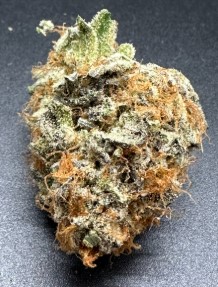
Mr. Tusk has a visually striking appearance with dense, resin-coated buds that exhibit dark green hues mixed with deep purple undertones. The buds are compact, round, and often covered in a thick layer of trichomes, making them appear frosty and sticky to the touch. Orange and reddish pistils weave through the flower, adding a vibrant contrast to its dark tones.
Aroma
The aromatic profile of Mr. Tusk is a complex blend of earthy, pine, and citrus notes. When broken apart, the buds emit a pungent, skunky scent mixed with hints of spice and herbal undertones. The strain’s dominant terpenes contribute to its unique smell, which can be quite strong and linger in the air.
Flavor
Upon consumption, Mr. Tusk delivers a smooth and full-bodied smoking experience. The flavor profile mirrors its aroma, featuring rich earthy tones with hints of pine, citrus, and a slight sweetness. Some users report a peppery finish, adding depth to the overall taste.
THC, CBD, and Cannabinoid Content
- THC Content: 22% – 28%
- CBD Content: Below 1%
- Other Cannabinoids: Trace amounts of CBG, CBN, and CBC
Mr. Tusk is primarily known for its high THC concentration, making it a powerful strain that novice users should use caution.
The low CBD content means that its therapeutic effects come mainly from THC and its synergistic interaction with other cannabinoids and terpenes.
Medical Uses of Mr. Tusk Cannabis Strain
Mr. Tusk is an Indica-dominant hybrid known for its high THC content (22–28%), deep relaxation effects, and potential medicinal applications. Below, we will explore the scientific mechanisms behind its therapeutic benefits, including its effects on pain relief, insomnia, anxiety, muscle disorders, appetite stimulation, and neuroprotection.
1. Pain Management (Analgesic Effects)
Mechanism of Action
- THC & CB1 Receptor Activation:
- THC alters how pain is perceived by binding to CB1 receptors in the central nervous system.
- This reduces nociceptive pain (caused by injury) and neuropathic pain (caused by nerve damage).
- CB2 Receptor Modulation:
- CB2 receptors in the immune system reduce inflammation and cytokine release.
- This is crucial for conditions like arthritis, fibromyalgia, and chronic pain syndromes.
Medical Applications
- Chronic Pain (Back pain, sciatica, joint disorders)
- Neuropathic Pain (Diabetes-induced nerve pain, multiple sclerosis)
- Migraines & Cluster Headaches (Regulation of serotonin and dopamine)
- Post-Surgical Pain Management (Opioid alternative)
2. Insomnia and Sleep Disorders
Mechanism of Action
- THC Increases Slow-Wave Sleep (SWS):
- SWS (deep sleep phase) is enhanced, improving sleep quality and duration.
- Reduces REM sleep, leading to fewer nightmares (beneficial for PTSD patients).
- GABAergic Modulation:
- Mr. Tusk promotes GABA release, reducing neural excitability.
- This results in a sedative, calming effect.
Medical Applications
- Chronic Insomnia
- Sleep-Onset Insomnia (Difficulty falling asleep)
- Sleep Maintenance Disorders (Frequent awakenings)
- PTSD-Induced Nightmares
3. Anxiety, Stress, and Depression
Mechanism of Action
- Regulation of Cortisol & Stress Response:
- THC reduces cortisol levels, lowering physiological stress.
- Indica dominance reduces overactivity in the amygdala, decreasing fear and anxiety responses.
- Boosts Dopamine & Serotonin Levels:
- Increases dopamine release, elevating mood and promoting relaxation.
- Linalool & Myrcene terpenes enhance serotonin receptor activity.
Medical Applications
- Generalized Anxiety Disorder (GAD)
- Social Anxiety Disorder
- Panic Disorder
- Major Depressive Disorder (MDD)
- Post-Traumatic Stress Disorder (PTSD)
Caution: In high doses, THC may exacerbate anxiety in sensitive individuals due to CB1 overstimulation.
4. Muscle Spasticity & Neuromuscular Disorders
Mechanism of Action
- THC & CBD Act as Muscle Relaxants:
- Suppress overactive spinal cord reflexes that cause muscle contractions.
- Reduce acetylcholine release, preventing excessive nerve signals to muscles.
- Anti-Inflammatory & Neuroprotective Effects:
- CB2 receptor activation reduces inflammation in multiple sclerosis (MS) and Parkinson’s disease.
- Myrcene has muscle relaxant properties.
Medical Applications
- Multiple Sclerosis (MS) (Reduction of spasticity and tremors)
- Cerebral Palsy (Improved motor control and muscle relaxation)
- Parkinson’s Disease (Reduction of involuntary movements)
- Fibromyalgia (Alleviation of chronic muscle pain and tension)
- Temporomandibular Joint (TMJ) Syndrome (Jaw pain and stiffness relief)
5. Appetite Stimulation & Gastrointestinal Disorders
Mechanism of Action
- THC Activates CB1 Receptors in the Hypothalamus:
- Enhances ghrelin release, stimulating hunger.
- Increases the pleasure response to food.
- Anti-Nausea & Anti-Emetic Effects:
- THC modulates serotonin (5-HT3) receptors, preventing nausea.
- Reduces vomiting in chemotherapy patients.
Medical Applications
- Cancer & Chemotherapy-Induced Nausea
- HIV/AIDS-Induced Weight Loss
- Eating Disorders (Anorexia, Cachexia)
- Irritable Bowel Syndrome (IBS) & Crohn’s Disease
- Gastric Ulcers & Acid Reflux (Reduction in gut inflammation)
6. Neuroprotection & Brain Health
Mechanism of Action
- THC & CBD Reduce Oxidative Stress:
- Prevents neuronal damage in Alzheimer’s and Parkinson’s diseases.
- Reduces beta-amyloid plaque formation in the brain.
- Neurogenesis & Synaptic Plasticity:
- Stimulates brain-derived neurotrophic factor (BDNF), promoting new neuron growth.
- Improves memory and cognitive function.
Medical Applications
- Alzheimer’s Disease (Prevention of memory loss)
- Parkinson’s Disease (Delays disease progression)
- Traumatic Brain Injury (TBI) (Neuroprotection and cognitive recovery)
- Epilepsy & Seizure Disorders (Reduction in seizure frequency)
7. Cancer & Anti-Tumor Properties
Mechanism of Action
- THC Induces Apoptosis (Cancer Cell Death):
- Activates CB1/CB2 receptors, triggering programmed cell death in tumors.
- Reduces metastasis (spread of cancer cells).
- CBD Inhibits Angiogenesis:
- Prevents tumor blood vessel formation, starving cancer cells.
Medical Applications
- Glioblastoma (Brain Cancer)
- Breast & Prostate Cancer
- Lung Cancer
- Leukemia & Lymphoma
Note: Cannabis should not replace standard cancer treatments but can complement chemotherapy & radiation therapy.
8. Endocrine & Metabolic Disorders
Mechanism of Action
- THC Increases Insulin Sensitivity:
- Reduces insulin resistance, beneficial for Type 2 Diabetes.
- Endocannabinoid System (ECS) Modulation:
- Regulates thyroid hormones.
- Reduces polycystic ovary syndrome (PCOS) symptoms.
Medical Applications
- Type 2 Diabetes (Blood sugar regulation)
- Polycystic Ovary Syndrome (PCOS) (Hormonal balance)
- Adrenal Fatigue & Cortisol Imbalance
- Osteoporosis Prevention (CB2 receptors enhance bone density)
9. Autoimmune Disorders & Inflammation
Mechanism of Action
- CB2 Receptor Activation Reduces Cytokine Production:
- Suppresses excessive immune response, preventing autoimmune attacks.
- THC & CBD Modulate the Immune System:
- Reduces inflammation in conditions like lupus and rheumatoid arthritis.
Medical Applications
Psoriasis & Eczema (Topical applications reduce skin inflammation)
Lupus
Multiple Sclerosis (MS)
Rheumatoid Arthritis (RA)
Inflammatory Bowel Disease (IBD)
Recreational Uses of Mr. Tusk Cannabis Strain
Deep Relaxation
Recreational users favor Mr. Tusk for its profoundly relaxing effects. Whether winding down after a long day or looking to enter a state of calm, this strain is excellent for evening and nighttime use.
Euphoria and Mood Elevation
Mr. Tusk provides a gentle mood boost, making it suitable for users seeking a mellow, happy high without overwhelming cerebral stimulation. It is perfect for listening to music, watching movies, or engaging in low-energy social interactions.
Couch-Lock and Sedation
Due to its potency, Mr. Tusk often induces a strong “couch-lock” effect, making it less ideal for active daytime use. Instead, it is best suited for users who want a deeply relaxing and immersive experience.
Cultivation Information
Mr. Tusk is an Indica-dominant hybrid that requires precise environmental control and optimized growing techniques to achieve maximum potency, yield, and cannabinoid content. Below, I’ll cover the scientific principles behind its cultivation, focusing on growth environment, nutrient requirements, training methods, and post-harvest processing.
1. Cultivation Environment: Indoor vs. Outdoor
Indoor Cultivation (Controlled Environment)
Growing Mr. Tusk indoors allows for complete control over environmental factors such as temperature, humidity, lighting, and airflow, which are crucial for maximizing yield and resin production.

Optimal Growing Conditions
- Temperature:
- Vegetative Stage: 70–78°F (21–25°C)
- Flowering Stage: 65–75°F (18–24°C)
- Nighttime Drop: A slight temperature drop at night enhances trichome production.
- Humidity Levels:
- Seedling Stage: 65–70% RH (Relative Humidity)
- Vegetative Stage: 55–65% RH
- Flowering Stage: 40–50% RH (Prevents mold/mildew)
- Final Weeks (Ripening Phase): 30–40% RH (Enhances terpene and resin concentration)
- Lighting Requirements:
- Seedling Stage: 18–24 hours of light per day using T5 fluorescent lights or LED panels.
- Vegetative Stage: 18 hours of light per day with full-spectrum LED or MH (Metal Halide) lights.
- Flowering Stage: 12 hours of light per day with HPS (High-Pressure Sodium) or high-intensity LED lights.
- PPFD (Photosynthetic Photon Flux Density): 600–900 µmol/m²/s for vegetative growth and 900–1200 µmol/m²/s for flowering.
- Air Circulation & CO₂ Enrichment:
- Ventilation: Inline fans, oscillating fans, and carbon filters prevent mold and ensure fresh air exchange.
- CO₂ Supplementation: 1200–1500 ppm during flowering boosts yield by up to 20%.
Outdoor Cultivation (Natural Environment)
Mr. Tusk can be cultivated outdoors but thrives best in a Mediterranean climate with plenty of sunlight.
- Optimal Conditions:
- Sunlight Exposure: 8–12 hours of direct sunlight daily.
- Soil Type: Loamy, well-draining soil with pH levels of 6.0–6.5.
- Climate Requirements:
- Ideal temperature range: 70–85°F (21–29°C)
- Protection from heavy rain and strong winds is necessary.
- Natural Pest Management:
- Companion planting with marigolds, basil, and mint repels pests like aphids and spider mites.
- Neem oil, diatomaceous earth, and predatory insects (ladybugs, lacewings) help control common cannabis pests.
2. Growth Phases & Nutrient Requirements
Mr. Tusk’s nutrient profile varies depending on its growth stage. Proper nutrient management ensures optimal cannabinoid and terpene production.
Seedling Stage (0–2 weeks)
- Light feeding with root stimulators (mycorrhizae and beneficial bacteria) enhances root establishment.
- pH level: 6.2–6.5 for soil; 5.8–6.2 for hydroponics.
- Nutrients: Mild nitrogen (N) source like compost tea or diluted seaweed extract.
Vegetative Stage (3–8 weeks)
During this phase, the plant focuses on leaf and branch development, requiring higher nitrogen levels.
- Nutrient Ratio (N-P-K): 3-1-2
- Macronutrients:
- Nitrogen (N): Essential for leaf and stem growth.
- Phosphorus (P): Encourages root development.
- Potassium (K): Strengthens plant structure and enhances water retention.
- Micronutrients:
- Calcium (Ca): Prevents bud rot and strengthens cell walls.
- Magnesium (Mg): Boosts chlorophyll production.
- Silica (Si): Enhances disease resistance and stalk rigidity.
- Watering Schedule:
- Soil: Water every 2–3 days (pH 6.2–6.5).
- Hydroponics: Continuous nutrient flow (pH 5.8–6.2).
Flowering Stage (9–12 weeks)
The plant shifts from vegetative growth to bud development, requiring higher phosphorus and potassium levels.
- Nutrient Ratio (N-P-K): 1-3-3
- Macronutrients:
- High Phosphorus (P): Stimulates bud formation.
- Increased Potassium (K): Enhances terpene and trichome production.
- Deficiency Prevention:
- Yellowing leaves → Nitrogen deficiency.
- Purple stems → Phosphorus deficiency.
- Leaf curling → Magnesium deficiency.
- Flushing (Final 2 Weeks)
- Cease nutrient feeding 2 weeks before harvest.
- Use pH-balanced water to remove excess salts.
3. Training & Yield-Enhancing Techniques
Scientific plant training maximizes yield and resin production while optimizing light exposure.
Low-Stress Training (LST)
- Bending branches gently with soft ties increases light penetration and bud sites.
- Improves overall yield by 20–30%.
Topping & Fimming
- Topping (cutting the main cola early) encourages multiple bud sites.
- Fimming (cutting part of the new growth) slows vertical growth but increases lateral branching.
Screen of Green (ScrOG)
- Uses a net or trellis to evenly distribute branches.
- Reduces popcorn buds and enhances flowering efficiency.
Defoliation
- Removing excess fan leaves improves airflow and light penetration, reducing mold risk.
- Avoid excessive defoliation, which can stress the plant.
4. Harvesting & Post-Harvest Processing
Timing and drying methods directly influence potency and flavor.
Optimal Harvest Timing
- Trichome Color (Under a microscope):
- Clear = Too early.
- Milky White = Peak THC levels (ideal for a strong high).
- Amber = Degraded THC, higher CBN (more sedative effects).
- Harvest Technique:
- Cut branches and hang upside-down in a dark, well-ventilated area.
- Temperature: 60–70°F (15–21°C).
- Humidity: 50–60% RH.
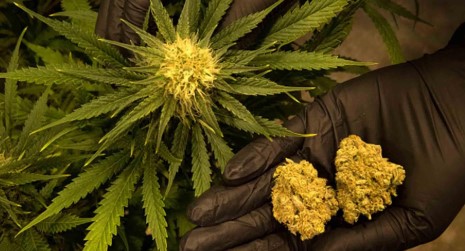
Drying & Curing
- Drying Phase (7–14 days)
- Slow drying at 50% humidity preserves terpenes.
- Avoid direct airflow, which dries buds too quickly.
- Curing Phase (2–6 weeks)
- Store dried buds in glass jars at 62% RH.
- Open jars once daily for the first week to release moisture.
5. Scientific Considerations for Maximizing Cannabinoid Production
CO₂ Enrichment: Boosts yields by 20–30% when used in flowering.
UV-B Light Exposure: Increases THC production.
Cold Shock (Last Week of Flowering): Drops temperatures to 55°F (13°C) to boost anthocyanin production, enhancing purple hues and terpene retention.
Side Effects of Mr. Tusk Cannabis Strain
While Mr. Tusk has many benefits, some users may experience side effects, including:
- Dry mouth (cottonmouth)
- Dry eyes
- Dizziness
- Paranoia (in high doses)
Beginners should start with a low dose to assess their tolerance before consuming larger amounts.
Conclusion
Mr. Tusk is a powerful Indica-dominant cannabis strain known for its potent effects, medicinal benefits, and unique aroma. It is particularly beneficial for individuals seeking pain relief, relaxation, and sleep support. Due to its high THC levels, it is recommended for experienced users or medical patients requiring strong symptom management. With its complex genetic lineage and impressive terpene profile, Mr. Tusk remains a top choice in the cannabis community for both therapeutic and recreational use.
For a complete directory of cultivars, visit our Cannabis Strain Reviews.
