Table of Contents
1. Genetic Background
Mr. Nice is a legendary Indica-dominant hybrid that carries a rich history and an equally impressive genetic lineage. This strain is a cross between G13, a government-engineered Indica strain known for its extreme potency, and Hash Plant, a classic variety that enhances resin production and deep relaxation effects. The result is a strain with 80% Indica and 20% Sativa characteristics, making it a highly effective choice for medicinal and recreational cannabis users.
The name “Mr. Nice” pays tribute to Howard Marks, a famous cannabis activist and smuggler who authored the autobiography Mr. Nice. Due to its well-balanced Indica dominance and historical significance, this strain remains a favorite among cannabis enthusiasts.
2. Appearance, Aroma, and Flavor Profile
Appearance
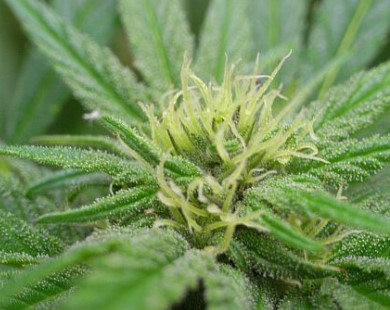
Mr. Nice plants exhibit the classic Indica structure—short, bushy, and dense. The buds are medium to large in size, tightly packed, and coated in a dense trichome coating, giving them an icy appearance. The flowers feature a deep green hue, often highlighted with purple undertones, depending on the growing conditions. Fiery orange pistils provide contrast, giving the buds an attractive, visually appealing look.
Aroma
Mr. Nice plants exhibit the classic Indica structure—short, bushy, and dense. The buds are medium to large in size, tightly packed, and coated in a dense trichome coating, giving them an icy appearance. The flowers feature a deep green hue, often highlighted with purple undertones, depending on the growing conditions. Fiery orange pistils provide contrast, giving the buds an attractive, visually appealing look.
Mr. Nice boasts a complex and pungent aroma profile that blends earthy, sweet, and skunky scents. The dominant scent is a rich, deep musk with notes of pine and spice, which becomes more pronounced when the buds are broken apart. The Hash Plant genetics contribute to the hashy, slightly peppery undertones, making the scent profile particularly strong and long-lasting.
Flavor
The flavor of Mr. Nice mirrors its aroma, offering a smooth, earthy, and spicy taste upon inhalation. When exhaled, users often notice subtle hints of sweetness and woody undertones. The flavor is rich and lingers on the palate, making it a pleasurable strain for those who appreciate deep, complex terpene profiles.
3. THC, CBD, and Cannabinoid Profile
- THC Content: Mr. Nice typically contains 16% to 22% THC, making it a moderately potent strain suitable for both medical and recreational use.
- CBD Content: This strain generally has a low CBD content (below 1%), meaning that its therapeutic effects come mainly from its high THC levels and other cannabinoids.
- Other Cannabinoids: Mr. Nice also contains smaller amounts of CBG and CBN, which contribute to its calming, sedative effects.
4. Medical Uses of Mr. Nice Cannabis Strain
Mr. Nice is widely regarded in the medical cannabis community for its pain-relieving, anti-inflammatory, anxiolytic, and sedative properties. Its high THC content (16-22%) and low CBD levels (<1%) make it an effective strain for treating chronic pain, insomnia, anxiety disorders, muscle spasms, and appetite loss. Below is a scientific breakdown of its medicinal applications, including its interaction with the endocannabinoid system (ECS) and the underlying pharmacological mechanisms.
Mechanism of Action: How Mr. Nice Affects the Body
The therapeutic effects of Mr. Nice are primarily due to its interaction with the endocannabinoid system (ECS), which regulates pain perception, mood, sleep, inflammation, and appetite. The key components involved are:
- THC (Δ9-Tetrahydrocannabinol)
- Binds to CB1 receptors in the brain and central nervous system (CNS) to produce analgesic and sedative effects.
- Induces dopamine release, leading to mood enhancement and relaxation.
- CBD (Cannabidiol) [Low in Mr. Nice]
- Although minimal in Mr. Nice, CBD interacts with CB2 receptors, modulating inflammation and immune responses.
- Terpenes (Aromatic Compounds in Mr. Nice)
- Myrcene enhances sedation, muscle relaxation, and pain relief.
- Caryophyllene has anti-inflammatory and neuroprotective properties.
- Limonene helps reduce anxiety and elevate mood.
Medical Applications of Mr. Nice
Mr. Nice is a high-THC, Indica-dominant hybrid widely used for its analgesic, sedative, anxiolytic, and anti-inflammatory properties. It interacts with the endocannabinoid system (ECS) to provide relief from chronic pain, anxiety, insomnia, muscle spasms, and appetite loss. Below is an in-depth analysis of the scientific mechanisms, clinical applications, and dosing strategies for medical cannabis patients.

Mechanism of Action: How Mr. Nice Affects the Body
A. Interaction with the Endocannabinoid System (ECS)
The ECS regulates pain perception, mood, sleep, inflammation, and appetite. Mr. Nice exerts its effects primarily by activating CB1 and CB2 receptors:
- CB1 Receptors (Central Nervous System)
- Located in the brain and spinal cord.
- Modulates pain signals, mood, and sleep-wake cycles.
- Activated by THC, resulting in analgesic, sedative, and euphoric effects.
- CB2 Receptors (Peripheral Nervous System & Immune System)
- Found in immune cells and organs.
- Regulates inflammation and immune response.
- Activated by terpenes like caryophyllene, reducing chronic inflammation.
B. Key Cannabinoids and Their Medical Roles
- THC (Δ9-Tetrahydrocannabinol)
- Primary psychoactive compound in Mr. Nice.
- Reduces pain perception by inhibiting neurotransmitter release in the CNS.
- Induces dopamine release, promoting relaxation and mood elevation.
- CBD (Cannabidiol) [Low in Mr. Nice]
- Modulates CB2 receptor activity, reducing inflammation.
- Counteracts some THC-induced anxiety but is minimal in this strain.
- CBG (Cannabigerol) [Minor Presence]
- Interacts with adrenergic and serotonin receptors to promote neuroprotection.
- Potential antispasmodic and muscle-relaxant properties.
- Terpenes (Synergistic Compounds in Mr. Nice)
- Myrcene: Sedative, muscle relaxant, anti-inflammatory.
- Caryophyllene: Anti-inflammatory, analgesic, and anxiety-reducing.
- Limonene: Mood-enhancing, stress-reducing.
Medical Applications of Mr. Nice
A. Chronic Pain Management
- Scientific Basis:
- THC binds to CB1 receptors in the CNS, blocking pain signaling.
- Caryophyllene and other terpenes reduce inflammation in pain pathways.
- Medical Conditions Treated:
- Arthritis and osteoarthritis.
- Fibromyalgia.
- Neuropathic pain (sciatica, multiple sclerosis, nerve damage).
- Post-surgical and cancer-related pain.
- Clinical Evidence:
- A Journal of Pain Research (2019) study found that THC-rich cannabis significantly reduced pain scores in individuals who suffer from opiate dependency and persistent pain.
B. Sleep Disorders and Insomnia
- Scientific Basis:
- THC increases slow-wave sleep (deep sleep phase).
- Myrcene enhances GABAergic signaling, leading to muscle relaxation.
- Medical Conditions Treated:
- Insomnia (difficulty falling or staying asleep).
- REM sleep behavior disorder.
- Sleep disturbances caused by PTSD or chronic pain.
- Clinical Evidence:
- A study in Frontiers in Pharmacology (2021) found that Indica strains with high THC significantly reduced sleep latency and increased total sleep time in patients with primary insomnia.
C. Anxiety and PTSD
- Scientific Basis:
- THC interacts with the amygdala and prefrontal cortex, modulating the stress response.
- Limonene increases serotonin levels, reducing anxiety and depression symptoms.
- Caryophyllene activates CB2 receptors, decreasing cortisol (stress hormone) levels.
- Medical Conditions Treated:
- Generalized Anxiety Disorder (GAD).
- Post-Traumatic Stress Disorder (PTSD).
- Panic Disorder and Social Anxiety.
- Clinical Evidence:
- A Neuropsychopharmacology (2020) study found that cannabis use significantly reduced hyperactivity in the amygdala, a brain region responsible for the fear response in PTSD patients.
- Potential Caution:
- High doses of THC may exacerbate paranoia in anxiety-prone individuals.
D. Muscle Spasms and Multiple Sclerosis (MS)
- Scientific Basis:
- THC interacts with motor neuron CB1 receptors, reducing spasmodic activity.
- Anti-inflammatory effects prevent neurodegeneration in MS.
- Medical Conditions Treated:
- Muscle spasms (Multiple Sclerosis, Parkinson’s disease).
- Cerebral palsy-related muscle rigidity.
- Spinal cord injury spasticity.
- Clinical Evidence:
- A Lancet Neurology (2018) study found that THC-based cannabis therapies reduced MS-related spasticity by 40-50 percent.
E. Appetite Stimulation and Nausea Relief
- Scientific Basis:
- THC activates CB1 receptors in the hypothalamus, increasing hunger hormones.
- Anti-nausea effects mediated through serotonin receptor (5-HT3) inhibition.
- Medical Conditions Treated:
- Cachexia (cancer and HIV-related weight loss).
- Chemotherapy-induced nausea and vomiting.
- Gastrointestinal disorders (Crohn’s disease, IBS).
- Clinical Evidence:
- A British Journal of Pharmacology (2019) study reported that THC-rich strains increased appetite and food intake by 30 percent in chemotherapy patients.
F. Depression and Mood Disorders
- Scientific Basis:
- THC stimulates dopamine release, promoting euphoria and motivation.
- Limonene enhances serotonin activity, elevating mood.
- Medical Conditions Treated:
- Major Depressive Disorder (MDD).
- Bipolar Disorder (depressive phases).
- Clinical Evidence:
- A Journal of Affective Disorders (2020) study found that cannabis use was associated with a 50 percent reduction in depressive symptoms in patients with mild-to-moderate depression.
Dosage and Administration for Medical Use
A. Smoking or Vaporization (Fast Relief)
- Onset: 5 to 10 minutes.
- Duration: 2 to 3 hours.
- Best for: Chronic pain, anxiety, appetite stimulation.
- Dosing: Start with 1-2 puffs, wait 15 minutes before adjusting.
B. Edibles (Long-lasting Effects)
- Onset: 45 to 90 minutes.
- Duration: 6 to 8 hours.
- Best for: Insomnia, chronic pain, long-lasting anxiety relief.
- Dosing: Start with 2.5-5 mg THC, increase as needed.
C. Tinctures (Sublingual Absorption)
- Onset: 15 to 45 minutes.
- Duration: 4 to 6 hours.
- Best for: Precise dosing for pain, anxiety, and sleep disorders.
- Dosing: 0.5-1 mL under the tongue, hold for 30-60 seconds before swallowing.
5. Recreational Uses of Mr. Nice Cannabis Strain
Relaxation and Stress Relief
Recreational users appreciate Mr. Nice for its calming, full-body relaxation. It is an ideal strain for evening or nighttime use, helping users unwind after a long day.
Euphoria and Mood Enhancement
Despite being Indica-dominant, Mr. Nice offers a mild sense of euphoria and uplifted mood. While it doesn’t provide a stimulating cerebral high, it enhances overall contentment and well-being.
Couch-Lock and Body High
Mr. Nice is known to induce a “couch-lock” effect, making it perfect for passive activities like watching movies, listening to music, or meditating.
Creativity and Focus
Although not as stimulating as Sativa-dominant strains, Mr. Nice can promote mild creative thoughts and deep introspection, making it a good strain for artistic or meditative activities.
6. Growing Mr. Nice Cannabis Strain
Cultivating the Mr. Nice cannabis strain requires a thorough understanding of environmental conditions, nutrient management, training techniques, and disease prevention. Below is a comprehensive guide to scientifically optimizing the growth of this Indica-dominant hybrid, whether grown indoors or outdoors.
Environmental Requirements for Mr. Nice Cultivation
A. Indoor vs. Outdoor Cultivation
- Indoor: Offers better environmental control, leading to higher yields and consistent potency.
- Outdoor: Suitable for growers in Mediterranean climates with plenty of sunlight and moderate humidity.
B. Temperature and Humidity Control
- Vegetative Stage:
- Temperature: 70-80°F (21-27°C)
- Humidity: 50-70%
- Higher humidity is ideal for promoting strong vegetative growth.
- Flowering Stage:
- Temperature: 65-75°F (18-24°C)
- Humidity: 40-50% (Lower to prevent mold and mildew formation)
- Gradually reducing the temperature at night can enhance purple coloration in the buds.
- Late Flowering and Harvest:
- Temperature: 60-70°F (16-21°C)
- Humidity: 30-40% (Prevents bud rot)
- Cooler temperatures improve trichome production and terpene preservation.
Lighting Conditions for Mr. Nice Growth
- Vegetative Stage:
- 18-24 hours of light per day using full-spectrum LED or HPS (High-Pressure Sodium) lights.
- 600W to 1000W lights are ideal for optimal growth.
- Flowering Stage:
- Bud production is triggered by 12 hours of light and 12 hours of darkness.
- Use red-spectrum lighting (3000K-3500K) to promote flowering.
- Light Intensity:
- PPFD (Photosynthetic Photon Flux Density) should be 400-700 μmol/m²/s for optimal canopy penetration and photosynthesis efficiency.
Nutrient and Soil Requirements for Mr. Nice
A. Soil Selection
- Ideal pH Range: 6.0 – 6.5
- Well-aerated loamy soil with high organic matter is optimal.
- Adding perlite, vermiculite, and coco coir improves drainage and root oxygenation.
B. Hydroponic and Soilless Growing
- Mr. Nice thrives in hydroponic systems such as:
- Deep Water Culture (DWC)
- Ebb and Flow Systems
- Aeroponics
- Hydroponic Benefits:
- Faster nutrient absorption
- Higher yields due to direct root nutrient uptake
- Ideal pH for hydroponics: 5.5 – 6.0
C. Nutrient Feeding Schedule
1. Vegetative Stage:
- High Nitrogen (N) intake to promote leaf and stem development.
- N-P-K Ratio: 4-2-3
- Micronutrients: Calcium (Ca), Magnesium (Mg), and Iron (Fe) enhance root structure.
2. Early to Mid-Flowering Stage:
- Increase Phosphorus (P) and Potassium (K) to support bud formation.
- N-P-K Ratio: 2-4-5
3. Late Flowering Stage (Ripening):
- Reduce Nitrogen to improve resin production and prevent harsh-tasting buds.
- N-P-K Ratio: 1-3-5
- Flushing: Flush with pH-balanced water two weeks before harvest to remove excess nutrients.
Plant Training Techniques for Mr. Nice
To maximize yield, improve airflow, and enhance trichome production, use these training methods:
A. Low-Stress Training (LST)
- Gently bending stems and tying them down to increase light exposure.
- Helps produce more colas, leading to higher yields.
B. High-Stress Training (HST)
- Topping: Cutting the main stem above the 5th node to promote lateral growth.
- Supercropping: Slightly damaging stems to increase nutrient uptake and potency.
C. Screen of Green (ScrOG)
- Using a mesh screen to evenly distribute canopy growth.
- Allows better light penetration, maximizing flower density.
D. Sea of Green (SOG)
- Growing multiple small plants close together for fast harvest cycles.
- Ideal for indoor growers looking to maximize limited space.
Common Pests and Disease Prevention in Mr. Nice Cultivation
Due to its dense buds, Mr. Nice is susceptible to mold, mildew, and pests. Preventative measures include:
A. Common Pests
- Spider Mites – Use neem oil or predatory insects like ladybugs.
- Aphids – Apply insecticidal soap or a mix of water and essential oils.
- Fungus Gnats – Improve soil drainage and use yellow sticky traps.
B. Mold and Mildew Prevention
- Keep humidity below 50% during flowering.
- Use oscillating fans and exhaust systems to guarantee adequate airflow.
- Use silica supplements to strengthen plant cell walls.
Flowering Stage and Harvesting Techniques
A. Flowering Duration
- Indoors: 8-9 weeks
- Outdoors: By late September or early October, it will be ready for harvest.
B. Trichome Inspection for Harvest Timing
Use a jewelers’ loupe (30x-60x magnification) to examine trichomes:
- Clear trichomes: Buds are not ready.
- Milky white trichomes: Peak THC potency – Best time to harvest.
- Amber trichomes: THC starts converting to CBN (sedative effects).
C. Drying and Curing Process
Ideal humidity inside jars: 58-62% for flavor and potency preservation.
Drying (7-14 days)
Hang buds upside down in a dark, ventilated room at 60-70°F and 45-55% humidity.
Avoid direct airflow to prevent terpene loss.
Curing (2-6 weeks)
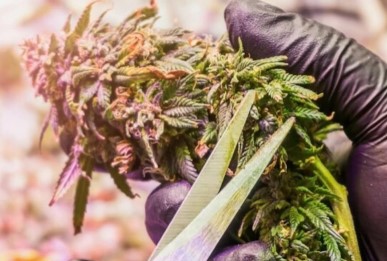
Place dried buds in glass jars, opening them daily to release excess moisture.
7. Potential Side Effects
Like most cannabis strains, Mr. Nice has a few mild and temporary side effects:
- Dry Mouth and Dry Eyes – Staying hydrated can help alleviate discomfort.
- Dizziness – Beginners or those sensitive to THC may experience lightheadedness.
- Paranoia and Anxiety – High doses may induce mild paranoia in sensitive users.
- Drowsiness – Best used at night due to its strong sedative effects.
8. Conclusion
Mr. Nice is a classic Indica-dominant hybrid that offers a combination of potent relaxation, pain relief, and mood-enhancing effects. With a rich genetic lineage, complex flavor profile, and therapeutic benefits, it remains a best option for both recreational and medical users. Whether used for pain management, insomnia, or simply unwinding, Mr. Nice continues to be a staple strain in the cannabis community.
For a complete directory of cultivars, visit our Cannabis Strain Reviews.
