Table of Contents
Mother of Berries (MOB) is an Indica-dominant cannabis strain renowned for its strong sedative effects, fruity berry aroma, and potent medicinal benefits. Originally bred in Maine, this strain has gained recognition for its ability to provide deep relaxation and relief from various ailments. With high THC content and rich terpene profiles, MOB is favored by both recreational and medicinal users looking for a soothing experience.
This comprehensive guide explores the strain’s genetic lineage, cannabinoid profile, medical applications, recreational benefits, and optimal cultivation practices.
1. Genetic Background
Mother of Berries is a heavily Indica-dominant hybrid, typically containing 85% Indica and 15% Sativa genetics. It is a descendant of the classic Blueberry strain, inheriting its signature fruity aroma and tranquilizing effects. The breeders in Maine aimed to create a strain that would deliver potent relaxation while preserving the desirable flavor profile of its Blueberry lineage.

Genetic Breakdown:
- Parent Strain: Blueberry
- Dominant Type: Indica-dominant hybrid (85% Indica, 15% Sativa)
- THC Content: Typically ranges from 18% to 22%
- CBD Content: Low (<1%)
The genetic influence of Blueberry provides a strong foundation for MOB’s relaxing effects and complex terpene profile, making it a top choice among Indica lovers.
2. Appearance, Aroma, and Flavor Profile
Appearance
Mother of Berries produces dense, compact buds covered in a thick layer of frosty trichomes. The leaves display vibrant hues of deep green, purple, and blue, especially when cultivated in colder temperatures. The buds are medium-sized and tightly packed, indicating a high resin production.
Key Visual Features:
- Compact, dense buds
- Deep green, purple, and blue coloration
- Heavy resin production with thick trichomes
- Bright orange pistils interwoven with the buds
Aroma
MOB is famous for its strong berry aroma, reminiscent of fresh blueberries and sweet wild berries. Upon breaking the buds, undertones of earthy pine and floral scents become more pronounced.
Primary Aromas:
- Sweet blueberries
- Wild berry scent
- Earthy pine undertones
- Hints of floral and herbal notes
Flavor
When smoked or vaporized, MOB offers a smooth, fruity taste that lingers on the palate. Users often describe the flavor as a blend of sweet berries and earthy spice, delivering a delightful sensory experience.
Flavor Profile:
- Dominant sweet blueberry taste
- Mild earthy and spicy undertones
- Hints of citrus and floral notes
3. Cannabinoid and Terpene Profile
Mother of Berries is a high-THC strain, making it effective for both medical and recreational use. The dominant terpenes contribute to its unique effects and flavors.
Cannabinoid Content:
- THC: 18-22%
- CBD: <1%
- CBG: 1%
Dominant Terpenes:
- Myrcene: Provides relaxing and sedative effects
- Pinene: Offers anti-inflammatory properties and enhances mental clarity
- Caryophyllene: Contributes to pain relief and stress reduction
- Limonene: Adds citrusy notes and provides mood-enhancing effects
These terpenes work synergistically with cannabinoids to amplify the strain’s sedative, analgesic, and mood-boosting properties.
4. Medical Uses of Mother of Berries
Mother of Berries (MOB) is widely recognized for its therapeutic benefits, primarily due to its high THC content (18-22%) and complex terpene profile. As an Indica-dominant strain (85% Indica, 15% Sativa), it is most effective for pain relief, insomnia, anxiety, and appetite stimulation. The following is a comprehensive scientific breakdown of how MOB interacts with the body’s endocannabinoid system (ECS) and its potential medical applications.

Mechanism of Action: How MOB Interacts with the Body
Mother of Berries exerts its effects primarily through THC and terpenes, which interact with the endocannabinoid system (ECS).
The Role of THC in Medical Effects
Tetrahydrocannabinol (THC) is the primary psychoactive compound in MOB. It binds to CB1 receptors (found mainly in the brain and central nervous system) and CB2 receptors (found in the immune system and peripheral tissues).
- CB1 Receptor Activation: Leads to pain relief, relaxation, and sedation by altering neurotransmitter release (dopamine, serotonin, GABA).
- CB2 Receptor Activation: Provides anti-inflammatory and immune-modulating effects, making it useful for chronic conditions like arthritis and multiple sclerosis (MS).
Terpene Contribution to Medical Effects
Terpenes in MOB enhance its therapeutic effects through the entourage effect, where they work synergistically with cannabinoids.
- Myrcene (Sedative & Pain-Relief)
- Enhances GABAergic activity, promoting muscle relaxation and sleep.
- Works as an analgesic, helping reduce chronic pain.
- Caryophyllene (Anti-Inflammatory & Pain Relief)
- Directly binds to CB2 receptors, reducing inflammation and neuropathic pain.
- Pinene (Cognitive Enhancement & Anti-Anxiety)
- Reduces memory impairment caused by THC while offering bronchodilator effects (useful for asthma).
- Limonene (Anti-Stress & Mood Enhancement)
- Influences serotonin and dopamine receptors, promoting anti-depressant effects.
Medical Applications of Mother of Berries
MOB is commonly used for treating chronic pain, insomnia, anxiety, and appetite loss. Below is a scientific breakdown of its effectiveness in different conditions.
Pain Management
MOB is particularly effective for chronic pain conditions due to its high THC and myrcene content. Studies show that THC can modulate pain through descending pain pathways in the central nervous system, altering pain perception.
Conditions Benefiting from MOB:
- Arthritis & Inflammatory Pain: Caryophyllene’s action on CB2 receptors helps reduce inflammation and joint pain.
- Neuropathic Pain (Fibromyalgia, Multiple Sclerosis): THC interacts with nociceptors, altering the transmission of pain signals.
- Migraine Relief: Pinene’s vasodilatory effects help reduce headache intensity.
Insomnia and Sleep Disorders
MOB’s sedative effects make it one of the most effective strains for insomnia.
Mechanism:
- THC reduces REM sleep (linked to nightmares and restless sleep).
- Myrcene enhances deep sleep stages (slow-wave sleep).
- Caryophyllene’s anti-anxiety properties promote relaxation, reducing sleep latency (time taken to fall asleep).
Scientific Studies:
- A study published in the Journal of Clinical Sleep Medicine found that high-THC cannabis strains reduced sleep onset time by up to 30%.
- Myrcene has been found to increase sleep duration and quality in animal studies.
Anxiety and Stress Reduction
MOB is commonly used for treating generalized anxiety disorder (GAD), PTSD, and panic attacks due to its myrcene and limonene content.
Mechanism:
- THC interacts with the amygdala, reducing fear responses and anxiety.
- Limonene increases serotonin and dopamine levels, improving mood.
- Myrcene’s sedative effects promote muscle relaxation, reducing physical symptoms of anxiety.
Clinical Research:
- Studies show that CB1 receptor activation through THC helps reduce hyperactivity in the amygdala, which is overactive in anxiety disorders.
- Limonene’s effect on serotonin receptors has been studied as an alternative to SSRIs (Selective Serotonin Reuptake Inhibitors).
Appetite Stimulation and Nausea Relief
Mother of Berries is highly effective in stimulating appetite and reducing nausea, making it a popular choice for patients undergoing chemotherapy or suffering from eating disorders.
Mechanism:
- THC activates CB1 receptors in the hypothalamus, which regulates hunger.
- Limonene and myrcene increase ghrelin levels, the hormone responsible for hunger.
Conditions Benefiting from MOB:
- Cancer Patients Undergoing Chemotherapy: Reduces nausea and prevents cachexia (severe weight loss).
- HIV/AIDS Patients: Helps improve nutrient intake.
- Anorexia and Eating Disorders: Stimulates appetite.
Scientific Support:
- Clinical trials published in Cancer Medicine found that THC-rich cannabis strains improved appetite and caloric intake by up to 40% in chemotherapy patients.
Muscle Spasms and Multiple Sclerosis (MS)
MOB is beneficial for muscle spasticity and MS-related symptoms, thanks to its CB2 receptor activation and high myrcene content.
Mechanism:
- THC reduces excess nerve signaling in MS patients, lowering muscle stiffness.
- Myrcene enhances GABAergic inhibition, relaxing muscles.
Clinical Evidence:
- Studies on cannabis-based medications (like Sativex) show that THC and caryophyllene significantly reduce muscle spasms and pain in MS patients.
Potential Side Effects and Precautions
While MOB has numerous medical benefits, it also has some potential side effects, particularly in individuals sensitive to THC.
Common Side Effects
- Dry Mouth (Cottonmouth): Caused by THC binding to submandibular gland receptors, reducing saliva production.
- Dry Eyes: Reduced tear production can cause mild discomfort.
- Dizziness or Lightheadedness: Linked to THC’s effects on blood pressure.
- Paranoia and Anxiety (High Doses): THC over-activation of CB1 receptors in the amygdala can increase anxiety in some users.
Contraindications and Drug Interactions
Avoid in individuals prone to THC-induced anxiety or paranoia (lower doses recommended).
Not recommended for individuals with cardiovascular issues (THC can slightly increase heart rate).
Interactions with blood pressure medications (CB1 receptor activation may cause hypotension).
5. Recreational Uses of Mother of Berries
For recreational consumers, MOB provides a deeply relaxing and enjoyable experience. It is particularly popular among users who prefer a strain for winding down in the evening.
Deep Relaxation
The heavy Indica effects make it ideal for users looking to unwind and de-stress after a long day.
Euphoria and Mood Enhancement
While MOB is not as energizing as Sativa strains, it does provide a mild sense of euphoria and happiness.
Couch-Lock and Body High
MOB is known to produce a strong body high that can lead to couch-lock, making it ideal for activities like watching movies or meditating.
6. Growing Mother of Berries Cannabis Strain
Cultivating Mother of Berries (MOB) requires a scientific approach to optimize growth conditions, cannabinoid production, and yield. Given its Indica-dominant genetics, MOB thrives in cool to moderate climates and requires precise environmental control to prevent issues like mold or nutrient deficiencies. Below is a detailed scientific breakdown of how to grow MOB effectively.
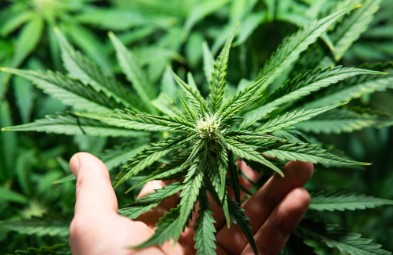
Ideal Growing Conditions for Mother of Berries
Mother of Berries can be grown both indoors and outdoors, but indoor cultivation allows for greater environmental control.
Climate Requirements
- Temperature Range:65°F – 75°F (18°C – 24°C)
- During the vegetative stage, slightly higher temperatures (75°F – 80°F) encourage faster growth.
- In the flowering stage, lowering temperatures to 65°F – 72°F enhances bud density and resin production.
- Cooler nighttime temperatures (55°F – 65°F) can bring out the purple and blue hues in the leaves due to anthocyanin activation.
- Humidity Levels:
- Vegetative Stage: 55% – 65% RH (Relative Humidity)
- Flowering Stage: 40% – 50% RH
- Late Flowering (Final 2 Weeks): 30% – 40% RH (Prevents mold and bud rot)
- Lighting:
- Vegetative Phase: 18/6 light cycle (18 hours of light, 6 hours of darkness)
- Flowering Phase: 12/12 light cycle (12 hours of light, 12 hours of darkness)
- Best Light Source:Full-spectrum LED lights or HPS (High-Pressure Sodium) lamps
- PPFD (Photosynthetic Photon Flux Density): 600-1000 µmol/m²/s for optimal photosynthesis.
Soil vs. Hydroponic Growing Methods
Mother of Berries can be grown in soil, hydroponics, or coco coir, with each medium offering distinct advantages.
Soil Cultivation (Organic Method)
- Preferred Soil Type: Loamy, well-draining soil with high organic content.
- Optimal pH Range: 6.0 – 6.5
- Nutrient Requirements:
- Nitrogen (N): Vital for the formation of leaves and stems during the vegetative stage.
- Phosphorus (P): Needed in the flowering stage for bud formation.
- Potassium (K): Promotes overall plant health, trichome production, and terpene expression.
- Organic Additives:
- Bat guano: Enhances terpene production.
- Mycorrhizal fungi: Improves root structure and nutrient uptake.
- Compost tea: Encourages beneficial microbial activity.
Hydroponic Cultivation (Soilless Method)
- Optimal Hydroponic System: Deep Water Culture (DWC) or Nutrient Film Technique (NFT)
- pH Level: 5.5 – 6.0
- EC (Electrical Conductivity): 1.2 – 1.8 mS/cm (Varies between veg and flower stages)
- Nutrient Solution:
- Adjust N-P-K ratios dynamically:
- Vegetative Stage: 4-2-3 (Higher Nitrogen)
- Flowering Stage: 1-4-5 (Higher Phosphorus & Potassium)
- Adjust N-P-K ratios dynamically:
- Advantages of Hydroponics: Faster growth, higher THC levels, and greater control over nutrient absorption.
Coco Coir Cultivation (Hybrid Method)
- Offers a balance between soil and hydroponic benefits.
- pH Level: 5.8 – 6.2
- Watering Frequency: More frequent than soil but less than hydroponics.
- Nutrients: Requires Cal-Mag (Calcium and Magnesium) supplementation.
Growth Stages and Nutrient Feeding Schedule
Mother of Berries follows a structured growth cycle, requiring specific feeding schedules to optimize cannabinoid and terpene production.
Seedling Stage (0-2 Weeks)
- Optimal Conditions:
- Temperature: 70°F – 80°F
- Humidity: 65% – 70% RH
- Lighting: PPFD of 100-300 µmol/m²/s
- Watering: Minimal; use distilled water or lightly fertilized root enhancers.
- Nutrients: Low concentration of nitrogen-rich fertilizers (N-P-K: 2-1-2).
Vegetative Stage (2-6 Weeks)
- Optimal Conditions:
- Temperature: 75°F – 80°F
- Humidity: 55% – 65% RH
- Lighting: PPFD of 400-600 µmol/m²/s
- Nutrients:
- N-P-K Ratio: 4-2-3 (High Nitrogen)
- Supplements: Cal-Mag, Silica (for stronger stems)
- Watering: Every 2-3 days (adjust for hydroponic systems)
Flowering Stage (7-10 Weeks)
- Optimal Conditions:
- Temperature: 65°F – 75°F
- Humidity: 40% – 50% RH
- Lighting: PPFD of 600-1000 µmol/m²/s
- Nutrients:
- N-P-K Ratio: 1-4-5 (High Phosphorus and Potassium)
- Molasses: Boosts terpene production.
- Defoliation: Remove excess fan leaves to increase airflow and light penetration.
Advanced Growing Techniques for Higher Yield
Low-Stress Training (LST)
- Bending branches and securing them with soft ties to increase light exposure.
- Encourages lateral growth for larger yields.
High-Stress Training (HST)
- Topping: Cutting the main stem to promote multiple colas.
- Supercropping: Gently crushing stems to increase cannabinoid production.
SCROG (Screen of Green) Method
- Involves placing a net above the plants to train them horizontally.
- Improves bud uniformity and increases light exposure.
Harvesting and Post-Harvest Processing
When to Harvest Mother of Berries
The best time to harvest is when trichomes reach their peak THC content. Observing trichomes under a microscope helps determine ripeness:
- Clear Trichomes: Not ready.
- Milky White Trichomes: Peak THC content (Ideal harvest time).
- Amber Trichomes: More sedative effects (Recommended for medical users).
Drying and Curing Process
- Drying Environment:
- Temperature: 60°F – 70°F
- Humidity: 50% – 60% RH
- Duration: 7-14 days
- Curing Process:
- Place dried buds in glass jars, open daily for burping (gas release).
- Cure for 2-4 weeks for maximum potency and flavor.
Common Cultivation Challenges
Mold and Bud Rot
- Solution: Maintain low humidity (30%-40%) of Mother of Berries during flowering and ensure proper airflow.
Nutrient Deficiencies
- Nitrogen Deficiency: Yellowing leaves in veg stage (Solution: Increase N levels).
- Potassium Deficiency: Burnt leaf edges in flowering (Solution: Increase K).
Pests (Spider Mites, Aphids)
- Solution: Use Neem oil, diatomaceous earth, or beneficial insects (e.g., ladybugs).
7. Side Effects and Precautions
Like all cannabis strains, Mother of Berries may cause some side effects, particularly for new users or people who are sensitive to high doses of THC.
Common Side Effects:
- Dry Mouth (Cottonmouth): Staying hydrated can alleviate this effect
- Dry Eyes: Using moisturizing eye drops helps reduce irritation
- Dizziness or Lightheadedness: Common in users with low THC tolerance
- Paranoia or Anxiety: Rare but possible in higher doses
Users should start with a low dose and gradually increase to find their optimal level of comfort.
Conclusion
Mother of Berries is a highly potent, Indica-dominant strain with a rich blueberry aroma, relaxing effects, and therapeutic benefits. Its ability to alleviate pain, insomnia, stress, and anxiety makes it a valuable strain for medical patients, while its deep relaxation and euphoric effects are favored by recreational users. Cultivators appreciate MOB for its moderate growth difficulty and high yield potential.
Whether for medical use or simply unwinding after a long day, MOB continues to be a sought-after strain in the cannabis community.
For a complete directory of cultivars, visit our Cannabis Strain Reviews.
