Table of Contents
Moonshine Haze is a highly potent Sativa-dominant hybrid that has gained widespread popularity due to its energetic effects, unique flavor profile, and impressive medical benefits. This strain is a prime choice for those seeking an uplifting and cerebral experience while still providing therapeutic advantages. Winner of the 2011 High Times Cannabis Cup for Best Sativa, Moonshine Haze has cemented itself as a top-tier cannabis variety. Below, we provide an in-depth look at this strain’s genetic composition, chemical properties, medical applications, recreational benefits, and optimal growing conditions.
1. Genetic Background
Moonshine Haze is a Sativa-dominant hybrid with approximately 80% Sativa and 20% Indica genetics. It is a cross between Neville’s Wreck and Amnesia Haze, both of which are revered for their potency and complex terpene profiles.
- Neville’s Wreck: A Sativa-heavy strain known for its long-lasting cerebral effects, this parent contributes to Moonshine Haze’s intense mental stimulation.
- Amnesia Haze: A globally renowned strain that delivers euphoria and energy while offering citrusy, earthy flavors.
The combination of these genetics results in a strain that is both uplifting and slightly calming, which makes it perfect for usage during the day.
2. Appearance, Aroma, and Flavor Profile
Appearance
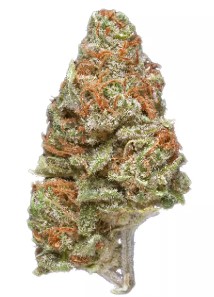
Moonshine Haze plants produce elongated, light green buds with a dense but slightly airy structure. The buds are heavily coated in a thick layer of frosty trichomes, signifying high resin production. Thin orange pistils curl around the surface, adding a vibrant contrast to the bright green hues.
Aroma
This strain emits a distinct and complex aroma, with dominant notes of:
- Citrus and lemon – A bright, tangy scent that awakens the senses.
- Earthy and herbal – Classic Haze characteristics that provide depth.
- Diesel and pine – A pungent undertone that adds a unique sharpness.
Flavor
The taste of Moonshine Haze closely mirrors its aroma, offering a bold and flavorful experience:
- Sweet citrus on the inhale, reminiscent of lemon candy.
- Earthy and piney mid-notes, giving it a grounding effect.
- Diesel-like, slightly spicy finish, adding a bit of sharpness.
3. THC and CBD Content
Moonshine Haze is a high-THC strain, with levels typically ranging between 22% and 26%, making it one of the more potent Sativa-dominant hybrids available. Its CBD content is generally low, averaging below 1%, which means its therapeutic effects primarily stem from its THC and terpene profile rather than a balanced cannabinoid ratio.

4. Medical Uses of Moonshine Haze
Moonshine Haze, a Sativa-dominant hybrid (80% Sativa, 20% Indica) with high THC levels (22-26%), possesses a unique cannabinoid-terpene profile that makes it a powerful option for medical cannabis users. Its psychoactive, neuroprotective, and analgesic properties contribute to its effectiveness in treating a wide range of conditions. Below, we explore the scientific mechanisms behind Moonshine Haze’s medical benefits, including its impact on the endocannabinoid system (ECS), neurotransmitters, and physiological responses.
How Moonshine Haze Interacts with the Endocannabinoid System (ECS)
The ECS is a regulatory network composed of CB1 and CB2 receptors, which interact with THC, CBN, CBD, and CBG are examples of cannabinoids. Moonshine Haze primarily affects:
- CB1 receptors (CNS, brain, spinal cord) → Modulates mood, pain perception, and neuroprotection.
- CB2 receptors (immune system, peripheral tissues) → Affects inflammation, immune response, and cell signaling.
Primary Cannabinoid Composition
- THC (Tetrahydrocannabinol) 22-26% – Main psychoactive compound that provides analgesic, anti-inflammatory, and euphoric effects.
- CBD (Cannabidiol) <1% – Minor presence, but contributes anxiolytic and neuroprotective benefits.
- CBG (Cannabigerol) 0.5-1% – Supports neuroprotection, muscle relaxation, and antibacterial properties.
Key Terpenes in Moonshine Haze and Their Medicinal Effects
- Limonene (Citrus aroma) → Elevates mood, reduces stress and anxiety, and has anti-inflammatory properties.
- Myrcene (Earthy, herbal scent) → Analgesic, sedative, and muscle relaxant.
- Pinene (Pine aroma) → Enhances memory retention, reduces inflammation, and has bronchodilatory effects.
- Caryophyllene (Peppery, spicy) → Acts as a CB2 receptor agonist, providing pain relief and anti-inflammatory benefits.
2. Medical Applications of Moonshine Haze
Chronic Pain Management
Mechanism of Action:
- THC binds to CB1 receptors in the central nervous system, inhibiting nociceptive pain signaling.
- Terpenes like myrcene and caryophyllene contribute to anti-inflammatory effects, reducing pain perception.
Conditions Treated:
- Neuropathic pain (fibromyalgia, multiple sclerosis, nerve damage)
- Chronic migraines
- Arthritis and joint pain
- Post-surgical pain relief
Depression and Mood Disorders
Mechanism of Action:
- THC modulates dopamine and serotonin levels, promoting an uplifted mood.
- Limonene has antidepressant properties, enhancing serotonin production.
Conditions Treated:
- Major Depressive Disorder (MDD)
- Bipolar disorder (manic phase)
- Seasonal Affective Disorder (SAD)
Anxiety Disorders and PTSD
Mechanism of Action:
- Limonene and pinene provide anxiolytic effects, reducing cortisol levels.
- CB1 receptor activation in the amygdala modulates fear responses.
Conditions Treated:
- Generalized Anxiety Disorder (GAD)
- Social Anxiety Disorder (SAD)
- Post-Traumatic Stress Disorder (PTSD)
Caution: High doses of THC can induce paranoia or anxiety in sensitive individuals.
ADHD and Cognitive Enhancement
Mechanism of Action:
- THC acts as a dopamine reuptake inhibitor, improving focus and executive function.
- Pinene enhances acetylcholine levels, promoting mental clarity and memory retention.
Conditions Treated:
- Attention Deficit Hyperactivity Disorder (ADHD)
- Cognitive fatigue
- Lack of motivation
Neuroprotection and Brain Health
Mechanism of Action:
- CB1 receptor activation reduces oxidative stress and neuroinflammation.
- CBG and pinene promote neuronal regeneration.
Conditions Treated:
- Alzheimer’s disease and dementia
- Multiple sclerosis (MS)
- Parkinson’s disease
- Stroke recovery
Appetite Stimulation and Gastrointestinal Relief
Mechanism of Action:
- THC binds to CB1 receptors in the hypothalamus, triggering ghrelin release (hunger hormone).
- Caryophyllene and limonene reduce nausea and inflammation in the gut.
Conditions Treated:
- Chemotherapy-induced nausea and vomiting (CINV)
- Anorexia and cachexia
- Irritable Bowel Syndrome (IBS)
- Crohn’s disease and ulcerative colitis
Sleep Disorders and Insomnia
Mechanism of Action:
- Myrcene and THC synergize to produce sedative effects.
- CB1 receptor modulation improves sleep architecture.
Conditions Treated:
- Chronic insomnia
- Restless leg syndrome (RLS)
- Sleep apnea (mild cases)
Anti-Inflammatory and Autoimmune Conditions
Mechanism of Action:
- CB2 receptor activation regulates immune response and cytokine production.
- Caryophyllene is a CB2 agonist, reducing chronic inflammation.
Conditions Treated:
- Rheumatoid arthritis (RA)
- Lupus
- Psoriasis
- Chronic inflammatory conditions (e.g., asthma, eczema)
Dosing Recommendations for Medical Use
Microdosing for Anxiety & Focus (1-5 mg THC)
- Best for daytime use.
- Enhances mood, creativity, and stress reduction without impairment.
Moderate Dosing for Pain & Depression (5-15 mg THC)
- Balanced effects, ideal for chronic pain, mood stabilization, and cognitive function.
High Dosing for Severe Conditions (15-30 mg THC)
- Suitable for insomnia, chemotherapy side effects, and severe pain management.
- Risk of cannabis tolerance buildup and psychoactive effects.
Note: Patients new to cannabis should start with low doses and gradually increase to assess tolerance.
5. Future Research & Potential Medical Applications
- Clinical trials on THC and CBG for neurodegenerative diseases.
- Use in personalized medicine (genetically tailored cannabis therapy).
- Potential as an adjunct therapy in opioid withdrawal treatment.
5. Recreational Uses of Moonshine Haze
Moonshine Haze is widely appreciated for its recreational effects, particularly for those who enjoy Sativa-dominant strains.
Energizing and Uplifting Effects
- Ideal for daytime use as it promotes motivation, productivity, and enthusiasm.
- Helps users engage in social interactions, making it great for gatherings.
Creativity and Mental Stimulation
- Many artists and musicians enjoy Moonshine Haze for its creativity-enhancing properties.
- It facilitates deep thinking and abstract ideas without overwhelming sedation.
Euphoric High
- Users often experience an initial rush of euphoria that sets a happy and stress-free mood.
- Helps to melt away negative thoughts and stress.
Outdoor and Active Use
- Moonshine Haze is a great companion for outdoor activities such as hiking, biking, and yoga.
- Its invigorating effects make it suitable for exercise and physical activities.
6. Growing Moonshine Haze Cannabis Strain
Moonshine Haze, a high-THC, Sativa-dominant hybrid, requires precise cultivation techniques to optimize its growth, yield, and cannabinoid content. Due to its tall growth structure, long flowering time, and complex terpene profile, this strain demands a controlled environment with optimal conditions for light exposure, temperature, humidity, nutrients, and pest management. Below is a scientific breakdown of the best cultivation methods for Moonshine Haze.
Optimal Growth Environment
Moonshine Haze thrives best in a controlled indoor environment, but it can also flourish outdoors under the right conditions.
Indoor Cultivation Requirements
Indoor growing is preferred for this strain as it allows precise control over environmental variables.
- Lighting: Requires high-intensity full-spectrum LED or HPS lights (600W–1000W).
- Vegetative Stage: 18-20 hours of light per day.
- Flowering Stage: Twelve hours of darkness and twelve hours of brightness.
- Temperature: Ideal range is 70°F–80°F (21°C–27°C).
- Avoid temperature fluctuations greater than 10°F between day and night.
- Humidity Levels:
- Vegetative stage: 50-60% RH (relative humidity).
- Flowering stage: 40-50% RH to prevent bud rot.
- Final weeks before harvest: Reduce to 30-40% RH for enhanced resin production.
- Air Circulation & Ventilation: Strong airflow is crucial to prevent mold.
- Oscillating fans and an exhaust system with carbon filters help control temperature and humidity.
Outdoor Cultivation Requirements
For successful outdoor growth, Moonshine Haze requires:
- Warm, sunny climate (Mediterranean-like conditions).
- Soil pH: 6.0–6.5 (slightly acidic).
- Good drainage: Loamy or sandy soil enriched with organic matter.
- Sun exposure: At least 8-12 hours of direct sunlight per day.
- Protection from strong winds: Can damage tall, slender branches.
Growth Stages & Scientific Approaches
Germination
- Ideal temperature: 75–80°F (24–27°C).
- Use paper towel method or direct soil planting.
- pH of water: 6.0–6.5 for optimal nutrient uptake.
Seedling Stage (Week 1-3)
- Use T5 fluorescent or LED lights to prevent excessive stretching.
- Humidity: 60-70% RH.
- Temperature: 75-80°F (24-27°C).
- Soil or growing medium: Start in light, aerated soil (peat-based or coco coir mix).
- Watering: Use pH-balanced water (6.2-6.5) with minimal nutrients.
Vegetative Stage (Week 3-8)
- Lighting: 18-20 hours per day.
- Temperature: 70-80°F (21-27°C).
- Humidity: 50-60% RH.
- CO₂ Supplementation: Increasing CO₂ levels (900-1200 ppm) enhances growth rate and bud development.
- Training Techniques:
- Topping: Cutting the main stem promotes bushier growth and increases yield.
- Low-Stress Training (LST): Bending branches encourages horizontal growth.
- Screen of Green (ScrOG): A mesh net maximizes light exposure to buds.
Flowering Stage (Week 9-11)
- Light cycle: 12/12 (12 hours of light, 12 hours of darkness).
- Temperature: 68-78°F (20-26°C).
- Humidity: Reduce to 40-50% RH to prevent mold.
- Nutrient shift: Increase phosphorus (P) and potassium (K), reduce nitrogen (N).
- Terpene enhancement: Gradual temperature reductions and stress techniques (UVB light exposure) can enhance terpene production.
Late Flowering & Pre-Harvest (Week 11-12)
- Flushing: 1-2 weeks before harvest, stop nutrients and use pH-balanced water (6.0-6.5) to remove excess fertilizers.
- Trichome inspection: Monitor trichomes under a magnifier:
- Clear trichomes: Too early to harvest.
- Cloudy/milky trichomes: Peak THC levels.
- Amber trichomes: More sedative, higher CBN content.
Nutrient Management
Macronutrient Needs
Moonshine Haze has high nutrient demands, requiring N-P-K (Nitrogen-Phosphorus-Potassium) balance adjustments at different growth stages.
- Vegetative Stage: Potassium (K), mild phosphorus (P), and high nitrogen (N).
- Flowering Stage: Reduce nitrogen, increase phosphorus and potassium.
- Recommended N-P-K ratio: 1:3:2 (or 1:4:3 in late flowering).
Micronutrients
- Calcium (Ca) & Magnesium (Mg): Prevent deficiencies by adding Cal-Mag supplements.
- Sulfur (S): Enhances terpene production.
- Iron (Fe), Zinc (Zn), and Boron (B): Required in trace amounts for enzymatic functions.
Organic vs. Synthetic Nutrients
- Organic nutrients (compost, bat guano, worm castings) enhance terpene production and natural flavors.
- Hydroponic solutions provide more precise nutrient control but require regular pH and EC (electrical conductivity) adjustments.
Common Cultivation Challenges
Pests & Disease Prevention
Moonshine Haze is susceptible to spider mites, aphids, and mold due to its long flowering period.
- Preventative measures:
- Maintain low humidity.
- Use Neem oil or beneficial insects (ladybugs, predatory mites).
- Implement companion planting (e.g., basil, marigold) to deter pests naturally.
Mold & Mildew Control
- Problem: High humidity can cause powdery mildew and bud rot.
- Solution: Increase airflow, reduce humidity, and defoliate lower branches.
Nutrient Deficiencies & Toxicities
- Nitrogen Deficiency: Yellowing leaves (increase nitrogen).
- Phosphorus Deficiency: Purple stems (adjust pH, add phosphorus).
- Overfeeding: Nutrient burn (flush soil with pH-balanced water).
Harvesting, Drying, and Curing
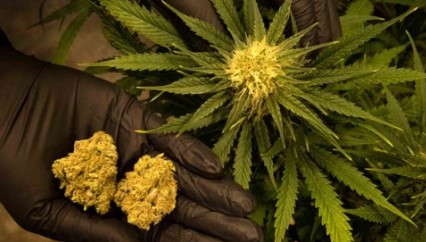
Proper harvesting and curing techniques enhance potency, flavor, and smoothness.
Harvesting Techniques
- Harvest when 60-70% of trichomes turn cloudy/milky for optimal THC levels.
- Best time to harvest: Early morning when terpene levels peak.
Drying Process
- Temperature: 60-70°F (15-21°C).
- Humidity: 45-55% RH.
- Method: Hang buds upside down in a dark, well-ventilated space.
- Duration: 7-14 days.
Curing Process
- Storage: Put the dried buds in glass jars that are airtight.
- Burping: Open jars for 10-15 minutes daily to release moisture.
- Duration: Minimum 3 weeks, but 6-8 weeks for optimal terpene expression.
7. Potential Side Effects of Moonshine Haze
While Moonshine Haze has numerous benefits, it also has some potential side effects:
- Dry mouth and dry eyes – Common cannabis-related effects; staying hydrated helps mitigate discomfort.
- Paranoia or anxiety – High THC levels can cause increased anxiety in sensitive users.
- Dizziness or lightheadedness – May occur with overconsumption.
- Insomnia – If used too late in the evening, its stimulating effects may interfere with sleep.
8. Conclusion
Moonshine Haze is a premier Sativa-dominant hybrid that offers a rich combination of energy, mental clarity, and therapeutic relief. With its award-winning genetics, citrusy-diesel aroma, and long-lasting high, it has become a favorite among both medical and recreational users. Whether looking to combat fatigue, boost creativity, or alleviate stress, Moonshine Haze stands out as a powerful and reliable cannabis strain. However, due to its high THC potency, it is best suited for experienced users or those who enjoy strong cerebral effects. For growers, Moonshine Haze presents a moderate challenge but rewards with high yields and resinous, aromatic buds when cultivated properly.
Overall, Moonshine Haze remains a top-tier choice in the cannabis community, offering a balance of exhilaration and relaxation that few other strains can match.
For a complete directory of cultivars, visit our Cannabis Strain Reviews.
