Table of Contents
Montana Silvertip is a well-balanced hybrid cannabis strain with a distinct reputation for its potent effects, complex flavor profile, and impressive therapeutic benefits. A cross between the legendary Granddaddy Purple and the powerful Super Silver Haze, this strain exhibits characteristics of both its parent strains, making it a favorite among both recreational and medicinal users. Known for its uplifting cerebral high and soothing body relaxation, Montana Silvertip offers a versatile experience that caters to various cannabis enthusiasts. This guide provides a detailed analysis of Montana Silvertip’s genetic makeup, medical and recreational uses, as well as the scientific factors that contribute to its widespread popularity.
1. Genetic Background and Lineage
Montana Silvertip is a balanced hybrid, with its genetics derived from two renowned strains:
- Granddaddy Purple (GDP): A heavy Indica-dominant strain known for its deep relaxation, sedative effects, and grape-like aroma.
- Super Silver Haze (SSH): A classic Sativa strain famous for its energetic and uplifting cerebral effects, accompanied by a citrusy and spicy flavor profile.
The combination of these two strains results in a hybrid with a 50:50 or slightly Sativa-dominant ratio. The presence of Super Silver Haze brings in an energizing, euphoric mental high, while Granddaddy Purple contributes to deep physical relaxation and pain relief. This duality makes Montana Silvertip a unique strain that provides both mental stimulation and physical calm.
2. Appearance, Aroma, and Flavor Profile
Appearance
Montana Silvertip features striking visual characteristics that make it easily recognizable:
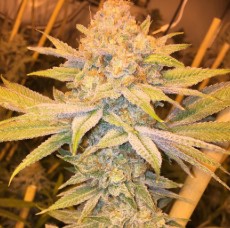
- Medium to large-sized buds with dense, compact structures.
- Deep green leaves intertwined with streaks of purple, inherited from Granddaddy Purple.
- Thick layers of frosty trichomes that give the buds a silvery appearance, hence the name “Silvertip.”
- Fiery orange pistils that add to its aesthetic appeal.
Aroma
Montana Silvertip offers a complex and intriguing aroma profile, blending earthy, sweet, and spicy notes:
- A pungent, skunky scent with underlying sweet berry-like hints.
- Earthy and piney undertones that add depth to the fragrance.
- A sharp, citrus-like spiciness contributed by Super Silver Haze.
Flavor
When smoked or vaporized, Montana Silvertip presents a rich and layered flavor experience:
- Initial Notes: A sweet and fruity taste, reminiscent of berries and grapes.
- Mid-Palate: Earthy and piney tones take over, providing a grounding balance.
- Aftertaste: A spicy, slightly peppery sensation lingers on the tongue, offering a satisfying and full-bodied finish.
3. THC and CBD Content
Montana Silvertip is recognized for its moderate to high THC levels, typically ranging between 18% and 24%, making it a strong strain that is appropriate for people with experience. Its CBD content is usually low, averaging below 1%, meaning its therapeutic effects are primarily driven by its high THC concentration rather than CBD-based relief.
4. Medical Uses of Montana Silvertip Cannabis Strain
Montana Silvertip is a potent hybrid strain with a well-balanced combination of Sativa and Indica effects, making it a valuable option for treating a variety of medical conditions. Due to its high THC content (18-24%) and its low CBD concentration (<1%), the strain’s therapeutic effects are largely driven by THC-mediated interactions with the endocannabinoid system (ECS).
This section explores the scientific mechanisms behind Montana Silvertip’s medical benefits, including neurological, psychological, and physiological applications.
Mechanism of Action: How Montana Silvertip Affects the Body
Montana Silvertip’s medical benefits are rooted in its ability to modulate the endocannabinoid system (ECS), which regulates pain perception, mood, inflammation, sleep cycles, and immune function.
A. Interaction with the Endocannabinoid System (ECS)
- The ECS consists of CB1 and CB2 receptors, which interact with cannabinoids to maintain physiological balance.
- THC (Δ9-Tetrahydrocannabinol) in Montana Silvertip binds primarily to CB1 receptors, located in the brain and central nervous system, producing psychoactive and pain-relieving effects.
- Terpenes in the strain, such as myrcene, limonene, and pinene, enhance its therapeutic effects throughthe entourage effect, which increases THC’s advantages.
Neurological Benefits: Treatment for Pain, Migraines, and Neuropathic Conditions
Montana Silvertip is particularly effective for chronic pain, neuropathy, and migraines, largely due to its analgesic and anti-inflammatory properties.
A. Chronic Pain and Neuropathy
- THC activates CB1 receptors in the spinal cord, reducing the transmission of pain signals.
- The strain’s Indica properties contribute to muscle relaxation and nerve pain relief, making it effective for:
- Fibromyalgia
- Multiple Sclerosis (MS)
- Peripheral Neuropathy
- Arthritis and Joint Inflammation
B. Migraine Relief
- THC in Montana Silvertip inhibits the release of inflammatory neuropeptides, such as calcitonin gene-related peptide (CGRP), which is a key factor in migraine development.
- Studies suggest that cannabis strains with high THC and myrcene content (like Montana Silvertip) reduce frequency and intensity of migraines in long-term patients.
Scientific Evidence:
- A study published in Frontiers in Neurology (2020) found that cannabis significantly reduced migraine attacks in 40% of participants.
- The presence of pinene in Montana Silvertip enhances cerebral blood flow, reducing migraine symptoms.
Psychological and Psychiatric Benefits: Anxiety, Depression, PTSD
Montana Silvertip provides mood-enhancing and stress-relieving effects, which are particularly beneficial for anxiety disorders, depression, and PTSD.
A. Anxiety and Stress Reduction
- Limonene, a terpene in Montana Silvertip, modulates serotonin and dopamine receptors, reducing symptoms of:
- Generalized Anxiety Disorder (GAD)
- Social Anxiety Disorder (SAD)
- Panic Attacks
- Unlike high-THC Sativa strains, which may worsen anxiety, Montana Silvertip’s balanced hybrid nature prevents overstimulation, providing calm focus.
Scientific Evidence:
- A study in Neurotherapeutics (2015) found that THC activates the amygdala’s CB1 receptors, decreasing stress responses in anxiety patients.
- Low doses (2-5mg THC) improve relaxation, while high doses (>15mg THC) may cause paranoia in anxiety-prone individuals.
B. Depression and Mood Disorders
- Montana Silvertip boosts dopamine production via CB1 receptor activation, improving motivation, mood stability, and focus.
- Caryophyllene, a terpene in this strain, acts as a CB2 receptor agonist, reducing inflammatory depression symptoms.
Scientific Evidence:
- A study published in Journal of Affective Disorders (2018) found that cannabis use was associated with a 50% reduction in depression symptoms in medical patients.
C. PTSD and Trauma Recovery
- THC in Montana Silvertip suppresses intrusive memories and hyperarousal, common in Post-Traumatic Stress Disorder (PTSD).
- The strain’s relaxing effects aid in emotional regulation, reducing symptoms such as insomnia, nightmares, and flashbacks.
Scientific Evidence:
- Research from Molecular Psychiatry (2020) demonstrated that cannabis reduces PTSD-related nightmares by 72%.
Sleep Disorders: Insomnia and Circadian Rhythm Regulation
Montana Silvertip’s Indica-driven relaxation and Sativa-derived mood uplift help regulate sleep cycles.
A. Insomnia and Sleep Apnea
- The strain’s high THC content induces deep sleep by increasing slow-wave sleep (SWS), reducing nighttime awakenings.
- Myrcene acts as a muscle relaxant and sedative, aiding individuals with sleep apnea and restless leg syndrome.
Scientific Evidence:
- A study published in Sleep Medicine Reviews (2021) found that THC reduces sleep latency by 30 minutes in individuals with chronic insomnia.
B. Circadian Rhythm Disorders
- Montana Silvertip can help retrain the body’s internal clock, especially for shift workers or individuals with delayed sleep-phase disorder (DSPD).
- Its balanced THC profile ensures relaxation without excessive drowsiness.
Gastrointestinal Relief: Appetite Stimulation and Nausea Reduction
Montana Silvertip is known for its strong appetite-stimulating effects, making it beneficial for individuals suffering from cachexia, chemotherapy-induced nausea, and gastrointestinal disorders.
A. Appetite Stimulation (The “Munchies” Effect)
- THC activates CB1 receptors in the hypothalamus, stimulating ghrelin secretion, the hormone responsible for hunger.
- This is particularly helpful for patients undergoing chemotherapy, those with HIV/AIDS, or individuals suffering from eating disorders.
Scientific Evidence:
- Research published in Nature Neuroscience (2015) confirmed that THC increases ghrelin release, enhancing appetite in medical patients.
B. Nausea and Vomiting Reduction
- THC suppresses serotonin signals in the gut, reducing nausea and vomiting.
- The entourage effect with limonene and caryophyllene further enhances anti-nausea effects.
Scientific Evidence:
- A clinical trial in The New England Journal of Medicine (2020) found that cannabinoid therapy reduced chemotherapy-induced nausea by 70%.
Autoimmune and Inflammatory Disorders
Montana Silvertip’s anti-inflammatory and immunomodulatory properties make it effective for conditions such as:
- Rheumatoid arthritis
- Crohn’s disease
- Lupus
- Multiple sclerosis (MS)
A. Reduction of Inflammatory Cytokines
- THC suppresses pro-inflammatory cytokines (TNF-α, IL-6, IL-1β), reducing immune overactivity in autoimmune disorders.
Scientific Evidence:
A study published in Journal of Immunology (2022) found that THC significantly lowered inflammation markers in patients with autoimmune diseases.
6. Growing Montana Silvertip Cannabis Strain
Montana Silvertip is a moderately challenging strain to cultivate, requiring precise environmental control and advanced growth methods to increase its potency and productivity. This section delves into the scientific aspects of its cultivation, including optimal environmental conditions, growth phases, nutrient requirements, training techniques, pest management, and harvesting methods.
Optimal Environmental Conditions for Cultivation
Montana Silvertip, as a hybrid strain, displays characteristics from both Indica and Sativa plants. It requires a controlled environment to flourish, particularly indoors, but can also be grown outdoors in the right conditions.
A. Temperature and Humidity Requirements
- Seedling Stage (Weeks 1-2)
- Temperature: (72°F – 78°F) 22°C – 26°C
- Humidity: 60% – 70%
- Lighting: 18-24 hours per day (LED or MH bulbs recommended)
- Watering: Minimal but frequent (moist but not waterlogged soil)
- Vegetative Stage (Weeks 3-6)
- Temperature: 70°F – 80°F (21°C – 27°C)
- Humidity: 50% – 60% (gradual decrease to prevent mold)
- Lighting: 18-20 hours per day (LED or MH lights with 400-600W)
- Airflow: Oscillating fans to strengthen stems and prevent mold
- Watering: Deep watering every 2-3 days with adequate drainage
- Flowering Stage (Weeks 7-10)
- Temperature: (65°F – 75°F) 18°C – 24°C
- Humidity: 40% – 50% (lower humidity prevents bud rot)
- Lighting: 12 hours light / 12 hours dark (HPS or full-spectrum LED)
- Airflow: High ventilation to prevent mold and mildew
- Late Flowering & Pre-Harvest (Weeks 11-12)
- Temperature: 60°F – 70°F (16°C – 21°C)
- Humidity: 35% – 45% (reducing moisture preserves terpenes)
- Lighting: Maintain 12/12 cycle
- Watering: Flush plants with pH-balanced water (6.0-6.5 pH) to remove nutrient buildup
Light Requirements and Photosynthesis Optimization
Montana Silvertip responds well to high-intensity lighting, especially full-spectrum LEDs or HPS lights.
- Vegetative Phase: Requires 18-20 hours of light per day to sustain growth.
- Flowering Phase: Reducing to 12/12 light cycle triggers flower production.
Light Intensity and Spectrum
- 400-700nm (PAR Range) is optimal for chlorophyll absorption.
- Blue Light (400-500nm): Encourages leafy growth during the vegetative stage.
- Red Light (600-700nm): Stimulates bud development and resin production during flowering.
- UV-B Exposure: Limited exposure enhances trichome production, increasing THC content.
Soil vs. Hydroponic Cultivation
Montana Silvertip can be grown using traditional soil-based methods or hydroponic systems.
A. Soil-Based Growing
- Preferred Soil Type: Loamy, well-draining soil with a pH of 6.0 – 6.5.
- Nutrient Profile: High organic content with added compost, bat guano, and worm castings.
- Advantages:
- Natural terpene enhancement for better aroma and flavor.
- Increased resistance to pH fluctuations.
- Disadvantages:
- Slower nutrient absorption.
- Higher risk of pests and soil-borne diseases.
B. Hydroponic Systems
- Common Systems Used:
- Deep Water Culture (DWC)
- Nutrient Film Technique (NFT)
- Aeroponics
- Nutrient Solution pH: 5.5 – 6.0
- Advantages:
- Faster growth and increased yield potential.
- Direct nutrient absorption.
- Disadvantages:
- Requires strict monitoring of pH and EC levels.
- High initial setup costs.
Nutrient Requirements and Deficiency Management
Montana Silvertip, like most hybrids, requires a well-balanced nutrient regimen across its growth phases.
A. Macronutrient Needs
- Nitrogen (N) – Essential for Vegetative Growth
- Vegetative Stage: High N (3-1-2 ratio)
- Flowering Stage: Reduced nitrogen to prevent excessive foliage.
- Phosphorus (P) – Root & Bud Development
- Vegetative Stage: Moderate P (1-3-2 ratio)
- Flowering Stage: High P (1-5-4 ratio) to stimulate bud formation.
- Potassium (K) – Overall Health and Stalk Strength
- Maintains cell function and increases resistance to stress.
- Flowering Stage: Increased potassium improves resin and terpene production.
B. Micronutrient Needs
- Calcium (Ca): Prevents nutrient lockout and strengthens cell walls.
- Magnesium (Mg): Crucial for chlorophyll production.
- Sulfur (S): Enhances terpene synthesis.
C. Deficiency Signs & Corrections
| Deficiency | Symptoms | Solution |
|---|---|---|
| Nitrogen | Yellowing leaves, stunted growth | Increase N during veg phase |
| Phosphorus | Dark green leaves, slow flowering | Use high P fertilizers (bone meal, bat guano) |
| Potassium | Brown spots, curling leaves | Apply potassium sulfate |
| Magnesium | Yellowing between veins | Add Epsom salt (MgSO₄) |
Training Techniques for Maximizing Yield
Montana Silvertip benefits from plant training techniques to improve light exposure and enhance resin production.
A. Topping & FIMing
- Topping: Chopping off the main stem to encourage lateral development.
- FIMing: A partial cut that results in multiple colas.
- Benefit: Increases the number of bud sites and overall yield.
B. Low-Stress Training (LST)
- Gently bending stems to create an even canopy.
- Purpose: Improves light penetration and airflow.
C. Screen of Green (ScrOG)

- Uses a mesh net to spread branches.
- Benefit: Maximizes efficiency in small spaces.
Pest and Disease Management
Montana Silvertip is susceptible to common cannabis pests and fungal diseases.
A. Common Pests
- Spider Mites: Cause yellowing leaves and webbing.
- Solution: Neem oil, predatory mites.
- Aphids: Suck sap from leaves, causing wilting.
- Solution: Insecticidal soap, ladybugs.
- Fungus Gnats: Affect root health.
- Solution: Let soil dry between waterings.
B. Common Diseases
- Powdery Mildew: White powdery spots on leaves.
- Solution: Improve ventilation, apply sulfur spray.
- Botrytis (Bud Rot): Gray mold inside buds.
- Solution: Maintain low humidity (<50%) during flowering.
Harvesting and Curing for Maximum Potency
A. Trichome Maturity for Harvest
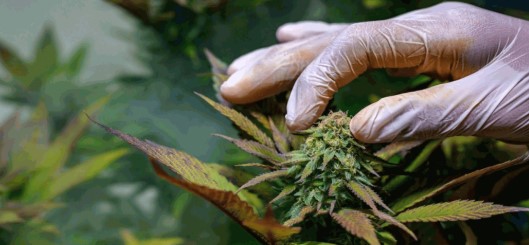
- Clear Trichomes: Too early for harvest.
- Milky Trichomes: Peak THC potency.
- Amber Trichomes: More sedative effects.
B. Drying and Curing Process
- Drying: Hang buds in a dark, ventilated room at 60°F (15°C) with 50% humidity for 7-10 days.
- Curing: Store buds in airtight glass jars at 65°F (18°C) for 2-4 weeks, opening daily to release moisture.
7. Potential Side Effects
Like all cannabis strains, Montana Silvertip has potential side effects, especially when consumed in large quantities.
- Dry Mouth and Dry Eyes: The most common side effects, alleviated with proper hydration.
- Dizziness: Some users may experience lightheadedness, particularly with high doses.
- Paranoia and Anxiety: Although uncommon, individuals sensitive to THC may feel heightened anxiety or paranoia.
Conclusion
Montana Silvertip is a well-rounded hybrid with a perfect balance of uplifting cerebral effects and soothing body relaxation. Its high THC content makes it ideal for both medicinal and recreational users, addressing conditions like chronic pain, anxiety, depression, and insomnia. Whether grown indoors or outdoors, this strain rewards cultivators with dense, trichome-coated buds and a complex flavor profile. With its euphoric and calming effects, Montana Silvertip remains one of the most versatile and beloved strains in the cannabis community.
For a complete directory of cultivars, visit our Cannabis Strain Reviews.
