Table of Contents
Monster Cookies is a potent indica-dominant hybrid cannabis strain derived from a cross between the legendary Girl Scout Cookies (GSC) and the deeply sedative Granddaddy Purple (GDP). This pairing combines the euphoric and cerebral traits of GSC with the heavy, full-body relaxation provided by GDP. The resulting strain is celebrated for its vibrant purple hues, grape-berry aroma, and deeply relaxing effects that are both medicinally and recreationally significant.
- Genetics: Girl Scout Cookies × Granddaddy Purple
- Dominance: Indica-dominant (approximately 80% indica / 20% sativa)
- THC Content: Typically ranges between 18% and 24%, with some phenotypes exceeding 25%
- CBD Content: Low, generally <1%
Appearance, Aroma, and Flavor
Appearance
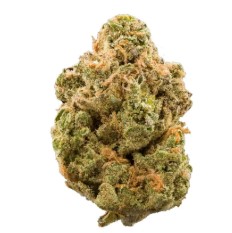
Monster Cookies is a visually striking strain with dense, resin-rich buds. Its deep forest green and purple leaves are often accented with fiery orange pistils, while a thick layer of crystalline trichomes gives the flower a frosty, sticky appearance.
Aroma Profile
The terpene composition gives Monster Cookies a rich and layered aroma:
- Primary Notes: Earthy, sweet, grape
- Secondary Notes: Berry, pungent skunk, cookie dough, spicy pine
The aroma is often described as a fusion of sweet baked goods, berries, and dank musk, strongly influenced by its Girl Scout Cookies parentage.
Flavor Profile
The flavor mimics its aroma closely:
- Front palate: Sweet grape and berry
- Mid-palate: Herbal, earthy cookie notes
- Finish: Slightly peppery, woody, and skunky
The smoke is smooth, making it favorable for users with respiratory sensitivity.
Cannabinoid and Terpene Profile

Cannabinoid Composition
- Δ9-Tetrahydrocannabinol (THC): 18–24%
- Cannabidiol (CBD): <1%
- Cannabigerol (CBG): Up to 1%
- Cannabinol (CBN): Trace amounts (important for sedative synergy)
Dominant Terpenes
- Myrcene – Sedative, muscle relaxant, anti-inflammatory
- Caryophyllene – Anti-anxiety, analgesic, gut-protective
- Limonene – Uplifting, anti-depressant, antimicrobial
- Linalool – Calming, anti-convulsant, stress relief
- Humulene – Appetite suppressant, anti-inflammatory
These terpenes work synergistically with cannabinoids in what is known as the entourage effect, where the combined action of compounds enhances therapeutic benefits.
Medical Uses of Monster Cookies
Monster Cookies is a potent indica-dominant hybrid, rich in THC and key therapeutic terpenes like myrcene, caryophyllene, and linalool. Its medicinal properties stem from its influence on the endocannabinoid system (ECS) and various neurotransmitter networks, allowing it to modulate pain, inflammation, mood, sleep, appetite, and neuromuscular activity.
Pain Management (Analgesic Applications)
1. Clinical Relevance
- Used for chronic pain, neuropathic pain, fibromyalgia, migraines, and arthritis.
2. Mechanism of Action
- THC activates CB1 receptors in the brain and spinal cord, disrupting pain signal transmission.
- Caryophyllene, a rare terpene that acts as a CB2 receptor agonist, helps reduce inflammation-related pain without psychoactive effects.
- Myrcene has synergistic analgesic effects by modulating opioid and cannabinoid receptor activity, potentially enhancing opioid efficacy.
3. Scientific Evidence
- THC has been demonstrated to reduce central and peripheral pain sensitivity via ECS modulation.
- Myrcene has shown antinociceptive effects in murine studies, often in combination with THC or CBD.
- Caryophyllene has been studied for its non-psychoactive pain reduction through immune-related pathways.
Insomnia and Sleep Disorders
1. Clinical Relevance
- Indicated for sleep-onset insomnia, nighttime anxiety, restless leg syndrome, and PTSD-related sleep disturbances.
2. Mechanism of Action
- THC shortens sleep latency and increases slow-wave and REM sleep in low-to-moderate doses.
- Linalool and myrcene induce sedation through GABAergic modulation, acting similarly to benzodiazepines but without the same dependency risk.
- CB1 activation leads to melatonin release and synchronization of circadian rhythms.
3. Key Considerations
- Low to moderate doses aid sleep; high doses may paradoxically reduce REM sleep or increase anxiety.
- High myrcene content in Monster Cookies (>0.5%) strongly correlates with sedative and muscle-relaxing effects.
Anxiety, Stress, and PTSD
1. Clinical Relevance
- Used to treat generalized anxiety disorder (GAD), acute stress reactions, and PTSD.
2. Mechanism of Action
- THC binds to CB1 receptors in limbic areas (amygdala, hippocampus), dampening overactive threat responses.
- Limonene and linalool reduce anxiety by modulating serotonin (5-HT1A) and GABA-A receptors, mechanisms similar to SSRIs and benzodiazepines.
- Caryophyllene shows anxiolytic effects via CB2 receptor modulation and inhibition of pro-inflammatory cytokines.
3. Caveats
- THC can be biphasic: low doses reduce anxiety; high doses may induce panic or paranoia, particularly in THC-sensitive individuals.
- Best suited for patients with tolerance or when combined with CBD to buffer psychoactivity.
Depression and Mood Disorders
1. Clinical Relevance
- Beneficial in cases of mild to moderate depression, anhedonia, and mood lability.
2. Mechanism of Action
- THC stimulates dopamine release in the mesolimbic system, enhancing reward sensitivity and mood.
- Limonene is known to upregulate serotonin and dopamine, offering natural antidepressant effects.
- The initial euphoria followed by deep relaxation may help stabilize emotional fluctuations.
3. Therapeutic Strategy
- Used in low to moderate doses to prevent sedation and maintain functional mood lift.
- May be combined with CBD-rich strains for users with mood instability or bipolar tendencies.
Appetite Stimulation & Nausea Control
1. Clinical Relevance
- Applied in treating anorexia, cachexia (wasting syndrome), chemotherapy-induced nausea, and HIV-related appetite suppression.
2. Mechanism of Action
- THC activates CB1 receptors in the hypothalamus, promoting ghrelin secretion and increased appetite.
- Limonene and caryophyllene may support gut motility and gastric comfort.
- Antiemetic effects stem from CB1 activation in brainstem centers and 5-HT3 receptor modulation.
3. Clinical Notes
- Most effective in smoked or vaporized form for fast-acting appetite stimulation.
- Monster Cookies’ high THC and rich aroma also enhance subjective hunger cues.
Inflammation & Autoimmune Disorders
1. Clinical Relevance
- Used for rheumatoid arthritis, Crohn’s disease, ulcerative colitis, lupus, and multiple sclerosis.
2. Mechanism of Action
- Caryophyllene directly binds to CB2 receptors on immune cells, suppressing pro-inflammatory cytokines like TNF-α and IL-6.
- THC also suppresses inflammatory responses through CB1 and CB2 activation, reducing T-cell proliferation.
- Myrcene and humulene inhibit COX enzymes (like NSAIDs), offering alternative anti-inflammatory routes.
3. Scientific Support
- Preclinical studies show caryophyllene reducing colon inflammation and joint swelling in arthritis models.
- THC has been shown to reduce intestinal permeability and inflammation in colitis.
Muscle Spasms and Neurological Disorders
1. Clinical Relevance
- Monster Cookies is effective for multiple sclerosis, spinal cord injuries, ALS, and Parkinson’s-related tremors.
2. Mechanism of Action
- THC reduces spasticity by blocking excess glutamate release and enhancing GABAergic inhibition.
- Linalool and myrcene provide muscle relaxant and anticonvulsant effects via GABA modulation.
- Caryophyllene may prevent neuroinflammation, protecting against disease progression.
3. Observational Evidence
- Studies using THC-rich extracts show a 20–30% reduction in muscle spasticity severity.
- Monster Cookies, due to its strong sedative profile, may be particularly useful in nighttime spasm control.
Epilepsy and Seizure Management
1. Clinical Relevance
- Adjunct treatment for refractory epilepsy, though CBD-rich strains are more established.
2. Potential Mechanism
- Linalool has anti-convulsant properties via modulation of voltage-gated calcium channels.
- THC may reduce seizure frequency in rare forms (like Dravet syndrome), but high THC alone is not the standard approach.
3. Role in Therapy
- Monster Cookies may be useful adjunctively, especially in patients also needing pain relief or sleep aid.
Other Potential Applications
1. ADHD and Focus Disorders
- Though Monster Cookies is sedative, in some cases it may calm hyperactivity and improve emotional regulation.
- Not ideal for daytime focus due to its relaxing and couch-lock effects.
2. Tourette Syndrome and Tics
- THC and linalool may reduce involuntary motor tics through dopaminergic modulation.
- Useful for evening symptom management.
Safety, Tolerance, and Risk Factors
1. Tolerance Development
- THC-rich strains can cause receptor downregulation with long-term use.
- Recommend tolerance breaks (T-breaks) every 6–8 weeks if used daily.
2. Dependency Risk
- Low physical addiction potential, but psychological dependency can occur with overuse.
- Monster Cookies’ sedative high may make it a crutch for stress without addressing root causes.
3. Not Recommended For
- Individuals with schizophrenia, bipolar mania, or THC-sensitive anxiety disorders.
- Pregnant or breastfeeding users due to fetal neurodevelopment risks associated with THC.
Dosing Strategies (Medical Use)
| Form | Starting Dose | Notes |
|---|---|---|
| Inhalation (flower/vape) | 1–2 inhalations (5–10 mg THC) | Onset in minutes; titrate slowly |
| Edibles | 2.5–5 mg THC | Onset 30–90 minutes; avoid overconsumption |
| Tincture | 2.5–10 mg per dose | Sublingual absorption; longer duration |
| Topical (pain) | Apply as needed | Minimal systemic absorption |
Recreational Uses and User Experience
Monster Cookies is highly favored in recreational circles for its unique body high and moderate euphoria without intense cerebral stimulation.
1. Onset and Duration
- Onset: 5–10 minutes (smoked), 30–90 minutes (edibles)
- Peak effects: 30–60 minutes after onset
- Duration: 2–4 hours (smoked), 4–6+ hours (edibles)
2. Mental Effects
- Initial uplift: Users often report feeling happy, content, mildly euphoric
- Cognitive clarity: Not disorienting or overly psychedelic
- Creativity: May enhance visual and auditory perception in early stages
3. Physical Effects
- Heaviness in limbs
- Relaxed muscles
- “Couch-lock” potential at higher doses
- Sedation in later stages
4. Social and Creative Use
- Best for: Evenings, movie nights, light socializing
- Not ideal for: Work, high-functioning tasks, or intense physical activity
Side Effects and Safety Profile
Common Side Effects
- Dry mouth (xerostomia)
- Dry eyes
- Mild dizziness at high doses
- Appetite increase (“munchies”)
Less Common (Dose-Dependent)
- Paranoia or anxiety (especially in THC-sensitive users)
- Short-term memory lapses
- Grogginess or next-day drowsiness
Mitigation Strategies
- Start Monster Cookies with low doses, especially for novice users
- Maintain hydration
- Combine with CBD to moderate psychoactivity (if desired)
Cultivation Characteristics
Genetic Considerations & Phenotypic Traits
1. Genotype Stability
- Monster Cookies is not always a stabilized cultivar, meaning you might see phenotypic variance across seeds unless you use clones or verified feminized seeds from a reputable source.
- Stable Monster Cookies tends to express purple coloration, grape-berry terpenes, and dense indica-type bud structure.
2. Key Phenotypic Traits
- Short, stocky stature (indica morphology)
- Dense internodal spacing
- Broad leaves, dark green to deep purple
- Heavy trichome production, high resin yield
Environmental Optimization (Indoor vs. Outdoor)

1. Indoor Cultivation (Preferred Method)
Monster Cookies thrives in controlled environments, where precision over humidity, temperature, CO₂, and light spectrum can maximize its resin and terpene production.
a. Temperature & Humidity
- Veg phase: 72–78°F (22–25.5°C), RH 55–65%
- Flowering: 68–75°F (20–24°C), RH 45–55%
- Late flowering (last 2 weeks): Drop to ~65°F night temps to enhance purple coloration (anthocyanin production)
b. Light Cycle
- Veg phase: 18/6 light/dark
- Flowering phase: 12/12 strictly maintained
- Lighting Type: Full-spectrum LEDs or HPS
- LEDs promote better terpene and cannabinoid profiles due to lower leaf temps and customizable wavelengths.
- PPFD target: 600–800 µmol/m²/s in flowering.
c. Air Exchange & CO₂
- Maintain CO₂ enrichment at ~1000–1200 ppm during lights-on for increased photosynthesis and bud mass.
- Ensure airflow (oscillating fans, intake/exhaust systems) to prevent powdery mildew and botrytis.
Outdoor Cultivation
a. Climate Requirements
- Requires Mediterranean-like conditions: warm days, low rainfall during flowering.
- Susceptible to botrytis (bud rot) in humid regions.
- Needs dry air and full sun exposure (12+ hours daily).
b. Soil & Drainage
- Well-draining, loamy soil with pH between 6.0 and 6.5
- Amend with compost, bat guano, worm castings, and perlite for nutrient retention and aeration.
c. Harvest Window
- Monster Cookies is typically harvested between late September and early October, depending on latitude.
Nutrient Management
1. Nutrient Profile by Growth Stage
| Stage | N-P-K Ratio (ideal) | Notes |
|---|---|---|
| Seedling | 2-1-2 | Use mild feeding (~EC 0.5) |
| Vegetative | 4-2-3 | High nitrogen supports leafy growth |
| Early Flower | 2-4-4 | Increase phosphorus and potassium |
| Peak Flower | 1-5-6 | Maximize trichome and terpene production |
| Final Flush | 0-0-0 (water only) | Remove nutrient residues, improve taste |
2. Micronutrients
- Monster Cookies is sensitive to calcium (Ca) and magnesium (Mg) deficiencies, especially in coco or RO water systems.
- Supplement with cal-mag in vegetative and early flowering stages.
- Deficiencies often show as yellow spotting, interveinal chlorosis, or leaf curling.
Training & Pruning Techniques
1. Low-Stress Training (LST)
- Gently tie down branches to expose more bud sites to light.
- Increases horizontal canopy development, vital for even light distribution.
2. Topping & FIM
- Topping Monster Cookies once or twice in veg (3rd–5th node) promotes a bushier structure and limits vertical height — important indoors.
- FIMing produces multiple main colas, increasing yield potential.
3. Defoliation
- Remove large fan leaves selectively during weeks 2 and 4 of flowering to reduce humidity and expose bud sites.
- Avoid excessive stripping, as Monster Cookies is not the most resilient to over-defoliation.
Flowering Dynamics and Yield Optimization
1. Flowering Time
- 8 to 9 weeks in ideal indoor circumstances
- Outdoors: late September–early October
2. Yield Potential
- Indoor: ~400–500 g/m²
- Outdoor: ~450–600 g per plant (with space and full sun)
3. Bud Characteristics
- Heavy trichome density, high THC output
- Dense nugs — prone to mold without airflow
- Rich in purple anthocyanins when exposed to cooler night temps in late flowering
Terpene and Resin Enhancement Techniques
1. UV-B Supplementation
- UV-B light exposure (280–315 nm) during the last 3 weeks of Monster Cookies flowering increases trichome density and terpene production.
- Apply ~2–3 hours per day to mimic natural stress and boost secondary metabolite synthesis.
2. Cold Shock Method
- Lower nighttime temperatures to 60–65°F (15–18°C) in final week to stimulate anthocyanin expression and intensify aroma.
3. Flushing
- Use RO or dechlorinated water only for 10–14 days before harvest.
- Enhances flavor, smoothness, and terpene perception by removing built-up salts and nutrients.
Pest and Disease Management
1. Common Threats
- Powdery mildew – controlled via RH management, airflow, and neem/sulfur treatments (early veg only)
- Bud rot (Botrytis) – especially late flower, due to dense bud structure
- Spider mites & fungus gnats – more prevalent in high-humidity grows
2. Organic IPM Protocol
- Neem oil, insecticidal soap during veg
- Beneficial insects: Predatory mites (Phytoseiulus, Neoseiulus) and ladybugs
- Trichoderma and mycorrhizal inoculants to protect root systems
Post-Harvest: Drying and Curing
1. Drying
- Hang branches upside down in a 60°F (15.5°C), 60% RH environment for 7–14 days
- Avoid fans directly on buds
- Test by stem snapping for readiness
2. Curing
- Place in airtight glass jars, burp daily for 10–14 days
- Store in dark, cool area, gradually reducing burping over a month
- Ideal storage RH: 58–62% (use Boveda packs if needed)
Benefits of Proper Cure:
- Preserves terpenes
- Increases smoothness
- Converts chlorophyll, reduces harshness
- May slightly increase cannabinoid availability via decarboxylation
Scientific Insights on Cultivation Physiology
1. Anthocyanin Expression
- The purple coloration in Monster Cookies is due to anthocyanins, which are flavonoids that accumulate under:
- Cool nighttime temperatures
- Lower nitrogen in late flower
- Stable pH between 6.2–6.5
2. Terpene Biosynthesis
- Most terpenes in Monster Cookies are synthesized in glandular trichomes and peak during late flowering weeks (6–9).
- Influenced by:
- Genetics
- Light spectrum (blue and UV-B enhance production)
- Mild stress (LST, drought stress, etc.)
- Available micronutrients (especially sulfur and magnesium)
3. Cannabinoid Expression
- THC content is highly correlated to:
- Plant genetics
- Nutrient profile during flowering
- Light intensity and spectrum
- Deficiencies in phosphorus or potassium can reduce THC biosynthesis.
- CO₂ enrichment enhances photosynthesis and increases THC yield by up to 20% in some controlled studies.
Scientific and Clinical Perspectives
Pharmacodynamics
- THC acts as a partial agonist at CB1 and CB2 receptors, leading to altered neurotransmission in GABAergic and dopaminergic pathways.
- Caryophyllene is unique as a terpene that also functions as a CB2 receptor agonist, contributing to anti-inflammatory effects.
Pharmacokinetics
- Onset and duration depend on consumption method:
- Inhalation: Rapid onset, shorter duration
- Oral: Delayed onset, prolonged duration
- THC and other cannabinoids are lipophilic, accumulating in fatty tissues and being metabolized primarily by CYP450 enzymes.
Entourage Effect in Monster Cookies
- The combination of THC, caryophyllene, myrcene, and limonene demonstrates how synergistic action of multiple compounds increases therapeutic potential and reduces side effects.
Comparison to Related Strains
| Strain | Dominance | Key Traits | Differences from Monster Cookies |
|---|---|---|---|
| Girl Scout Cookies | Hybrid | Euphoric, cerebral, sweet, earthy | More balanced cerebral effect |
| Granddaddy Purple | Indica | Heavy sedation, grape aroma | Stronger couch-lock, less mental clarity |
| Purple Punch | Indica | Berry, relaxing, dessert-like | Similar flavor but shorter high |
| Do-Si-Dos | Indica | Potent, euphoric, pain relief | More psychoactive, heavier THC content |
Ideal User Profiles
Medical Users
- Chronic pain sufferers
- Insomniacs
- People with autoimmune disorders
- Patients managing chemotherapy side effects
Recreational Users
- Those seeking relaxation after work
- Users who enjoy rich flavor and aroma
- Individuals seeking creativity and mild euphoria without overwhelming stimulation
Summary of Benefits
Therapeutic Benefits
- Pain relief
- Anti-inflammatory
- Anxiolytic
- Sedative
- Antidepressant
- Appetite stimulant
Recreational Benefits
- Euphoria and mood uplift
- Stress relief
- Enhanced sensory perception
- Social ease
- Deep physical relaxation
Conclusion
Monster Cookies is a richly aromatic, indica-dominant strain that combines deep physical relaxation with a touch of mental clarity and euphoria. Its balanced cannabinoid and terpene profile makes it an excellent choice for pain, stress, insomnia, and appetite issues, while also offering a pleasurable and flavorful experience for recreational users. Whether for therapeutic relief or an evening wind-down, Monster Cookies continues to earn its place as a top-tier hybrid in the cannabis world.9
For a complete directory of cultivars, visit our Cannabis Strain Reviews.
