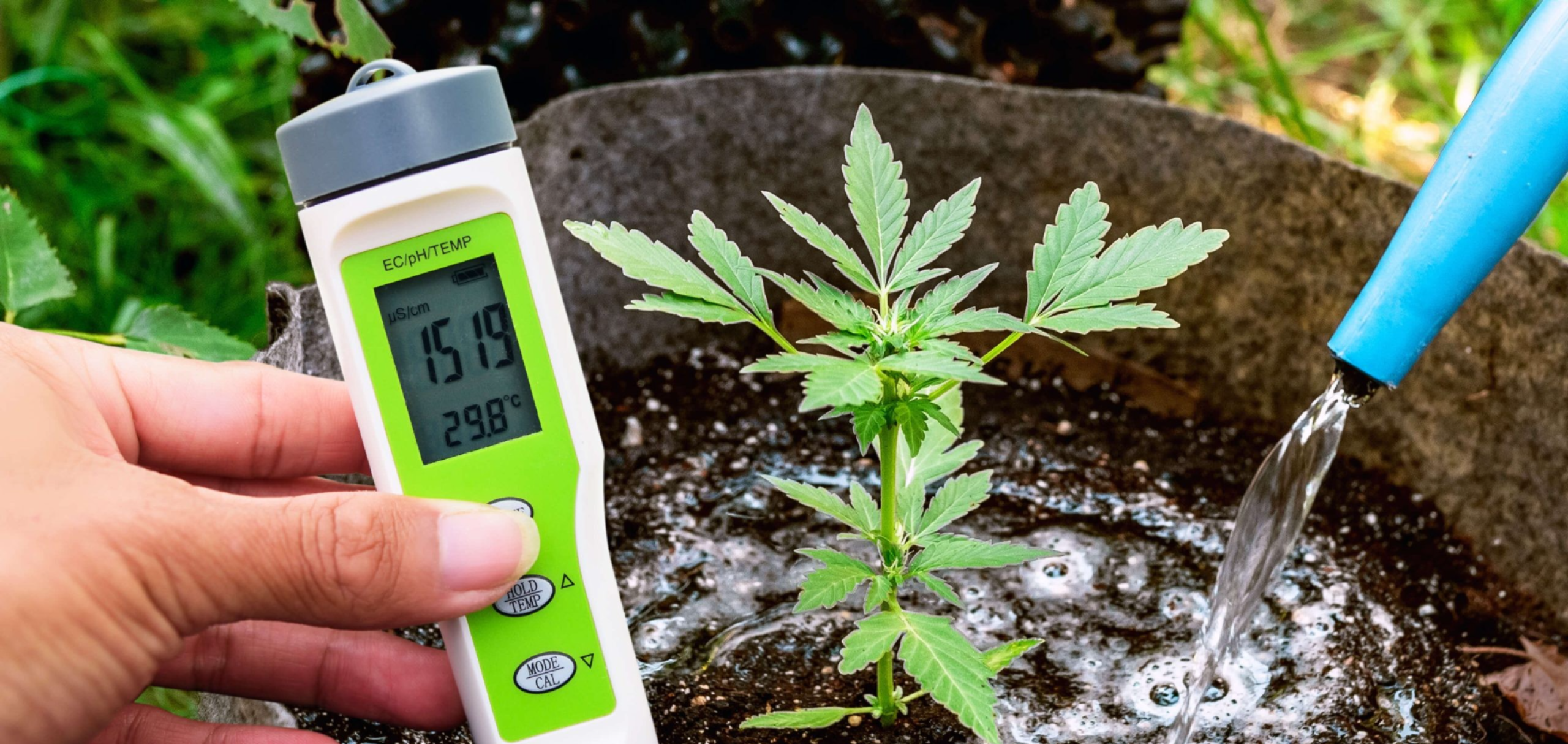
The Importance of Monitoring and Adjusting EC (Electrical Conductivity) in Medical Cannabis
Introduction
Electrical conductivity (EC) is one of the most critical factors when it comes to cultivating medical cannabis. It gauges a solution’s electrical conductivity, which is a function of the amount of dissolved salts in the water. For medical cannabis growers, maintaining an optimal EC level is essential for promoting healthy plant growth, maximizing yields, and ensuring the production of high-quality cannabis with consistent medical benefits.
The cultivation of medical cannabis requires precision and attention to various factors that affect plant health. Monitoring and adjusting EC levels in the growing medium is one of these vital factors. Whether the plants are grown in soil, hydroponics, or any other medium, maintaining the correct EC level can significantly affect the chemical profile, cannabinoid content, and overall effectiveness of the medical cannabis produced.
This guide delves into the importance of monitoring and adjusting EC in medical cannabis, exploring how EC influences nutrient uptake, plant growth, and the therapeutic quality of cannabis.
1. Understanding EC (Electrical Conductivity) in Medical Cannabis Cultivation
Electrical conductivity refers to the total concentration of salts (nutrients) present in a water solution. These salts are essential nutrients required by the cannabis plant for its growth and development, including nitrogen (N), phosphorus (P), potassium (K), calcium (Ca), and magnesium (Mg). EC is typically measured in units of millisiemens per centimeter (mS/cm) or microsiemens per centimeter (µS/cm), where higher values indicate more salts dissolved in the solution.
In the context of cannabis cultivation, EC serves as a proxy for nutrient concentration. When nutrients are dissolved in water, they disassociate into positively and negatively charged ions, enabling the solution to conduct electricity. However, the EC level must be maintained within a specific range to avoid nutrient toxicity (excess nutrients) or deficiency (lack of nutrients).
For medical cannabis, consistency in nutrient delivery is paramount. Any imbalances in the nutrient supply can result in poor plant health, reduced yields, and compromised cannabinoid and terpene profiles, which ultimately impacts the therapeutic efficacy of the cannabis.
2. Why Monitoring EC is Crucial in Medical Cannabis Cultivation
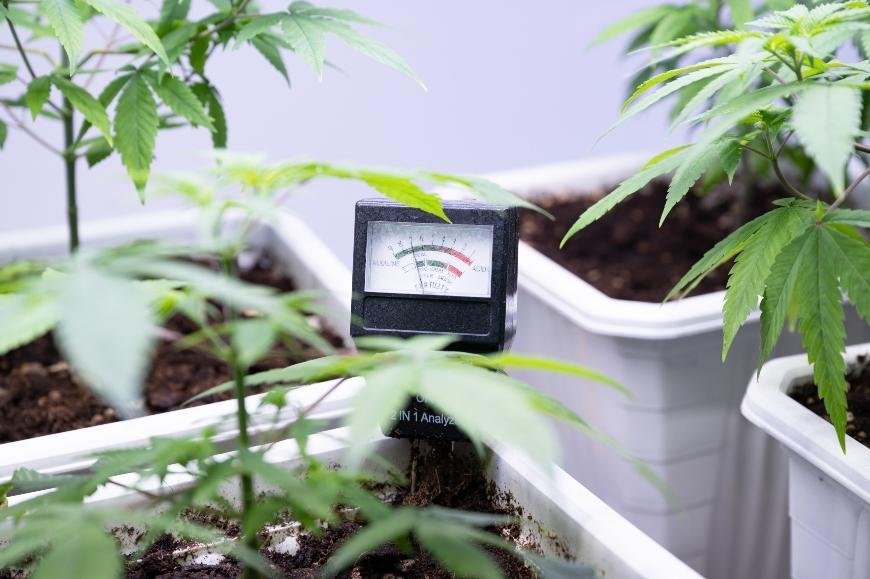
2.1. Nutrient Availability and Uptake
Maintaining the right EC levels ensures that the correct amount of nutrients is available to the cannabis plant. If the EC is too high, the plants can suffer from nutrient burn, leading to toxicity symptoms like leaf discoloration, stunted growth, and reduced yields. On the other hand, if the EC is too low, the plants will not receive enough nutrients, leading to nutrient deficiencies and weakened plants.
In medical cannabis cultivation, ensuring optimal nutrient uptake is vital because nutrient imbalances can affect the production of cannabinoids such as THC (tetrahydrocannabinol), CBD (cannabidiol), and other therapeutic compounds. Medical cannabis patients rely on precise dosages and consistent quality, making nutrient management through EC monitoring critical.
2.2. Water and Root Zone Management
The EC of a nutrient solution directly affects the osmotic potential of water in the growing medium. Osmotic potential governs how easily the roots can absorb water and nutrients. When the EC is too high, the osmotic pressure prevents the roots from absorbing water efficiently, leading to dehydration despite the presence of water in the medium. This results in osmotic stress, which can severely affect plant growth.
In contrast, an EC that is too low leads to the opposite problem: plants will take up too much water, potentially causing root swelling and nutrient leaching. EC control is especially more important in hydroponic systems, because plants only receive nutrient solutions for survival.
Medical cannabis plants that suffer from either dehydration or overhydration due to improper EC levels will not grow optimally, affecting not only their size and yield but also the concentration of medically active compounds. This directly impacts the therapeutic quality of the end product.
2.3. pH and EC Interrelationship
EC levels are closely tied to pH, which also plays a crucial role in medical cannabis cultivation. The pH level of the growing medium affects how well nutrients can be absorbed by the roots. Even if the EC is optimal, if the pH is too high or too low, nutrients may become locked out, making them unavailable to the plants.
Medical cannabis cultivation requires careful management of both EC and pH to ensure that plants receive the full spectrum of essential nutrients in the correct amounts. Regular monitoring of these parameters helps growers avoid imbalances that can compromise plant health and medicinal potency.
2.4. Yield and Potency
In the cultivation of medical cannabis, yield and potency are of utmost importance. In order to meet the demand for reliable, high-quality medical care, producers work to maximize their yields. EC plays a critical role in determining the quantity and quality of the cannabis harvest.
High EC levels in the late flowering stage can enhance resin production and increase cannabinoid concentration, leading to a more potent product. However, excessive EC levels can also cause nutrient lockout and reduced yields. Striking the right balance ensures that the plants produce an optimal concentration of cannabinoids, terpenes, and flavonoids, which are essential for the therapeutic benefits of medical cannabis.
3. The Optimal EC Range for Medical Cannabis
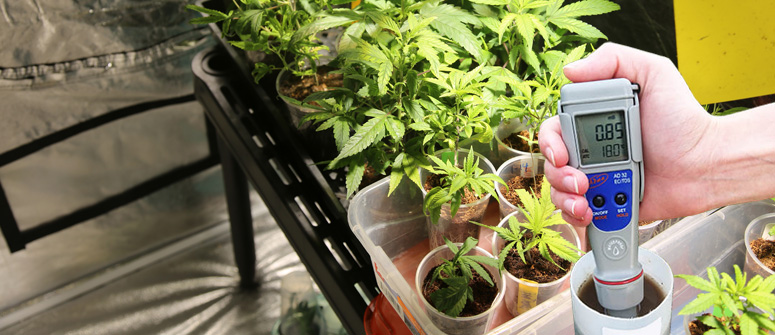
The optimal EC range for cannabis depends on the growth stage of the plant, the growing medium, and the environmental conditions. In general, cannabis plants require different levels of nutrients at various stages of growth, and thus the EC levels must be adjusted accordingly.
3.1. Seedling Stage (0.6 – 0.8 mS/cm)
During the seedling stage, cannabis plants are fragile and require minimal nutrients. The EC levels should be kept low (around 0.6 to 0.8 mS/cm) to avoid overwhelming the young plants. Excessive nutrient concentration at this stage can lead to nutrient burn, which can stunt the plant’s growth early on.
3.2. Vegetative Stage (1.0 – 1.4 mS/cm)
In the vegetative stage, the cannabis plants are growing rapidly, developing leaves and branches. They require more nutrients, especially nitrogen, to support this growth. The EC levels should be increased to around 1.0 to 1.4 mS/cm during this period to provide the necessary nutrients for strong, healthy growth.
3.3. Flowering Stage (1.6 – 2.2 mS/cm)
During the flowering stage, the nutrient requirements of the cannabis plant change, with a greater emphasis on phosphorus and potassium. The EC should be adjusted to around 1.6 to 2.2 mS/cm to support the development of flowers (buds) and promote resin production. Higher EC levels in the later flowering stage can enhance cannabinoid and terpene production, contributing to the medical potency of the final product.
3.4. Flushing (0.0 – 0.4 mS/cm)
In the final weeks before harvest, many growers “flush” their plants by reducing or eliminating nutrient inputs. The EC should be lowered to around 0.0 to 0.4 mS/cm during this period to remove any excess salts and ensure a clean product. Flushing helps improve the taste and quality of the final medical cannabis product by eliminating any residual nutrients that may negatively impact the plant’s flavor or cannabinoid profile.
4. Monitoring and Adjusting EC in Different Growing Systems
4.1. Soil-Based Growing Systems
In soil-based systems, EC monitoring is slightly more complex due to the buffering capacity of the soil. The soil can retain nutrients, making it more forgiving than hydroponic systems. However, monitoring EC in the runoff water (water that drains out of the bottom of the pots) is still important to ensure that the plants are receiving the correct amount of nutrients.
Soil growers must regularly test the EC of both their nutrient solution and the runoff water. Salt accumulation in the soil may be the cause of nutrient lockout if the discharge EC is noticeably greater than the input EC. In such cases, growers should flush the soil to remove excess salts and restore nutrient balance.
4.2. Hydroponic and Soilless Systems
In hydroponic and soilless systems, EC monitoring is crucial because the plants rely entirely on the nutrient solution for their sustenance. There is no buffering effect as in soil, so any fluctuations in EC levels will directly affect the plants. Growers must regularly check and adjust the EC of their nutrient solution to maintain optimal nutrient levels.
Hydroponic growers often use automated EC monitoring systems to ensure precise nutrient management. These systems provide real-time EC readings and can automatically adjust nutrient concentrations as needed, making it easier to maintain consistent EC levels throughout the grow cycle.
4.3. Coco Coir
Coco coir is a popular growing medium for cannabis because it provides excellent drainage and aeration while retaining enough moisture for the roots. However, coco coir has a tendency to retain salts, which can affect EC levels over time. Regular flushing and EC monitoring are essential to prevent salt buildup and ensure that the plants receive the correct amount of nutrients.
In coco coir systems, growers should monitor both the input and runoff EC to detect any imbalances. If the runoff EC is significantly higher than the input EC, it may be necessary to flush the coco coir with plain water to remove excess salts and restore balance.
5. Tools for Monitoring and Adjusting EC
5.1. EC Meters
An EC meter is the most common tool used by growers to measure the electrical conductivity of their nutrient solution. The concentration of nutrients in the water may be quickly and accurately detected with EC meters, which are also user-friendly. Most EC meters are handheld devices that can be dipped into the nutrient solution or runoff water to obtain a reading.
When using an EC meter, it is important to calibrate it regularly to ensure accurate readings. Many EC meters come with calibration solutions that allow growers to fine-tune the device for precise measurements.
5.2. Automated EC Control Systems
For larger-scale or professional medical cannabis cultivation, automated EC control systems are available. These systems continuously monitor the EC levels in the nutrient solution and automatically adjust nutrient inputs as needed. In hydroponic installations, where precise control over fertilizer delivery is crucial, automated solutions can be quite helpful.
Automated EC systems can help medical cannabis growers maintain consistent nutrient levels, reducing the risk of nutrient imbalances and ensuring optimal plant health and cannabinoid production.
Restrictions on Growing and Using Cannabis in the Medical Field and Its Use as a Last Resort
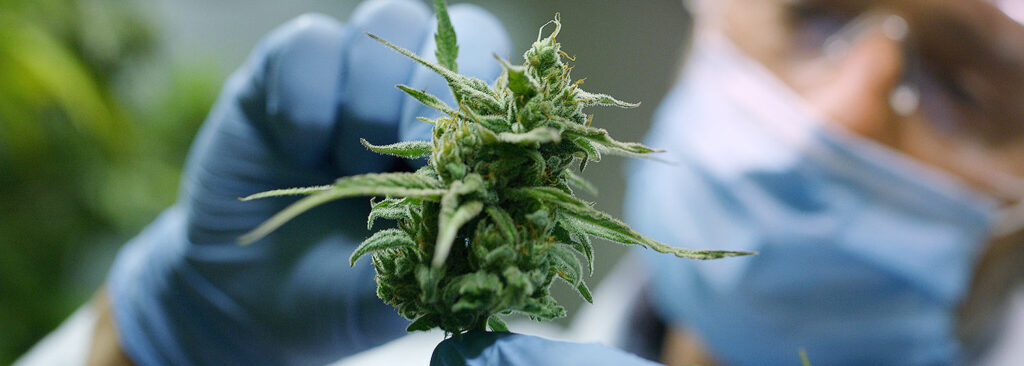
Regulatory Framework for Medical Cannabis Cultivation and Use
Medical cannabis cultivation and usage are subject to stringent regulations worldwide, reflecting the complex legal landscape surrounding its medicinal value and potential risks. In many regions, cannabis cultivation is permitted only under highly controlled circumstances, and it is often reserved for treating conditions where other treatments have proven ineffective or insufficient. The rationale behind such restrictions stems from concerns over the psychoactive properties of cannabis, particularly tetrahydrocannabinol (THC), and its potential to cause cognitive and behavioral effects in patients.
The laws governing the cultivation of medical cannabis typically require growers to obtain specific licenses and adhere to strict guidelines concerning the growing environment, strain selection, and THC levels in the final product. These guidelines help to ensure that the medical cannabis produced is consistent in its cannabinoid profile, particularly with regard to THC and cannabidiol (CBD) concentrations, which are vital for therapeutic efficacy and patient safety.
Cannabis is regarded as a regulated substance in many nations, and its growing is frequently limited to establishments with a license or approval from the government. These facilities must adhere to rigorous standards of cultivation, harvesting, and processing to ensure that the resulting cannabis products are safe for medical use. Furthermore, medical professionals must often justify cannabis prescriptions by demonstrating that it is being used as a last resort when conventional treatments have failed.
Medical Cannabis as a Last Resort
Medical cannabis is frequently viewed as a treatment option to be used only after other therapies have been exhausted. This position is based on the need to mitigate potential risks associated with the psychoactive effects of THC, the most well-known psychoactive compound in cannabis. While cannabis contains many therapeutic compounds, such as CBD, which has no psychoactive effects, the presence of THC can pose risks, particularly for vulnerable patient populations, including children, the elderly, and individuals with a history of mental health disorders.
To prescribe medical cannabis as a last resort, medical professionals are typically required to provide evidence that the patient has tried and failed other treatments. This evidence-based approach ensures that cannabis is not the first-line therapy but rather a solution considered when conventional options, such as prescription medications or physical therapies, have not yielded the desired results. This precautionary stance reflects the need for a careful balance between offering relief to patients with chronic or treatment-resistant conditions and avoiding unnecessary exposure to THC’s psychoactive effects.
Monitoring THC Levels in Medical Cannabis Medications
The intoxicating impact of THC is one of the main issues with medical cannabis use. While THC has therapeutic properties, particularly for pain relief and appetite stimulation, its psychoactive nature can lead to unwanted side effects, including dizziness, cognitive impairment, and anxiety. Therefore, it is crucial for patient safety to monitor and regulate THC levels in medicinal cannabis products.
In many jurisdictions, medical cannabis products must adhere to strict THC limits, ensuring that they contain only trace amounts of the compound if psychoactivity is to be avoided. For example, in countries where CBD-dominant strains are preferred for therapeutic use, THC levels in medical products must often remain below 0.2–0.3%. In cases where higher THC levels are allowed, these products are typically used under close medical supervision, with dosages tailored to the patient’s needs to minimize any psychoactive effects.
Pharmaceutical-grade cannabis products are also subject to rigorous testing to ensure that they meet these THC limits. Testing laboratories analyze the cannabinoid profile of each batch of medical cannabis, verifying that it contains the prescribed levels of THC and CBD. This ensures that patients receive consistent, safe medication with minimal risk of experiencing psychoactive effects.
Conclusion
In the evolving landscape of medical cannabis, stringent regulations on its cultivation and use underscore the cautious approach taken by authorities to ensure patient safety. The cultivation of medical cannabis is highly controlled, with growers required to meet strict standards to produce high-quality, consistent products. This regulatory framework ensures that medical cannabis is grown and processed in a way that preserves its therapeutic properties while minimizing risks associated with contamination or inconsistent cannabinoid profiles.
The use of medical cannabis is often considered a last resort, reserved for cases where conventional treatments have failed. This cautious approach reflects concerns over the potential psychoactive effects of THC, the compound responsible for cannabis’s mind-altering properties. Medical professionals must provide evidence that all other treatments have been explored before recommending cannabis, ensuring that it is used judiciously and only when necessary to address chronic, treatment-resistant conditions.
Carefully regulating the THC levels in cannabis-based drugs is one of the most important parts of using cannabis for medical purposes. THC, while beneficial for some medical applications, can cause unwanted psychoactive effects, which may interfere with a patient’s cognitive functions and quality of life. To mitigate these risks, medical cannabis products are subject to strict testing and regulation to ensure that THC levels remain within safe limits, particularly in CBD-dominant therapies where psychoactivity is undesirable.
By closely regulating the cultivation, prescription, and THC content of medical cannabis, healthcare systems aim to strike a balance between the therapeutic benefits of cannabis and the need to protect patients from potential adverse effects. This careful oversight ensures that medical cannabis remains a viable and safe option for patients who require alternative therapies, while minimizing the risks associated with its psychoactive properties.
