Table of Contents
Millennium is a well-balanced hybrid cannabis strain recognized for its potent effects, unique flavor profile, and therapeutic potential. With an even blend of Indica and Sativa genetics, this strain delivers both cerebral stimulation and deep relaxation, making it a versatile option for medical and recreational users alike.
Millennium is distinguished by its high THC content, often ranging from 22% to 27%, which contributes to its strong effects. With a rich lineage and complex terpene profile, it provides an experience that can be both invigorating and soothing, depending on the dosage and individual tolerance levels.
This guide explores Millennium’s genetics, chemical composition, medical applications, recreational uses, and cultivation methods to provide a detailed understanding of this powerful strain.
Genetic Background
Millennium is a hybrid strain, typically classified as a 50/50 Indica-Sativa or slightly leaning towards Sativa dominance. It is the result of crossing OG Kush and Haze, two legendary strains known for their potency and distinct effects.
- OG Kush: Renowned for its earthy, piney aroma and euphoric high, OG Kush contributes to Millennium’s relaxing and sedative effects.
- Haze: A classic Sativa-dominant strain, Haze brings an uplifting cerebral buzz and enhances creativity, making Millennium a well-balanced hybrid with diverse applications.
Due to its balanced nature, Millennium offers a smooth and gradual onset of effects, starting with mental stimulation before transitioning into body relaxation.
Appearance, Aroma, and Flavor Profile
Appearance
Millennium cannabis plants are visually striking, exhibiting dense, resinous buds with hues of deep green and purple. The flowers are often coated with a thick layer of trichomes, giving them a frosty, almost white appearance.
Key visual traits:
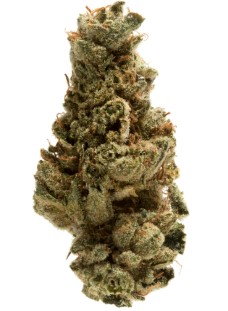
- Compact, dense nugs with a spade-like structure
- Pistils of bright orange through the buds
- Sticky resin production, making it ideal for concentrates
Aroma
Millennium’s aroma is a complex blend of earthy, citrus, and spicy notes. Upon breaking the buds, users may detect hints of:
- Citrus and lemon from the limonene terpene
- Earthy, piney scents from pinene
- Spicy, herbal undertones from caryophyllene
Flavor
When smoked or vaporized, Millennium delivers a smooth and flavorful experience, with dominant notes of citrus, pine, and spice. Users report that the aftertaste lingers, often leaving a sweet and slightly peppery finish.
THC, CBD, and Terpene Profile
THC and CBD Content
- THC levels: 22% – 27%, making it highly potent and recommended for experienced users.
- CBD levels: Typically below 1%, meaning its medical effects are largely THC-driven rather than CBD-based.
Terpene Profile
Millennium’s effects and aroma are largely influenced by its terpene composition:
- Limonene (citrus) – Elevates mood, relieves stress, and offers antidepressant properties.
- Myrcene (earthy, herbal) – Enhances sedation and provides pain relief.
- Pinene (pine, fresh) – Promotes focus, alertness, and respiratory health.
- Caryophyllene (spicy, peppery) – Has anti-inflammatory properties and interacts with the body’s CB2 receptors, making it useful for pain management.
Medical Uses of Millennium Cannabis Strain
Millennium is a high-THC hybrid cannabis strain with a diverse cannabinoid and terpene profile, making it highly effective for medical applications. It interacts with the endocannabinoid system (ECS), modulating pain perception, mood regulation, neuroprotection, and immune response. Below is a detailed scientific breakdown of its therapeutic effects and medical potential.

1. Mechanism of Action: How Millennium Works in the Body
The medical benefits of Millennium are attributed to its interaction with the endocannabinoid system (ECS), This includes receptors for CB1 and CB2.
A. CB1 and CB2 Receptor Activation
- CB1 Receptors (Central Nervous System, Brain)
- Modulate pain perception, mood, and appetite.
- High THC (22 percent–27 percent) in Millennium activates CB1 receptors, producing analgesic and anti-nausea effects.
- CB2 Receptors (Peripheral Immune Cells, Inflammatory Sites)
- Regulate immune response and inflammation.
- Beta-caryophyllene (a terpene in Millennium) selectively binds to CB2, reducing chronic pain and inflammation.
B. Terpene and Cannabinoid Synergy (“Entourage Effect”)
Millennium’s terpene-cannabinoid interactions amplify its therapeutic potential through synergistic effects.
- Limonene + THC – Antidepressant, anxiolytic
- Myrcene + THC – Sedative, muscle relaxant
- Caryophyllene + THC – Anti-inflammatory, neuroprotective
- Pinene + THC – Bronchodilator, cognitive enhancer
This synergy enhances efficacy compared to isolated cannabinoids, making Millennium more effective in treating complex medical conditions.
2. Medical Applications of Millennium Strain
A. Pain Management and Chronic Pain Relief
Millennium is highly effective for chronic pain due to its THC-mediated analgesic effects.

Scientific Basis
- THC binds to CB1 receptors, reducing pain signaling in the central nervous system.
- Beta-caryophyllene binds to CB2 receptors, lowering inflammation-induced pain.
- Myrcene enhances pain relief through opioid receptor modulation.
Conditions Treated
- Neuropathic Pain (Fibromyalgia, Sciatica, Multiple Sclerosis)
- Inflammatory Pain (Arthritis, Rheumatoid Arthritis, Autoimmune Disorders)
- Post-Surgical Pain
B. Anxiety, Depression, and Mood Disorders
Millennium provides rapid mood elevation, making it beneficial for anxiety and depression.
Scientific Basis
- Limonene enhances serotonin and dopamine activity, improving mood and reducing stress.
- Pinene has anxiolytic (anti-anxiety) effects by modulating GABA receptors.
- THC produces euphoria but must be carefully dosed to avoid anxiety spikes.
Conditions Treated
- Generalized Anxiety Disorder (GAD)
- Post-Traumatic Stress Disorder (PTSD)
- Major Depressive Disorder (MDD)
High doses of THC can worsen anxiety in sensitive individuals. Balanced microdosing (5-10 mg THC) is recommended.
C. Insomnia and Sleep Disorders
Millennium induces sedation and deep sleep, making it useful for insomnia.
Scientific Basis
- Myrcene enhances GABAergic activity, promoting muscle relaxation and sedation.
- THC shortens sleep latency, helping fall asleep faster.
- Caryophyllene has anti-anxiety effects, reducing racing thoughts before sleep.
Conditions Treated
- Chronic Insomnia
- Restless Leg Syndrome (RLS)
- Nighttime Anxiety and PTSD-related Sleep Disturbances
High-THC strains can suppress REM sleep; controlled dosing is recommended to avoid REM rebound.
D. Anti-Inflammatory and Autoimmune Disorder Treatment
Millennium reduces systemic inflammation, benefiting autoimmune diseases.
Scientific Basis
- CB2 receptor activation reduces cytokine (inflammatory protein) production.
- Beta-caryophyllene functions as a selective CB2 agonist, lowering chronic inflammation.
- THC modulates immune function, potentially benefiting autoimmune conditions.
Conditions Treated
- Rheumatoid Arthritis
- Crohn’s Disease and Ulcerative Colitis
- Lupus and Multiple Sclerosis (MS)
E. Appetite Stimulation and Nausea Reduction
Millennium’s appetite-enhancing and anti-nausea properties are beneficial for patients experiencing cachexia, chemotherapy-induced nausea, and eating disorders.
Scientific Basis
- THC activates CB1 receptors in the hypothalamus, increasing hunger signals.
- Limonene and Caryophyllene reduce nausea and vomiting.
- Pinene enhances gastric motility, preventing nausea-related discomfort.
Conditions Treated
- Cancer Patients Undergoing Chemotherapy
- HIV/AIDS-Induced Appetite Loss
- Anorexia and Cachexia
F. Neurological and Neuroprotective Applications
Millennium has potential neuroprotective benefits, aiding in cognitive and neurodegenerative disorders.
Scientific Basis
- THC and Caryophyllene reduce neuroinflammation, protecting dopaminergic neurons.
- Pinene enhances memory retention and counteracts THC-induced short-term memory loss.
- Limonene has antioxidant properties, protecting against oxidative stress in the brain.
Conditions Treated
- Alzheimer’s Disease
- Parkinson’s Disease
- Multiple Sclerosis (MS) and Epilepsy
THC can impair short-term memory in high doses; CBD co-administration may help mitigate cognitive side effects.
3. Personalized Medical Dosing Strategy
A. Microdosing vs. Macrodosing
- Microdosing (1-5 mg THC): Best for anxiety, depression, mild pain relief.
- Moderate Dosing (5-15 mg THC): Best for pain, inflammation, appetite stimulation.
- High Dosing (20+ mg THC): Used for severe pain, chemotherapy side effects, and sleep disorders.
B. Consumption Methods and Bioavailability
| Method | Onset Time | Duration | Best For |
|---|---|---|---|
| Smoking/Vaping | 5-10 minutes | 2-4 hours | Fast pain relief, anxiety, insomnia |
| Tinctures (Sublingual) | 15-30 minutes | 4-6 hours | Chronic pain, inflammation, mood stabilization |
| Edibles | 45-90 minutes | 6-10 hours | Long-lasting effects, appetite stimulation |
| Topicals | Localized effect | 4-8 hours | Arthritis, muscle pain, skin conditions |
4. Potential Side Effects and Risk Management
Although Millennium has strong medical benefits, it also has dose-dependent side effects.
Common Side Effects
- Dry Mouth and Dry Eyes – Staying hydrated and using artificial tears can help.
- Dizziness and Lightheadedness – Starting with a low dose and increasing gradually is recommended.
- Paranoia or Anxiety (High THC Doses) – Using CBD-rich strains or terpene modulation (limonene and linalool) can help mitigate this.
Recreational Uses of Millennium Cannabis Strain
Cerebral Stimulation and Creativity
The initial Sativa-like effects of Millennium provide a boost in creativity, focus, and motivation, making it an excellent choice for:
- Artists and musicians
- Writers
- Deep conversations and introspection
Social and Mood Enhancement
Millennium is often used in social settings due to its ability to enhance mood and promote laughter. It’s ideal for gatherings, though higher doses may lead to couch-lock.
Relaxation and Euphoria
As the effects settle, the strain transitions into a relaxing body high, making it perfect for relaxing after a tough day.
Growing Millennium Cannabis Strain
Cultivating Millennium cannabis strain involves precise environmental control, optimized nutrient delivery, and advanced plant training methods to optimize terpene expression, potency, and yield. Below is a scientific breakdown of the ideal conditions, growth stages, and strategies for cultivating Millennium with high efficiency and quality.
1. Growth Conditions and Environmental Factors
Millennium is a hybrid strain with a balanced genetic background, meaning it exhibits traits from both Indica and Sativa varieties. To optimize its growth, growers must adjust environmental factors throughout its lifecycle.
A. Temperature and Humidity Control
- Vegetative Stage:
- Temperature: (70°F – 80°F) 21°C – 27°C)
- Humidity: 50% – 70%
- Optimal VPD (Vapor Pressure Deficit): 0.8 – 1.2 kPa
- This stage requires higher humidity to support transpiration and nutrient uptake.
- Flowering Stage:
- Temperature: (68°F – 78°F) 20°C – 26°C
- Humidity: 40% – 50%
- VPD: 1.2 – 1.6 kPa
- Lower humidity reduces the risk of powdery mildew and bud rot while enhancing resin production.
- Late Flowering & Ripening:
- Temperature: 65°F – 75°F (18°C – 24°C)
- Humidity: 30% – 40%
- This decrease in humidity stresses the plant slightly, leading to an increase in cannabinoid and terpene concentration.
B. Light Intensity and Spectrum
Millennium responds well to high-intensity light to maximize photosynthetic efficiency.
- Vegetative Stage:
- Lighting: 18/6 light cycle (18 hours light, 6 hours dark)
- PPFD (Photosynthetic Photon Flux Density): 400 – 600 µmol/m²/s
- Recommended Light Type: Full-spectrum LEDs (3000K – 5000K) or MH (Metal Halide) lights
- Flowering Stage:
- Lighting: 12/12 light cycle (12 hours light, 12 hours dark)
- PPFD: 700 – 1,000 µmol/m²/s
- Recommended Light Type: HPS (High-Pressure Sodium) or Full-Spectrum LED (2700K – 3500K)
- Using Far-Red Spectrum (730nm) can enhance flower development and resin production.
C. CO₂ Enrichment for Faster Growth
Millennium plants exhibit enhanced photosynthesis under controlled CO₂ enrichment.
- Optimal CO₂ Levels: 900 – 1,200 ppm during vegetative and early flowering
- Results:
- Increases biomass production by up to 30%
- Enhances THC and terpene synthesis
- Shortens overall flowering time
2. Nutrient and pH Management
Proper nutrient balance and pH control are essential for high cannabinoid expression and optimal plant health.
A. Soil vs. Hydroponics: Which is Best?
- Soil-Based Growing:
- Preferred for a full-spectrum terpene profile
- Requires rich, aerated soil with high microbial activity
- Best Soil Composition: 40% Coco Coir, 30% Perlite, 30% Organic Compost
- Hydroponic Growing:
- Increases yield potential by 30-50%
- Requires constant monitoring of EC (Electrical Conductivity) and pH
- Ideal EC levels: 1.2 – 1.6 mS/cm (veg), 1.8 – 2.2 mS/cm (flowering)
- pH range: 5.8 – 6.2 (Hydroponics), 6.0 – 6.5 (Soil)
B. Nutrient Schedule for Maximum Yield
| Growth Stage | N-P-K Ratio | Micronutrients | Feeding Frequency |
|---|---|---|---|
| Seedling | 2-1-2 | Calcium, Magnesium | Light feeding every 5 days |
| Vegetative | 3-1-2 | Iron, Zinc, Silica | Full feeding every 3 days |
| Early Flower | 1-3-3 | Boron, Sulfur | Full feeding every 2 days |
| Late Flower | 0-3-4 | Manganese, Molybdenum | Reduce Nitrogen, increase Potassium |
- Silica (SiO₂) Supplements help strengthen cell walls and improve resistance to pests and diseases.
- Microbial inoculants (Mycorrhizal fungi, Trichoderma) boost nutrient absorption.
3. Advanced Training Techniques for Millennium Cannabis
A. Low-Stress Training (LST)
- Encourages horizontal growth for even light distribution.
- Improves bud site exposure, increasing yields.
- Recommended during weeks 2 – 5 of vegetative growth.
B. High-Stress Training (HST)
- Topping (cutting the main cola) forces lateral growth.
- Super Cropping (bending stems) thickens branches, enhancing bud support.
- Mainlining maximizes canopy uniformity, producing large colas.
C. Screen of Green (ScrOG)
- Uses a trellis net to optimize light penetration and airflow.
- Effective in indoor grow spaces to maximize yield per square foot.
4. Flowering and Harvesting Optimization

A. Flowering Duration and Harvesting Window
- Flowering Time: 9 – 10 weeks
- Optimal Harvest Time: When trichomes are 60% milky, 30% cloudy, 10% amber.
- Flushing Period: 10 – 14 days before harvest to remove excess nutrients.
B. Drying and Curing for Maximum Potency
- Drying Temperature: 60 – 70°F (15 – 21°C)
- Humidity Control: 50 – 60% RH
- Curing Time: 2 – 4 weeks in air-tight glass jars, burping jars daily to maintain terpenes.
- Slow drying enhances cannabinoid preservation.
- Curing enhances potency by converting THCA to THC through decarboxylation.
5. Pest and Disease Management
Millennium is susceptible to pests and mold, requiring proactive defense strategies.
A. Common Pests
- Spider Mites → Use Neem Oil + Predatory Mites
- Fungus Gnats → Control with BTI (Bacillus thuringiensis israelensis)
- Aphids & Thrips → Introduce Ladybugs and Lacewings
B. Disease Prevention
- Powdery Mildew → Control humidity, use Potassium Bicarbonate sprays
- Root Rot → Ensure proper drainage & introduce Trichoderma fungi
- Bud Rot (Botrytis) → Maintain airflow & use UV-C light treatment
Potential Side Effects
Like most potent cannabis strains, Millennium has a few possible side effects:
- Dry Mouth (Cottonmouth) – Staying hydrated helps reduce discomfort.
- Dry Eyes – Can be alleviated with eye drops.
- Dizziness – More common in novice users or when consuming high doses.
- Paranoia/Anxiety – May occur in individuals sensitive to THC.
Conclusion
Millennium is a versatile hybrid cannabis strain that combines the best of Indica and Sativa effects. With high THC levels, a complex terpene profile, and potent medical applications, it is a strain valued by both recreational and medicinal cannabis users.
Its ability to provide euphoria, creativity, relaxation, and pain relief makes it an ideal choice for multiple scenarios, from social gatherings to sleep aid. Whether grown for personal use or commercial cultivation, Millennium remains a top-tier cannabis strain in today’s market.
For a complete directory of cultivars, visit our Cannabis Strain Reviews.
